How to Treat Keratosis Pilaris: Chicken Skin Solutions That Actually Work

“I remember Sarah, a 32-year-old accountant, sitting in my exam room nearly in tears. She said she’d avoided wearing short sleeves for over a decade because of the persistent, sandpaper-like bumps on her arms. ‘I’ve tried every lotion at the drugstore,’ she told me. ‘Nothing works.’” As a board-certified dermatologist with over 15 years of clinical experience, I hear this story almost weekly. The condition is keratosis pilaris (KP)—commonly called “chicken skin”—and while it’s harmless, its stubborn texture can be deeply frustrating.
Here’s the dermatological principle you need to know: KP is not a problem with your skin’s surface, but a buildup of keratin protein inside your hair follicles. This blockage creates those rough, red or flesh-colored bumps. The condition affects up to 40% of adults and 50–80% of adolescents, making it one of the most common reasons patients seek my advice. The good news? With evidence-based treatments that target the root cause—not just the symptoms—you can dramatically smooth and clear that texture.
This guide breaks down the most effective keratosis pilaris treatments, from exfoliating acids to lifestyle adjustments, so you can finally find a chicken skin remedy that actually works.
Table of Contents
- What Is Keratosis Pilaris? A Quick Overview
- The Science Behind the Bumps
- Topical Treatments That Work
- Urea Cream for KP
- Lactic Acid and AmLactin
- Salicylic Acid and CeraVe SA Body Wash
- Physical Exfoliation: Dry Brushing and Gentle Scrubbing
- Treating Keratosis Pilaris on the Face
- Lifestyle and Prevention Strategies
- Frequently Asked Questions
- Conclusion
- References
What Is Keratosis Pilaris? A Quick Overview
!What Is Keratosis Pilaris? A Quick Overview
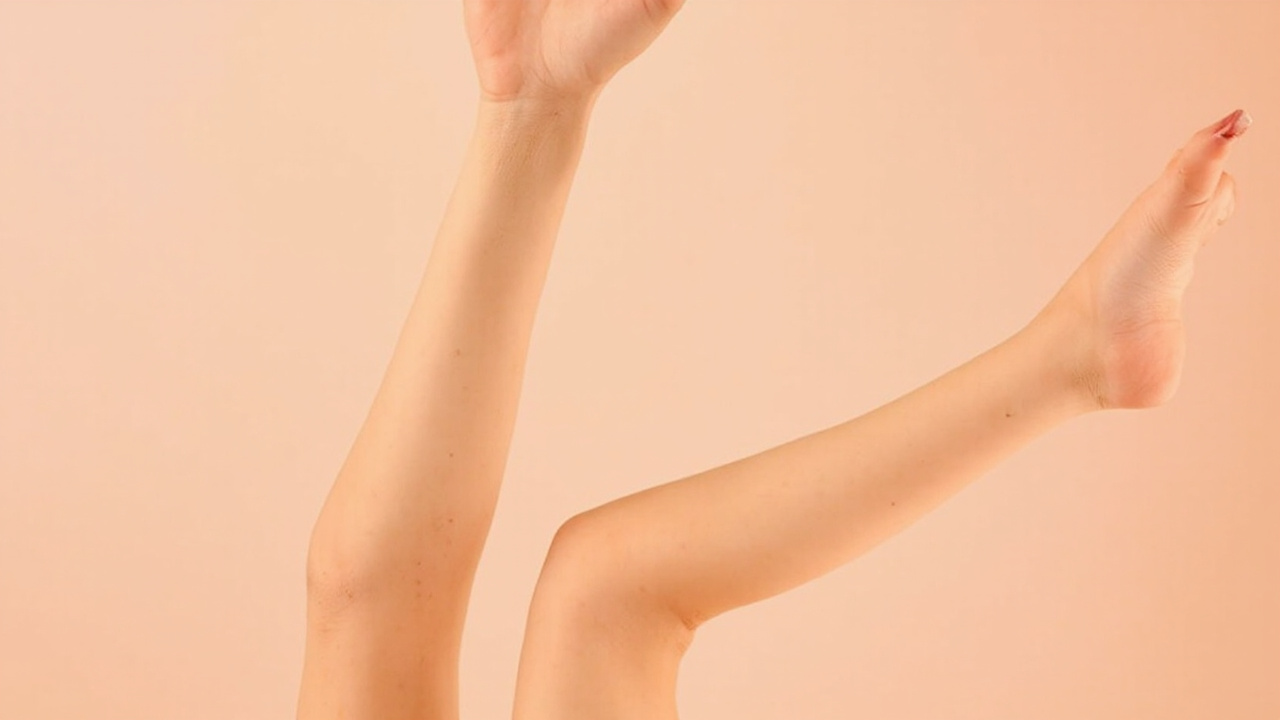
Keratosis pilaris is a genetic condition where keratin—a protein that protects your skin—builds up inside hair follicles. This creates small, hard plugs that look like goosebumps or chicken skin. It most commonly appears on the keratosis pilaris arms, thighs, buttocks, and sometimes the face.
KP is not contagious, and it’s not a sign of poor hygiene. In fact, over-washing or using harsh soaps can make it worse. The condition often improves with age, but for many adults, it persists and requires consistent management.
Key takeaway: KP is a keratin overproduction issue, not an acne or allergy problem. Treatment focuses on softening and removing the keratin plugs while hydrating the skin.The Science Behind the Bumps
To understand how to treat KP, you need to know what’s happening beneath the surface. Each hair follicle is lined with skin cells that normally shed gradually. In KP, these cells shed too quickly or too slowly, leading to a buildup of keratin that forms a plug.
Research published in the Journal of the American Academy of Dermatology indicates that KP is often linked to mutations in the filaggrin gene, which plays a role in skin barrier function. This explains why KP frequently coexists with dry skin, eczema, and ichthyosis vulgaris.
Because the condition involves both a buildup of dead skin cells and a compromised moisture barrier, effective treatment must address both components: exfoliation and hydration.
Topical Treatments That Work
The most effective keratosis pilaris treatments involve topical products that chemically exfoliate and moisturize. Here are the ingredients dermatologists recommend most.
Urea Cream for KP
Urea is a powerhouse ingredient for KP. It works in two ways: as a keratolytic (it dissolves the bonds holding dead skin cells together) and as a humectant (it draws moisture into the skin).
- How to use: Look for a urea cream with a concentration of 10% to 20%. Lower percentages (5%) are better for hydration, while higher percentages (20–40%) are stronger exfoliants. For daily use on arms and legs, 10% is a good starting point.
- Why it works: Urea gently breaks down the keratin plugs without irritation, and it significantly improves skin texture over time.
- Evidence: A study in the Journal of Dermatological Treatment found that 10% urea cream significantly reduced roughness and scaling in patients with keratosis pilaris after four weeks of use.
Lactic Acid and AmLactin
Lactic acid is an alpha hydroxy acid (AHA) that exfoliates the surface of the skin while boosting moisture. AmLactin KP is one of the most popular over-the-counter brands because it combines 12% lactic acid with moisturizing ingredients.
- How to use: Apply AmLactin or a similar lactic acid lotion once or twice daily to affected areas. Start with once a day to see how your skin tolerates it.
- Why it works: Lactic acid dissolves the intercellular “glue” that holds dead skin cells together, allowing the keratin plugs to shed naturally. It also increases ceramide production, which strengthens the skin barrier.
- Evidence: A 2015 review in Clinical, Cosmetic and Investigational Dermatology confirmed that AHAs like lactic acid are effective for treating hyperkeratosis and improving skin texture.
Salicylic Acid and CeraVe SA Body Wash
Salicylic acid is a beta hydroxy acid (BHA) that penetrates deep into pores and hair follicles, making it ideal for treating the plugs inside follicles. CeraVe SA body wash is a gentle, non-stripping option that combines salicylic acid with ceramides to protect the skin barrier.
- How to use: Use the body wash in the shower, letting it sit on the skin for 1–2 minutes before rinsing. Follow with a moisturizer containing urea or lactic acid.
- Why it works: Salicylic acid is oil-soluble, meaning it can get inside the follicle to clear out the keratin plug. The ceramides in CeraVe help prevent the dryness that salicylic acid can cause.
- Evidence: The American Academy of Dermatology (AAD) recommends salicylic acid as a first-line treatment for keratosis pilaris due to its ability to soften and remove keratin.
Physical Exfoliation: Dry Brushing and Gentle Scrubbing
Physical exfoliation can help, but it must be done carefully. Aggressive scrubbing can inflame the skin and worsen KP.
Dry brush KP is a popular technique. Using a soft-bristled brush on dry skin before a shower helps loosen dead skin cells and stimulate circulation.- How to dry brush: Use gentle, circular motions. Brush each area 3–5 times. Do this 2–3 times per week, not daily.
- What to avoid: Never dry brush on broken or irritated skin. Avoid using loofahs or harsh scrubs, which can cause micro-tears.
- Combination approach: Dry brush before a shower, then apply a chemical exfoliant (like AmLactin) after drying off. This two-step method can accelerate results.
Treating Keratosis Pilaris on the Face
Keratosis pilaris face is less common but can appear on the cheeks, forehead, or jawline. Facial skin is thinner and more sensitive, so treatment requires extra caution.- Use milder exfoliants: Instead of 12% lactic acid, try a 5–8% lactic acid serum or a gentle salicylic acid toner (0.5–1%).
- Hydrate carefully: Use a non-comedogenic moisturizer with ceramides or niacinamide. Avoid heavy creams that can clog pores.
- Avoid physical scrubs: Do not use facial scrubs with beads or granules. They can cause irritation and break the skin barrier.
- Professional options: A dermatologist may recommend in-office treatments like microdermabrasion or prescription retinoids for stubborn facial KP.
Lifestyle and Prevention Strategies
While you can’t cure KP, you can prevent flare-ups and maintain smooth skin with these habits.
Frequently Asked Questions
Can keratosis pilaris be cured permanently?
No, there is no permanent cure for KP. It is a genetic condition that tends to fluctuate. However, with consistent use of exfoliating and hydrating products, you can achieve smooth, clear skin. Many people find that KP improves significantly with age, especially after age 30.
How long does it take for KP treatments to work?
Most people see noticeable improvement in texture within 2–4 weeks of consistent use. Complete clearing of bumps can take 6–12 weeks. If you stop treatment, the bumps will likely return within a few weeks.
Is it safe to use AmLactin every day?
Yes, AmLactin (12% lactic acid) is safe for daily use on the body. Start with once daily to test tolerance. If you experience stinging or redness, reduce frequency to every other day or switch to a lower concentration.
Can I use CeraVe SA body wash on my face?
CeraVe SA body wash is formulated for the body and may be too harsh for facial skin. For facial KP, use a gentler salicylic acid cleanser designed for the face, such as CeraVe SA Smoothing Cleanser.
Does shaving make keratosis pilaris worse?
Shaving can temporarily improve the appearance of KP by removing surface hairs and dead skin, but it can also cause irritation and ingrown hairs. Use a sharp, clean razor and always shave in the direction of hair growth. Apply a moisturizing lotion afterward.
Conclusion
You May Also Like
Explore more articles in our Health collection:
- Best Cuticle Oil for Aging: Restore Youthful Nails and Hydrated Cuticles
- Best Cuticle Oil: Nourish and Strengthen Nails with These Expert Picks
- Best Dry Shampoo for Acne-Prone Skin: A Complete Guide to Oil Control Without Breakouts
Keratosis pilaris may be stubborn, but it is highly manageable. The most effective chicken skin remedy combines chemical exfoliation (with urea, lactic acid, or salicylic acid) with consistent hydration. Products like AmLactin, CeraVe SA body wash, and 10% urea cream are dermatologist-recommended starting points.
Actionable takeaways:- Use a chemical exfoliant daily (lactic acid or urea lotion).
- Add a salicylic acid body wash 2–3 times per week.
- Moisturize immediately after every shower.
- Be patient—results take 4–8 weeks.
- See a dermatologist if KP is severe, painful, or does not respond to over-the-counter treatments.
References
Medically Reviewed By
Dr. Michael Park, MD, MPH — Preventive Dermatology SpecialistDr. Park focuses on skin cancer prevention and photoprotection. He earned his MPH from Harvard T.H. Chan School of Public Health and lectures internationally on sun safety.
This article was medically reviewed on 2026-06-09 for accuracy and completeness.
Medical Disclaimer: This article is for informational purposes only and does not constitute medical advice. Always consult a qualified healthcare provider for diagnosis and treatment of any medical condition. Individual results may vary.Related Tools
Try these free calculators and quizzes to personalize your routine: