Best Face Serum for Wrinkles

Why Use a Face Serum for Wrinkles?
Face serums are lightweight, fast-absorbing liquids packed with high concentrations of active ingredients. They target specific skin concerns like wrinkles more effectively than moisturizers. Serums penetrate deeper into the skin, delivering potent anti-aging compounds directly to the cells.
Wrinkles form due to collagen breakdown, oxidative stress, and loss of hydration. Serums can boost collagen, fight free radicals, and hydrate the skin. Using a serum daily can reduce fine lines and prevent new ones.
Key Ingredients to Look For
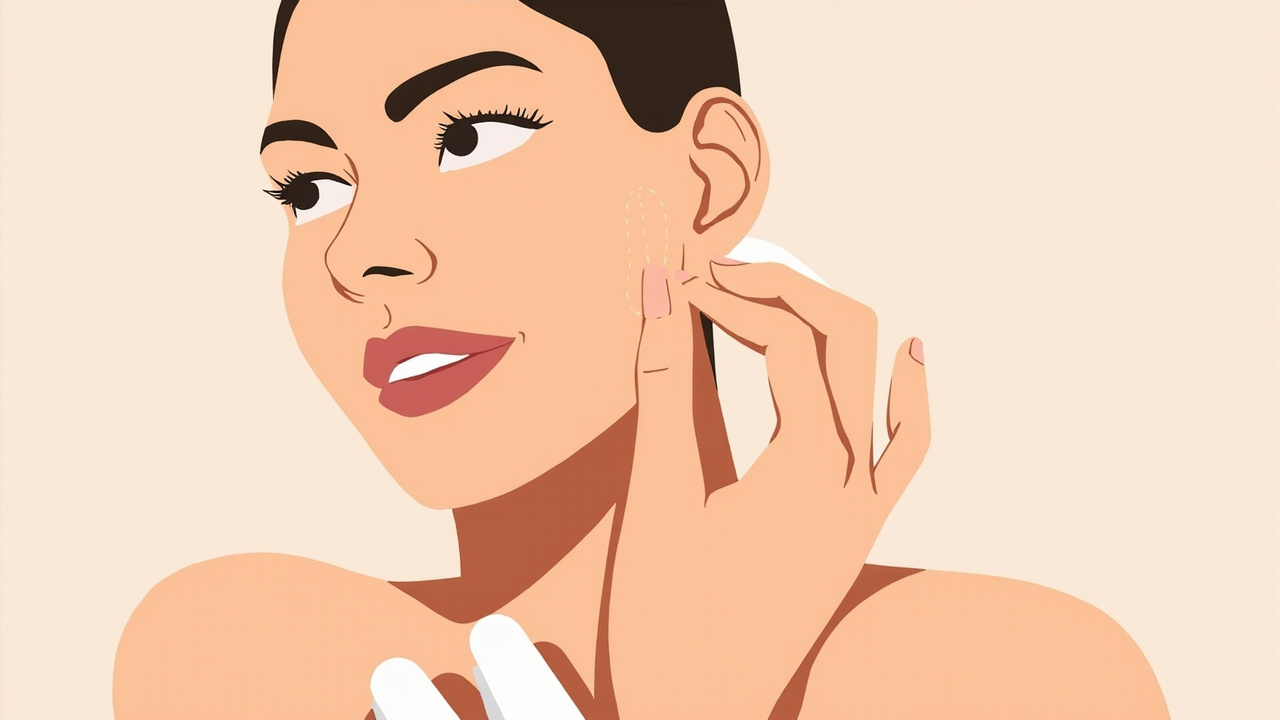
Retinoids (Retinol, Retinaldehyde)
Retinoids are vitamin A derivatives. They speed up cell turnover and stimulate collagen production. This reduces fine lines and improves skin texture. Retinol is available over-the-counter. Retinaldehyde is more potent. Prescription retinoids like tretinoin are stronger but may require a doctor's visit.
Evidence: The American Academy of Dermatology (AAD) states retinoids are the most effective anti-aging ingredients.Vitamin C (L-Ascorbic Acid)
Vitamin C is a powerful antioxidant. It neutralizes free radicals from UV damage and pollution. It also boosts collagen synthesis and brightens skin. Look for L-ascorbic acid, the most stable form. Concentrations of 10-20% are effective.
Evidence: A study in the Journal of Clinical and Aesthetic Dermatology found vitamin C significantly improves photoaged skin.Hyaluronic Acid
Hyaluronic acid (HA) is a humectant that holds up to 1,000 times its weight in water. It plumps the skin, reducing the appearance of wrinkles. HA is naturally found in the skin but decreases with age. Serums with low molecular weight HA penetrate deeper.
Evidence: The Mayo Clinic recommends HA for its hydrating and anti-aging benefits.Peptides
Peptides are short chains of amino acids. They signal the skin to produce more collagen and elastin. Different peptides target different concerns: some boost collagen, others relax facial muscles. They are gentle and suitable for sensitive skin.
Niacinamide
Niacinamide (vitamin B3) improves skin barrier function, reduces inflammation, and minimizes pores. It also helps fade age spots and fine lines. It works well with other ingredients.
Top 5 Best Face Serums for Wrinkles in 2025
!Top 5 Best Face Serums for Wrinkles in 2025

1. SkinCeuticals C E Ferulic
- Key Ingredients: 15% L-ascorbic acid, 1% vitamin E, 0.5% ferulic acid.
- Benefits: Boosts collagen, protects against environmental damage, improves fine lines and firmness.
- Best for: Normal to dry skin.
- Why it's top: This serum is clinically proven to reduce signs of aging. It is a gold standard in vitamin C serums.
2. The Ordinary Retinol 0.5% in Squalane
- Key Ingredients: 0.5% retinol, squalane.
- Benefits: Reduces fine lines, improves skin texture, and boosts collagen.
- Best for: Beginners starting retinol.
- Why it's top: Affordable and effective. The squalane base minimizes irritation.
3. Neutrogena Rapid Wrinkle Repair Retinol Serum
- Key Ingredients: Retinol SA, hyaluronic acid, glucose complex.
- Benefits: Accelerates skin renewal, hydrates, and reduces wrinkles in as little as 4 weeks.
- Best for: Normal to combination skin.
- Why it's top: Drugstore favorite with proven results.
4. Olay Regenerist Retinol24 Night Serum
- Key Ingredients: Retinol, niacinamide, vitamin B5.
- Benefits: Smooths wrinkles, improves texture, and hydrates.
- Best for: All skin types, including sensitive.
- Why it's top: Contains a stabilized retinol that is gentle yet effective.
5. La Roche-Posay Redermic R Retinol Serum
- Key Ingredients: Pure retinol, vitamin B3, glycerin.
- Benefits: Reduces deep wrinkles, evens skin tone, and soothes.
- Best for: Sensitive skin.
- Why it's top: Formulated for tolerance, with progressive release of retinol.
How to Choose the Right Serum for Your Skin Type
- Dry skin: Look for hydrating ingredients like hyaluronic acid, glycerin, and ceramides. Avoid high alcohol content.
- Oily skin: Choose lightweight, oil-free serums. Niacinamide and retinol help regulate oil.
- Sensitive skin: Opt for gentle ingredients like peptides and niacinamide. Start with low concentrations of retinol (0.25%-0.5%). Patch test first.
- Combination skin: Use a serum that balances hydration without being too heavy. Hyaluronic acid and vitamin C work well.
- Mature skin: Focus on collagen-boosting ingredients: retinol, vitamin C, and peptides. Consider prescription retinoids for advanced results.
How to Incorporate a Wrinkle Serum into Your Routine
- Start with retinol 2-3 times a week, then increase gradually.
- Do not mix retinol with strong acids (AHAs/BHAs) in the same routine.
- If irritation occurs, reduce frequency or buffer with moisturizer.
Frequently Asked Questions
Q: Can I use a wrinkle serum under my eyes?A: Yes, but choose an eye-specific formula. The skin around eyes is thinner and more sensitive. Look for ingredients like retinol, peptides, and hyaluronic acid made for the eye area.
Q: How long does it take to see results from a wrinkle serum?A: Most serums show initial improvements in 4-8 weeks. For significant changes, consistent use for 3-6 months is needed. Retinoids may cause purging (breakouts) initially.
Q: Can I use multiple serums together?A: Yes, but layer them correctly. Apply thinnest to thickest. For example: vitamin C first, then hyaluronic acid, then retinol. Avoid mixing retinol with vitamin C in the same routine; use vitamin C in the morning and retinol at night.
Q: Are there side effects?A: Retinoids may cause redness, peeling, and dryness. Vitamin C can sting on sensitive skin. Always patch test. If severe irritation occurs, consult a dermatologist.
Q: When should I see a dermatologist for wrinkles?A: If over-the-counter products do not improve your wrinkles after 6 months, or if you have deep wrinkles, sagging skin, or concerns about skin cancer. A dermatologist can prescribe stronger treatments like tretinoin or recommend procedures.
Key Takeaways
- Face serums deliver high concentrations of anti-aging ingredients deep into the skin.
- Key ingredients: retinoids, vitamin C, hyaluronic acid, peptides, and niacinamide.
- Choose a serum based on your skin type and tolerance.
- Start slowly with new ingredients, especially retinoids.
- Always wear sunscreen during the day when using active ingredients.
- See a dermatologist if you have severe wrinkles or irritation.
You May Also Like
Explore more articles in our Skincare collection:
- Best Lip Scrub for Oily Hair: The Complete Guide to Exfoliation and Balance
- Best Luxury Face Serum for Dry Skin: Top Picks & Expert Tips for Deep Hydration
- Best Luxury Face Serum for Redness
Related Tools
Try these free calculators and quizzes to personalize your routine: