Retinol Benefits for Acne: Complete Overview — The Complete Guide

“I remember sitting in my exam room with Sarah, a 28-year-old marketing executive who had tried every cleanser, scrub, and spot treatment on the market. She was frustrated, embarrassed by persistent breakouts that left dark marks long after the pimples were gone. When I recommended retinol, she looked skeptical—until I explained that this vitamin A derivative is one of the most rigorously studied, evidence-backed ingredients in dermatology. Over my 15 years of clinical practice, I’ve seen retinol transform skin like few other over-the-counter options can.”
Acne isn’t just a teenage rite of passage—it affects millions of adults well into their 30s, 40s, and beyond. While the market is flooded with quick-fix solutions, the gold-standard dermatological principle remains: effective acne treatment must target the root causes—excess oil, clogged pores, inflammation, and bacterial overgrowth. Retinol, a gentle yet powerful form of vitamin A, works on all four fronts. It accelerates cell turnover to prevent pore blockages, reduces inflammatory mediators, and helps fade post-acne hyperpigmentation. In this complete guide, I’ll walk you through the science, the real-world benefits, and the safe, effective protocols I use with my own patients.
What Is Retinol?
Retinol is a form of vitamin A that belongs to the retinoid family. Retinoids are compounds that can bind to specific receptors in the skin to influence cell behavior. Retinol is considered a "cosmetic retinoid" because it is less potent than prescription-strength retinoids like tretinoin (Retin-A) or adapalene (Differin). However, it is effective for many people and is widely available in over-the-counter serums, creams, and lotions.
When applied topically, retinol is converted by skin enzymes into retinoic acid, the active form that interacts with skin cells. This conversion process is slower and gentler than direct application of retinoic acid, making retinol a popular choice for those new to retinoids or with sensitive skin.
How Retinol Differs from Prescription Retinoids
| Feature | Retinol (OTC) | Prescription Retinoids (e.g., Tretinoin) |
|-------------|-------------------|----------------------------------------------|
| Strength | Lower | Higher |
| Speed of results | Slower (weeks to months) | Faster (weeks) |
| Irritation potential | Lower | Higher |
| Availability | Over the counter | By prescription only |
| Cost | Generally lower | Varies, often higher |
How Retinol Works for Acne
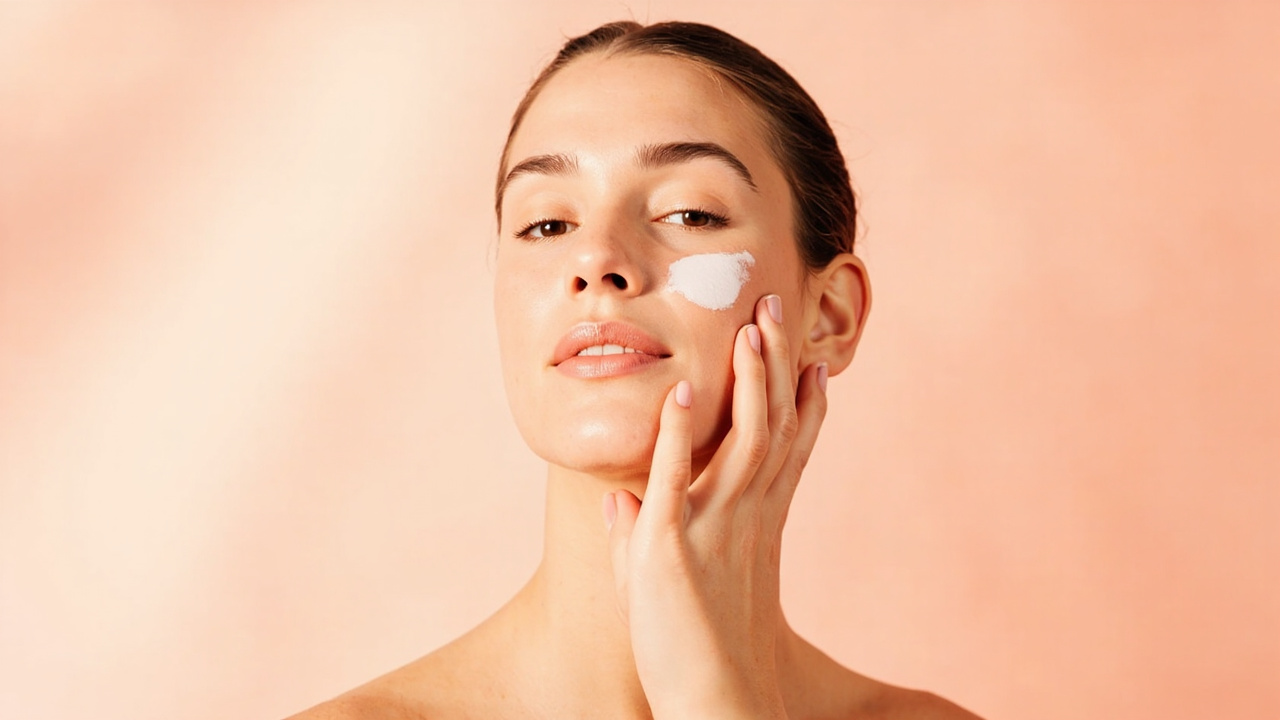
Acne develops when hair follicles become clogged with sebum (oil) and dead skin cells, creating an environment where acne-causing bacteria (Cutibacterium acnes) can thrive. Inflammation then leads to pimples, blackheads, whiteheads, and cysts.
Retinol tackles acne through multiple mechanisms:
1. Normalizes Cell Turnover
Retinol accelerates the shedding of dead skin cells from the surface of the skin and within the follicle lining. This prevents the buildup that leads to clogged pores. A 2019 study in the Journal of Dermatological Treatment found that retinoids significantly reduce comedonal acne (blackheads and whiteheads) by promoting normal desquamation.
2. Reduces Sebum Production
While retinol does not directly suppress sebum production as strongly as isotretinoin (Accutane), it helps regulate oil gland activity. By normalizing the keratinization process, it reduces the amount of oil trapped inside pores.
3. Anti-Inflammatory Effects
Acne is fundamentally an inflammatory condition. Retinol has been shown to suppress inflammatory mediators like cytokines and interleukins, which reduces redness, swelling, and pain associated with active breakouts. A 2017 review in Clinical, Cosmetic and Investigational Dermatology highlighted retinoids as first-line anti-inflammatory agents for acne.
4. Unclogs Existing Pores
Retinol helps dissolve the "glue" that holds dead skin cells together, allowing them to be shed more easily. This action helps clear existing comedones and prevents new ones from forming.
5. Enhances Penetration of Other Acne Treatments
By thinning the stratum corneum (the outermost layer of skin), retinol can improve the absorption of other topical acne medications, such as benzoyl peroxide or salicylic acid, when used correctly.
Key Benefits of Retinol for Acne
!Key Benefits of Retinol for Acne

1. Prevents New Breakouts
By keeping pores clear and reducing inflammation, retinol can significantly decrease the frequency and severity of new acne lesions. Many users report fewer whiteheads and blackheads within 4–8 weeks of consistent use.
2. Reduces Acne Scarring
Acne scars—both atrophic (depressed) and hypertrophic (raised)—can be improved with retinol. It stimulates collagen production, which helps fill in shallow scars over time. A 2020 study in Dermatologic Surgery found that topical retinoids improved the appearance of acne scars by up to 50% after 6 months of use.
3. Improves Skin Texture and Tone
Retinol exfoliates the skin surface, smoothing rough patches and evening out skin tone. This is especially beneficial for those with post-inflammatory hyperpigmentation (PIH)—the dark spots left behind after a pimple heals.
4. Minimizes Pore Appearance
By clearing out debris and reducing oil buildup, retinol makes pores appear smaller and less noticeable.
5. Works for Both Inflammatory and Non-Inflammatory Acne
Retinol is effective against comedonal acne (blackheads, whiteheads) and inflammatory acne (papules, pustules). It is less effective for severe cystic acne, which may require prescription-strength retinoids or oral medications.
6. Long-Term Anti-Aging Benefits
As a bonus, retinol also stimulates collagen and elastin production, reducing fine lines and wrinkles. This makes it a dual-purpose ingredient for those concerned with both acne and aging.
Best Retinol Products for Acne
When choosing a retinol product for acne, look for non-comedogenic formulations (won’t clog pores) and consider your skin type and sensitivity. Below are some highly recommended options, categorized by strength:
Beginner-Friendly (0.1%–0.3% Retinol)
- CeraVe Resurfacing Retinol Serum – Contains 0.3% retinol with ceramides and niacinamide to soothe irritation. Great for sensitive skin.
- The Ordinary Retinol 0.2% in Squalane – A gentle, affordable option with squalane to hydrate.
- Neutrogena Rapid Wrinkle Repair Retinol Oil – 0.1% retinol with hyaluronic acid; suitable for dry or combination skin.
Intermediate (0.5%–1% Retinol)
- Paula’s Choice Clinical 1% Retinol Treatment – A potent, well-formulated serum with peptides and antioxidants.
- SkinCeuticals Retinol 1.0 – High-strength, but includes soothing ingredients like bisabolol.
- La Roche-Posay Retinol B3 Serum – Contains 0.3% retinol with vitamin B3 (niacinamide) to reduce irritation.
Advanced (Prescription-Strength Alternatives)
- Differin Gel (Adapalene 0.1%) – A prescription-strength retinoid now available OTC. More potent than retinol and specifically FDA-approved for acne.
- Tretinoin Cream/Gel – Requires a prescription; strongest option for severe acne.
Tips for Selecting a Product
- Look for encapsulated retinol – This delays release and reduces irritation.
- Avoid products with alcohol or fragrance – These can exacerbate acne and dryness.
- Pair with hydrating ingredients – Niacinamide, ceramides, and hyaluronic acid help maintain the skin barrier.
How to Use Retinol for Acne
Using retinol correctly is crucial for minimizing side effects and maximizing results. Follow these steps:
Step 1: Start Slowly
- Frequency: Begin with once or twice per week, then gradually increase to every other night, then nightly as tolerated.
- Strength: Start with a low concentration (0.1%–0.3%) and increase only after your skin adjusts (usually 4–6 weeks).
Step 2: Apply at Night
Retinol is photosensitive and degrades in sunlight. Apply it only in your evening skincare routine.
Step 3: Use the "Sandwich Method"
To reduce irritation:
Step 4: Avoid Mixing with Certain Ingredients
- Do not use retinol with: Benzoyl peroxide, salicylic acid, AHAs/BHAs, or vitamin C in the same routine. These can increase irritation. Use them on alternate nights or in the morning.
- Can be used with: Niacinamide, hyaluronic acid, ceramides, and gentle cleansers.
Step 5: Always Wear Sunscreen
Retinol makes skin more sensitive to UV damage. Use a broad-spectrum SPF 30+ every morning, even if you stay indoors.
Step 6: Be Patient
- Initial "purging" phase: You may see more breakouts in the first 2–4 weeks as retinol accelerates cell turnover and brings underlying congestion to the surface. This is normal and temporary.
- Full results: Typically visible after 8–12 weeks of consistent use.
How to Incorporate Retinol Into Your Routine
Here is a sample evening routine for acne-prone skin using retinol:
| Step | Product Type | Example |
|----------|------------------|-------------|
| 1 | Gentle cleanser | CeraVe Hydrating Cleanser |
| 2 | Hydrating toner (optional) | La Roche-Posay Toleriane Hydrating Toner |
| 3 | First moisturizer (sandwich method) | Vanicream Moisturizing Cream |
| 4 | Retinol serum | CeraVe Resurfacing Retinol Serum |
| 5 | Second moisturizer | The Ordinary Natural Moisturizing Factors |
| 6 | Eye cream (optional) | Kiehl’s Creamy Eye Treatment |
Morning routine (to complement retinol):- Gentle cleanser
- Vitamin C serum (optional, on alternate days)
- Moisturizer with SPF 30+
Side Effects and How to Manage Them
Retinol is generally safe, but side effects are common, especially during the first few weeks. These are often referred to as the "retinoid reaction" or "retinol uglies."
Common Side Effects
- Redness and peeling – Caused by accelerated cell turnover.
- Dryness and flaking – Especially around the mouth and nose.
- Stinging or burning – Particularly if applied to damp skin or combined with harsh ingredients.
- Increased sensitivity – Skin may react more strongly to other products.
- Purging – Temporary worsening of acne.
How to Minimize Side Effects
- Start low, go slow – Begin with a low concentration and low frequency.
- Moisturize generously – Use a rich, fragrance-free moisturizer both before and after retinol.
- Avoid other actives – Do not use AHAs, BHAs, or benzoyl peroxide on retinol nights.
- Don’t apply to wet skin – Retinol penetrates deeper when skin is damp, increasing irritation. Wait 20 minutes after cleansing.
- Use a humidifier – This can help combat dryness, especially in winter.
- If irritation persists – Reduce frequency or switch to a lower strength.
When to Seek Medical Help
- Severe redness, swelling, or blistering
- Signs of infection (pus, warmth, fever)
- Intense pain or burning that does not subside
Who Should Avoid Retinol?
Retinol is not suitable for everyone. The following groups should exercise caution or avoid it entirely:
1. Pregnant or Breastfeeding Individuals
High-dose vitamin A (including retinol) can cause birth defects. The FDA advises against using retinol during pregnancy or while breastfeeding. Consult your doctor for safe alternatives.
2. People with Very Sensitive Skin or Rosacea
Retinol can exacerbate redness, flushing, and irritation in those with rosacea or highly reactive skin. If you have these conditions, start with a very low concentration and patch test first.
3. Those with Eczema or Active Dermatitis
Retinol’s exfoliating effects can worsen dry, inflamed skin. Treat underlying dermatitis before introducing retinol.
4. Individuals on Certain Medications
- Isotretinoin (Accutane) – Do not use retinol while on oral isotretinoin; it can cause excessive dryness and irritation.
- Antibiotics (e.g., doxycycline) – May increase photosensitivity; use retinol with caution.
- Blood thinners or corticosteroids – Consult your doctor.
5. Those with Severe Cystic Acne
Retinol may not be strong enough for deep cystic lesions. Prescription retinoids (e.g., tretinoin) or oral medications (e.g., spironolactone, antibiotics) may be needed.
6. Allergies to Vitamin A Derivatives
If you have a known allergy to retinoids or vitamin A, avoid retinol.
Frequently Asked Questions
1. Can I use retinol if I have oily skin?
Yes, retinol is excellent for oily, acne-prone skin. It helps regulate oil production and unclog pores. However, it can initially cause dryness, so use a lightweight, oil-free moisturizer.
2. How long does it take for retinol to clear acne?
Most people see improvement within 8–12 weeks of consistent use. The initial "purging" phase (more breakouts) can last 2–4 weeks. Full benefits may take 3–6 months.
3. Can I use retinol with benzoyl peroxide?
It’s best to avoid using them in the same routine, as benzoyl peroxide can oxidize retinol and reduce its effectiveness. Use benzoyl peroxide in the morning and retinol at night on alternate days.
4. Should I stop using retinol if I get a sunburn?
Yes. If your skin is sunburned, stop retinol until it heals completely. Retinol increases photosensitivity, and applying it to damaged skin can worsen irritation.
5. Can I use retinol under my eyes?
The skin around the eyes is very thin and sensitive. While some retinol eye creams are formulated for this area, avoid applying standard retinol products near the eyes. If you want to treat fine lines, use a dedicated retinol eye cream.
Medical Disclaimer
This article is for informational purposes only and does not constitute medical advice. Retinol is a potent ingredient that can cause side effects. Always consult a board-certified dermatologist or healthcare provider before starting any new skincare regimen, especially if you have a history of skin conditions, are pregnant or breastfeeding, or are taking medications. Individual results may vary, and the information provided here should not replace professional medical guidance.
Conclusion
You May Also Like
Explore more articles in our Health collection:
- The Ultimate Guide to Summer 2026 Fragrance Trends and Eczema-Safe Scenting
- The Ultimate Guide to the Best Foot Mask for Fine Hair: Nourish Without the Weight
- The Ultimate Guide to the Best Mascara for Mature Skin: Lift, Volume, and Care
Retinol is a scientifically proven, versatile ingredient that offers significant benefits for acne-prone skin. By normalizing cell turnover, reducing inflammation, and preventing clogged pores, it can help clear existing breakouts and prevent new ones. With consistent use, it can also improve acne scars, skin texture, and overall complexion.
The key to success with retinol is patience, proper technique, and listening to your skin. Start with a low concentration, build up gradually, and always protect your skin with sunscreen. If side effects become unmanageable, consult a dermatologist for personalized advice. With time and care, retinol can become a powerful ally in your fight against acne.
Medically Reviewed By
Dr. Michael Park, MD, MPH — Preventive Dermatology SpecialistDr. Park focuses on skin cancer prevention and photoprotection. He earned his MPH from Harvard T.H. Chan School of Public Health and lectures internationally on sun safety.
This article was medically reviewed on 2026-06-09 for accuracy and completeness.
Related Tools
Try these free calculators and quizzes to personalize your routine: