How to Treat Hives: Itchy, Raised Rash Relief and Prevention

“I remember a patient—let’s call her Sarah—who woke up at 3 a.m. covered in angry, red welts that seemed to multiply as she scratched. She was terrified, convinced it was a severe allergic reaction. As a board-certified dermatologist with over 15 years of clinical experience, I’ve seen this scenario countless times. The good news? In most cases, hives are not dangerous. But that maddening itch and the unpredictability of the rash can absolutely disrupt sleep, work, and peace of mind.”
Medically known as urticaria, hives affect an estimated 20% of people at some point in their lives. They occur when mast cells in the skin release histamine, causing small blood vessels to leak fluid into the deeper layers of the skin. This is a fundamental principle of dermatology: the itch-scratch cycle. Scratching only triggers more histamine release, creating a vicious loop that worsens the rash and prolongs discomfort.
This comprehensive guide provides evidence-based strategies for hives treatment and urticaria relief. We will explore immediate remedies, long-term prevention, and critical warning signs that require emergency care. Whether you are dealing with an acute allergic reaction or unexplained chronic hives, understanding your skin is the first step to reclaiming your comfort.
Table of Contents
- What Exactly Are Hives? A Quick Overview
- Immediate Hives Treatment: Stop the Itch Now
- Over-the-Counter and Prescription Medications
- Soothing Home Remedies for Itchy Rash Relief
- How to Treat Hives on the Face and Body
- Understanding and Managing Chronic Hives
- Identifying Triggers: From Allergies to Stress
- When to Seek Emergency Treatment for Hives
- Frequently Asked Questions
- Conclusion
What Exactly Are Hives? A Quick Overview
!What Exactly Are Hives? A Quick Overview
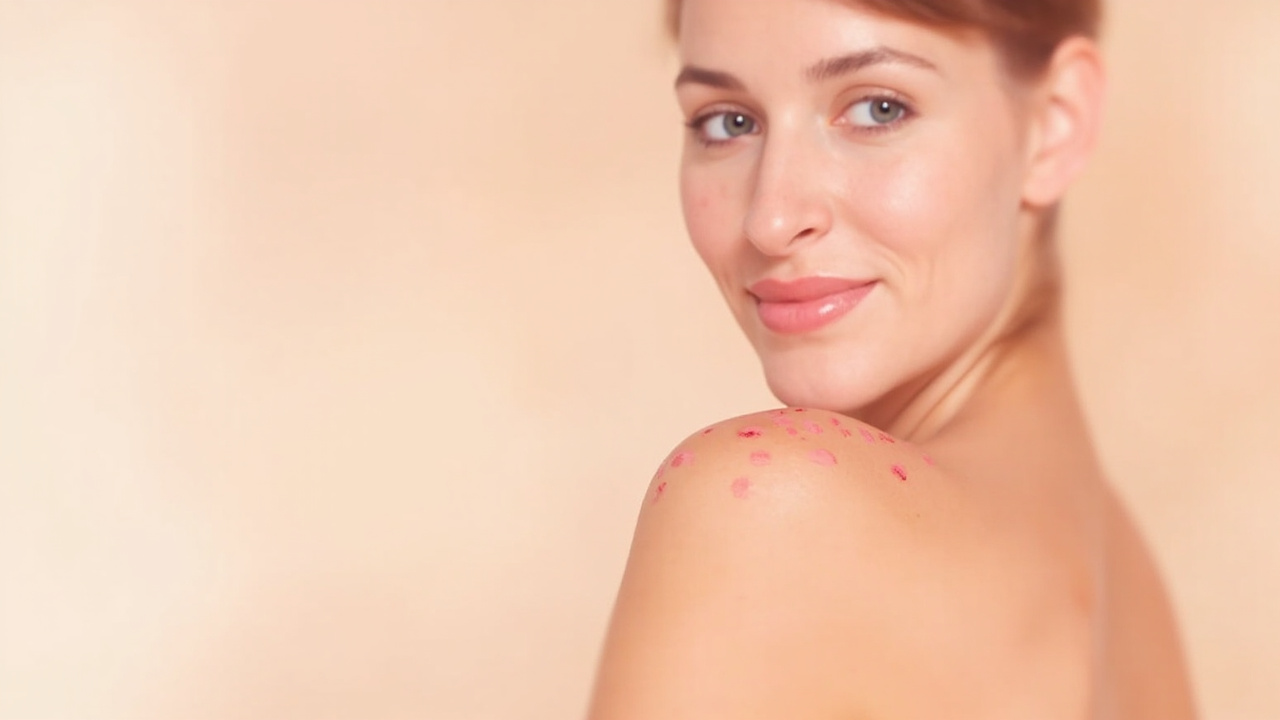
Hives are raised, itchy welts (wheals) on the skin that vary in size and shape. They occur when mast cells in your skin release histamine and other chemicals into the bloodstream, causing tiny blood vessels to leak fluid. This fluid accumulates in the skin, creating the characteristic raised bump and redness.
Individual hives typically resolve within 24 hours, but new ones can appear as old ones fade. The rash can be triggered by a wide range of factors, including foods, medications, infections, physical stimuli (pressure, cold, heat), and even stress. When hives persist for more than six weeks, they are classified as chronic urticaria, a condition that often requires a more nuanced approach.
Immediate Hives Treatment: Stop the Itch Now
!Immediate Hives Treatment: Stop the Itch Now
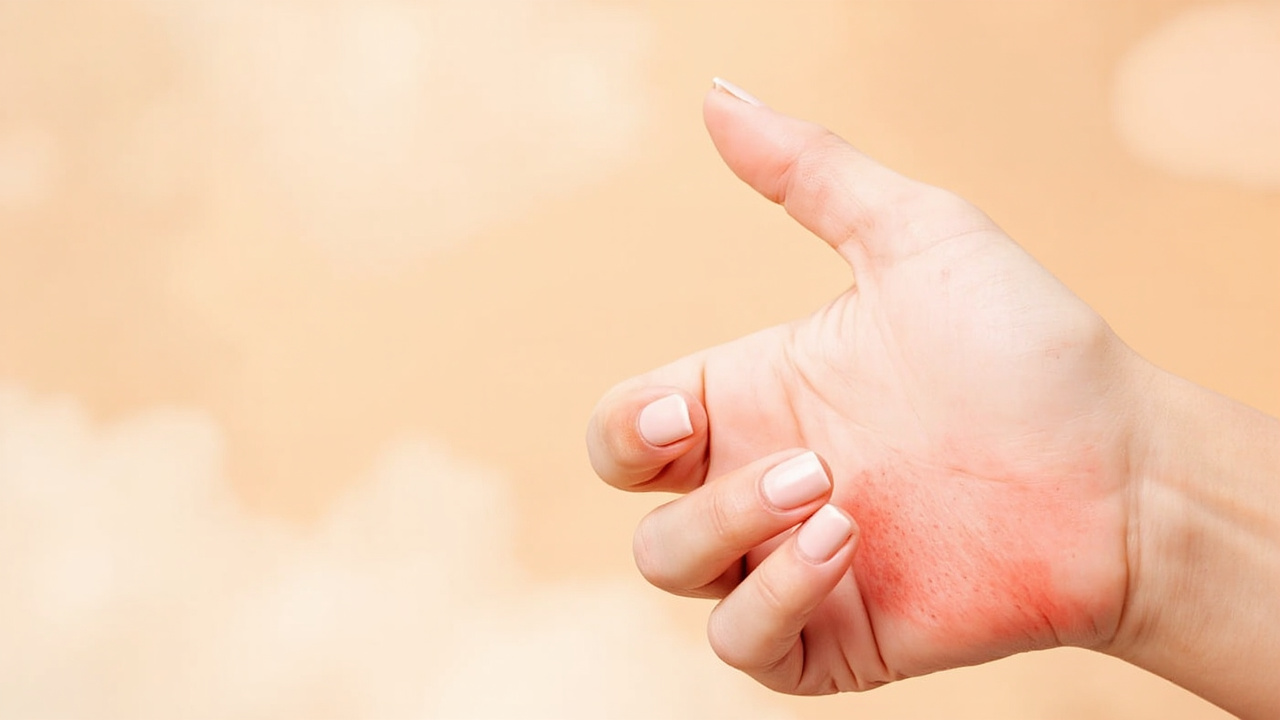
When a hive outbreak begins, your goal is to stop the release of histamine and soothe the inflammation. Speed is essential.
1. Antihistamines: The First Line of Defense
Oral antihistamines are the cornerstone of hives treatment. They work by blocking the histamine receptors in your skin, preventing the reaction from worsening.
- Second-generation (non-drowsy): These are preferred for daytime use. Options include cetirizine (Zyrtec), loratadine (Claritin), and fexofenadine (Allegra). Research supports their efficacy in reducing the number and severity of hives without significant sedation.
- First-generation (sedating): Diphenhydramine (Benadryl) is potent but causes drowsiness. It is best used at night or for severe acute outbreaks. The American Academy of Dermatology (AAD) notes that while effective, its sedative side effects limit its use for chronic management.
For acute flare-ups, taking a non-sedating antihistamine immediately can stop the progression of the rash within 30 to 60 minutes.
2. Avoid Triggers in the Moment
If you suspect a specific trigger (e.g., a new food, medication, or insect sting), stop exposure immediately. If the trigger is a medication, contact your healthcare provider before stopping it.
Over-the-Counter and Prescription Medications
While antihistamines are the mainstay, other medications can provide relief for resistant cases.
H2 Blockers
Often used for heartburn, medications like famotidine (Pepcid) can also block histamine receptors in the skin. Combining an H1 blocker (standard antihistamine) with an H2 blocker can be more effective for some individuals with stubborn hives.
Topical Treatments
- Calamine Lotion: This classic pink lotion provides a cooling, soothing effect. While it does not block histamine, it can significantly reduce the sensation of itching. Apply a thin layer directly to the welts.
- Corticosteroid Creams: Over-the-counter hydrocortisone can reduce inflammation and redness on small areas. However, prolonged use on large areas or the face should be avoided without medical guidance.
Prescription Options
For chronic hives that do not respond to high-dose antihistamines, a dermatologist may prescribe:
- Omalizumab (Xolair): A biologic injection that blocks immunoglobulin E (IgE), a key player in allergic reactions. It is FDA-approved for chronic idiopathic urticaria and is highly effective.
- Leukotriene Receptor Antagonists: Medications like montelukast (Singulair) are sometimes used off-label, particularly when hives are triggered by aspirin or NSAIDs.
Soothing Home Remedies for Itchy Rash Relief
In addition to medication, several home remedies can provide immediate itchy rash remedy without side effects.
The Power of an Oatmeal Bath
Colloidal oatmeal has been used for centuries to soothe irritated skin. It contains avenanthramides, compounds with anti-inflammatory and antioxidant properties. A study published in the Journal of Drugs in Dermatology confirmed that colloidal oatmeal can help restore skin barrier function and reduce itching.
How to use: Grind plain, unflavored oatmeal into a fine powder. Sprinkle one cup into a lukewarm bath and soak for 15-20 minutes. Pat your skin dry—do not rub.Cold Compresses
Cold constricts blood vessels, reducing the leakage of fluid into the skin. This directly counteracts the swelling and numbs the nerve endings responsible for itching.
How to use: Wrap ice cubes in a thin towel or use a cold gel pack. Apply to the affected area for 10-15 minutes at a time. Repeat as needed.Aloe Vera
The gel from the aloe vera plant is a well-known anti-inflammatory agent. It can cool the skin and reduce the redness associated with hives. For more details on its benefits, you can read our dedicated guide on Aloe Vera for Skin: Science-Backed Benefits, Uses, and How to Apply.
How to use: Apply pure aloe vera gel directly from the plant or a high-quality, alcohol-free product.Loose, Soft Clothing
Friction can worsen hives and trigger new ones (dermatographism). Wear loose-fitting, soft cotton clothing to minimize irritation. Avoid wool and synthetic fabrics that trap heat.
How to Treat Hives on the Face and Body
The location of your hives matters. The skin on the face is thinner and more sensitive, while hives on body areas like the trunk and limbs can cover large surface areas.
Hives on the Face
Treating hives on the face requires extra caution. Avoid strong topical steroids or harsh ingredients near the eyes and mouth.
- Gentle cleansing: Wash your face with a mild, fragrance-free cleanser.
- Cold compress: This is the safest and most effective method for facial swelling.
- Oral antihistamines: These are the best option for widespread facial hives.
- Avoid makeup: Cosmetics can further irritate the skin and trap allergens.
Hives on the Body
For hives on body areas like the back, chest, and legs:
- Lukewarm baths: Add colloidal oatmeal or baking soda (half a cup) to the bathwater.
- Targeted application: Use a spray bottle filled with calamine lotion or a cooled mixture of water and a few drops of peppermint oil to cover large areas quickly.
- Moisturize: Apply a fragrance-free moisturizer immediately after a bath to lock in moisture and repair the skin barrier.
Understanding and Managing Chronic Hives
Chronic hives are defined as welts that appear for most days of the week, for six weeks or longer. They can be frustrating because the cause is often unknown (idiopathic).
The Role of Stress
Stress hives are a real phenomenon. Emotional stress can trigger the release of cortisol and other stress hormones, which can destabilize mast cells and cause them to release histamine. Managing stress is not just about feeling better—it is a treatment strategy.- Mindfulness and meditation: Regular practice can lower baseline cortisol levels.
- Adequate sleep: Sleep deprivation increases inflammation and histamine sensitivity.
- Exercise: Moderate exercise helps regulate the immune system, but avoid intense workouts that cause overheating, which can also trigger hives.
Autoimmune Connection
In many cases, chronic hives are autoimmune. The body produces antibodies that attack its own mast cells. This is why standard antihistamines may not be enough. If you have chronic hives, a blood test for thyroid antibodies or a skin biopsy may be recommended by your doctor.
Identifying Triggers: From Allergies to Stress
Prevention is the most effective hives treatment. Identifying and avoiding triggers is key.
Common Allergic Triggers
- Foods: Shellfish, nuts, eggs, milk, and strawberries are frequent culprits. Food additives like sulfites and tartrazine (yellow dye #5) can also be triggers.
- Medications: Antibiotics (especially penicillin), aspirin, ibuprofen (NSAIDs), and ACE inhibitors (blood pressure medication) are common causes.
- Infections: Viral infections like the common cold, hepatitis, and Epstein-Barr can trigger hives. In children, hives are often linked to viral illnesses.
Physical Triggers
- Pressure (Delayed Pressure Urticaria): Hives appear under tight clothing or after sitting for long periods.
- Cold (Cold Urticaria): Exposure to cold air or water causes hives.
- Heat/Exercise (Cholinergic Urticaria): Small, pinpoint hives appear when the body temperature rises.
- Sunlight (Solar Urticaria): Rare, but hives appear within minutes of sun exposure.
Prevention Strategies
- Keep a Diary: Log what you eat, your activities, and when hives appear. This is the most powerful tool for identifying patterns.
- Patch Testing: A dermatologist can perform patch testing to identify contact allergens.
- Avoid Known Triggers: Once identified, strict avoidance is required.
When to Seek Emergency Treatment for Hives
While most hives are benign, they can sometimes be a sign of a life-threatening allergic reaction called anaphylaxis. Do not hesitate to seek immediate medical attention if you experience:
- Difficulty breathing or wheezing
- Swelling of the lips, tongue, or throat (angioedema)
- Dizziness or fainting
- Nausea, vomiting, or abdominal pain
- Rapid heartbeat
Frequently Asked Questions
How long do hives usually last?
Acute hives typically last a few hours to a few days. Individual welts usually fade within 24 hours. If hives persist for more than six weeks, they are considered chronic and require a doctor's evaluation.
Can stress really cause hives?
Yes. Emotional stress is a well-documented trigger for stress hives. Stress hormones can directly activate mast cells. Managing stress through relaxation techniques, therapy, and adequate sleep can significantly reduce outbreaks.
Is it safe to use calamine lotion every day?
Calamine lotion is generally safe for daily, short-term use on small areas. However, it can dry the skin. If you need daily relief, a fragrance-free moisturizer or a non-drying antihistamine cream may be better options. Avoid using it on broken skin.
What is the strongest antihistamine for hives?
There is no single "strongest" antihistamine, as individual responses vary. For acute, severe hives, diphenhydramine (Benadryl) is very potent but sedating. For chronic management, high-dose fexofenadine (Allegra) or cetirizine (Zyrtec) are often preferred. A doctor may recommend combining different antihistamines for severe cases.
Can hives be a sign of something more serious?
In most cases, hives are not serious. However, they can be associated with autoimmune thyroid disease, lupus, or other systemic conditions. If you have chronic hives along with joint pain, fever, or fatigue, consult a healthcare provider for a full evaluation.
Conclusion
You May Also Like
Explore more articles in our Health collection:
- How to Get Rid of Stretch Marks: What Actually Works According to Dermatologists and Science
- How to Lighten Dark Underarms: Safe, Effective Methods Without Irritation
- How to Prevent Dark Circles: A Complete Step-by-Step Guide to Brighter, Youthful Eyes
Hives are an uncomfortable and often unpredictable condition, but effective management is within reach. The key is a dual approach: immediate relief using antihistamines, cold compresses, and soothing oatmeal baths, combined with long-term strategies like trigger identification and stress management.
Actionable Takeaways:For more insights on managing skin health, explore our guide on 10 Anti-Aging Skincare Tips for a Youthful Complexion or learn about the benefits of Azelaic Acid for Acne and Rosacea.
Disclaimer: This article is for informational purposes only and does not constitute medical advice. Hives can have many causes, and treatment should be tailored to the individual. Always consult a qualified healthcare professional for diagnosis and treatment of any medical condition.References
Medically Reviewed By
Dr. James Chen, MD, PhD — Dermatology ResearcherDr. Chen is a physician-scientist specializing in skin barrier research. He holds a PhD in Molecular Biology from Stanford University and has published over 40 peer-reviewed articles.
This article was medically reviewed on 2026-06-09 for accuracy and completeness.
Medical Disclaimer: This article is for informational purposes only and does not constitute medical advice. Always consult a qualified healthcare provider for diagnosis and treatment of any medical condition. Individual results may vary.Related Tools
Try these free calculators and quizzes to personalize your routine: