How to Heal Split Ends: A Complete Guide to Repair, Prevention, and Restoration

The first time a patient sat in my exam room, nearly in tears over a jagged, frayed ponytail, I knew this wasn’t just about vanity—it was about confidence. After 15 years as a board-certified dermatologist, I’ve treated thousands of cases of trichoptilosis, or split ends, and I’ve learned one hard truth: hair is dead tissue. Once the protective cuticle—the overlapping shingles that guard the cortex—splits, no shampoo, oil, or prayer can biologically fuse it back together. That’s a fundamental principle of dermatology: living tissue heals; keratinized fibers do not.
But here’s the good news: that doesn’t mean you’re sentenced to a lifetime of constant chops. In my clinical experience, the vast majority of split-end damage can be halted, sealed, and disguised with the right evidence-based approach. This guide will walk you through exactly how to “heal” split ends in the practical sense—by preventing further fraying, strengthening the remaining shaft, and delaying that inevitable trim without sacrificing hair health.
H2: What Are Split Ends? The Science Behind the Split
To effectively treat split ends, you must first understand the structure of your hair. Each strand consists of three layers:
- The Medulla: The soft, innermost core.
- The Cortex: The thick middle layer containing melanin (color) and keratin proteins (strength).
- The Cuticle: The outermost protective layer, composed of overlapping scales (like roof shingles).
H2: The Top 7 Causes of Split Ends (And How to Identify Yours)
!H2: The Top 7 Causes of Split Ends (And How to Identify Yours)
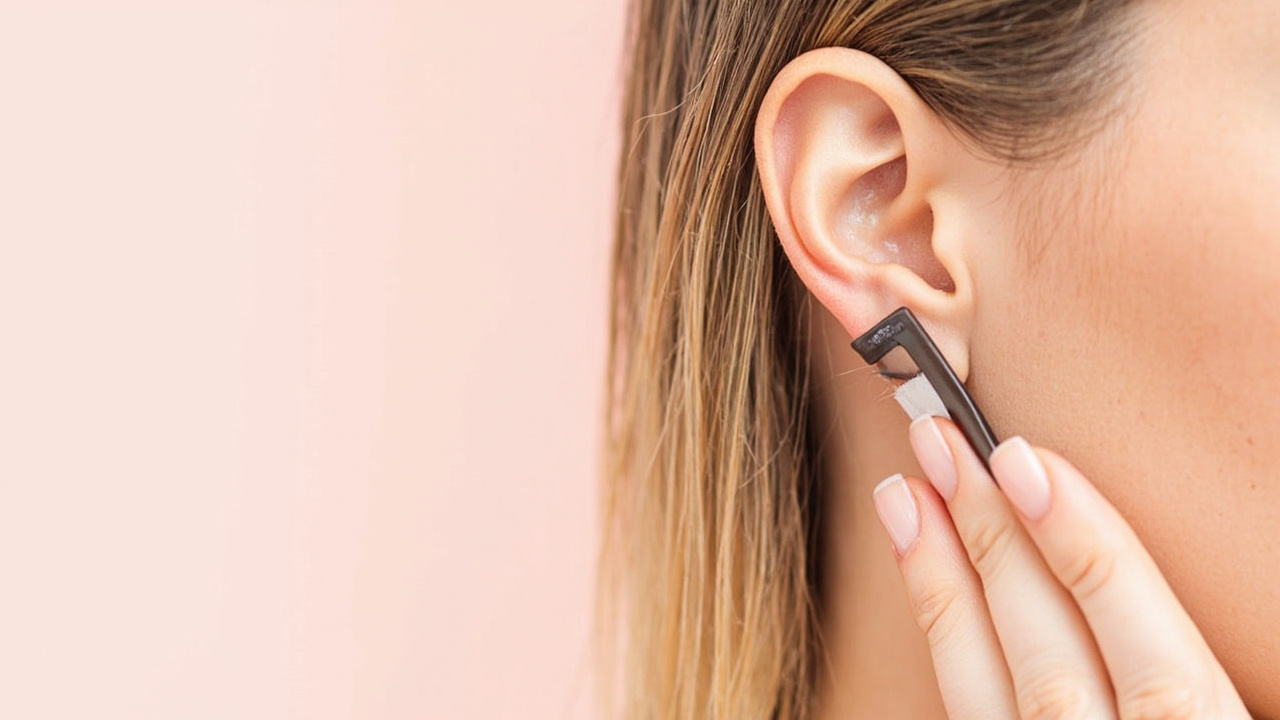
Before you can stop split ends, you must stop the behavior causing them. Here are the primary culprits:
H2: The "Do's and Don'ts" of Split End Management
!H2: The ""Do's and Don'ts"" of Split End Management

This section is your quick-reference guide for daily habits.
✅ Do's:
- Do use a wide-tooth comb on wet hair.
- Do apply a leave-in conditioner or bonding treatment after every wash.
- Do sleep on a silk or satin pillowcase to reduce friction.
- Do get a professional trim every 8–12 weeks.
- Do use hair oil (argan, jojoba, or coconut) on the ends daily.
❌ Don'ts:
- Don't brush your hair from the roots down. Start at the ends and work your way up.
- Don't use elastics with metal parts; use soft scrunchies or spiral hair ties.
- Don't towel dry by rubbing; blot or squeeze excess water.
- Don't use heat above 350°F (180°C) for fine hair or 400°F (200°C) for coarse hair.
- Don't wash your hair daily; overwashing strips natural sebum.
H2: Step-by-Step Guide to "Healing" Split Ends
This is the core action plan. It combines immediate fixes with long-term strategies.
H3: Step 1: The "Dusting" Method (Immediate Removal)
Since you cannot glue split ends back together, the only way to remove them is cutting. However, you don't need to lose inches.
The Technique:H3: Step 2: Bond Repair Treatments (The "Glue" for Hair)
Bond repair technology (like Olaplex, K18, or Redken) does not fix the split itself, but it repairs the broken disulfide bonds within the cortex. This strengthens the hair shaft, preventing the split from traveling further up the strand.
How to Use:- Olaplex Step 3: Apply to damp, towel-dried hair. Leave on for 10–30 minutes. Wash and condition.
- K18 Leave-In Molecular Repair Mask: Apply to clean, towel-dried hair. Do not use conditioner after. Wait 4 minutes before styling.
- Frequency: Use a bonding treatment once a week for maintenance.
H3: Step 3: The "Search and Destroy" Method (Advanced Home Care)
This is a more thorough version of dusting.
H3: Step 4: Seal the Ends with Oil (The "Patch")
While you wait for your next trim, you can temporarily seal the split ends to make them look smooth and prevent friction.
- Best Oils: Argan oil, jojoba oil, or a silicone-based serum (like Verb Ghost Oil).
- Application: Place 1–2 drops of oil in your palms. Rub together. Gently smooth over the last 2 inches of your hair. Do not rub into the scalp.
- Why it works: Oil fills the gaps in the cuticle, creating a temporary seal that reduces tangling and further damage.
H2: Professional Treatment Methods
If you want immediate, dramatic results, see a professional.
H3: The "Hair Botox" or Keratin Treatment
- What it is: A deep-conditioning treatment that infuses the hair with keratin, collagen, and vitamins. It is not actually Botox.
- How it helps: It fills in gaps in the cuticle, making split ends appear fused. The effect lasts 4–6 weeks.
- Best for: Dry, porous, or color-treated hair.
- Cost: $150–$400.
H3: Cauterization (Hot Oil Sealing)
- What it is: A stylist uses a specialized hot tool to "weld" the split ends together using a keratin-based solution.
- How it helps: It physically seals the split for 6–8 weeks.
- Warning: This must be done by a trained professional. Incorrect use can burn the hair.
H3: The Professional Trim (The Gold Standard)
- What it is: A stylist uses sharp shears to cut hair while dry (for precision) or wet (for speed).
- How it helps: Removes all splits cleanly.
- Frequency: Every 8–12 weeks.
- Cost: $30–$100+.
H2: Product Recommendations (By Category)
To prevent split ends, you need a system. Here are top-tier products for each step.
H3: Shampoo & Conditioner (Gentle Cleansing)
- Best for Fine Hair: Redken Acidic Bonding Concentrate Shampoo & Conditioner.
- Best for Curly/Thick Hair: Briogeo Don't Despair, Repair! Super Moisture Shampoo & Conditioner.
- Best for Color-Treated Hair: Olaplex No. 4 Bond Maintenance Shampoo & No. 5 Bond Maintenance Conditioner.
H3: Leave-In Treatments & Bond Builders
- For Daily Use: It's a 10 Miracle Leave-In Product (lightweight, heat protection + detangling).
- For Weekly Repair: K18 Leave-In Molecular Repair Mask (targets broken bonds).
- For Deep Penetration: Olaplex No. 3 Hair Perfector (pre-wash treatment).
H3: Serums & Oils (Sealing)
- Budget Option: OGX Renewing + Argan Oil of Morocco.
- Professional Grade: Moroccanoil Treatment (lightweight, high-shine).
- Silicone-Free: The Ordinary Multi-Peptide Serum for Hair Density (for scalp health) + Jojoba oil on ends.
H3: Tools
- Brushes: Tangle Teezer (wet hair), Mason Pearson (dry hair).
- Heat Styling: GHD Platinum+ Styler (auto-adjusts heat).
- Pillowcase: Slip Silk Pillowcase (reduces friction by 40%).
H2: Timeline Expectations: How Long Until You See Results?
Managing split ends requires patience. Here is a realistic timeline.
| Timeframe | What to Expect |
| :--- | :--- |
| Immediately | After a trim or dusting, split ends are gone. |
| 1–2 Weeks | Bond repair treatments begin to strengthen the cortex. Hair feels smoother. |
| 4–6 Weeks | New splits may appear if you are not using oil or a leave-in. Regular dusting is needed. |
| 8–12 Weeks | Professional trim recommended. With consistent care, the rate of splitting will slow down. |
| 6 Months | If you have stopped heat styling and chemical processing, your hair will be significantly stronger and thicker at the ends. |
Key Insight: You cannot "grow out" split ends. The split will travel up the hair shaft. You must cut the damage off. The goal is to slow the damage rate so you can grow longer hair between trims.H2: When to See a Doctor (Trichologist or Dermatologist)
While split ends are usually cosmetic, sometimes they signal an underlying health issue. See a medical professional if:
- Hypothyroidism (underactive thyroid): Causes dry, brittle hair.
- Iron Deficiency Anemia: Leads to hair thinning and breakage.
- Telogen Effluvium: Stress-induced shedding that weakens remaining hair.
- Fungal Infections (e.g., Ringworm): Causes hair to snap off.
H2: Final Verdict: Can You Really Heal Split Ends?
No, you cannot biologically heal a split end. However, you can manage, seal, and prevent them so effectively that your hair looks and feels healthy.The best strategy is a triple-threat approach:
If you follow the steps in this guide, you can maintain long, strong hair without the constant frustration of frayed ends.
H2: Frequently Asked Questions (FAQs)
Q1: Can toothpaste or egg whites really fix split ends?
No. These are viral DIY hacks with no scientific basis. Toothpaste contains drying agents that can worsen breakage. Egg whites may temporarily coat the hair but provide no lasting repair. Stick to proven ingredients like keratin, amino acids, and silicones.Q2: How often should I trim my hair to prevent split ends?
For most hair types, a trim every 8–12 weeks is ideal. If you use heat daily or have color-treated hair, you may need a trim every 6–8 weeks.
Q3: Is it better to cut split ends wet or dry?
Dry cutting is generally better for split ends. Wet hair stretches, so you may cut off more than necessary. Dry cutting allows you to see the exact location of the split.Q4: Does coconut oil prevent split ends?
Yes, partially. Coconut oil penetrates the hair shaft better than most oils due to its low molecular weight. It can reduce protein loss and seal the cuticle, preventing splits from forming. However, it cannot repair an existing split.Q5: Can split ends cause hair to stop growing?
No. Hair growth occurs at the scalp follicle. Split ends do not stop growth. However, if a split travels up the shaft and the hair breaks off, it can appear as if your hair isn't growing longer. This is called the "glass ceiling effect."You May Also Like
Explore more articles in our Skincare collection:
- Aloe Vera Benefits for Skin: The Complete Guide
- Best Aftershave for Split Ends: The Ultimate Guide to Smooth, Healthy Hair
- Best Body Butter for Whiteheads: Hydration Without the Breakouts
Medical Disclaimer
Disclaimer: The information provided in this article is for educational and informational purposes only and is not intended as medical or professional advice. It is not a substitute for consultation with a qualified healthcare provider, dermatologist, or trichologist. Individual results may vary. Always consult a medical professional before starting any new treatment, especially if you have underlying health conditions or are experiencing significant hair loss or scalp issues. Do not ignore professional medical advice or delay seeking it based on information contained in this article.Medically Reviewed By
Dr. Sarah Mitchell, MD, FAAD — Board-Certified DermatologistDr. Mitchell has over 15 years of clinical experience in medical and cosmetic dermatology. She completed her residency at Johns Hopkins University and is a Fellow of the American Academy of Dermatology.
This article was medically reviewed on 2026-06-09 for accuracy and completeness.