Best Moisturizer for 50s

Why Moisturizer Needs Change in Your 50s
In your 50s, skin undergoes significant changes. Collagen production drops by about 1% per year after age 20. Estrogen levels decline, leading to thinner, drier skin. Natural oil production decreases. The skin barrier becomes weaker, making it harder to retain moisture. Fine lines, wrinkles, and age spots become more noticeable.
A moisturizer designed for mature skin addresses these issues. It provides intense hydration, supports barrier repair, and delivers active ingredients to boost collagen and elasticity. Using the wrong moisturizer can leave skin feeling greasy or not hydrated enough. That's why your moisturizer needs to change in your 50s.
Key Ingredients to Look for in a Moisturizer for 50s
!Key Ingredients to Look for in a Moisturizer for 50s
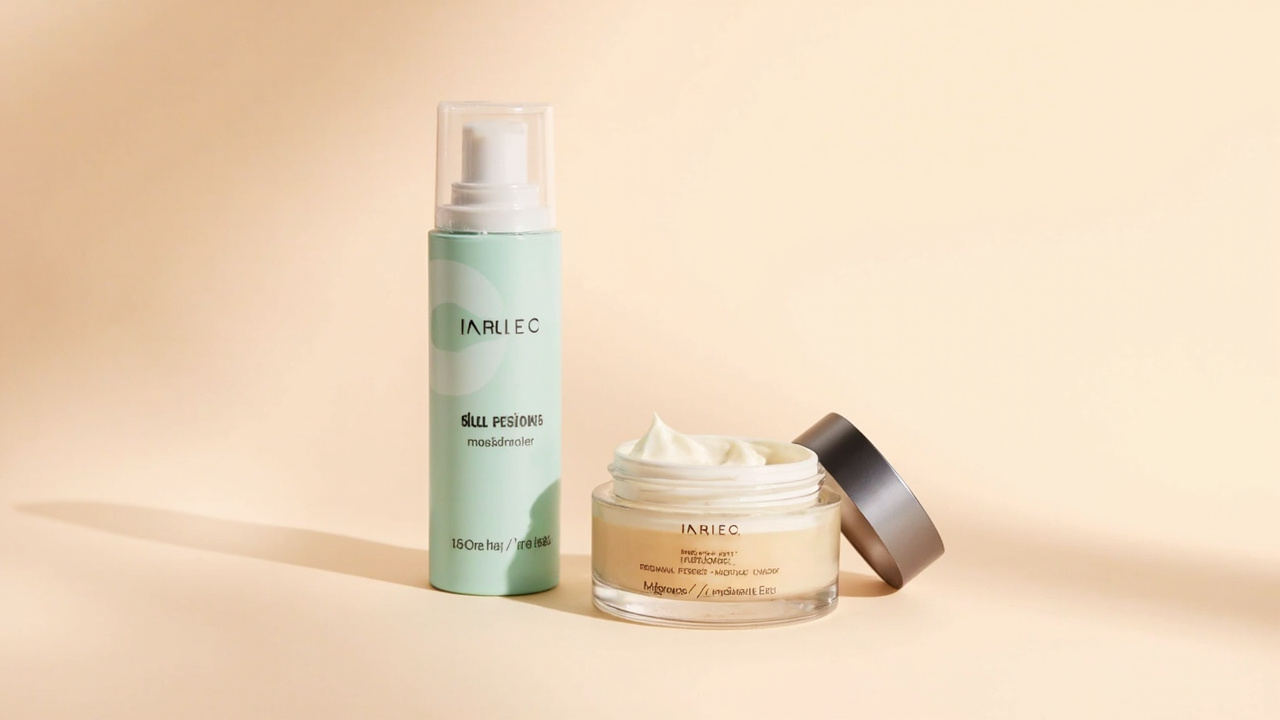
Hyaluronic Acid and Ceramides
Hyaluronic acid (HA) is a humectant. It attracts water to the skin, holding up to 1,000 times its weight in moisture. It plumps skin and reduces the appearance of fine lines.
Ceramides are lipids that make up about 50% of the skin barrier. They help lock in moisture and protect against environmental damage. As we age, ceramide levels decline. A moisturizer with ceramides restores the barrier and prevents water loss.
Look for products that list both HA and ceramides. They work together to hydrate and strengthen the skin.
Peptides and Retinol
Peptides are short chains of amino acids. They signal the skin to produce more collagen and elastin. This helps firm skin and reduce wrinkles. Peptides are gentle and suitable for daily use.
Retinol is a form of vitamin A. It speeds up cell turnover and boosts collagen production. It can improve texture, tone, and fine lines. However, retinol can be irritating. Start with a low concentration (0.25% to 0.5%) and use it every other night. Always apply sunscreen in the morning, as retinol increases sun sensitivity.
For those with sensitive skin, consider a retinol alternative like bakuchiol. It offers similar benefits with less irritation.
Antioxidants and SPF
Antioxidants like vitamin C, vitamin E, and niacinamide protect skin from free radicals. Free radicals cause oxidative stress, leading to premature aging. Vitamin C also brightens skin and boosts collagen synthesis.
SPF is crucial for preventing further damage. Sun exposure is the primary cause of visible aging. Choose a moisturizer with at least SPF 30 for daily use. Broad-spectrum protection shields against UVA and UVB rays.
Top 5 Best Moisturizers for 50s
!Top 5 Best Moisturizers for 50s
1. Best Overall: CeraVe Moisturizing Cream
- Key ingredients: Ceramides, hyaluronic acid, glycerin
- Texture: Rich but non-greasy
- Benefits: Restores skin barrier, provides long-lasting hydration
- Why it's best: Affordable, fragrance-free, and recommended by dermatologists. Suitable for all skin types, including sensitive.
2. Best Budget: Vanicream Moisturizing Cream
- Key ingredients: Glycerin, petrolatum, hyaluronic acid
- Texture: Thick and creamy
- Benefits: Simple formula, free of common irritants (dyes, fragrance, parabens)
- Why it's best: Inexpensive and gentle. Ideal for very dry or sensitive skin.
3. Best Luxury: SkinCeuticals Triple Lipid Restore 2:4:2
- Key ingredients: Ceramides, cholesterol, fatty acids, niacinamide
- Texture: Rich, silky
- Benefits: Replenishes skin lipids, improves firmness and texture
- Why it's best: Clinically proven to restore barrier function. High concentration of lipids (2% ceramides, 4% cholesterol, 2% fatty acids).
4. Best for Sensitive Skin: La Roche-Posay Toleriane Double Repair Face Moisturizer
- Key ingredients: Ceramides, niacinamide, glycerin, prebiotic thermal water
- Texture: Lightweight, non-comedogenic
- Benefits: Soothes irritation, strengthens barrier
- Why it's best: Fragrance-free, paraben-free, and tested on sensitive skin. Provides 48-hour hydration.
5. Best with SPF: EltaMD UV Clear Broad-Spectrum SPF 46
- Key ingredients: Niacinamide, hyaluronic acid, lactic acid, zinc oxide
- Texture: Lightweight, tinted option available
- Benefits: Protects against UVA/UVB, calms redness, improves skin clarity
- Why it's best: Oil-free, recommended for acne-prone and sensitive skin. Contains 5% niacinamide to reduce inflammation.
How to Choose the Right Moisturizer for Your Skin Type
Selecting a moisturizer depends on your skin type:
- Dry skin: Look for rich creams with ceramides, shea butter, or petrolatum. Avoid gels or lotions that may evaporate quickly.
- Oily skin: Choose oil-free, non-comedogenic formulas. Gel-based moisturizers with hyaluronic acid work well.
- Combination skin: Use a lightweight lotion that hydrates without greasiness. Apply richer cream to dry areas if needed.
- Sensitive skin: Pick fragrance-free, alcohol-free products with soothing ingredients like niacinamide, ceramides, or oatmeal.
If you have concerns like rosacea or eczema, consult a dermatologist. They can recommend specific products tailored to your condition.
Tips for Maximizing Your Moisturizer's Benefits
- Apply to damp skin: Moisturizer traps water, so apply within 60 seconds of cleansing. This boosts hydration.
- Use the right amount: A pea-sized amount for the face, a nickel-sized for neck and décolletage.
- Layer properly: Apply thinnest products first (serums), then moisturizer, then sunscreen. Wait 30 seconds between layers.
- Don't forget neck and hands: These areas show aging too. Extend your moisturizer down to your neck and chest.
- Exfoliate gently: Once or twice a week, use a mild exfoliant to remove dead skin cells. This helps moisturizer penetrate better.
- Hydrate from within: Drink plenty of water and eat a balanced diet rich in omega-3s and antioxidants.
- Use a humidifier: Dry indoor air can strip moisture. A humidifier adds moisture back into the air.
- Avoid hot water: Hot showers strip natural oils. Use lukewarm water and pat skin dry.
Frequently Asked Questions
Q: Is it safe to use retinol every day in your 50s?A: It depends on your skin tolerance. Start with 2-3 times per week, then gradually increase. If irritation occurs, reduce frequency or use a lower strength. Always use sunscreen.
Q: Can I skip moisturizer if I have oily skin?A: No. Oily skin still needs hydration. Skipping moisturizer can cause the skin to produce more oil. Use an oil-free, non-comedogenic moisturizer.
Q: Do I need a separate eye cream?A: Eye creams are optional. The skin around the eyes is thinner and more delicate. A good moisturizer can be used around the eyes if it's gentle. However, eye creams often contain targeted ingredients like caffeine or peptides.
Q: How long does it take to see results from a new moisturizer?A: Immediate hydration effects are visible right away. For anti-aging benefits like reduced wrinkles, expect 4-8 weeks of consistent use.
Q: Should I change my moisturizer with the seasons?A: Yes. In winter, skin tends to be drier, so a richer cream may be needed. In summer, a lighter lotion or gel works better.
Key Takeaways
- Moisturizer needs change in your 50s due to hormonal shifts and aging.
- Look for ingredients like hyaluronic acid, ceramides, peptides, retinol, antioxidants, and SPF.
- Top picks include CeraVe Moisturizing Cream (best overall), Vanicream (budget), SkinCeuticals Triple Lipid Restore (luxury), La Roche-Posay Toleriane (sensitive), and EltaMD UV Clear (SPF).
- Choose based on your skin type: dry, oily, combination, or sensitive.
- Maximize benefits by applying to damp skin, layering correctly, and using sunscreen daily.
- Consult a dermatologist if you have persistent skin issues or need personalized advice.
- American Academy of Dermatology. (2021). "How to select anti-aging skin care products." Link
- Mayo Clinic. (2022). "Skin care: 5 tips for healthy skin." Link
- National Institutes of Health. (2020). "Hyaluronic acid: A key molecule in skin aging." Link
- Journal of Drugs in Dermatology. (2019). "The role of ceramides in skin barrier function." Link
You May Also Like
Explore more articles in our Skincare collection:
- Best Derma Roller for Large Pores: The Ultimate Guide to Minimizing Pores at Home
- Best Drugstore Face Serum for Eczema
- Best Drugstore Face Serum for Sensitive Skin
Related Tools
Try these free calculators and quizzes to personalize your routine: