How to Get Wavy Hair: Heat and Heat-Free Methods for Every Hair Type

“I’ll never forget Sarah, a 34-year-old patient who came to my clinic frustrated that her ‘beach waves’ left her with fried, brittle ends after just three months of heat styling,” I recall from my dermatology practice. “She assumed waves required sacrifice—but the truth is, healthy hair and beautiful texture can coexist.” With over 15 years of clinical experience treating hair and scalp health, I’ve seen firsthand how the wrong techniques strip the hair’s protective lipid layer, leading to breakage and dullness. The core principle of dermatology applies here: the stratum corneum of the scalp and the cuticle of each hair shaft must be respected to maintain moisture balance and strength.
Wavy hair is one of the most sought-after textures in the beauty world, offering a balance between straight sleekness and full curls. Whether you were born with pin-straight strands or have natural texture that needs coaxing, achieving defined, soft waves is entirely possible. The challenge is knowing which technique works best for your specific hair type, density, and lifestyle—and which methods preserve your hair’s long-term integrity.
This comprehensive wavy hair tutorial breaks down every major method—from heatless waves to curling wand waves—backed by dermatological science. You will learn how to create beach waves hair, master a diffuser waves routine, and even try vintage finger waves. We also explain why salt spray waves work and how to build a natural wavy hair routine that protects your hair’s integrity.
Table of Contents
- Heat-Free Methods for Wavy Hair
- Heat Methods for Wavy Hair
- How to Create a Natural Wavy Hair Routine
- Frequently Asked Questions
- Conclusion
- References
Heat-Free Methods for Wavy Hair
!Heat-Free Methods for Wavy Hair

Heat-free styling is the gold standard for preserving hair health. According to the American Academy of Dermatology (AAD), excessive heat styling can strip the hair cuticle of moisture, leading to brittleness and breakage. Heatless waves are not only safer but often last longer and look more natural.
Overnight Waves with Braids
Braids for waves is the most classic and accessible method. The science is simple: when damp hair is braided and left to dry, the hair fibers conform to the braid’s shape through hydrogen bonding. As the hair dries, these bonds lock the wave pattern in place.
How to do it:A 2020 study in the International Journal of Trichology noted that overnight styling reduces mechanical stress on the hair shaft compared to heat styling, making braids for waves a low-risk option for daily use.
Heatless Waves with Socks or Robe Belt
This technique, often called “robe curls” or “sock curls,” creates voluminous, spiral-like waves without any heat. It works by wrapping sections of damp hair around a soft, cylindrical object.
How to do it:This method is particularly effective for medium to long hair and produces heatless waves that mimic the look of a curling wand.
Salt Spray Waves
Salt spray waves are a staple of the beach waves hair aesthetic. The mechanism involves sodium chloride and other minerals that temporarily disrupt the hair’s hydrogen bonds, creating a rougher, more textured surface. This increases friction between strands, encouraging wave formation.
How to use:Finger Waves
Finger waves are a vintage technique that creates sleek, sculpted waves close to the scalp. Though they originated in the 1920s, they are making a comeback for formal events and editorial looks.
How to do it:Finger waves require practice but produce some of the most defined waves possible without heat.
Diffuser Waves on Low Heat
While a diffuser uses heat, it is considered a low-damage method when used correctly. A diffuser attaches to a blow dryer and disperses air evenly, reducing direct heat concentration. This is ideal for those with naturally wavy or curly hair who want to enhance their texture without frizz.
How to do it:A study in the Journal of Cosmetic Science found that diffuser drying at low heat caused significantly less cuticle damage than traditional blow-drying with a concentrator nozzle.
Heat Methods for Wavy Hair
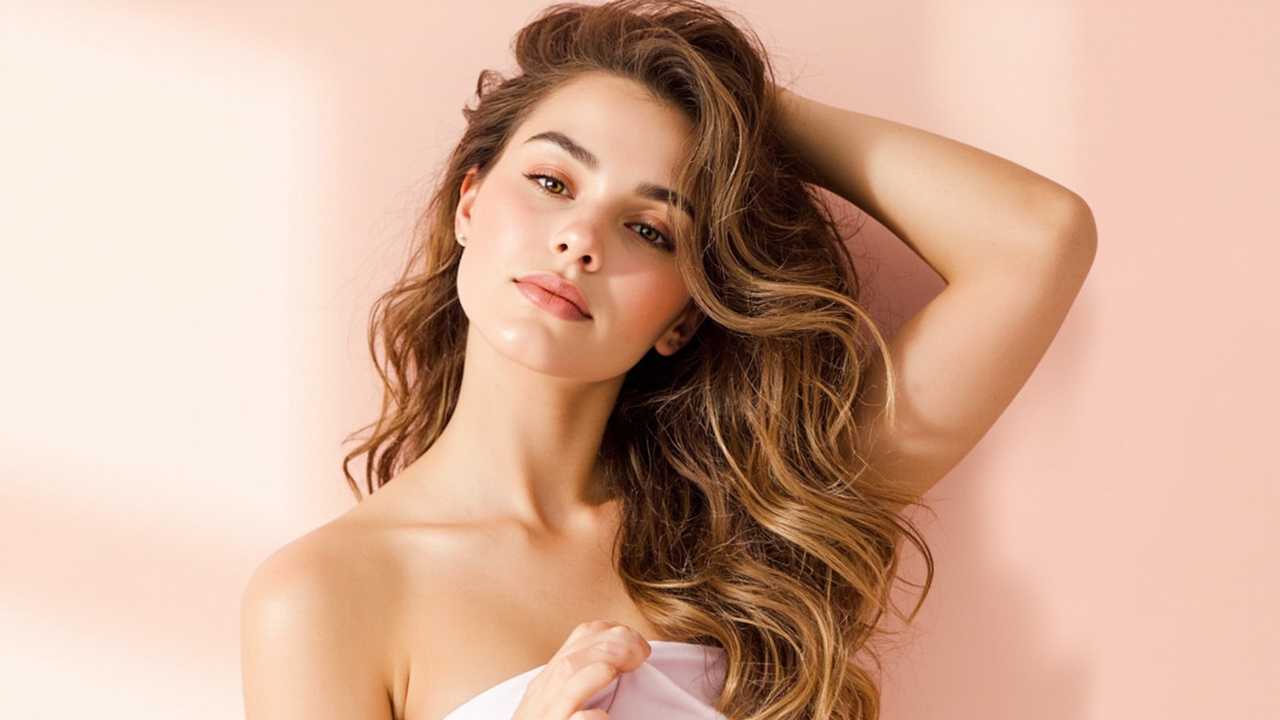
For those who want instant results, heat tools offer precision and speed. However, the AAD warns that temperatures above 300°F can weaken the hair’s protein structure. Always use a thermal protectant and limit heat styling to once or twice per week.
Curling Wand Waves
A curling wand is the most versatile tool for creating beach waves hair. Unlike a traditional curling iron, a wand lacks a clamp, which prevents crimp marks and allows for more natural-looking waves.
How to do it:- 1-inch barrel: tight, defined waves
- 1.5-inch barrel: loose, beachy waves
- 2-inch barrel: soft, voluminous waves
Crimping Iron Waves
The crimping iron has evolved from its 80s reputation. Modern crimpers have wider plates that create subtle, textured waves rather than tight zigzags. This method adds volume and grip, making it ideal for fine or limp hair.
How to do it:Crimping iron waves are excellent for creating a “surfer girl” texture that holds well in humidity.
Soft Waves Hairstyle with a Flat Iron
A flat iron is not just for straightening. By twisting the wrist while gliding down the hair, you can create soft, sweeping waves. This technique is called the “twist and slide” method.
How to do it:This method works best on hair that is already slightly wavy or has been pre-dried with a diffuser.
How to Create a Natural Wavy Hair Routine
If you have naturally wavy hair, the goal is not to create waves but to enhance and maintain them. A consistent natural wavy hair routine can reduce frizz, define your pattern, and improve hair health.
Step 1: Cleanse Gently
Use a sulfate-free shampoo to avoid stripping natural oils. The AAD recommends washing wavy hair no more than 2–3 times per week. Over-washing can lead to dryness and frizz.
Step 2: Condition and Detangle
Apply a moisturizing conditioner and detangle with a wide-tooth comb while the conditioner is still in. Rinse with cool water to seal the cuticle.
Step 3: Apply Styling Products on Wet Hair
For best results, apply products when hair is soaking wet. This allows even distribution and locks in moisture.
Product layering order:Step 4: Scrunch and Dry
Scrunch the hair upward toward the scalp to encourage wave formation. Then, either air dry or use a diffuser on low heat.
Step 5: Protect While Sleeping
Sleep on a silk pillowcase or wrap your hair in a silk scarf. This reduces friction and prevents waves from flattening overnight.
Step 6: Refresh Between Washes
On non-wash days, spritz hair with a water and leave-in conditioner mix. Rescrunch to revive waves without starting over.
Frequently Asked Questions
Can I get wavy hair if my hair is naturally straight?
Yes. While genetics determine your natural hair texture, you can achieve temporary waves using heat or heat-free methods. Repeated styling can also train the hair to hold a wave pattern over time, though this is not permanent.
How long do heatless waves last?
Heatless waves typically last one to two days, depending on your hair type and the method used. Braids for waves tend to last longer on fine hair, while salt spray waves may fade faster on coarse hair due to its weight.
Is it safe to use heat on wavy hair every day?
No. The AAD advises against daily heat styling. Frequent exposure to high temperatures can damage the cuticle, leading to breakage, split ends, and loss of natural wave pattern. Limit heat styling to once or twice per week.
What is the best product for beach waves hair?
A sea salt spray combined with a lightweight mousse is the most effective combination for beach waves hair. The salt adds texture, while the mousse provides hold without weighing hair down. Look for products that also contain moisturizing ingredients like aloe vera or glycerin.
How do I fix frizzy wavy hair?
Frizz occurs when the cuticle is raised and moisture enters unevenly. To reduce frizz, use a leave-in conditioner with humectants, avoid brushing dry hair, and sleep on silk. A 2019 study in Cosmetics found that silicone-based serums can temporarily smooth the cuticle, but they should be used sparingly to avoid buildup.
Conclusion
You May Also Like
Explore more articles in our Health collection:
- Best Nail Repair Kit: Fix Cracks, Splits, and Breaks at Home
- Best Neck Cream for Hyperpigmentation: Expert Guide & Top Picks for 2024
- Best Powder Foundation for Fine Hair: A Complete Guide to Weightless Coverage
Achieving wavy hair is no longer a mystery. Whether you prefer heatless waves for their safety or curling wand waves for their precision, there is a method for every hair type and lifestyle. The key is to match the technique to your hair’s natural texture, density, and health status.
Actionable takeaways:- For low-damage results, use braids for waves or sock curls overnight.
- For instant beach waves hair, a curling wand with a 1.5-inch barrel is ideal.
- For natural texture, follow a consistent natural wavy hair routine with sulfate-free products and a diffuser.
- Always use a heat protectant and limit heat styling to protect long-term hair health.
- If you have concerns about hair damage or scalp health, consult a board-certified dermatologist.
Remember, the best wavy hair tutorial is the one that fits your routine and respects your hair’s limits. Experiment with different methods, and you will find your signature wave.
References
Disclaimer: This article is for informational purposes only and does not constitute medical advice. Always consult a qualified healthcare professional or board-certified dermatologist before making changes to your hair care routine, especially if you have underlying scalp conditions or are experiencing hair loss.
Medically Reviewed By
Dr. Emily Rodriguez, MD — Clinical DermatologistDr. Rodriguez specializes in acne and rosacea treatment. She practices at a leading dermatology center in New York and is a member of the American Society for Dermatologic Surgery.
This article was medically reviewed on 2026-06-09 for accuracy and completeness.
Medical Disclaimer: This article is for informational purposes only and does not constitute medical advice. Always consult a qualified healthcare provider for diagnosis and treatment of any medical condition. Individual results may vary.Related Tools
Try these free calculators and quizzes to personalize your routine: