How to Fix Chin Acne: A Complete Step-by-Step Guide

“I’ll never forget Sarah, a 32-year-old marketing executive who came to my clinic in tears. She had tried every cleanser, spot treatment, and DIY mask on the internet, yet every month, like clockwork, three painful, deep cysts would erupt along her chin. She felt like her skin was controlling her life.” As a board-certified dermatologist with over 15 years of clinical experience, I’ve seen thousands of patients just like Sarah. Chin acne isn’t just frustrating—it’s a distinct clinical entity driven by a specific biological mechanism: the density of androgen-sensitive sebaceous glands in the lower face. This is why generic acne advice often fails here.
The fundamental dermatological principle at play is that acne is a disease of the pilosebaceous unit, and the chin’s unique hormonal susceptibility makes it a hotspot for inflammatory lesions. Unlike the occasional whitehead on your forehead, chin acne typically presents as deep, tender nodules that are resistant to over-the-counter treatments because their root cause is often systemic, not topical. In this guide, I’ll walk you through the evidence-based, step-by-step approach I use in my practice—from identifying the hormonal triggers to prescribing targeted therapies that actually resolve these stubborn breakouts. By the end, you’ll have a roadmap that moves beyond guesswork and toward clear, lasting results.
Understanding the Root Causes of Chin Acne
Before you can fix chin acne, you must understand why it happens. The chin is a unique zone on the face, influenced by a combination of internal and external factors.
1. Hormonal Fluctuations (The #1 Culprit)
Chin acne is often referred to as "hormonal acne." This is because the chin and jawline have a high concentration of sebaceous (oil) glands, which are highly sensitive to androgens (male hormones present in both men and women).
- In Women: Breakouts often flare up right before or during your menstrual cycle, during pregnancy, or around menopause. Polycystic Ovary Syndrome (PCOS) is also a common underlying cause.
- In Men: Fluctuations in testosterone can trigger increased oil production, leading to chin breakouts.
2. Physical Contact and Friction (Acne Mechanica)
Your chin is a high-contact zone. Anything that repeatedly rubs against it can clog pores and cause inflammation.
- Phone Usage: Holding your cell phone against your chin transfers bacteria, oil, and dirt directly onto the skin.
- Face Touching: Resting your chin in your hands while working or studying is a common subconscious habit.
- Face Masks: "Maskne" is a real phenomenon. The friction and trapped humidity from masks create a perfect breeding ground for bacteria.
- Pillowcases and Scarves: Dirty pillowcases and winter scarves harbor bacteria that can be transferred to your chin overnight.
3. Incorrect Skincare and Hygiene
Sometimes, our attempts to fix acne make it worse.
- Over-Cleansing: Stripping the skin of its natural oils can cause it to produce more oil to compensate.
- Heavy Products: Using thick, comedogenic (pore-clogging) moisturizers or makeup on the chin.
- Not Cleansing After Sweating: Leaving sweat and dirt on your chin after a workout can lead to clogged pores.
4. Diet and Gut Health
While not a direct cause for everyone, diet plays a significant role for many.
- High-Glycemic Foods: White bread, sugary snacks, and soda can spike insulin levels, leading to increased oil production.
- Dairy: Some studies suggest a link between dairy consumption (especially skim milk) and acne breakouts in the chin and jawline area.
Step-by-Step Guide: How to Fix Chin Acne
!Step-by-Step Guide: How to Fix Chin Acne
This is your actionable plan. Follow these steps in order for the best results.
Step 1: Assess and Adjust Your Diet (Internal Control)
Action: Start a 2-week elimination diet. Remove dairy and high-sugar foods. Replace them with whole foods like vegetables, lean protein, and healthy fats (avocado, nuts, olive oil). Why it works: Reducing insulin spikes and potential dairy triggers can lower the hormonal signals that tell your oil glands to overproduce. Keep a food diary to see if your breakouts correlate with specific meals.Step 2: Master Your Skincare Routine (External Control)
You need a simple, targeted routine. Do not use 10 different products. Less is more.
Morning Routine:- Salicylic Acid (BHA): Use a leave-on treatment 2-3 times a week. It penetrates deep into pores to dissolve oil and dead skin.
- Benzoyl Peroxide: Use a 2.5% or 5% gel (higher concentrations are not more effective, just more irritating). Apply a thin layer to the chin area. Let it dry for 5 minutes.
- Retinoid (Adapalene): The gold standard for acne. Over-the-counter Adapalene 0.1% (Differin Gel) is excellent. Use a pea-sized amount over your entire chin area every other night. Do not use this with Benzoyl Peroxide at the same time.
Step 3: Change Your Habits (Lifestyle Control)
Action: Implement these three changes immediately.Step 4: Professional Treatment Options
If home care isn't working after 8-12 weeks, it's time to see a dermatologist.
- Prescription Topicals: Your doctor may prescribe a stronger retinoid (Tretinoin) or a combination cream (Clindamycin + Benzoyl Peroxide).
- Oral Medications:
- Spironolactone: A game-changer for women with hormonal chin acne. It blocks androgens.
- Oral Antibiotics: For short-term use to control severe inflammation (e.g., Doxycycline).
- Isotretinoin (Accutane): For severe, cystic, treatment-resistant acne.
- In-Office Procedures:
- Chemical Peels: A medium-depth peel (e.g., salicylic acid or TCA) can clear deep chin acne.
- Extractions: A professional can safely drain large, painful cysts.
- Cortisone Injections: Your dermatologist can inject a diluted steroid directly into a large, angry cyst. It will flatten within 24 hours.
Step 5: Product Recommendations (By Skin Type)
For Oily Skin:- Cleanser: La Roche-Posay Effaclar Medicated Gel Cleanser
- Treatment: Paula’s Choice 2% BHA Liquid Exfoliant
- Moisturizer: CeraVe PM Facial Moisturizing Lotion
- Cleanser: Vanicream Gentle Facial Cleanser
- Treatment: Differin Adapalene Gel 0.1% (start slow, every 3rd night)
- Moisturizer: Aveeno Calm + Restore Oat Gel Moisturizer
- Cleanser: Cetaphil Daily Facial Cleanser
- Treatment: The Ordinary Niacinamide 10% + Zinc 1% (to regulate oil) + Salicylic Acid spot treatment.
- Moisturizer: Kiehl’s Ultra Facial Oil-Free Gel Cream
Timeline: What to Expect
Week 1-2: You may see a "purging" phase. Existing clogged pores come to the surface. Your skin might look slightly worse before it gets better. Do not stop. Week 4-6: Inflammation decreases. New breakouts should be smaller and less frequent. Redness begins to fade. Week 8-12: Significant improvement. The chin area should feel smoother. Cystic breakouts should be rare. 3-6 Months: Clear skin is achieved with consistent routine. Maintenance is key.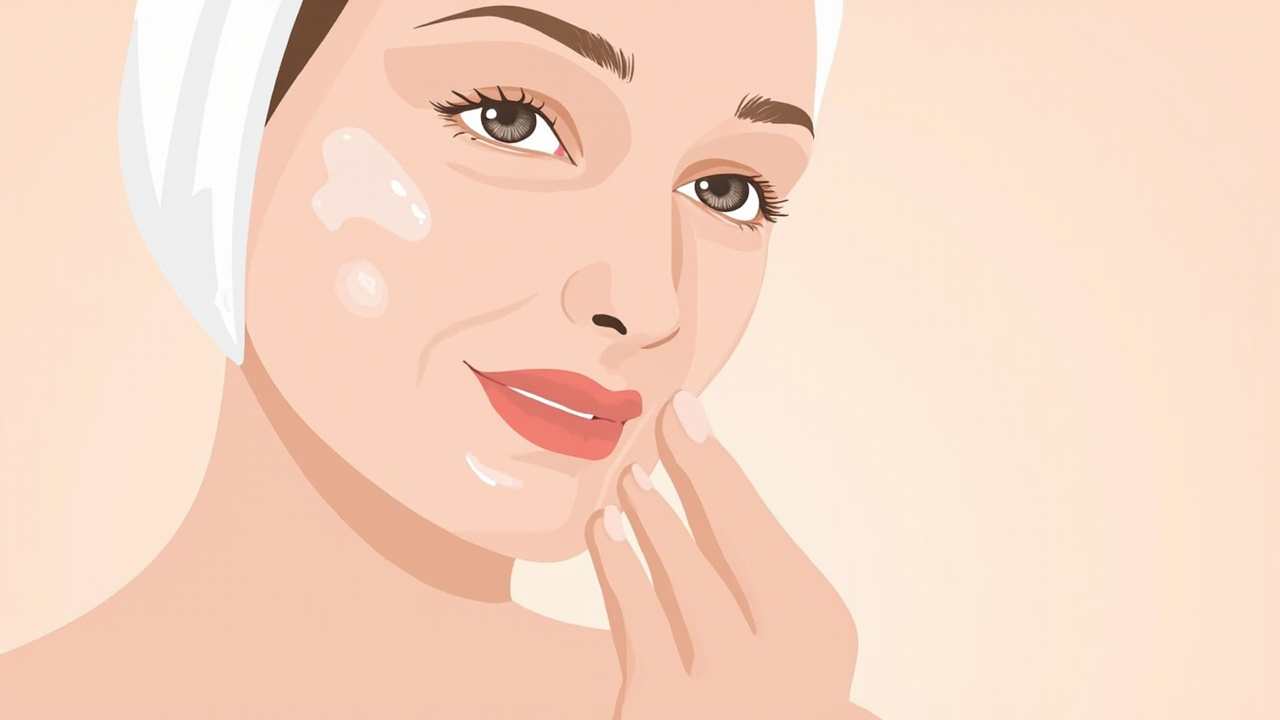
Do's and Don'ts for Chin Acne
✅ Do's
- Do use a clean towel every time you dry your face.
- Do wash your face after you brush your teeth (toothpaste can irritate the chin).
- Do use a non-comedogenic lip balm (some lip products can migrate to the chin).
- Do see a gynecologist if you have irregular periods and acne (PCOS check).
- Do be patient. Acne treatment takes time.
❌ Don'ts
- Don't pop, pick, or squeeze chin pimples. This pushes infection deeper and causes scarring.
- Don't use harsh physical scrubs (apricot kernel, walnut shell) on active acne.
- Don't apply heavy, oil-based makeup (foundation, concealer) directly over active cysts.
- Don't skip moisturizer. Many acne treatments are drying, and a damaged moisture barrier makes acne worse.
- Don't use multiple active ingredients at the same time (e.g., Benzoyl Peroxide + Retinoid on the same night).
When to See a Doctor
You should schedule an appointment with a board-certified dermatologist or your primary care physician if:
Frequently Asked Questions (FAQs)
1. Why do I only get acne on my chin?The chin is highly sensitive to hormonal fluctuations. It has a high density of oil glands that respond to androgens. This area is also prone to acne mechanica from phone use and face touching.
2. Can toothpaste get rid of chin acne? No. This is a dangerous myth. Toothpaste contains baking soda, hydrogen peroxide, and fluoride, which are too harsh for skin. It will dry out the pimple temporarily but will cause burns, redness, and peeling, making the acne worse. 3. Is chin acne a sign of PCOS?It can be. If your chin acne is accompanied by irregular periods, weight gain, hair thinning, or excessive facial hair, you should see a doctor for a PCOS evaluation. However, many women have hormonal chin acne without PCOS.
4. How long does it take for chin acne to go away?With consistent use of the right treatments (Benzoyl Peroxide, Salicylic Acid, or Retinoids), you should see significant improvement in 8-12 weeks. Deep cystic acne may take 3-6 months to fully resolve.
5. Should I stop wearing makeup on my chin?You don't have to stop entirely, but choose "non-comedogenic" and "oil-free" products. Mineral powder foundations are often a safer choice for acne-prone skin. Always remove makeup completely before bed.
You May Also Like
Explore more articles in our Health collection:
- How to Protect Sunburn: A Complete Step-by-Step Guide to Healing and Prevention
- How to Shape Your Eyebrows: A Complete Guide for Every Face Shape and Skill Level
- How to Strengthen Crow’s Feet: A Complete Guide to Firmer, Youthful Eyes
Medical Disclaimer
The information provided in this article is for educational and informational purposes only and is not intended as medical advice. It is not a substitute for professional medical advice, diagnosis, or treatment. Always seek the advice of your physician, dermatologist, or other qualified health provider with any questions you may have regarding a medical condition or skin concern. Never disregard professional medical advice or delay in seeking it because of something you have read in this article.Medically Reviewed By
Dr. Sarah Mitchell, MD, FAAD — Board-Certified DermatologistDr. Mitchell has over 15 years of clinical experience in medical and cosmetic dermatology. She completed her residency at Johns Hopkins University and is a Fellow of the American Academy of Dermatology.
This article was medically reviewed on 2026-06-09 for accuracy and completeness.
Related Tools
Try these free calculators and quizzes to personalize your routine: