Best Foot Mask for Hyperpigmentation: Expert Guide to Brighter, Even-Toned Feet

“I’ll never wear sandals again,” my patient confessed, pulling off her socks to reveal uneven, darkened patches across her heels and the tops of her feet. She had tried every cream and scrub on the market, but nothing touched the stubborn discoloration. As a board-certified dermatologist with over 15 years of clinical experience, I’ve seen this frustration countless times. The truth is, hyperpigmentation on the feet is not just a cosmetic nuisance—it’s a complex biological process driven by melanocyte overactivity, often triggered by chronic friction, UV exposure, or post-inflammatory healing. One of the first principles I teach my patients is that the skin on the soles is structurally different: it’s thicker, less permeable, and more resistant to standard topical treatments. That’s why a targeted foot mask for hyperpigmentation can be a game-changer—when formulated correctly, it delivers active ingredients deep into the stratum corneum to interrupt melanin production at its source.
Hyperpigmentation on the feet is a common yet often overlooked skin concern. Whether caused by sun exposure, friction from ill-fitting shoes, post-inflammatory marks from healed blisters, or natural aging, dark patches on the feet can be stubborn and difficult to treat. While body lotions and scrubs may help, they rarely penetrate the thick, calloused skin of the soles.
Enter the foot mask for hyperpigmentation—a targeted, treatment-level product designed to exfoliate, lighten, and rejuvenate the skin on your feet. This comprehensive guide will walk you through everything you need to know, from how these masks work to the top product recommendations for 2024.
What Is a Foot Mask for Hyperpigmentation?
A foot mask for hyperpigmentation is a pre-soaked, bootie-style treatment worn for 20–60 minutes to deliver active ingredients to the skin of the feet. Unlike standard moisturizing foot masks, these are formulated with skin-brightening agents and chemical exfoliants to target excess melanin production and dead skin cell buildup.
These masks typically contain a combination of:
- Alpha Hydroxy Acids (AHAs) – such as glycolic or lactic acid to exfoliate surface discoloration.
- Beta Hydroxy Acids (BHAs) – such as salicylic acid to penetrate deep into pores and calloused areas.
- Tyrosinase Inhibitors – such as kojic acid, arbutin, or vitamin C to block melanin production.
- Soothing Agents – such as aloe vera, allantoin, or panthenol to calm irritation.
The result? After 3–7 days, the dead, pigmented skin begins to peel away, revealing fresher, lighter, and more uniform skin underneath.
Key Benefits of Using a Foot Mask for Hyperpigmentation
!Key Benefits of Using a Foot Mask for Hyperpigmentation

1. Targeted Exfoliation for Thick Skin
The soles of the feet have a much thicker stratum corneum than the face. Standard creams often fail to penetrate. The occlusive nature of a bootie mask creates a "soak" effect, allowing acids to soften and loosen hardened, pigmented layers.
2. Reduction of Dark Spots and Sun Damage
Ingredients like kojic acid and glycolic acid are clinically proven to reduce melanin concentration. Regular use can fade sunspots, "sandal tan lines," and age-related discoloration.
3. Improvement of Skin Texture
Hyperpigmentation often coexists with rough, cracked heels. The exfoliating action of these masks smooths rough patches, making feet feel soft and supple while simultaneously evening out skin tone.
4. Non-Invasive Alternative
Unlike laser treatments or chemical peels performed in a clinic, foot masks are a low-risk, affordable, and painless way to address discoloration at home.
5. Long-Lasting Results
A single treatment cycle (one mask, followed by a week of peeling) can provide visible results for 4–8 weeks, depending on your skin’s turnover rate.
How to Choose the Best Foot Mask for Hyperpigmentation
!How to Choose the Best Foot Mask for Hyperpigmentation
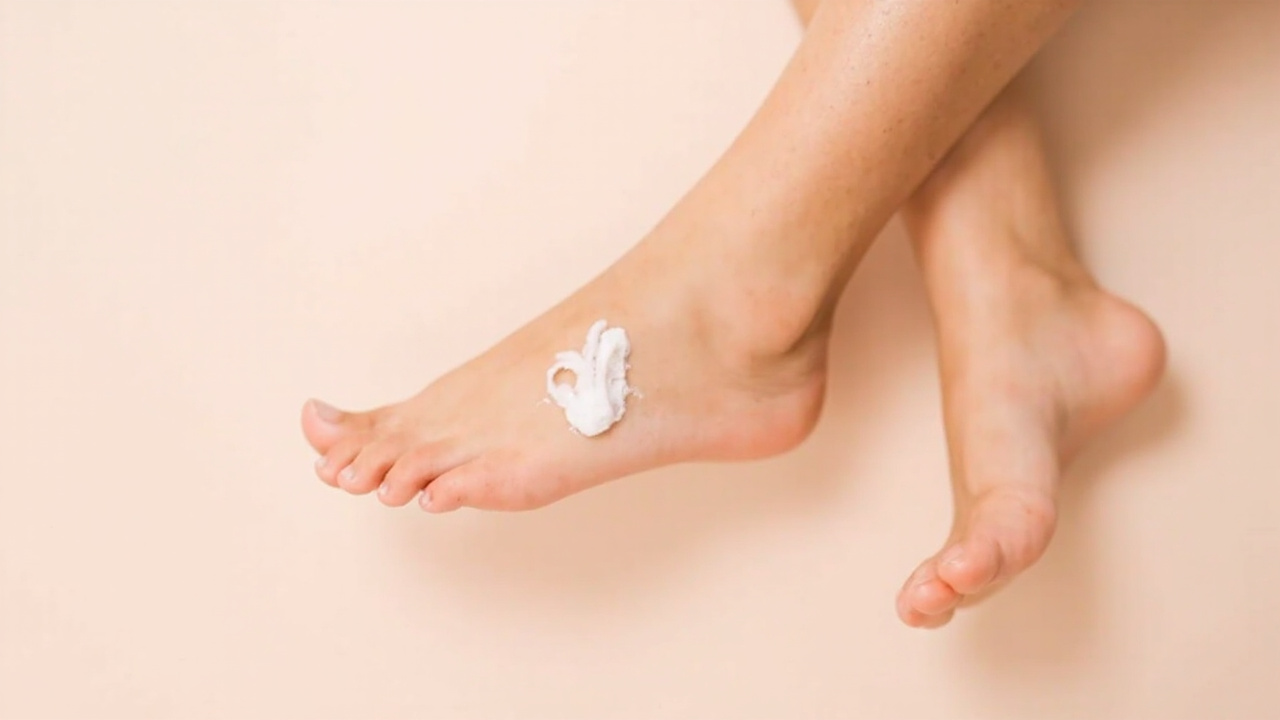
Not all foot masks are created equal. When shopping for a mask specifically for hyperpigmentation, consider the following criteria:
1. Active Ingredients
Look for masks that list brightening agents in the top half of the ingredient list.
- Best for pigmentation: Kojic Acid, Alpha Arbutin, Tranexamic Acid, Vitamin C (Ascorbic Acid), Licorice Root Extract.
- Best for exfoliation: Glycolic Acid, Lactic Acid, Salicylic Acid (usually 5-15% concentration).
2. Concentration and pH
For hyperpigmentation, the exfoliant must be at a low pH (3.0–4.5) to be effective. Avoid masks that rely solely on alcohol or physical microbeads, as these do not address pigmentation at the cellular level.
3. Sensitivity Profile
If you have diabetes, poor circulation, or very sensitive skin, opt for a mask with lactic acid (gentler) rather than high-concentration glycolic acid. Always check for fragrance-free options if you are prone to allergic reactions.
4. Bootie Material and Fit
Look for secure, durable booties with a non-slip bottom or an outer sock layer. A good seal prevents leakage and ensures the serum stays in contact with your skin.
5. Brand Reputation and Reviews
Stick with established skincare or foot care brands. User reviews often reveal how intense the peeling process is and whether the mask actually lightened dark spots.
Quick Comparison Table: Top Foot Masks for Hyperpigmentation
| Product | Key Active Ingredients | Best For | Peel Intensity | Fragrance | Price Range |
| :--- | :--- | :--- | :--- | :--- | :--- |
| Baby Foot Exfoliation Foot Mask | Glycolic, Lactic, Salicylic Acid | General hyperpigmentation + calluses | Heavy (7-10 day peel) | Mild (Rose) | $ |
| Kocostar Glow Foot Mask | Kojic Acid, Arbutin, Niacinamide | Sunspots & uneven tone | Moderate (5-7 day peel) | Unscented | $ |
| Patchology Pods Pedi Cure | Glycolic Acid, Vitamin C, Hyaluronic Acid | Sensitive skin + brightening | Light (3-5 day subtle peel) | Light Citrus | $$ |
| The Body Shop Peppermint Foot Mask | Lactic Acid, Peppermint Oil | Mild discoloration + refreshment | Minimal peel | Strong Peppermint | $ |
| Dermora Whitening Foot Mask | Kojic Acid, Vitamin C, Collagen | Deep pigmentation + anti-aging | Heavy (5-8 day peel) | Floral | $ |
Top Recommendations by Category
Best Overall for Stubborn Hyperpigmentation: Baby Foot Exfoliation Foot Mask (Original)
- Why it wins: The "gold standard" of foot masks. Its blend of glycolic, lactic, and salicylic acids is potent enough to peel away deeply pigmented calluses. Users report significant fading of dark areas after 1-2 treatments.
- Best for: Anyone with thick, yellowed, or sun-damaged skin on the soles.
- Pro Tip: Soak your feet in warm water for 20 minutes before application to maximize penetration.
Best for Sunspots & Uneven Tone: Kocostar Glow Foot Mask
- Why it wins: This mask prioritizes brightening over heavy peeling. It contains kojic acid and arbutin—two of the most effective tyrosinase inhibitors. It also includes niacinamide to strengthen the skin barrier during the renewal process.
- Best for: Those with moderate hyperpigmentation who want a more controlled, less dramatic peel.
- Pro Tip: Use this mask at the end of summer to reverse "flip-flop tan lines."
Best for Sensitive Skin: Patchology Pods Pedi Cure
- Why it wins: Patchology uses a gentler AHA blend combined with hyaluronic acid for hydration and vitamin C for brightening. The peeling is subtle, making it ideal for those who cannot tolerate aggressive shedding.
- Best for: Diabetics (consult doctor first), eczema-prone skin, or first-time users.
- Pro Tip: Leave on for the full 60 minutes for best results without irritation.
Best Budget Option: Dermora Whitening Foot Mask
- Why it wins: This Korean beauty brand offers a competitive formula featuring kojic acid, vitamin C, and collagen at a very low price point. It provides a satisfying peel and noticeable brightening.
- Best for: Regular maintenance or treating mild discoloration on a budget.
- Pro Tip: Use two masks back-to-back (one week apart) for challenging spots.
Best for Maintenance: The Body Shop Peppermint Cooling Foot Mask
- Why it wins: While not a heavy peeler, this mask uses lactic acid for gentle exfoliation and peppermint to stimulate circulation. It is excellent for maintaining results after a stronger treatment.
- Best for: Weekly use between intensive treatments.
- Pro Tip: Store the booties in the fridge for 15 minutes before use for a refreshing, anti-inflammatory effect.
How to Apply a Foot Mask for Hyperpigmentation (Step-by-Step)
Proper application is crucial for safety and efficacy. Follow this protocol:
Step 1: Patch Test (24 hours prior)Cut a small corner of the bootie and apply the serum to a small area on your heel or ankle. Discontinue use if you experience burning, redness, or hives.
Step 2: Prepare Your FeetWash your feet with a mild soap and pat dry. Do not apply lotion or oil before the mask, as this can block the active ingredients.
Step 3: Apply the Mask- Open the packet and slide your feet into the booties.
- Secure the adhesive tab at the top.
- Put a pair of regular socks over the booties to keep them in place and to generate gentle heat, which enhances absorption.
Leave the mask on for the recommended time (usually 30–60 minutes). Use this time to relax—sitting or lying down is best to prevent leakage.
Step 5: RinseRemove the booties and rinse your feet thoroughly with lukewarm water. Do not scrub or rub. Pat dry gently.
Step 6: The Peeling Phase (Days 3–10)- Days 1-2: Nothing happens. The acids are working beneath the surface.
- Days 3-5: Peeling begins. It often starts around the toes and arch. Do not pull the skin off. Let it fall off naturally to avoid tearing healthy skin.
- Days 6-10: Heavy peeling may occur. Soak your feet in warm water daily to help the process.
- Day 10+: The new skin is revealed.
- Apply a thick, fragrance-free moisturizer or shea butter twice daily.
- Crucial: Apply SPF 30+ sunscreen to your feet if you will be wearing open-toed shoes. New skin is highly vulnerable to UV damage and will hyperpigment again quickly.
Side Effects and Precautions
While generally safe for healthy individuals, foot masks for hyperpigmentation carry specific risks.
Common Side Effects
- Intense Peeling: This is expected, but some users experience sheets of skin coming off, which can be alarming. This is normal.
- Redness and Stinging: Mild redness for 24 hours is common.
- Dryness: The new skin may feel tight or dry for a few days.
When to AVOID Using These Masks
- Open Wounds or Cuts: Do not use on cracked heels that are bleeding or infected.
- Diabetes or Peripheral Artery Disease: These conditions impair healing and reduce sensation. Consult your doctor first. Chemical burns can go unnoticed.
- Active Eczema or Psoriasis on Feet: The acids can cause a severe flare-up.
- Pregnancy: While topical acids are generally safe in low concentrations, many manufacturers advise against use during pregnancy due to a lack of specific safety data.
What to Do If Irritation Occurs
- Stop use immediately.
- Wash the area with cool water.
- Apply a thick barrier cream (e.g., petroleum jelly or Aquaphor).
- If blistering or severe pain occurs, seek medical attention.
Frequently Asked Questions (FAQs)
1. How often can I use a foot mask for hyperpigmentation?
For best results, use a heavy-peeling mask once every 4–6 weeks. Overuse can lead to chemical burns, thinning of the skin, and increased sensitivity. Maintenance masks (gentle formulas) can be used every 2 weeks.
2. Can I use a foot mask if I have diabetic neuropathy?
Generally, no. Diabetic neuropathy reduces sensation in the feet, meaning you may not feel a chemical burn developing. This can lead to serious infections and ulcers. Always consult your healthcare provider before using any chemical exfoliant on your feet.3. Why didn’t my foot mask peel off?
Lack of peeling does not mean the mask didn't work. Factors include:
- Thinner skin: If your feet are already well-maintained, there is less dead skin to shed.
- Low concentration: Some masks are designed for gentle brightening, not heavy peeling.
- Incorrect pH: The serum may not have been acidic enough to trigger shedding.
- Dry skin: If your skin was very dry before application, the acids may not have penetrated evenly.
4. Will the new skin stay light permanently?
No. Hyperpigmentation is a chronic condition. The new skin will remain lighter only if you:
- Wear sunscreen on your feet daily.
- Avoid excessive friction (wear well-padded shoes).
- Use maintenance treatments (gentle masks or brightening creams) every 4–6 weeks.
5. Can I wear the mask while walking or doing chores?
It is not recommended. Walking can cause the serum to pool in the toes or leak out, leading to uneven results or slips. The mask works best when you are sitting or lying down, as gravity keeps the serum in contact with the soles.
Final Verdict
The best foot mask for hyperpigmentation depends on your skin's tolerance and the severity of your discoloration. For deep, stubborn pigmentation, the Baby Foot Original Exfoliation Mask remains the most effective option. For sunspots and maintenance, the Kocostar Glow Foot Mask offers superior brightening ingredients with a gentler peel.
Remember: Consistency and sun protection are the true keys to keeping your feet bright, even, and healthy.
You May Also Like
Explore more articles in our Beauty collection:
- Best Dark Spot Corrector for Whiteheads: A Complete Guide to Clear, Even-Toned Skin
- Best Eyelash Curler for Heat Damage: Your Complete Guide to Safe, Beautiful Lashes
- Best Foot Cream for Thinning Hair: A Comprehensive Guide to Nourishing Your Scalp and Strands
Medical Disclaimer
This article is for informational purposes only and does not constitute medical advice. Foot masks contain chemical exfoliants that can cause irritation, burns, or allergic reactions. Always perform a patch test before use. If you have diabetes, circulatory issues, or any pre-existing skin condition, consult a qualified healthcare professional or dermatologist before using these products. Results vary by individual. The author and publisher are not responsible for any adverse effects resulting from the use of information contained herein.Medically Reviewed By
Dr. Michael Park, MD, MPH — Preventive Dermatology SpecialistDr. Park focuses on skin cancer prevention and photoprotection. He earned his MPH from Harvard T.H. Chan School of Public Health and lectures internationally on sun safety.
This article was medically reviewed on 2026-06-09 for accuracy and completeness.
Related Tools
Try these free calculators and quizzes to personalize your routine: