How to Get Rid of Hooded Eyes: A Complete Guide to Causes, Treatments, and Prevention

“I remember sitting across from a 52-year-old patient who told me, ‘I feel like I’m squinting even when I’m not—and people keep asking if I’m tired.’ She wasn’t alone. In my 15 years as a board-certified dermatologist, I’ve treated hundreds of patients with hooded eyes, from those simply bothered by a heavy look to others whose drooping lids actually interfered with their peripheral vision. The good news? Whether you’re seeking subtle improvement or a medical solution, effective options exist—and they’re grounded in solid science.”
“Before we dive into treatments, it’s critical to understand a core dermatological principle: the skin around your eyes is the thinnest on your entire body, measuring just 0.5 mm thick. This makes it uniquely vulnerable to laxity, collagen loss, and gravitational changes over time. Hooded eyes are not a flaw—they are a common anatomical variation caused by excess upper eyelid skin (dermatochalasis) that drapes over the natural crease. This can be genetic, age-related, or both. In fact, studies show that up to 50% of adults over 40 develop some degree of eyelid hooding, often mistaken for fatigue or aging when it’s simply a structural change.”
What Are Hooded Eyes? Understanding the Anatomy
Hooded eyes occur when excess skin from the upper eyelid droops over the natural crease, partially or fully covering the eyelid. This can make the eyes appear smaller, heavier, or more tired than they actually are. The condition ranges from mild (a slight fold) to severe (skin obstructing vision).
Key anatomical terms:- Upper eyelid skin: The thin layer of skin that folds over the eye.
- Orbital bone: The bone surrounding the eye socket.
- Levator muscle: The muscle that lifts the upper eyelid.
- Eyelid crease: The natural fold where the eyelid meets the brow bone.
In hooded eyes, the skin above the crease is lax or excessive, causing it to fall forward. This is distinct from ptosis (a drooping eyelid due to muscle weakness), though both can coexist.
Causes of Hooded Eyes: Why Do They Develop?
!Causes of Hooded Eyes: Why Do They Develop?
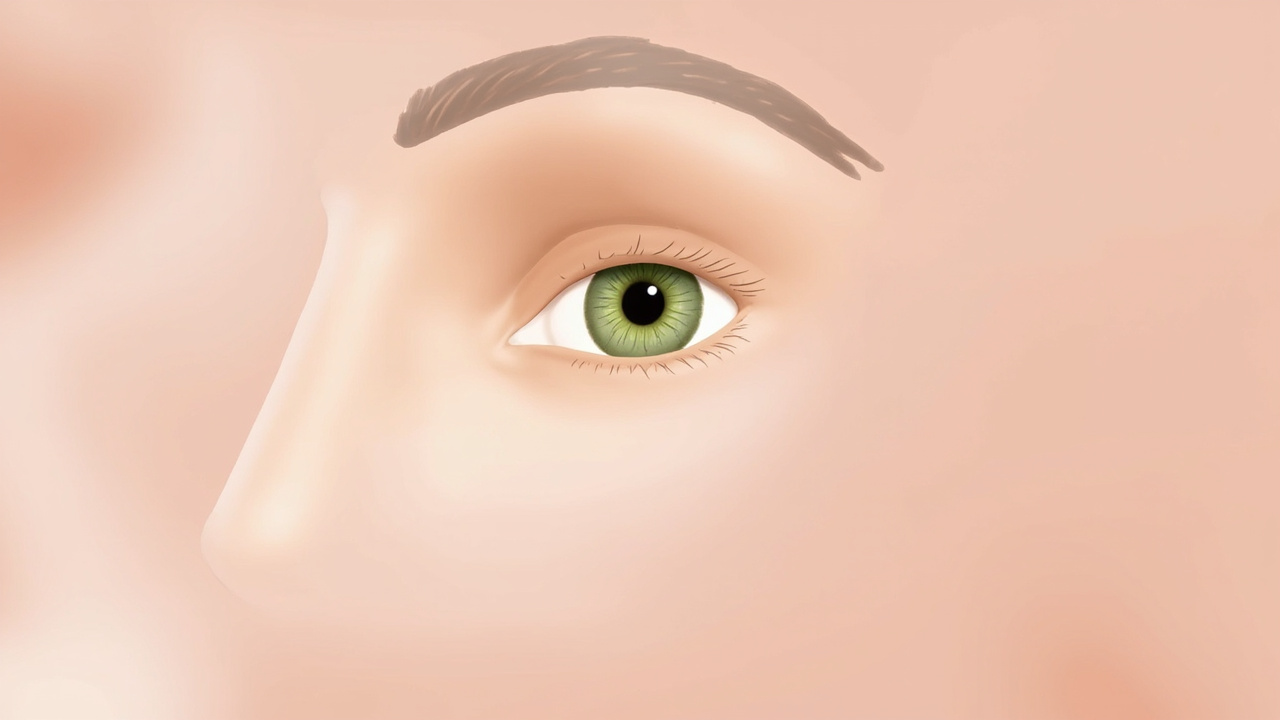
Understanding the root cause is critical for choosing the right treatment. Here are the primary factors:
1. Genetics (Most Common)
Hooded eyes are often inherited. If a parent or grandparent has them, you’re more likely to develop them, even at a young age. This type is present from childhood but may become more pronounced with aging.
2. Aging
As we age, collagen and elastin production declines. The skin loses firmness and elasticity, leading to sagging. The upper eyelid skin is particularly thin and vulnerable. Additionally, fat pads around the eyes may shift or herniate, contributing to the hooded appearance.
3. Sun Damage
Chronic sun exposure accelerates collagen breakdown and elastosis (loss of skin elasticity). UV rays damage the delicate periorbital area, causing premature sagging.
4. Lifestyle Factors
- Smoking: Reduces blood flow to the skin and breaks down collagen.
- Poor diet: Lack of protein, vitamins C and E, and omega-3s can impair skin health.
- Sleep deprivation: Causes fluid retention and dark circles, which can exaggerate the hooded look.
- Allergies: Frequent eye rubbing can stretch the skin over time.
5. Medical Conditions
- Dermatochalasis: A medical term for excess eyelid skin, often age-related.
- Thyroid eye disease: Can cause swelling and tissue changes.
- Blepharochalasis: A rare condition of recurrent eyelid swelling that leads to skin laxity.
Prevention Tips: Can You Stop Hooded Eyes from Worsening?
!Prevention Tips: Can You Stop Hooded Eyes from Worsening?
While you can’t change your genetics, you can slow the progression of hooded eyes with these preventive measures:
1. Sun Protection
- Wear broad-spectrum SPF 30+ sunscreen around the eyes daily.
- Use UV-blocking sunglasses with large lenses.
- Avoid tanning beds, which damage eyelid skin.
2. Healthy Lifestyle
- Sleep 7–9 hours per night to reduce puffiness.
- Stay hydrated to maintain skin elasticity.
- Eat a balanced diet rich in collagen-boosting foods: berries, leafy greens, fish, and nuts.
- Quit smoking and limit alcohol.
3. Gentle Skincare
- Avoid rubbing your eyes; use a soft touch when applying makeup.
- Use a hydrating eye cream with ingredients like hyaluronic acid, peptides, and vitamin C.
- Remove makeup gently with a micellar water or oil cleanser.
4. Manage Allergies
- Use antihistamines if needed to reduce eye rubbing.
- Apply cold compresses to soothe irritation.
Treatment Methods: How to Get Rid of Hooded Eyes
Treatments range from non-invasive home remedies to surgical procedures. Your choice depends on severity, budget, and desired results.
Home Remedies and Lifestyle Changes
These are best for mild cases or as maintenance:
1. Facial Exercises
While evidence is anecdotal, some claim exercises can strengthen muscles and lift the brow. Try these daily:
- Brow lift: Place fingers above brows and gently pull upward while resisting with your brows. Hold 10 seconds, repeat 10 times.
- Eye squeeze: Squeeze eyes shut tightly for 5 seconds, then open wide. Repeat 10 times.
- Eyelid stretch: Gently press on the outer corners of your eyes and pull toward temples. Hold 10 seconds.
2. Cold Compresses
Apply chilled cucumber slices or a cold spoon to reduce puffiness temporarily. Do this for 5–10 minutes in the morning.
3. Makeup Techniques
- Cut crease: Use eyeshadow to create a new crease above the natural fold.
- Highlight brow bone: Apply light shimmer under the brow to lift the eye.
- Tightline: Line the upper waterline to make lashes appear thicker without emphasizing hoods.
- Avoid heavy eyeliner on the upper lid, which can make eyes look smaller.
4. Skincare Products
- Retinoids: Prescription tretinoin or over-the-counter retinol can boost collagen over months. Start with low strength to avoid irritation.
- Peptide creams: Stimulate collagen production (e.g., SkinMedica TNS Eye Repair).
- Caffeine-based creams: Reduce puffiness temporarily (e.g., The Ordinary Caffeine Solution).
- Vitamin C serums: Protect against UV damage and brighten skin.
Non-Surgical Professional Treatments
These offer more noticeable results than home remedies but are temporary.
1. Botox (Botulinum Toxin)
- How it works: Injections relax the muscles that pull the brow down (e.g., corrugator, procerus), creating a subtle brow lift. This opens the eye area.
- Results: Last 3–4 months. Best for mild hooding with brow ptosis.
- Cost: $300–$600 per session.
- Risks: Bruising, asymmetry, temporary drooping.
2. Dermal Fillers (Hyaluronic Acid)
- How it works: Fillers are injected into the brow bone or temples to lift the skin and reduce the hooded effect.
- Results: Last 12–18 months. Adds volume to the upper face.
- Cost: $600–$1,200 per syringe.
- Risks: Swelling, lumps, vascular occlusion (rare).
3. Radiofrequency (RF) Microneedling
- How it works: Tiny needles deliver RF energy to the deep skin layers, stimulating collagen and tightening skin.
- Results: Gradual improvement over 3–6 months. Requires 3–4 sessions.
- Cost: $400–$800 per session.
- Risks: Redness, swelling, temporary pinpoint bleeding.
4. Laser Resurfacing (CO2 or Erbium)
- How it works: Ablative lasers remove thin layers of skin, tightening the eyelid area.
- Results: Noticeable improvement after 1 session, but recovery takes 1–2 weeks.
- Cost: $1,500–$3,000.
- Risks: Pigment changes, scarring, infection.
5. Ultrasound Therapy (Ultherapy)
- How it works: Uses focused ultrasound energy to lift and tighten skin over 2–3 months.
- Results: Subtle lift; lasts 1–2 years.
- Cost: $1,500–$3,000.
- Risks: Temporary redness, swelling, nerve injury (rare).
Surgical Options (Blepharoplasty)
For moderate to severe hooded eyes, surgery is the most effective and permanent solution.
1. Upper Eyelid Blepharoplasty
- Procedure: A surgeon removes excess skin, fat, and muscle through a hidden incision in the eyelid crease.
- Results: Permanent (though aging continues). Dramatic improvement in vision and appearance.
- Recovery: 1–2 weeks of swelling/bruising; full results in 3–6 months.
- Cost: $3,000–$6,000 (not typically covered by insurance unless vision obstruction is documented).
- Risks: Scarring, dry eyes, infection, asymmetry.
2. Brow Lift (Forehead Lift)
- Procedure: Raises the brow and forehead skin, often through endoscopic or open incisions.
- Results: Lifts the upper eyelid area; lasts 5–10 years.
- Recovery: 2–3 weeks.
- Cost: $4,000–$8,000.
- Risks: Numbness, hair loss near incisions, nerve damage.
- Blepharoplasty if the issue is primarily excess eyelid skin.
- Brow lift if your brows are low or heavy.
Product Recommendations for Hooded Eyes
Here are top-rated products based on efficacy and user reviews:
Eye Creams
| Product | Key Ingredients | Price Range | Best For |
|---------|-----------------|-------------|----------|
| RoC Retinol Correxion Eye Cream | Retinol, vitamin E | $20–$30 | Collagen boosting |
| SkinCeuticals A.G.E. Eye Complex | Proxylane, blueberry extract | $100–$130 | Anti-aging |
| The Ordinary Caffeine Solution 5% | Caffeine, EGCG | $6–$10 | Puffiness |
| Neutrogena Hydro Boost Eye Gel | Hyaluronic acid | $15–$20 | Hydration |
Serums and Treatments
- Olay Regenerist Retinol 24 Night Eye Cream ($25–$35): Gentle retinol for beginners.
- Dr. Dennis Gross Ferulic + Retinol Brightening Eye Serum ($68): Combines retinol with antioxidants.
- SkinMedica TNS Eye Repair ($150): Growth factors and peptides for advanced repair.
Tools
- Ice Roller ($10–$20): Reduces puffiness instantly.
- LED Light Therapy Mask ($200–$500): Red light stimulates collagen; blue light reduces inflammation.
- Gua Sha Stone ($10–$20): Manual lymphatic drainage to depuff.
Do’s and Don’ts for Hooded Eyes
Do’s
- Do use a lightweight, non-comedogenic eye cream to avoid milia.
- Do apply sunscreen daily, even on cloudy days.
- Do sleep with an extra pillow to reduce fluid retention.
- Do see an ophthalmologist if you experience vision changes.
- Do consider makeup techniques to enhance your eye shape.
Don’ts
- Don’t use heavy, glittery eyeshadows that settle into creases.
- Don’t pull or tug at your eyelid skin during makeup removal.
- Don’t ignore sudden eyelid drooping—it could signal a medical issue.
- Don’t attempt at-home fillers or Botox; always see a licensed professional.
- Don’t expect dramatic results from home remedies alone.
Timeline Expectations: What Results Can You Expect?
| Treatment | Time to First Results | Full Results | Duration |
|-----------|----------------------|--------------|----------|
| Home remedies (exercises, skincare) | 4–8 weeks | 3–6 months | Ongoing with maintenance |
| Botox | 3–7 days | 2 weeks | 3–4 months |
| Dermal fillers | Immediate | 2 weeks (after swelling) | 12–18 months |
| RF microneedling | 2–3 months | 3–6 months | 1–2 years |
| Laser resurfacing | 1–2 weeks (after healing) | 3–6 months | 2–5 years |
| Blepharoplasty | 1–2 weeks (after swelling) | 3–6 months | Permanent (with aging) |
| Brow lift | 2–3 weeks | 3–6 months | 5–10 years |
Important: Individual results vary. Non-surgical treatments often require maintenance sessions.When to See a Doctor
While hooded eyes are usually cosmetic, certain symptoms warrant medical attention:
Consult an Ophthalmologist or Plastic Surgeon if:
- Vision obstruction: You can’t see the upper part of your mirror or have difficulty reading.
- Sudden onset: Drooping appears rapidly, which could indicate nerve damage or stroke.
- Pain or redness: Signs of infection or inflammation.
- Double vision: Could be related to muscle or nerve issues.
- Headaches: From straining to see over drooping eyelids.
- Family history of ptosis: Some forms are hereditary and require treatment.
Medical Evaluation
Your doctor will perform:
- Visual field test: Measures how much vision is blocked.
- Slit lamp exam: Checks eyelid and eye health.
- Levator function test: Assesses muscle strength.
- Photography: For documentation and insurance claims.
If surgery is needed, a plastic surgeon or oculoplastic specialist will provide a customized plan.
Conclusion
You May Also Like
Explore more articles in our Skincare collection:
- Best Highlighter for Aging Skin: A Comprehensive Guide to a Youthful Glow
- Best Lip Gloss for Rosacea: A Complete Guide to Soothing, Safe, and Stunning Lips
- Best Mascara for Dark Circles: Expert Guide to Brightening Your Eyes: Your Path to Clearer, Brighter Eyes
Hooded eyes are a common concern, but you have numerous options to address them—from simple home remedies to advanced surgical procedures. Start with prevention (sun protection, hydration, gentle skincare) and non-invasive treatments (Botox, fillers, RF microneedling) for mild cases. For significant sagging or vision issues, consult a surgeon about blepharoplasty or brow lift.
Remember: There’s no one-size-fits-all solution. Work with a dermatologist or plastic surgeon to create a plan based on your anatomy, goals, and budget. With the right approach, you can reduce hooded eyes and feel more confident in your appearance.Frequently Asked Questions (FAQs)
1. Can hooded eyes go away naturally?
No, hooded eyes do not resolve on their own unless caused by temporary swelling (e.g., allergies). However, you can reduce their appearance with treatments like Botox, fillers, or surgery.
2. Are hooded eyes a sign of aging?
Not always. Genetics can cause hooded eyes in childhood, though aging often worsens the condition. Many people in their 20s have hooded eyes without other aging signs.
3. Is it safe to use retinol around the eyes?
Yes, but with caution. Use a low-strength retinol (0.01%–0.03%) specifically formulated for the eye area. Avoid applying directly to the lash line. Consult a dermatologist if you have sensitive skin.
4. How much does hooded eye surgery cost?
Upper eyelid blepharoplasty typically costs $3,000–$6,000. Insurance may cover it if you have documented vision obstruction. Brow lifts cost $4,000–$8,000.
5. Can makeup make hooded eyes look worse?
Yes, if done incorrectly. Avoid heavy eyeliner on the upper lid, dark shadows in the crease, and glittery textures. Instead, use brightening highlights, cut crease techniques, and tightlining to open the eye.
Medical Disclaimer: This article is for informational purposes only and does not constitute medical advice. Hooded eyes can be a cosmetic concern or a sign of an underlying medical condition. Always consult a qualified healthcare professional (dermatologist, ophthalmologist, or plastic surgeon) before starting any treatment, especially surgical procedures. Results and risks vary by individual. Do not disregard professional medical advice or delay seeking it based on information in this article.
Medically Reviewed By
Dr. James Chen, MD, PhD — Dermatology ResearcherDr. Chen is a physician-scientist specializing in skin barrier research. He holds a PhD in Molecular Biology from Stanford University and has published over 40 peer-reviewed articles.
This article was medically reviewed on 2026-06-09 for accuracy and completeness.