A Beginner

What Is Frizzy Hair?
Frizzy hair occurs when the outer layer of hair (cuticle) is raised, allowing moisture to enter the hair shaft. This causes the hair to swell and become rough, leading to a frizzy appearance. Healthy hair has flat cuticles that reflect light, making hair smooth and shiny. Frizz is more common in curly or wavy hair because the natural bends in the hair make it harder for cuticles to lie flat.
Common Causes of Frizzy Hair
Humidity and Weather
Humidity is a major cause of frizz. When the air is moist, water molecules bond with the hair's hydrogen bonds, causing the hair to swell. This effect is more pronounced in damaged or porous hair. Weather changes, like rain or high humidity, can trigger frizz even in normally smooth hair.
Hair Damage and Dryness
Damaged hair lacks moisture and has raised cuticles. Common causes include:
- Over-washing
- Heat styling (blow-dryers, flat irons, curling wands)
- Chemical treatments (coloring, perming, relaxing)
- Environmental factors (sun, wind, pollution)
Dry hair absorbs moisture from the air, leading to frizz. The more damaged the hair, the more porous it becomes, and the more frizz-prone it is.
Hair Type and Texture
Curly and coily hair types are naturally more prone to frizz because the hair shaft is twisted, making it difficult for natural oils (sebum) to travel from the scalp to the ends. This leads to dryness and raised cuticles. Fine hair can also frizz easily because it is more delicate and prone to damage.
Essential Products for Frizzy Hair Treatment
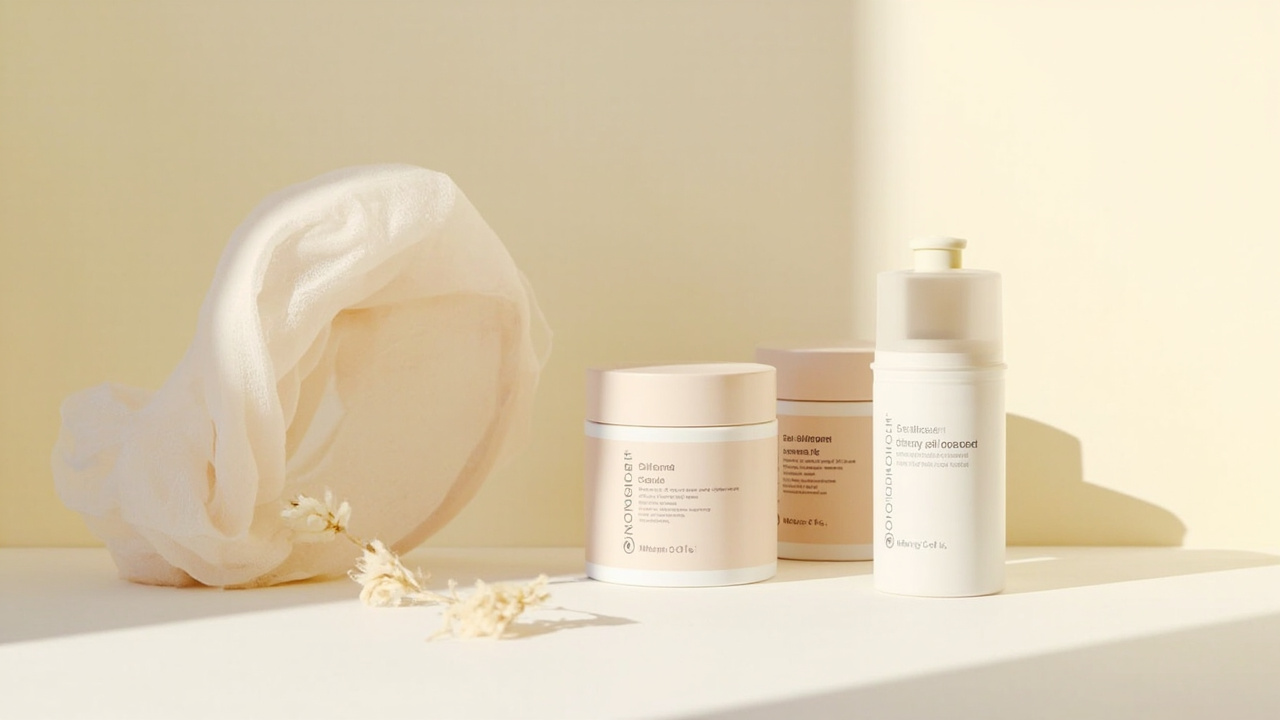
!Essential Products for Frizzy Hair Treatment
Shampoos and Conditioners
Choose sulfate-free shampoos. Sulfates strip natural oils, worsening dryness and frizz. Look for moisturizing ingredients like:
- Glycerin
- Aloe vera
- Shea butter
- Coconut oil
Conditioners should be rich and hydrating. Use a conditioner every time you wash. Deep condition once a week to restore moisture.
Leave-In Conditioners and Serums
Leave-in conditioners provide ongoing hydration and help seal the cuticle. Apply to damp hair after washing. Serums are silicone-based and coat the hair to reduce frizz and add shine. Use a small amount on dry hair to tame flyaways.
Hair Oils and Masks
Natural oils like argan, jojoba, and avocado oil can penetrate the hair shaft and lock in moisture. Use as a pre-wash treatment or a few drops on dry ends. Hair masks are intensive treatments that should be used weekly. They contain proteins and moisturizers to repair damage.
Step-by-Step Frizzy Hair Routine
Washing and Conditioning
Drying Techniques
- Air drying: Apply leave-in conditioner and let hair dry naturally. Avoid touching it while drying.
- Diffusing: Use a blow-dryer with a diffuser attachment on low heat. Dry in sections, scrunching hair upward.
- Plopping: Wrap wet hair in a T-shirt for 20-30 minutes to absorb excess water without disrupting curls.
Never rub hair with a towel. This causes friction and raises cuticles.
Styling Tips
- Use a wide-tooth comb or fingers to detangle wet hair. Never brush dry curly hair.
- Apply a heat protectant before any heat styling.
- Limit heat styling to once a week or less.
- Sleep on a silk or satin pillowcase to reduce friction.
- Use a silk scarf or bonnet at night to protect hair.
DIY Remedies for Frizzy Hair
- Aloe vera gel: Apply fresh aloe vera gel to damp hair. It moisturizes and smooths cuticles.
- Apple cider vinegar rinse: Mix 1 tablespoon ACV with 1 cup water. Use after shampooing to balance pH and close cuticles.
- Coconut oil mask: Warm coconut oil and apply to hair. Leave for 30 minutes before washing. It penetrates the hair shaft and reduces protein loss.
- Avocado and banana mask: Mash half an avocado with half a banana. Apply to hair for 20 minutes. Rich in fatty acids and vitamins.
Note: DIY remedies are not a substitute for professional treatments. They can help but may not work for all hair types.
Lifestyle Tips to Prevent Frizz
- Drink plenty of water to stay hydrated.
- Eat a balanced diet rich in omega-3 fatty acids, vitamins A, C, E, and biotin. These support hair health.
- Avoid over-washing. Wash hair 2-3 times per week.
- Use a humidifier in dry environments to add moisture to the air.
- Protect hair from sun and wind with hats or scarves.
- Trim hair every 6-8 weeks to remove split ends.
When to See a Professional
If your frizz is severe and does not improve with over-the-counter products, consult a dermatologist. They can:
- Diagnose underlying conditions like seborrheic dermatitis or eczema.
- Recommend prescription treatments for scalp issues.
- Suggest professional treatments like keratin treatments or smoothing serums.
A dermatologist can also help if you experience hair loss, itching, or scaling. These may indicate a medical condition requiring treatment.
Key Takeaways
- Frizzy hair is caused by raised cuticles that allow moisture to enter.
- Humidity, damage, and hair type are common causes.
- Use sulfate-free shampoos, moisturizing conditioners, and leave-in products.
- Adopt a gentle hair care routine: wash with cool water, air dry or diffuse, and avoid heat.
- DIY remedies like aloe vera and coconut oil can help.
- Lifestyle changes like diet and humidity control reduce frizz.
- See a dermatologist if frizz persists or is accompanied by other symptoms.
FAQ
Q: Can frizzy hair be permanently fixed?A: No, but it can be managed with proper care. Regular moisturizing and gentle handling reduce frizz significantly.
Q: Is it better to air dry or blow-dry frizzy hair?A: Air drying is gentler. If using a blow-dryer, use a diffuser on low heat to minimize damage.
Q: How often should I wash frizzy hair?A: 2-3 times per week. Over-washing strips natural oils.
Q: Does hair type matter for frizz treatment?A: Yes. Curly and coily hair need more moisture. Fine hair needs lightweight products to avoid weighing it down.
Q: Can diet affect frizz?A: Yes. A diet rich in healthy fats and vitamins supports hair health and can reduce dryness.
Citations
- American Academy of Dermatology Association. (2021). _How to stop damaging your hair_. https://www.aad.org/public/everyday-care/hair-scalp-care/hair/stop-damaging-hair
- Mayo Clinic. (2022). _Hair loss_. https://www.mayoclinic.org/diseases-conditions/hair-loss/symptoms-causes/syc-20372926
- National Institutes of Health. (2020). _Biotin_. https://ods.od.nih.gov/factsheets/Biotin-HealthProfessional/
- PubMed. (2019). _Effect of coconut oil on hair damage_. https://pubmed.ncbi.nlm.nih.gov/12715294/
You May Also Like
Explore more articles in our Beauty collection:
- Best Nail Repair Kit for Heat Damage: Restore Strength & Shine Naturally
- Best Powder Foundation for Dark Spots: A Complete Guide to Flawless, Even Skin
- Best Root Touch-Up for Curly Hair: A Complete Guide for Flawless Regrowth
Related Tools
Try these free calculators and quizzes to personalize your routine: