Hair Loss in 50s: What to Know

Understanding Hair Loss in Your 50s
Hair loss in your 50s is common. It affects both men and women. Up to 50% of women and 80% of men experience significant thinning by age 70. But understanding why it happens helps you take action.
Common Causes of Hair Loss at This Age
Several factors contribute to hair loss in your 50s:
- Genetics: Family history plays a big role.
- Hormonal changes: Menopause in women, declining testosterone in men.
- Stress: Physical or emotional stress can trigger shedding.
- Medical conditions: Thyroid issues, autoimmune diseases.
- Medications: Some drugs list hair loss as a side effect.
- Nutrition: Deficiencies in iron, vitamin D, or B12.
How Hair Changes with Age
As you age, hair naturally changes:
- Growth slows: Hair grows slower and stays shorter.
- Thinning: Each strand becomes finer.
- Less pigment: Hair turns gray or white.
- Scalp visibility: More scalp shows due to reduced density.
These changes are normal. But if hair loss is sudden or patchy, see a doctor.
Types of Hair Loss Common in the 50s
!Types of Hair Loss Common in the 50s
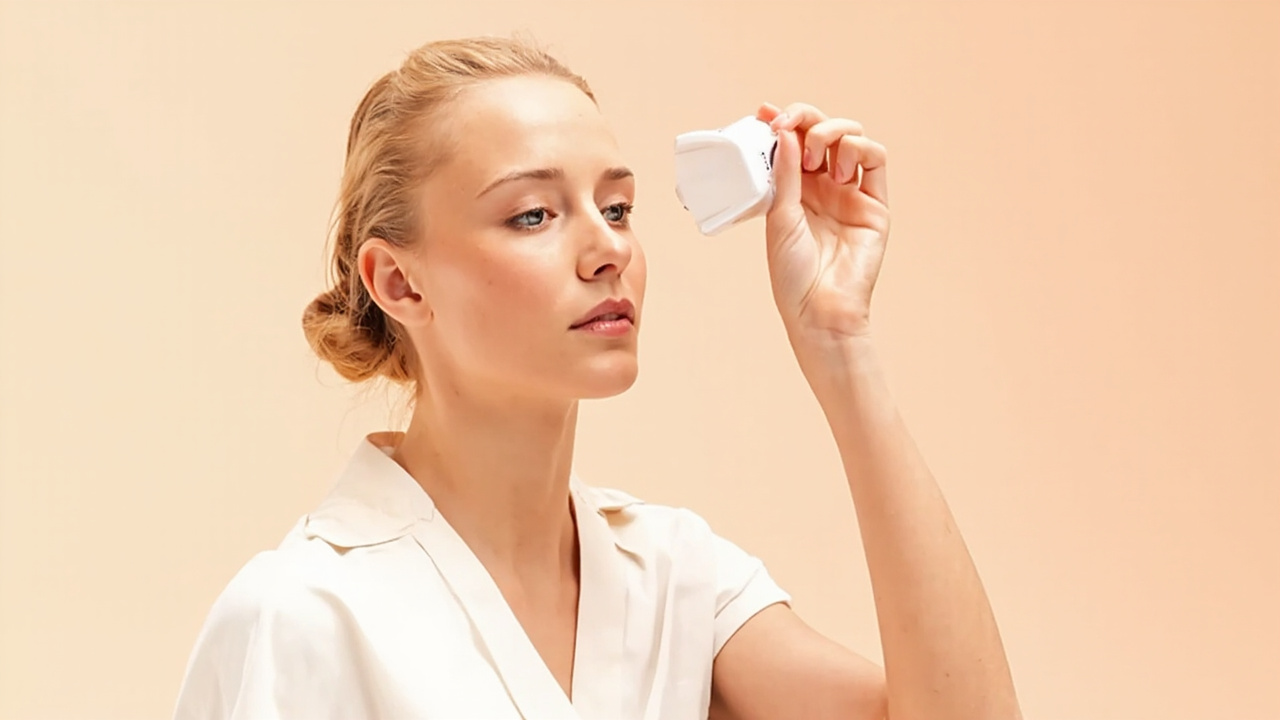
Androgenetic Alopecia (Male/Female Pattern Baldness)
This is the most common type. It is genetic and hormone-related.
- In men: Hairline recedes, crown thins.
- In women: Part widens, hair thins over the top.
It progresses slowly. Treatment can slow it down.
Telogen Effluvium and Stress-Related Shedding
This is temporary hair loss. It happens after a stressful event:
- Surgery, illness, or childbirth.
- Emotional stress.
- Rapid weight loss.
Hair falls out 2-3 months after the trigger. It usually grows back.
Alopecia Areata
An autoimmune condition. The immune system attacks hair follicles.
- Symptoms: Round, smooth patches of hair loss.
- Can affect scalp, eyebrows, beard.
- May come and go.
See a dermatologist for diagnosis and treatment.
Medical Conditions and Treatments That Affect Hair
!Medical Conditions and Treatments That Affect Hair
Thyroid Disorders and Hormonal Changes
Both hyperthyroidism and hypothyroidism can cause hair loss.
- Symptoms: Fatigue, weight changes, temperature sensitivity.
- Treatment: Thyroid medication often restores hair growth.
Menopause also causes hair thinning due to lower estrogen.
Medications That May Cause Hair Loss
Many drugs list hair loss as a side effect:
- Blood thinners.
- Antidepressants.
- Chemotherapy drugs.
- High-dose vitamin A.
- Anabolic steroids.
Check with your doctor. Do not stop medication without advice.
Nutritional Deficiencies
Low levels of certain nutrients can lead to hair loss:
- Iron: Common in women, causes thinning.
- Vitamin D: Low levels linked to alopecia.
- Zinc: Important for hair growth.
- Protein: Hair is made of protein; low intake affects growth.
A simple blood test can identify deficiencies.
Treatment Options for Hair Loss in Your 50s
Topical and Oral Medications (Minoxidil, Finasteride)
- Minoxidil (Rogaine): Over-the-counter foam or liquid. Apply to scalp daily. It stimulates growth and slows loss. Works for both men and women.
- Finasteride (Propecia): Oral prescription pill for men. Blocks DHT, a hormone that shrinks follicles. Not for women of childbearing age.
- Spironolactone: Oral medication for women. Blocks androgens. Used off-label for hair loss.
Results take 3-6 months. Continued use is needed.
Low-Level Laser Therapy
This uses red light to stimulate hair follicles.
- Devices: Helmets, caps, combs.
- Frequency: Used several times per week.
- Effectiveness: Moderate for some people.
It is FDA-cleared but not a cure.
Platelet-Rich Plasma (PRP) Treatments
PRP uses your own blood to promote hair growth.
- Procedure: Blood is drawn, spun to concentrate platelets, then injected into the scalp.
- Frequency: Every 1-3 months for maintenance.
- Evidence: Some studies show improvement.
It is not covered by insurance.
Hair Transplant Surgery
This is a permanent solution for pattern baldness.
- Procedure: Hair follicles are moved from the back of the scalp to thinning areas.
- Types: FUT (strip) or FUE (individual grafts).
- Recovery: Several weeks. New hair grows in 6-12 months.
Consult a board-certified surgeon.
Lifestyle Changes to Support Hair Health
Diet and Supplements for Stronger Hair
Eat a balanced diet rich in:
- Protein: Eggs, fish, beans, lean meat.
- Iron: Spinach, red meat, lentils.
- Omega-3s: Salmon, walnuts, flaxseeds.
- Vitamins: A, C, D, E, B12, biotin.
Supplements may help if you are deficient. But do not over-supplement.
Stress Management Techniques
Chronic stress can worsen hair loss. Try:
- Exercise: Walking, yoga, swimming.
- Meditation: Deep breathing, mindfulness.
- Sleep: Aim for 7-8 hours per night.
- Hobbies: Activities you enjoy.
Reducing stress may slow shedding.
Gentle Hair Care Routines
Avoid harsh treatments:
- Use a wide-tooth comb.
- Avoid tight hairstyles (braids, ponytails).
- Limit heat styling and chemical treatments.
- Use mild shampoos.
- Wash hair less often if it is dry.
Be gentle to prevent breakage.
When to See a Doctor or Dermatologist
See a healthcare provider if:
- Hair loss is sudden or patchy.
- You have other symptoms like fatigue or weight change.
- You notice redness, scaling, or pain on the scalp.
- Hair loss causes emotional distress.
A dermatologist can diagnose the cause. They may do blood tests or a scalp biopsy. Early treatment works best.
Key Takeaways
- Hair loss in your 50s is common and often treatable.
- Common causes include genetics, hormones, stress, and nutrition.
- Treatment options range from medications to surgery.
- Lifestyle changes like diet and stress management help.
- See a doctor for sudden or severe hair loss.
Don't lose hope. Many treatments can slow or reverse hair loss.
Frequently Asked Questions About Hair Loss in Your 50s
Q: Is hair loss in your 50s reversible?A: It depends on the cause. Telogen effluvium and deficiencies are often reversible. Pattern baldness is not curable but can be managed with treatment.
Q: Can menopause cause hair loss?A: Yes. Lower estrogen and progesterone during menopause can lead to thinning hair. Hormone therapy may help in some cases.
Q: Does stress cause permanent hair loss?A: Usually not. Stress-related shedding (telogen effluvium) is temporary. Hair typically grows back once stress is reduced.
Q: Are hair vitamins effective?A: Only if you have a deficiency. Biotin, zinc, and iron supplements help if levels are low. Otherwise, they may not work.
Q: When should I consider a hair transplant?A: If you have stable pattern baldness and other treatments haven't worked. Consult a surgeon to see if you are a good candidate.
You May Also Like
Explore more articles in our Beauty collection:
- Best Luxury Toner for Thinning Hair
- Best Nail Polish for Eczema: A Complete Guide to Non-Toxic, Hypoallergenic Nail Care
- Best Peel-Off Mask for Dry Hair: The Ultimate Guide to Reviving Thirsty Strands
Related Tools
Try these free calculators and quizzes to personalize your routine: