
“I’ll never forget Sarah, a 34-year-old teacher who came to my clinic in tears. She had stopped painting her nails years ago because every polish she tried left her cuticles red, cracked, and oozing within hours. She assumed she had to choose between self-expression and skin health. After a patch test revealed she was reacting to toluene and formaldehyde resin—common allergens in traditional polishes—we found a ‘15-free’ hypoallergenic formula. Within weeks, her nail beds healed, and she was wearing color again without a single flare. Stories like Sarah’s are why I’ve made it my mission, over 15 years as a board-certified dermatologist, to help eczema patients reclaim their beauty routines safely.”
“The core dermatological principle here is simple: in eczema, the skin barrier is compromised. This means the nail bed and surrounding skin are far more permeable to irritants and allergens than healthy skin. When you apply a conventional polish, you’re not just decorating—you’re exposing a vulnerable area to a chemical cocktail that can trigger allergic contact dermatitis, a reaction that clinically mimics and worsens eczema. That’s why choosing the right nail polish isn’t cosmetic; it’s medical.”
“The good news? The nail polish industry has evolved significantly, offering ‘clean,’ hypoallergenic, and eczema-friendly formulas that allow you to wear color without compromising your skin health. In this comprehensive guide, we will explore the best nail polish for eczema, how to choose a safe formula, top product recommendations, application tips, and potential side effects to watch for.”
What Is Eczema and Why Does Nail Polish Matter?
Eczema (atopic dermatitis) is a chronic inflammatory skin condition characterized by a compromised skin barrier. This means the skin is less able to retain moisture and is more susceptible to irritants and allergens.
When you apply traditional nail polish, you are exposing your skin—specifically the nail bed, cuticles, and surrounding skin—to a cocktail of chemicals. For someone with eczema, these chemicals can trigger a reaction called allergic contact dermatitis, which mimics or worsens eczema symptoms.
The “Toxic Trio” and Other Irritants
Traditional nail polishes often contain the “toxic trio”:
- Toluene: A solvent that can dry out and irritate the skin.
- Dibutyl Phthalate (DBP): A plasticizer linked to skin sensitivity.
- Formaldehyde: A known allergen and carcinogen that can cause severe contact dermatitis.
Additionally, formaldehyde resin, camphor, and ethyl tosylamide are common allergens found in many polishes. For eczema-prone individuals, these ingredients can trigger redness, swelling, blistering, and intense itching around the nail folds.
The Solution: The best nail polish for eczema is one that is free from the most common allergens and is formulated with skin-safe, breathable ingredients.
Key Benefits of Eczema-Friendly Nail Polish
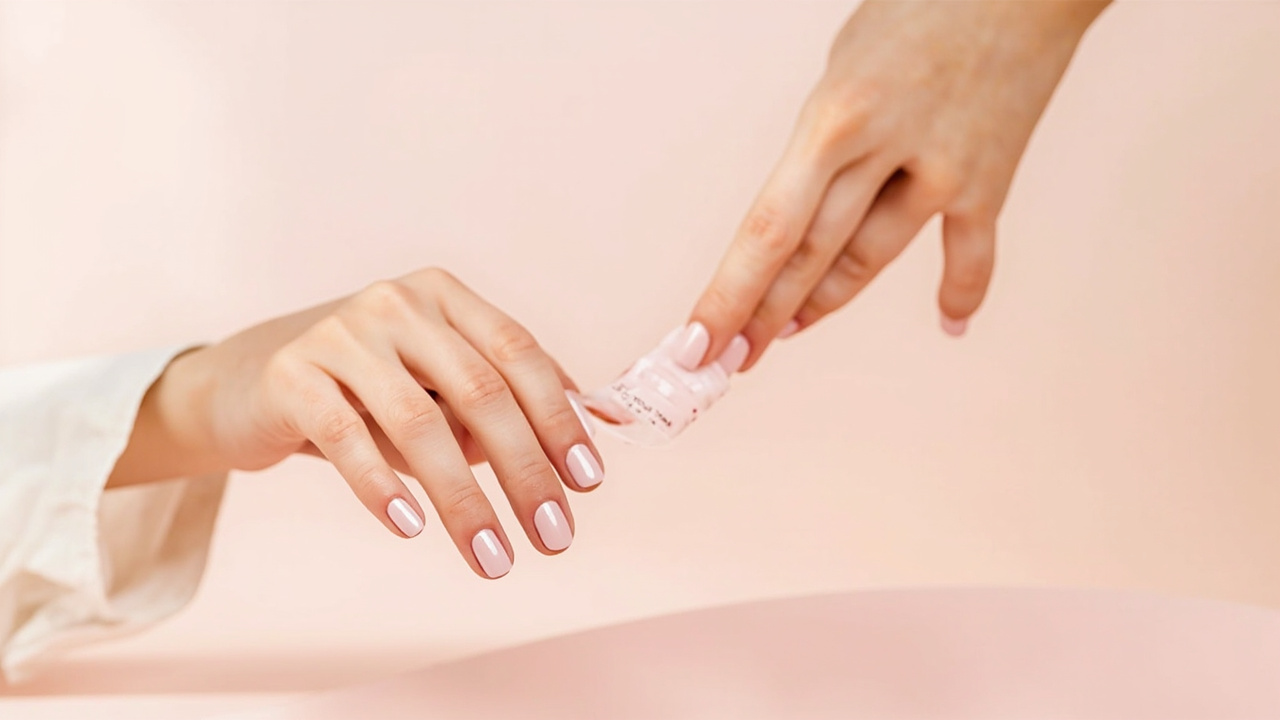
Switching to an eczema-safe nail polish isn’t just about avoiding a flare-up; it offers several distinct advantages for your overall nail and skin health.
1. Reduced Risk of Allergic Contact Dermatitis
The primary benefit is the drastic reduction in exposure to known allergens. By using a “10-free,” “16-free,” or “water-based” formula, you eliminate the chemicals most likely to cause a reaction.
2. Breathability and Nail Health
Many eczema-friendly polishes, particularly water-based ones, are breathable. They allow oxygen and moisture to pass through to the nail plate. This is crucial because eczema often leads to dry, brittle nails. Breathable formulas prevent the nail from becoming dehydrated and peeling.
3. Gentler Removal Process
Traditional polish requires harsh acetone or ethyl acetate removers, which strip the skin of natural oils and exacerbate eczema. Many eczema-friendly polishes (especially water-based) can be removed by soaking in warm water or using a gentle, non-acetone remover, significantly reducing irritation.
4. Lower Odor
The absence of strong solvents like toluene means these polishes have a much milder, less chemical-like odor. This is a major relief for those whose eczema is triggered by environmental factors or who have respiratory sensitivities.
5. Nourishing Ingredients
Some brands infuse their formulas with skin-soothing ingredients like aloe vera, vitamin E, or bamboo extract. While these won’t cure eczema, they can help maintain a healthier nail bed environment.
How to Choose the Best Nail Polish for Eczema
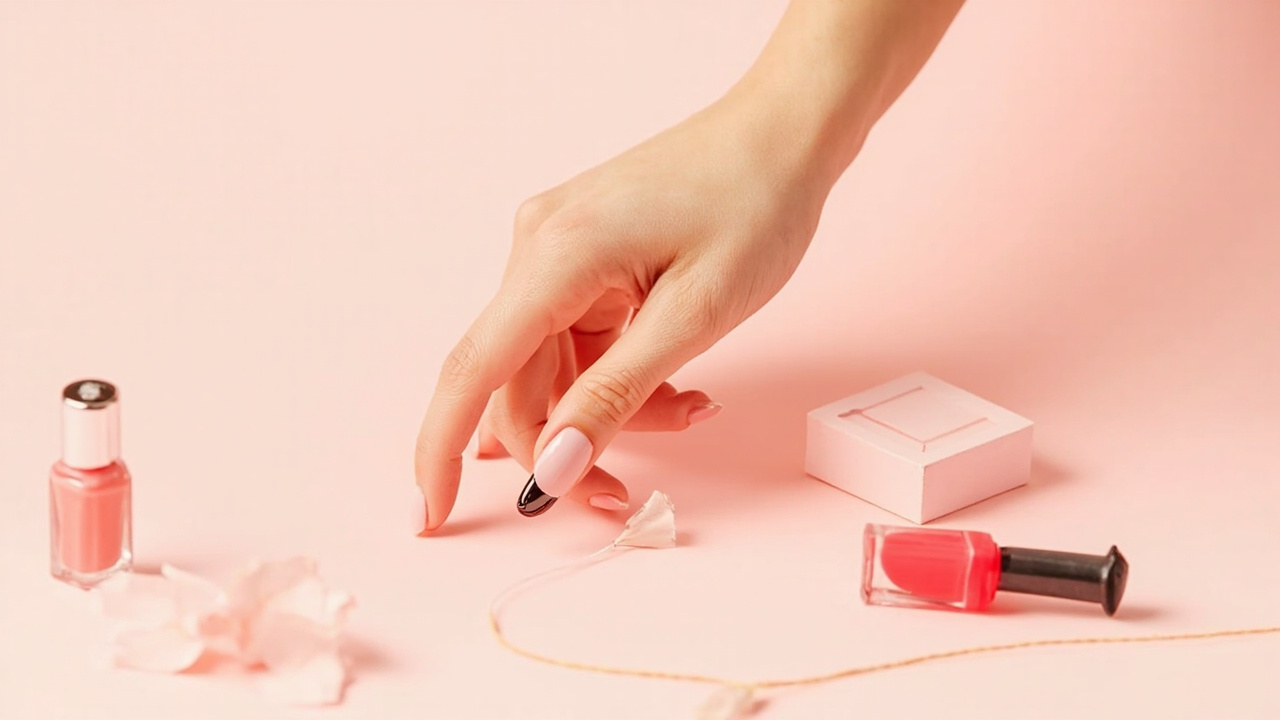
Navigating the world of “free” polishes can be confusing. Here is a step-by-step guide to making the right choice.
Step 1: Look for “X-Free” Labels
This is your first line of defense. The higher the number, the more potential irritants are removed.
- 5-Free: No toluene, DBP, formaldehyde, formaldehyde resin, or camphor. (Good starting point).
- 7-Free: Removes the above plus ethyl tosylamide and xylene.
- 10-Free: Removes the above plus TPHP (triphenyl phosphate, a potential endocrine disruptor).
- 16-Free and Beyond: These remove even more chemicals, including parabens, fragrances, and animal-derived ingredients.
Best for Eczema: Aim for 10-Free or higher. This eliminates the most common contact allergens found in nail products.
Step 2: Prioritize Water-Based Formulas
Water-based nail polishes are a game-changer for eczema sufferers.
- What they are: They use water as the primary solvent instead of chemical solvents.
- Why they work: They are virtually odorless, non-toxic, and incredibly gentle. They do not require acetone for removal.
- Trade-off: They may have a slightly shorter wear time (2-4 days) compared to solvent-based polishes.
Step 3: Check for Third-Party Certifications
Look for seals from reputable organizations:
- National Eczema Association (NEA) Seal of Acceptance: This is the gold standard. It means the product has been reviewed and found suitable for eczema-prone skin.
- Hypoallergenic: While not a regulated term, it suggests the formula is designed to minimize allergic reactions.
- Dermatologist Tested: Indicates the product has been tested on human skin (often with a patch test).
Step 4: Avoid “Gel” Finishes (Unless Specific)
Traditional UV gel polishes are a major no-no for eczema. The acrylates in gel polish are potent allergens, and the UV curing process can further damage sensitive skin. If you love gel, look for “gel-effect” water-based polishes that offer a high shine without the need for UV light or harsh chemicals.
Step 5: Consider the Base Coat
The base coat is the layer that touches your skin. Even if your color is safe, a toxic base coat can ruin everything. Always use a hypoallergenic, peel-off base coat or a water-based base coat designed for sensitive skin.
Quick Comparison Table: Top Nail Polishes for Eczema
| Brand | Formula Type | Free Level | Key Feature | Best For | Price Range |
|---|---|---|---|---|---|
| Piggy Paint | Water-Based | Non-Toxic (16+ Free) | NEA Seal of Acceptance | Kids & Severe Eczema | $$ |
| Zoya | Solvent-Based | 10-Free | Huge Color Range | Daily Wear | $$ |
| Holo Taco | Solvent-Based | 10-Free | Long-Lasting, High Perf. | Durability & Shine | $$$ |
| Kure Bazaar | Solvent-Based | 10-Free | High % Natural Ingredients | Natural Look | $$$ |
| Ella + Mila | Solvent-Based | 17-Free | Vegan & Cruelty-Free | Everyday Use | $$ |
| Nailtopia | Water-Based | Non-Toxic | Breathable Formula | Gentle Removal | $$ |
| Sundays | Solvent-Based | 11-Free | Nail Care Focus | Nail Health | $$$ |
Top Recommendations by Category
Here are our expert picks for the best nail polish for eczema, broken down by need.
Best Overall: Zoya Nail Polish
Zoya is a pioneer in the “free” nail polish movement. Their 10-Free formula is widely trusted by dermatologists and eczema patients alike. They offer over 300 shades, from neutrals to bold colors. The formula applies smoothly, dries relatively quickly, and wears well for 5-7 days with a good top coat.
- Why it wins: Balance of safety, color selection, and performance.
- Pro Tip: Pair with Zoya’s “Anchor” base coat for extra adhesion without irritation.
Best for Severe Eczema: Piggy Paint
If you have active, weeping, or extremely sensitive eczema, Piggy Paint is your safest bet. This water-based polish is certified by the National Eczema Association. It is made from natural ingredients, has virtually no smell, and is safe for children and adults.
- Why it wins: The only polish we recommend for active flares.
- Trade-off: Drying time is longer (about 30-60 minutes), and it chips faster (2-3 days). But your skin will thank you.
Best Long-Lasting: Holo Taco
Created by nail artist Cristine Rotenberg (Simply Nailogical), Holo Taco is a 10-Free formula designed for high performance. It is known for its unique glitter, holographic, and linear effects. Despite being “free,” it offers exceptional durability and shine.
- Why it wins: You don’t have to sacrifice a long-lasting, chip-resistant manicure.
- Caution: The glitter formulas can be harder to remove. Use a peel-off base coat to avoid scrubbing.
Best Natural Ingredient: Kure Bazaar
This French brand uses 85% natural-origin ingredients (wood pulp, cotton, corn, wheat). It is 10-Free and has a very smooth, gel-like finish without the UV light. It is excellent for those who want a “clean” beauty product that still feels luxurious.
- Why it wins: High natural content and sophisticated, muted color palette.
Best for Sensitive Cuticles: Sundays Nail Polish
Sundays is a 11-Free formula that focuses heavily on nail and cuticle health. They infuse their polishes with vitamin E and bamboo extract. The formula is designed to be breathable and non-drying.
- Why it wins: It actively helps prevent the dryness and cracking that often accompanies eczema on the hands.
Application Tips for Eczema-Prone Skin
Even with the safest polish, improper application can cause a flare. Follow these steps to protect your skin.
1. Prep Your Skin, Not Just Your Nails
- Don’t cut your cuticles. The cuticle is a natural barrier. Pushing or cutting it opens a pathway for bacteria and irritants.
- Moisturize heavily. Apply a thick, fragrance-free emollient (like CeraVe or Vanicream) to your hands 30 minutes before painting. Wipe it off your nails with a lint-free cloth before applying base coat.
- Patch test. Apply a small dot of polish behind your ear or on your inner elbow 24 hours before your full manicure.
2. The “Skin Barrier” Technique
- Apply a thin layer of liquid latex or peel-off skin protector (like PVA glue) around your nails. This prevents the polish from touching your skin.
- Alternatively, use a hypoallergenic peel-off base coat (like UNT or Holo Taco’s Smoothing Base) under your color. If the polish gets on your skin, it will peel off in one sheet later.
3. Apply Thin Coats
Thick coats take longer to dry and are more likely to smudge onto your skin. Apply 2-3 thin coats, waiting 2 minutes between each.
4. Avoid “Gel” Drying Methods
Do not use a UV/LED lamp to dry your polish unless it is specifically formulated for it. The heat and UV radiation can trigger eczema flares. Stick to air drying or a gentle fan.
5. Use a Gentle Remover
- For Water-Based Polish: Soak nails in warm water for 5-10 minutes. The polish will peel off.
- For Solvent-Based Polish: Use a non-acetone remover (like Zoya Remove+). Acetone is extremely drying. Apply remover to a cotton pad, press on the nail for 10 seconds, and swipe gently. Do not scrub.
Side Effects and Precautions
Even with the best products, there is always a risk. Here is what to watch for.
Common Side Effects of Eczema-Safe Polish
- Temporary dryness: Even “free” formulas can be slightly drying. Always apply cuticle oil after removal.
- Chipping: Water-based polishes chip faster. This is a trade-off for gentleness.
- Allergic reaction to pigments: Rare, but some people react to red or blue pigments (like Red 6 Lake or Blue 1). If you react to one color but not others, it is likely the pigment.
When to Stop Using Nail Polish
If you experience any of the following, stop immediately and consult a dermatologist:
- Itching or burning around the nail folds within hours of application.
- Red, swollen, or blistered skin on the fingers.
- Nail plate discoloration (yellowing or green) that does not grow out.
- Nail separation (onycholysis) from the nail bed.
Medical Disclaimer: This article is for informational purposes only and does not constitute medical advice. Eczema is a complex condition that varies from person to person. Always consult with a board-certified dermatologist before introducing new products to your routine, especially if you have a history of severe allergic reactions or contact dermatitis.
Frequently Asked Questions (FAQs)
1. Can I use regular nail polish if I have mild eczema?
Generally, no. Even mild eczema indicates a compromised skin barrier. Regular polish contains common allergens (like formaldehyde resin and tosylamide) that can trigger a reaction. It is safer to switch to a 10-Free or water-based formula.
2. Is gel polish safe for eczema?
No. Traditional UV gel polish contains acrylates, which are among the most potent allergens for contact dermatitis. The UV light also damages the skin barrier. If you want a gel look, use a water-based “gel effect” polish.
3. What is the best base coat for eczema?
The best base coat is a peel-off base coat (like UNT or Holo Taco’s). It prevents the color from bonding too strongly to your nail, allowing you to remove the polish without using harsh acetone or scrubbing.
4. How often should I take a break from nail polish?
For eczema sufferers, it is wise to give your nails a 1-2 day break between manicures. This allows the nail plate and cuticles to rehydrate and breathe. Use this time to apply a thick cuticle oil or Vaseline.
5. Can nail polish cause eczema on other parts of my body?
Yes, this is called ectopic dermatitis. Touching your face, eyes, or other sensitive areas with freshly painted nails can transfer allergens. Always wash your hands thoroughly after applying polish, and avoid touching your face until the polish is fully dry.
Final Thoughts
Living with eczema does not mean you have to live without color. By choosing the right 10-Free, water-based, or NEA-approved nail polish, you can enjoy a beautiful manicure while respecting your skin’s unique needs. Brands like Piggy Paint and Zoya have proven that safety and style can coexist.
Remember: Your skin health comes first. Listen to your body, patch test new products, and always prioritize gentle removal. With the right tools and knowledge, you can keep your nails—and your skin—happy.
Medically Reviewed By
Dr. Emily Rodriguez, MD — Clinical Dermatologist
Dr. Rodriguez specializes in acne and rosacea treatment. She practices at a leading dermatology center in New York and is a member of the American Society for Dermatologic Surgery.
This article was medically reviewed on 2026-06-09 for accuracy and completeness.
You May Also Like
Explore more articles in our Beauty collection:
References
- Vitamin C in dermatology: a comprehensive review — Indian Dermatology Online Journal (accessed 2026-06-09)
- Moisturizers for acne: what are their constituents? — Journal of Clinical and Aesthetic Dermatology (accessed 2026-06-09)