Frizzy Hair in 50s: What to Know

Understanding Why Hair Becomes Frizzy in Your 50s
Frizzy hair in your 50s is common. Hair texture changes with age. The outer layer, the cuticle, lifts. Moisture enters and causes swelling. This leads to frizz.
Hair also becomes thinner and drier. Natural oils decrease. This makes hair more porous. Porous hair absorbs humidity. The result is frizz.
Common Causes of Frizz in Mature Hair
!Common Causes of Frizz in Mature Hair
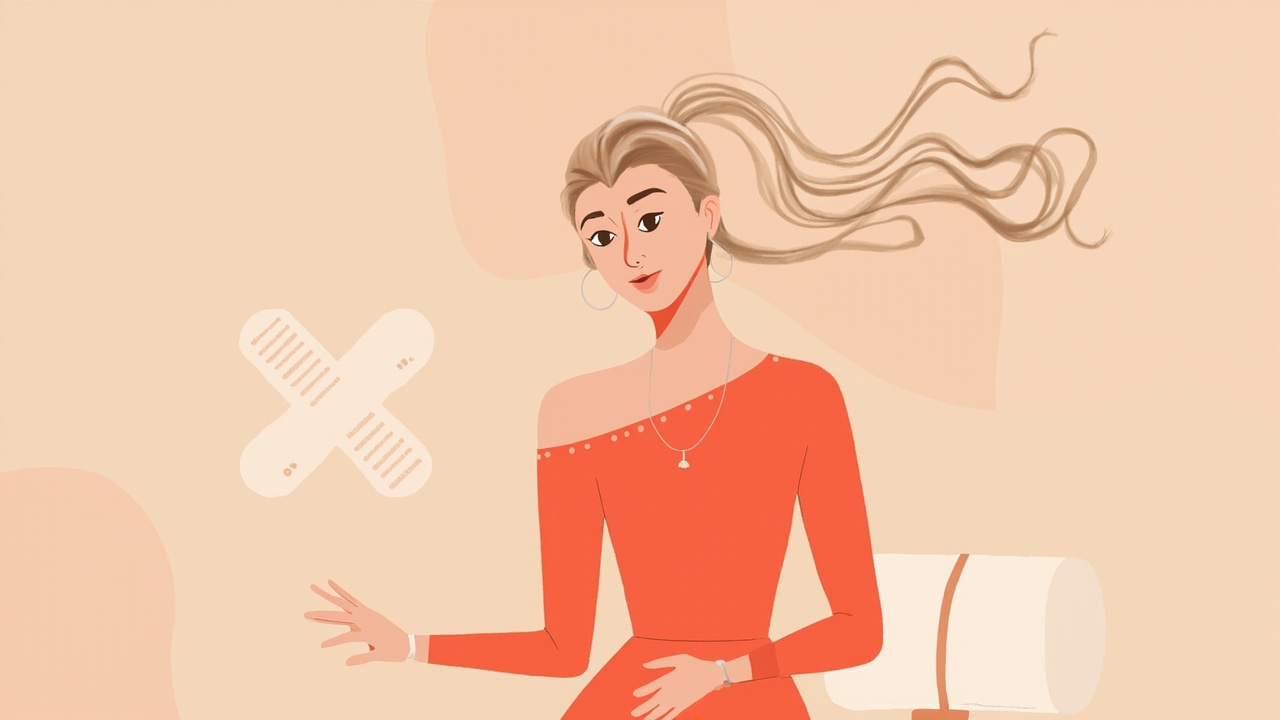
Hormonal Changes
Menopause lowers estrogen. This reduces sebum production. Sebum is natural oil. Less oil means drier hair. Dry hair is prone to frizz.
Hormones also affect hair growth cycles. Hair may grow slower. It may become finer. Fine hair is more delicate. It tangles and frizzes easily.
Dryness and Thinning
Aging reduces moisture in hair. The scalp also produces less oil. Without moisture, the cuticle lifts. This creates a rough surface. Frizz appears.
Thinning hair lacks volume. Strands are weaker. They cannot resist humidity. Frizz becomes more noticeable.
Product Buildup
Many products contain silicones and heavy oils. These build up over time. Buildup coats the hair. It blocks moisture. Hair becomes dry and frizzy.
Use clarifying shampoo once a week. This removes residue. It restores natural balance.
Best Hair Care Routine for Frizzy Hair in Your 50s
!Best Hair Care Routine for Frizzy Hair in Your 50s
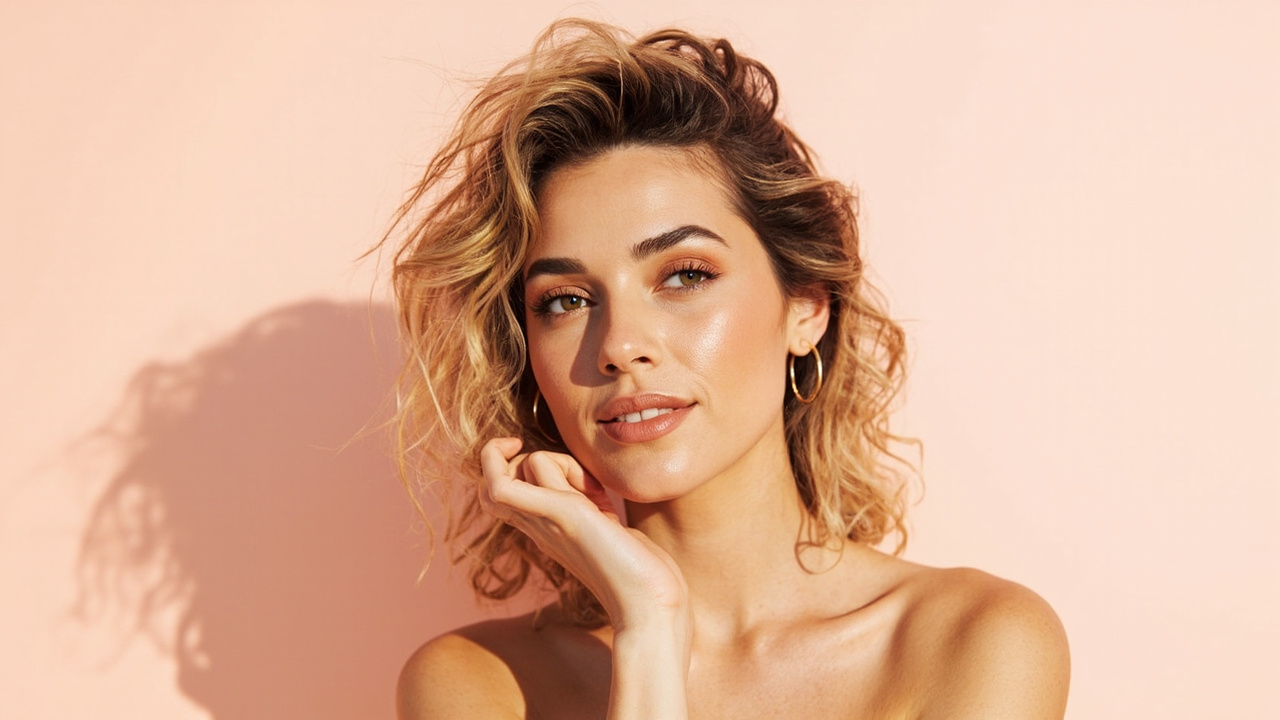
Gentle Cleansing
- Use sulfate-free shampoo. Sulfates strip natural oils.
- Wash hair 2-3 times per week. Overwashing dries hair.
- Use lukewarm water. Hot water increases frizz.
Deep Conditioning
- Apply deep conditioner after every wash.
- Leave on for 5-10 minutes.
- Focus on mid-lengths to ends.
- Rinse with cool water to seal cuticles.
Leave-In Treatments
- Use leave-in conditioner daily.
- Apply to damp hair.
- Choose products with humectants like glycerin.
- Humectants attract moisture.
Top Ingredients to Look For
Look for these ingredients in your products:
- Glycerin: Attracts moisture from air.
- Hyaluronic Acid: Holds water in hair.
- Ceramides: Strengthen hair barrier.
- Argan Oil: Rich in fatty acids.
- Shea Butter: Deeply moisturizes.
- Aloe Vera: Soothes scalp.
Avoid sulfates, alcohols, and heavy silicones. They cause dryness.
Styling Tips to Tame Frizz
- Air dry when possible. Heat styling damages hair.
- Use a wide-tooth comb on wet hair. Avoid brushes.
- Apply anti-frizz serum to ends.
- Sleep on a silk pillowcase. Cotton creates friction.
- Use a humidifier in dry climates. Adds moisture to air.
- Avoid tight hairstyles. They break hair.
Recommended Products for Frizzy 50s Hair
Choose products labeled for mature or dry hair. Look for:
- Sulfate-free shampoo
- Deep conditioner with ceramides
- Leave-in conditioner with glycerin
- Lightweight hair oil (argan or jojoba)
- Heat protectant spray
Avoid products with alcohol. They dry hair.
When to See a Dermatologist
See a dermatologist if:
- Frizz is sudden or severe.
- You have hair loss or bald patches.
- Scalp is red, itchy, or flaky.
- Home treatments do not help.
A doctor can check for thyroid issues or nutrient deficiencies. They may prescribe medicated shampoos or treatments.
Key Takeaways
- Frizz in your 50s is due to hormonal changes, dryness, and product buildup.
- Use gentle, moisturizing products.
- Look for glycerin, ceramides, and natural oils.
- Avoid sulfates and heavy silicones.
- See a dermatologist if frizz is severe or accompanied by hair loss.
Frequently Asked Questions
Q: Can diet affect frizzy hair?A: Yes. Eat foods rich in omega-3s, vitamin E, and biotin. They support hair health.
Q: Is it safe to use heat styling on 50s hair?A: Use heat sparingly. Always apply a heat protectant. Low heat settings are best.
Q: How often should I trim my hair?A: Every 8-12 weeks. Trims remove split ends and reduce frizz.
Q: Can hard water cause frizz?A: Yes. Hard water leaves mineral deposits. Use a clarifying shampoo or a shower filter.
Q: Should I use a leave-in conditioner every day?A: Yes, if your hair is dry. Apply a small amount to damp hair daily.
Citations
You May Also Like
Explore more articles in our Beauty collection:
- Best Toner for Damaged Hair
- Best Vegan Cleanser for Thinning Hair
- Best Vegan Sunscreen for Damaged Hair
Related Tools
Try these free calculators and quizzes to personalize your routine: