Blackheads in 40s: What to Know

Why Blackheads Persist in Your 40s
Blackheads are not just a teenage problem. Many adults in their 40s still struggle with them. Understanding why can help you manage them better.
Blackheads form when pores become clogged with excess oil and dead skin cells. The top of the pore stays open, causing the material to oxidize and turn black.
In your 40s, skin changes. Collagen production slows down. Skin becomes thinner and drier. Yet oil glands can still be active. This combination can lead to blackheads.
Also, older skin sheds cells more slowly. Dead cells can trap oil in pores. This creates a perfect environment for blackheads.
Key factors:- Slower cell turnover
- Ongoing oil production
- Thinner skin that is more sensitive
Hormonal Changes and Blackheads
!Hormonal Changes and Blackheads
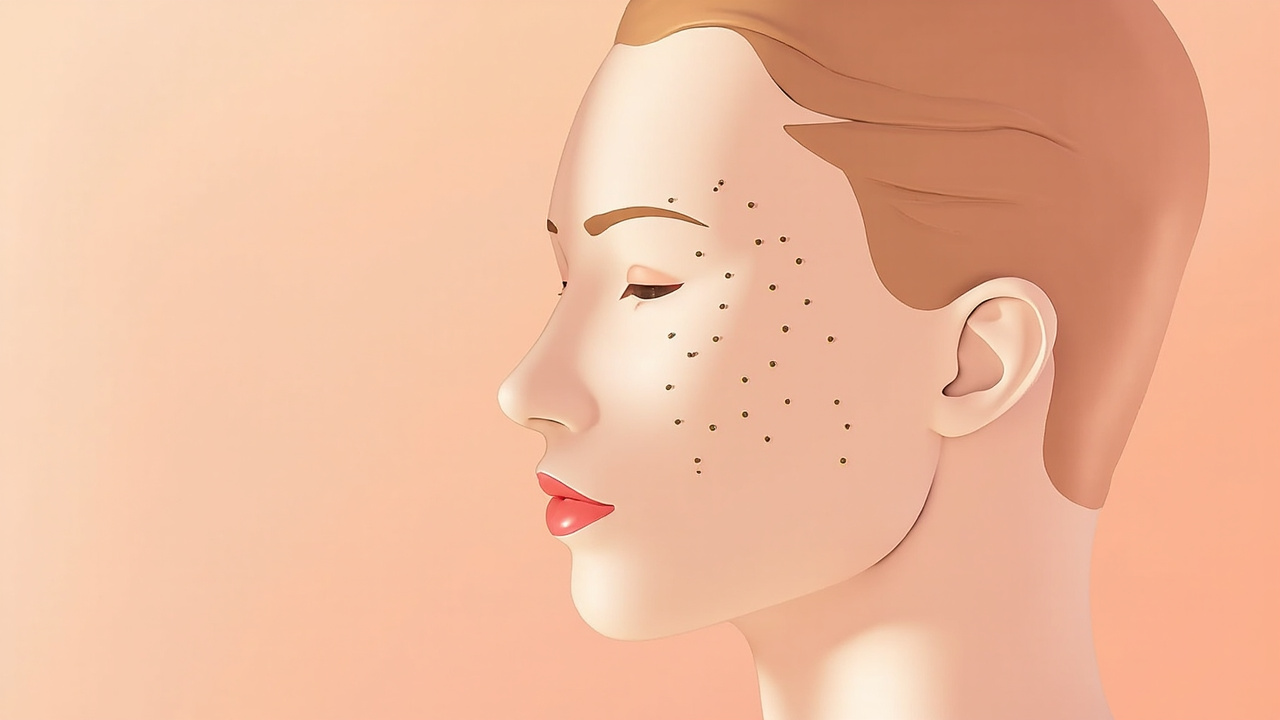
Hormones play a big role in acne, including blackheads. In your 40s, hormone levels shift. This can trigger breakouts.
Perimenopause and Menopause Effects
Perimenopause usually starts in the mid-40s. Estrogen levels drop while testosterone remains stable. This imbalance increases sebum (oil) production.
More oil means more clogged pores. Blackheads become common, especially on the chin, jawline, and cheeks.
During menopause, estrogen falls further. Skin becomes drier, but oil glands can still overproduce. This paradox leads to blackheads.
Hormone-related tips:- Be gentle with your skin
- Use products that balance oil without stripping
- Consider consulting a dermatologist for hormonal treatments
Skincare Routine Adjustments for Mature Skin
!Skincare Routine Adjustments for Mature Skin
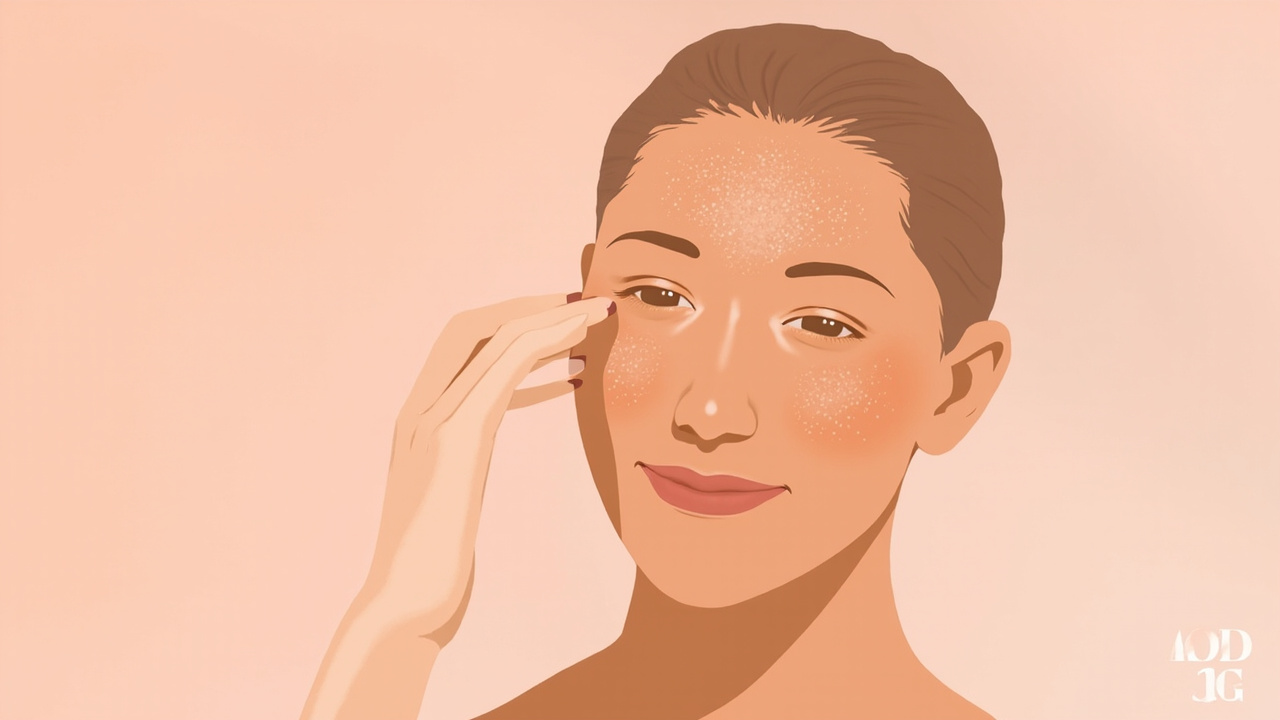
Your 40s require a tailored skincare routine. Harsh products can worsen blackheads and damage skin barrier.
Gentle Exfoliation Methods
Exfoliation removes dead skin cells. But over-exfoliating can irritate mature skin.
Safe exfoliation options:- Chemical exfoliants: Use AHAs (like glycolic acid) or BHAs (salicylic acid). Start with low concentrations (2% salicylic acid). Apply 2-3 times a week.
- Enzyme exfoliants: Papaya or pumpkin enzymes are gentle. They dissolve dead cells without scrubbing.
- Physical exfoliation: Avoid harsh scrubs. Use a soft washcloth or silicone brush. Do not scrub hard.
- Exfoliate at night
- Follow with a moisturizer
- Do not exfoliate if skin is irritated
Non-Comedogenic Moisturizers
Moisturizing is crucial. Dry skin can trigger more oil production. Choose products that do not clog pores.
Look for:- Label: "non-comedogenic" or "oil-free"
- Ingredients: Hyaluronic acid, glycerin, ceramides
- Lightweight gels or lotions
- Heavy creams with cocoa butter or coconut oil
- Products with pore-clogging ingredients (check comedogenic ratings)
Professional Treatments to Consider
If at-home care is not enough, professional treatments can help.
Options:- Chemical peels: A dermatologist applies a stronger acid to exfoliate deeply. Peels can reduce blackheads and improve skin texture.
- Microdermabrasion: A device exfoliates the top layer of skin. It unclogs pores and stimulates collagen.
- Extraction: A professional uses sterile tools to remove blackheads. Do not attempt at home to avoid scarring.
- Laser or light therapy: Some lasers target oil glands or bacteria. They can reduce blackheads over time.
- Prescription retinoids: Tretinoin or adapalene increase cell turnover. They prevent clogged pores. Start with a low strength.
Lifestyle Factors: Diet, Stress, and Sleep
Your lifestyle affects your skin. Small changes can reduce blackheads.
Diet:- High-glycemic foods (sugar, white bread) may worsen acne. Choose whole grains, fruits, and vegetables.
- Dairy, especially skim milk, is linked to breakouts in some people. Try reducing intake.
- Omega-3 fatty acids (fish, walnuts) can reduce inflammation.
- Stress increases cortisol, which boosts oil production.
- Practice stress management: meditation, exercise, or hobbies.
- Poor sleep disrupts hormones and skin repair.
- Aim for 7-9 hours per night.
- Use a clean pillowcase to avoid transferring oil and bacteria.
- Wash your face after sweating
- Avoid touching your face
- Clean your phone screen regularly
When to See a Dermatologist
See a dermatologist if:
- Blackheads are widespread or inflamed
- At-home treatments are not working after 3 months
- You have scarring or dark spots
- You suspect hormonal imbalance (e.g., irregular periods, hair loss)
- You have pain or cysts
A dermatologist can:
- Diagnose underlying conditions (e.g., polycystic ovary syndrome)
- Prescribe stronger medications (retinoids, antibiotics, hormonal therapy)
- Perform professional extractions or procedures
- Recommend a personalized skincare plan
- Squeeze blackheads yourself. This can cause infection, scarring, or worse breakouts.
- Use harsh DIY remedies like lemon juice or toothpaste. They damage skin.
Key Takeaways
- Blackheads in your 40s are common due to hormonal changes and slower cell turnover.
- Use gentle exfoliation (BHAs, AHAs) and non-comedogenic moisturizers.
- Professional treatments like peels or extractions can help.
- Manage diet, stress, and sleep for better skin.
- See a dermatologist if blackheads persist or worsen.
- Avoid harsh products and picking at your skin.
- Consistency is key. Stick to a simple, gentle routine.
Frequently Asked Questions
Can I use the same acne products I used in my 20s?
No. Mature skin is thinner and more sensitive. Harsh products can cause irritation and dryness. Use gentler formulations designed for adult skin.
Are blackheads in your 40s a sign of poor hygiene?
No. Blackheads are caused by oil, dead skin, and hormones, not dirt. Over-washing can actually worsen them.
Does sunscreen help prevent blackheads?
Yes. Sun damage thickens the outer skin layer, trapping oil. Daily sunscreen (SPF 30+) prevents this and reduces blackheads.
Can diet alone clear blackheads?
Diet can help but is rarely enough alone. Combine a balanced diet with a proper skincare routine and professional advice if needed.
Is it safe to extract blackheads at home?
No. Home extraction can push bacteria deeper, cause scarring, or lead to infection. Leave it to a dermatologist or esthetician.
You May Also Like
Explore more articles in our Health collection:
- Best Hyaluronic Acid for Fine Lines: The Ultimate Guide to Smoother, Youthful Skin
- Best Lip Balm for Heat Damage: Repair, Protect, and Restore Burned Lips
- Best Lipstick for Heat Damage: The Ultimate Guide to Melt-Proof, Protective Color
Related Tools
Try these free calculators and quizzes to personalize your routine: