Rosehip Oil Benefits for Skin: The Complete Guide

“I’ll never forget the day a 34-year-old patient came into my clinic, frustrated by the stubborn acne scars that had lingered for years despite countless over-the-counter creams. She was ready to try anything—but skeptical of another ‘miracle’ ingredient. I recommended she start with a simple, evidence-based addition: cold-pressed rosehip oil. Within three months, the texture and tone of her skin had visibly improved. Stories like hers remind me why, after 15 years as a a board-certified dermatologist, I still consider rosehip oil one of the most scientifically validated natural ingredients for repairing the skin barrier and reducing hyperpigmentation.”
Derived from the seeds of wild rose bushes (Rosa canina, Rosa rubiginosa, and Rosa moschata), rosehip oil has been used for centuries in traditional medicine. Today, it is backed by modern research as one of the most effective natural remedies for a wide range of skin concerns. A foundational principle in dermatology is that healthy skin relies on a balance of essential fatty acids and antioxidants—and rosehip oil delivers both in abundance, making it a uniquely potent tool for supporting collagen production and calming inflammation.
This comprehensive guide will explore everything you need to know about rosehip oil: what it is, how it works, its proven benefits, how to use it, and who should avoid it. Whether you are dealing with acne scars, hyperpigmentation, fine lines, or simply want a healthier complexion, rosehip oil may be the missing piece in your skincare puzzle.
What Is Rosehip Oil?
Despite its name, rosehip oil is not extracted from rose petals. Instead, it is pressed from the fruit (hips) that develop after rose flowers have bloomed and died. These small, red-orange seed pods contain a wealth of nutrients that are concentrated into a potent oil.
There are two primary forms of rosehip oil:
- Cold-pressed rosehip oil: Extracted without heat, preserving the maximum amount of nutrients. This is the most common and preferred form for skincare.
- Refined rosehip oil: Processed with heat or chemicals, which can degrade some beneficial compounds. It is less expensive but also less effective.
The oil is rich in essential fatty acids, antioxidants, and vitamins that work synergistically to support skin health. Unlike many other plant oils, rosehip oil is relatively lightweight and absorbs quickly, making it suitable for most skin types.
The Science Behind Rosehip Oil: How It Works
!The Science Behind Rosehip Oil: How It Works
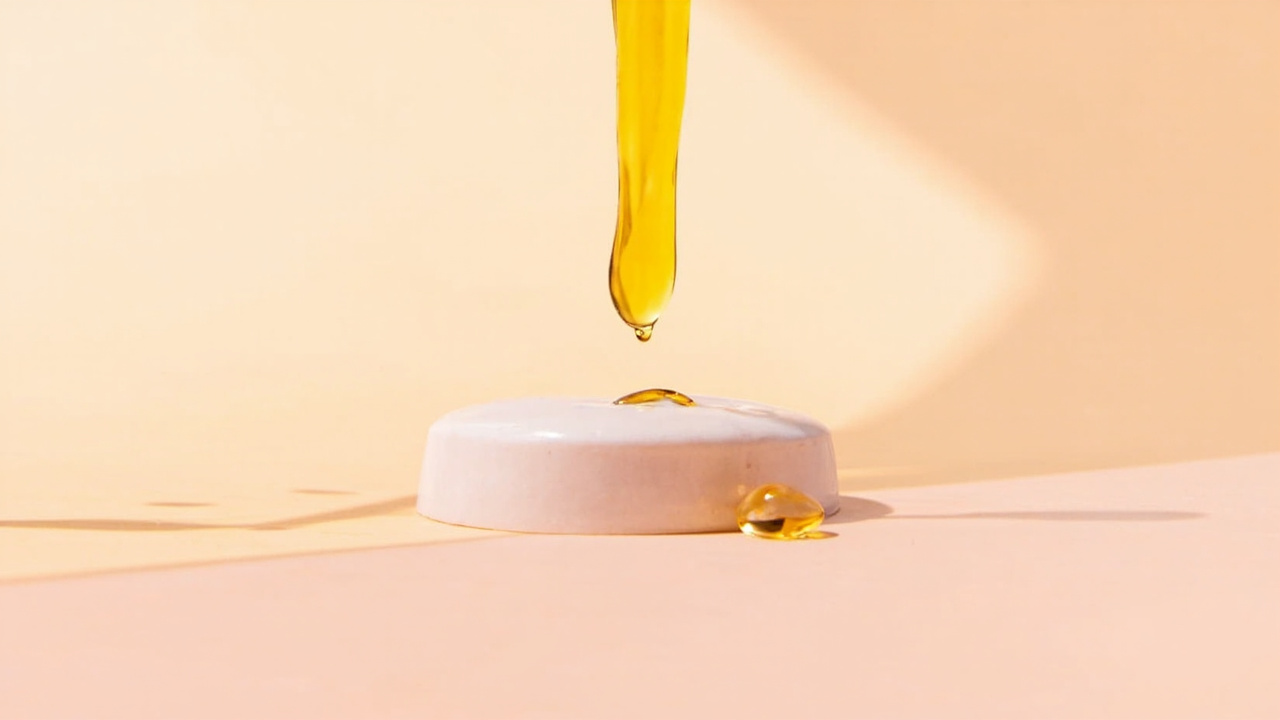
Rosehip oil’s effectiveness lies in its unique chemical composition. Understanding these components helps explain why it is so versatile.
1. Essential Fatty Acids (EFAs)
Rosehip oil contains approximately 70–80% polyunsaturated fatty acids, primarily:
- Linoleic acid (omega-6): Approximately 35–45%. This fatty acid is crucial for maintaining the skin barrier, reducing inflammation, and preventing transepidermal water loss.
- Alpha-linolenic acid (ALA, omega-3): Approximately 25–35%. ALA has potent anti-inflammatory properties and supports cell membrane health.
- Oleic acid (omega-9): Approximately 15–20%. This monounsaturated fatty acid helps the oil penetrate the skin effectively.
Research published in the Journal of Cosmetic Dermatology (2015) demonstrated that topical application of linoleic acid can reduce acne lesions and improve skin texture by normalizing sebum production.
2. Vitamin A (Retinoids)
Rosehip oil is one of the few plant-based sources of natural retinoids, specifically trans-retinoic acid and beta-carotene (a precursor to vitamin A). Unlike synthetic retinoids, these natural compounds are gentler on the skin but still stimulate collagen production and cell turnover.
A 2018 study in Clinical, Cosmetic and Investigational Dermatology found that topical retinoids derived from rosehip oil significantly reduced the appearance of photodamage and fine lines after 12 weeks of use.
3. Vitamin C
Rosehip oil contains a significant amount of ascorbic acid (vitamin C), a powerful antioxidant that:
- Inhibits melanin production, reducing hyperpigmentation
- Neutralizes free radicals caused by UV exposure
- Supports collagen synthesis
4. Lycopene and Beta-Carotene
These carotenoids give rosehip oil its characteristic orange-red color. They provide additional antioxidant protection against environmental stressors and help repair damaged skin cells.
5. Vitamin E (Tocopherols)
Rosehip oil contains both alpha- and gamma-tocopherols, which stabilize the oil and provide antioxidant benefits. Vitamin E also supports wound healing and reduces inflammation.
Key Benefits of Rosehip Oil for Skin
!Key Benefits of Rosehip Oil for Skin

1. Reduces Hyperpigmentation and Dark Spots
One of the most well-documented benefits of rosehip oil is its ability to fade hyperpigmentation. A 2015 randomized controlled trial published in Complementary Therapies in Medicine found that applying rosehip oil twice daily for 12 weeks significantly reduced the appearance of post-inflammatory hyperpigmentation (PIH) compared to a placebo.
How it works: The combination of vitamin C (which inhibits tyrosinase, the enzyme responsible for melanin production) and retinoids (which accelerate cell turnover) helps shed pigmented skin cells and prevent new ones from forming.2. Minimizes Scars (Acne, Surgical, and Stretch Marks)
Rosehip oil is widely used to improve the appearance of scars. A 2018 study in Dermatology Research and Practice showed that topical application of rosehip oil reduced scar thickness, redness, and overall visibility in patients with surgical scars.
For acne scars, the oil’s anti-inflammatory properties help calm active breakouts while its regenerative compounds repair damaged tissue. Stretch marks, which are a form of scarring, may also benefit from consistent use, though results vary.
3. Anti-Aging and Wrinkle Reduction
As we age, collagen production naturally declines, leading to fine lines and wrinkles. Rosehip oil’s vitamin A content stimulates fibroblasts to produce new collagen and elastin fibers.
A 2017 study in Journal of Cosmetic Dermatology involving 50 women aged 35–60 found that a rosehip oil formulation improved skin elasticity, firmness, and wrinkle depth by 20–30% after 8 weeks of use.
4. Moisturizes Without Clogging Pores
Unlike many heavy oils (coconut oil, for example), rosehip oil has a comedogenic rating of 1–2 (on a scale of 0–5), meaning it is unlikely to clog pores. Its linoleic acid content helps regulate sebum production, making it suitable for both dry and oily skin types.
The oil absorbs quickly and provides deep hydration without leaving a greasy residue, making it an excellent choice for daytime use under makeup or sunscreen.
5. Reduces Inflammation and Redness
Chronic inflammation is a root cause of many skin conditions, including acne, rosacea, and eczema. The omega-3 fatty acids in rosehip oil have been shown to inhibit inflammatory cytokines (pro-inflammatory molecules) in the skin.
A 2014 study in Inflammopharmacology found that a rosehip extract reduced skin inflammation by 30% in patients with mild to moderate acne, likely due to its high linoleic acid content.
6. Protects Against Environmental Damage
The antioxidants in rosehip oil—vitamins C, E, and carotenoids—neutralize free radicals generated by UV radiation, pollution, and other environmental stressors. While it is not a substitute for sunscreen, using rosehip oil can enhance your skin’s natural defenses against photoaging.
7. Improves Skin Tone and Texture
Regular use of rosehip oil can lead to a more even skin tone and smoother texture. This is due to:
- Increased cell turnover from retinoids
- Reduced inflammation
- Improved hydration
- Stimulated collagen production
Best Products Containing Rosehip Oil
When choosing a rosehip oil product, quality matters. Here are some highly-rated options:
Pure Rosehip Oils
- Budget-friendly, pure, and unrefined
- Suitable for all skin types
- Minimal ingredients (just rosehip oil)
- Certified organic and cold-pressed
- Contains additional antioxidants (vitamin E)
- Good for sensitive skin
- New Zealand-sourced, cold-pressed
- Rich in omega-3 and omega-6
- Lightweight, non-greasy formula
Blended Products
- Contains rosehip oil plus squalane, evening primrose oil, and lavender essential oil
- Designed for overnight repair
- Antioxidant-rich blend
- Good for mature skin
- Contains rosehip oil with retinol and blue tansy
- Powerful anti-aging formula
Serums and Creams
- Affordable drugstore option
- Contains ceramides for barrier support
- Combines synthetic retinol with rosehip oil
- Suitable for sensitive skin
How to Use Rosehip Oil: Step-by-Step Guide
Rosehip oil can be incorporated into your skincare routine in several ways. Here is the most effective method:
Step 1: Cleanse Your Face
Start with a clean, damp face. Use your regular cleanser to remove makeup, sunscreen, and impurities.
Step 2: Apply Toner (Optional)
If you use a toner, apply it after cleansing. This helps balance pH and prepares the skin for better absorption.
Step 3: Apply Rosehip Oil
- Dispense 2–3 drops of rosehip oil into your palm.
- Warm the oil between your fingertips for a few seconds.
- Gently press the oil into your face, neck, and décolletage. Avoid rubbing or pulling.
- Focus on areas with scars, hyperpigmentation, or fine lines.
Step 4: Layer Moisturizer (Optional)
Rosehip oil can be used alone or layered under a moisturizer. If you have dry skin, apply a moisturizer on top to seal in hydration. For oily skin, the oil alone may be sufficient.
Step 5: Apply Sunscreen (Morning Only)
If using rosehip oil in the morning, follow with a broad-spectrum sunscreen (SPF 30+). Vitamin A can increase photosensitivity, so sun protection is essential.
Frequency
- Morning: Use 2–3 drops under sunscreen.
- Evening: Use 3–4 drops as part of your night routine.
- Acne-prone skin: Start with once daily (evening) to avoid over-exfoliation.
Storage
- Keep rosehip oil in a dark, cool place. Light and heat can degrade the fatty acids.
- Refrigeration can extend shelf life but is not required.
- Use within 6 months of opening.
How to Incorporate Rosehip Oil Into Your Routine
Depending on your skin type and goals, here are specific routines:
For Acne-Prone Skin
- AM: Cleanse → Rosehip oil (2 drops) → Sunscreen
- PM: Double cleanse → Rosehip oil (3 drops) → Non-comedogenic moisturizer
- Note: If you use active ingredients (salicylic acid, benzoyl peroxide), apply rosehip oil after them to avoid irritation.
For Dry or Mature Skin
- AM: Cleanse → Rosehip oil (3 drops) → Rich moisturizer → Sunscreen
- PM: Cleanse → Rosehip oil (4 drops) → Night cream
- Add: Mix 1 drop of rosehip oil into your moisturizer for extra hydration.
For Hyperpigmentation or Scars
- AM: Cleanse → Rosehip oil (2 drops) → Vitamin C serum → Sunscreen
- PM: Cleanse → Rosehip oil (3 drops) → Retinol (start with 2x/week) → Moisturizer
- Pro tip: For stubborn scars, apply rosehip oil directly to the scar tissue and massage gently for 30 seconds.
For Sensitive Skin
- AM: Cleanse → Rosehip oil (1 drop mixed with moisturizer) → Sunscreen
- PM: Cleanse → Rosehip oil (2 drops) → Gentle moisturizer
- Caution: Patch test first. If irritation occurs, reduce frequency.
For Oily or Combination Skin
- AM: Cleanse → Rosehip oil (1 drop mixed into moisturizer) → Sunscreen
- PM: Cleanse → Rosehip oil (2 drops) → Lightweight gel moisturizer
- Note: The linoleic acid in rosehip oil can help balance oil production over time.
Potential Side Effects and Who Should Avoid It
Rosehip oil is generally well-tolerated, but there are some considerations:
Common Side Effects
- Purge phase: Some users experience a temporary increase in breakouts during the first 1–2 weeks as the retinoids accelerate cell turnover. This is normal and usually subsides.
- Allergic reaction: Rare, but possible. Symptoms include redness, itching, or hives.
- Photosensitivity: Vitamin A can make skin more sensitive to UV rays. Always use sunscreen.
Who Should Avoid Rosehip Oil
Patch Test Protocol
Before using rosehip oil on your face:
Frequently Asked Questions
1. Can rosehip oil cause breakouts?
Rosehip oil has a low comedogenic rating (1–2), meaning it is unlikely to clog pores. However, some individuals may experience a temporary “purge” phase as the retinoids accelerate cell turnover. This usually resolves within 1–2 weeks. If breakouts persist, reduce frequency or discontinue use.
2. Is rosehip oil better than argan oil?
Both oils have benefits, but they serve different purposes. Rosehip oil is richer in vitamin A and linoleic acid, making it better for anti-aging, scar reduction, and acne-prone skin. Argan oil is higher in vitamin E and oleic acid, making it more moisturizing and suitable for very dry or mature skin.
3. Can I use rosehip oil under makeup?
Yes. Rosehip oil absorbs quickly and can be used as a primer. Apply 2 drops to clean skin, wait 2–3 minutes, then apply makeup. It may help foundation glide on more smoothly.
4. How long does it take to see results?
Most users notice improvements in hydration and skin texture within 2–4 weeks. For hyperpigmentation, scars, and fine lines, consistent use for 8–12 weeks is typically needed to see significant changes.
5. Can I use rosehip oil with retinol or vitamin C?
Yes, but with caution. If you use a retinol product, apply rosehip oil after retinol to help soothe potential irritation. If you use vitamin C serum, apply it before rosehip oil (water-based before oil-based). Do not combine rosehip oil with prescription retinoids without medical advice.
Medical Disclaimer
The information provided in this article is for educational and informational purposes only and is not intended as medical advice. Always consult a qualified dermatologist or healthcare provider before starting any new skincare regimen, especially if you have underlying skin conditions, are pregnant, or are taking medications. Rosehip oil is not a substitute for professional medical treatment. Individual results may vary, and the author and publisher disclaim any liability for adverse effects resulting from the use of the information contained herein.
Final Thoughts
Rosehip oil is a scientifically validated, versatile skincare ingredient that offers a rare combination of benefits: it hydrates without clogging pores, reduces signs of aging, fades scars and hyperpigmentation, and calms inflammation. Its natural retinoid content makes it a gentler alternative to synthetic anti-aging products, while its fatty acid profile supports overall skin barrier health.
To maximize results, choose a high-quality, cold-pressed, organic oil, use it consistently, and always pair it with sunscreen. Whether you are a skincare novice or a seasoned enthusiast, rosehip oil deserves a place in your daily routine.
Medically Reviewed By
Dr. Sarah Mitchell, MD, FAAD — Board-Certified DermatologistDr. Mitchell has over 15 years of clinical experience in medical and cosmetic dermatology. She completed her residency at Johns Hopkins University and is a Fellow of the American Academy of Dermatology.
This article was medically reviewed on 2026-06-09 for accuracy and completeness.
You May Also Like
Explore more articles in our Beauty collection:
- How to Heal Yellow Teeth: A Complete Guide to Whitening and Restoration
- How to Prevent Hyperpigmentation: The Ultimate Step-by-Step Guide
- How to Stop Stretch Marks: A Complete Step-by-Step Guide to Prevention and Treatment
Related Tools
Try these free calculators and quizzes to personalize your routine: