Fine Lines in Teens: What to Know

Introduction: Why Teens Get Fine Lines
Fine lines are thin, shallow wrinkles. They often appear on the forehead, around the eyes, and mouth. Many people think fine lines only happen with age. But teens can get them too.
Teen skin is still developing. It is more sensitive to damage. Early signs of aging can start in the teenage years. This is due to lifestyle and environmental factors.
Understanding fine lines in teens is key. It helps you take action early. You can prevent deeper wrinkles later. This article covers causes, prevention, and treatments.
Common Causes of Fine Lines in Teens
!Common Causes of Fine Lines in Teens
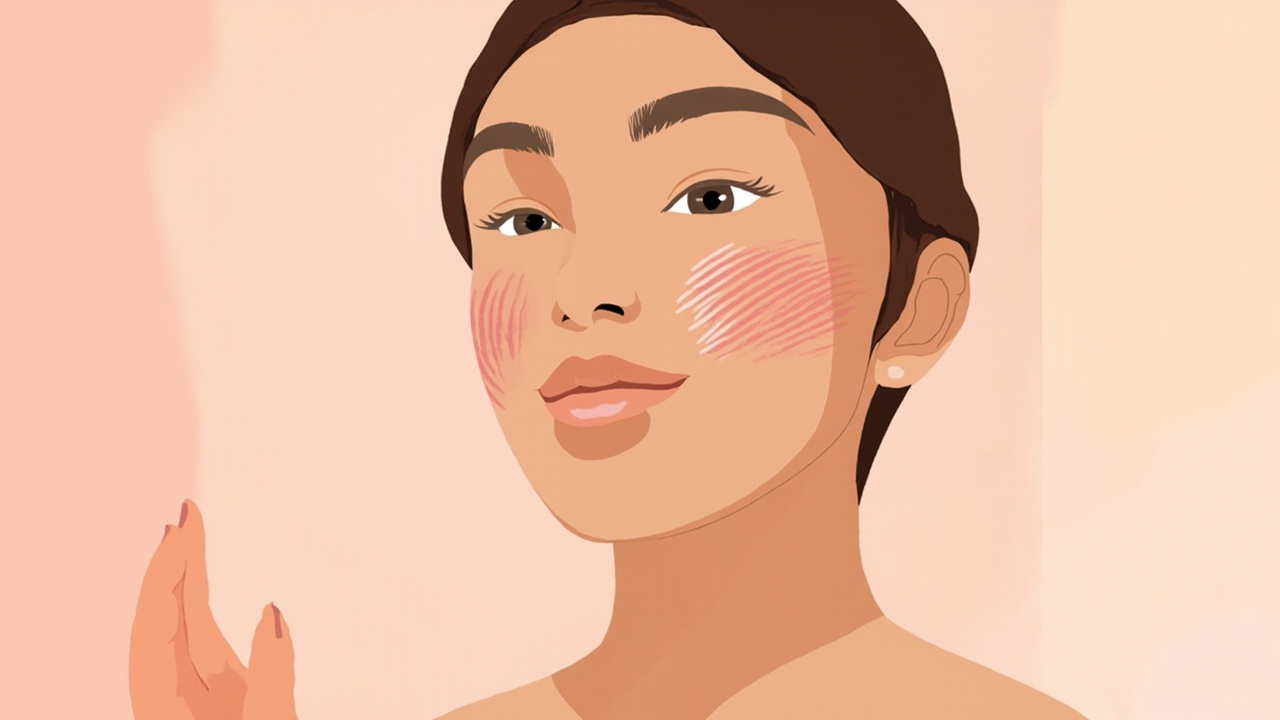
Genetics and Skin Type
Your genes play a big role. Some teens have a family history of early wrinkles. Skin type also matters.
- Dry skin: Lacks natural oils. It is prone to fine lines.
- Oily skin: Has more oil. It may delay wrinkles.
- Fair skin: Has less melanin. It is more vulnerable to UV damage.
If your parents had fine lines early, you might too. But you can still slow them down.
Sun Exposure and UV Damage
Sun is the #1 cause of premature aging. UV rays break down collagen and elastin. These proteins keep skin firm and smooth.
- UVA rays: Penetrate deep. Cause long-term damage.
- UVB rays: Burn the surface. Also damage skin.
Even short sun exposure adds up. Teens who spend time outdoors without protection are at risk. Tanning beds are even worse. They increase fine lines and skin cancer risk.
Dehydration and Diet
Your skin needs water to stay plump. Dehydrated skin looks dull. Fine lines become more visible.
- Drink 8-10 glasses of water daily.
- Eat water-rich foods: fruits, vegetables.
- Avoid too much caffeine and sugar. They dehydrate skin.
Diet also matters. Foods high in antioxidants protect skin. Examples: berries, nuts, leafy greens. Processed foods and sugar can damage collagen. This leads to fine lines.
Facial Expressions and Sleep Habits
Repeated facial movements cause lines. Smiling, frowning, squinting all create creases. Over time, these become permanent.
- Sleep lines: Pressing your face into a pillow causes wrinkles. Sleep on your back to prevent them.
- Screen time: Squinting at screens strains eye muscles. It can cause crow's feet.
Lack of sleep also affects skin. During sleep, your body repairs cells. Teens need 8-10 hours. Poor sleep increases stress hormones. These break down collagen.
How to Prevent and Reduce Fine Lines
!How to Prevent and Reduce Fine Lines
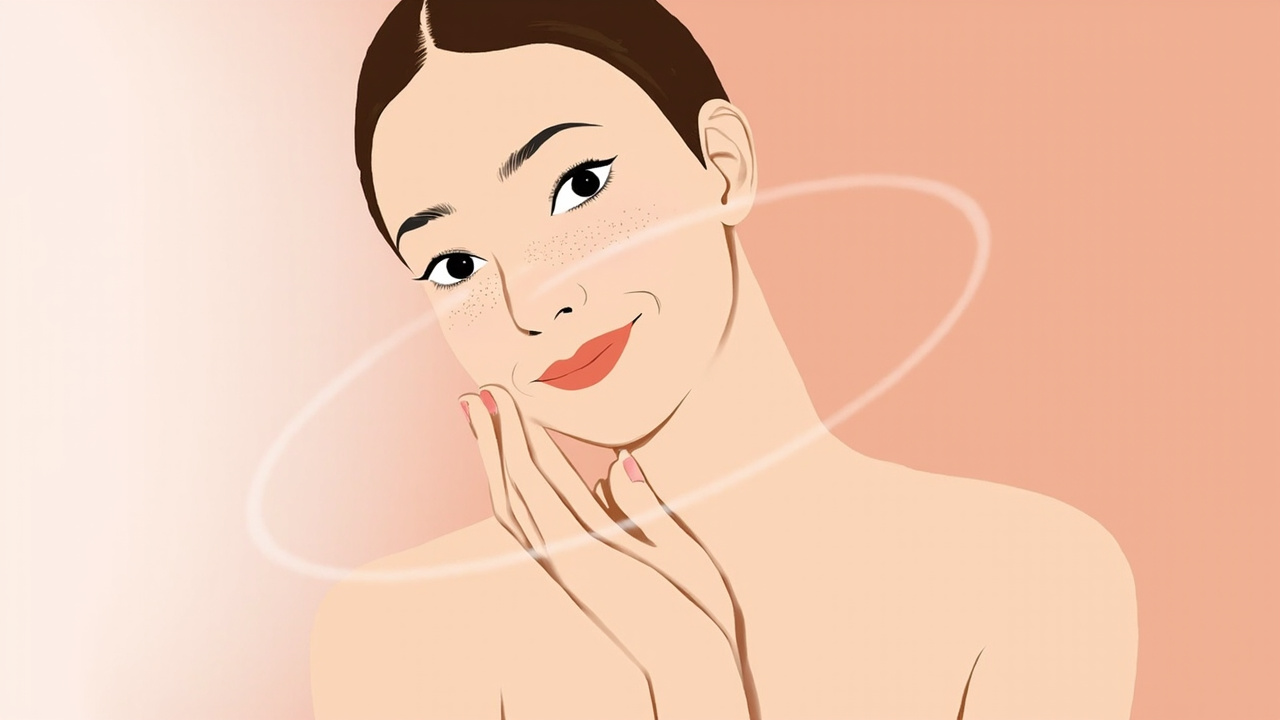
Sun Protection: The #1 Anti-Aging Strategy
Sunscreen is essential. Use it every day, even when cloudy.
- Choose broad-spectrum SPF 30 or higher.
- Apply to all exposed skin.
- Reapply every 2 hours if outdoors.
- Use lip balm with SPF.
Seek shade during peak sun (10 a.m. to 4 p.m.). Wear hats and sunglasses. Avoid tanning beds completely.
Skincare Routine for Teens: Gentle Cleansing and Moisturizing
A simple routine works best. Avoid harsh products that strip skin.
Step 1: Cleanse- Use a gentle, non-foaming cleanser.
- Wash twice daily (morning and night).
- Pat dry, don't rub.
- Apply a lightweight moisturizer.
- Look for hydrating ingredients.
- Moisturize while skin is damp.
- Apply sunscreen after moisturizer.
Avoid over-exfoliating. Once or twice a week is enough.
Ingredients to Look For: Hyaluronic Acid, Vitamin C, Retinol (with caution)
Certain ingredients help reduce fine lines.
- Hyaluronic Acid: Holds water. Plumps skin. Safe for all ages.
- Vitamin C: Antioxidant. Brightens skin. Protects from UV damage.
- Retinol (Vitamin A): Boosts collagen. Reduces fine lines. But use with caution in teens.
Other gentle ingredients: peptides, niacinamide, ceramides.
Lifestyle Changes: Hydration, Sleep, and Stress Management
Healthy habits support skin.
- Hydrate: Drink water throughout the day.
- Sleep: Aim for 8-10 hours. Use a silk pillowcase to reduce friction.
- Manage stress: Practice deep breathing, exercise, or hobbies. High stress increases cortisol, which breaks down collagen.
- Healthy diet: Eat antioxidant-rich foods. Limit sugar and processed snacks.
- Avoid smoking and vaping: They damage collagen and cause premature wrinkles.
When to See a Dermatologist
Most fine lines can be managed with routine. But see a dermatologist if:
- Fine lines are deep or widespread.
- You have concerns about your skin type.
- Over-the-counter products are not helping.
- You want to try prescription treatments.
A dermatologist can recommend:
- Prescription retinoids (stronger than over-the-counter).
- Chemical peels (mild, for teens).
- Microneedling or laser treatments (rare for teens).
They will also check for other skin issues like acne or sun damage.
Conclusion
You May Also Like
Explore more articles in our Health collection:
- Best Fragrance-Free Toner for Blackheads
- Best Fragrance-Free Toner for Whiteheads
- Best Gua Sha for Heat Damage: The Ultimate Guide to Repair and Recovery: Embracing Healthy Skin Habits Early
Fine lines in teens are common. But they are not inevitable. You can prevent and reduce them with simple steps.
Start with sun protection. Use a gentle skincare routine. Eat well, hydrate, and sleep enough. Avoid harsh products and bad habits.
Healthy skin habits now will benefit you for life. If you have concerns, talk to a dermatologist. They can guide you safely.
Key Takeaways
- Fine lines can appear in teens due to genetics, sun, dehydration, and lifestyle.
- Sunscreen is the most important prevention tool.
- A simple routine: gentle cleanser, moisturizer, sunscreen.
- Ingredients like hyaluronic acid and vitamin C are safe for teens.
- Retinol should be used with caution and under professional guidance.
- See a dermatologist for persistent or deep fine lines.
- Early habits lead to healthier skin long-term.
Frequently Asked Questions
Q: Is it normal for a 16-year-old to have fine lines?A: Yes, it can be normal. Genetics, sun exposure, and dehydration are common causes. Most fine lines are temporary and can be improved with skincare and lifestyle changes.
Q: Can retinol be used by teenagers?A: Yes, but with caution. Start with a low concentration (0.01%-0.03%) and use only at night. Always wear sunscreen. Consult a dermatologist first.
Q: Does drinking water really help fine lines?A: Yes. Water hydrates skin cells, making them plump. This reduces the appearance of fine lines. Aim for 8-10 glasses daily.
Q: Can sleeping on your back prevent wrinkles?A: Yes. Sleeping on your side or stomach presses your face into the pillow. This can create sleep lines over time. Sleeping on your back prevents this.
Q: When should a teen see a dermatologist for fine lines?A: If fine lines are deep, widespread, or not improving with basic care. Also if you want to try prescription treatments or have other skin concerns.
References
Related Tools
Try these free calculators and quizzes to personalize your routine: