Best Sleep Techniques for Redness

Understanding Redness and Its Connection to Sleep
Facial redness can stem from many causes. Common ones include rosacea, eczema, allergies, and sunburn. Sleep plays a vital role in skin health. During deep sleep, your body repairs skin cells. Cortisol, the stress hormone, drops. Inflammation decreases. Poor sleep raises cortisol. This increases inflammation and redness. Lack of sleep also weakens the skin barrier. A weak barrier lets irritants in. This worsens redness.
Studies show that chronic sleep deprivation triggers rosacea flares. One study found that poor sleep quality is linked to more severe rosacea. The link is clear: better sleep can calm redness. Below, we list the best sleep techniques for redness.
Top Sleep Techniques to Reduce Redness
!Top Sleep Techniques to Reduce Redness
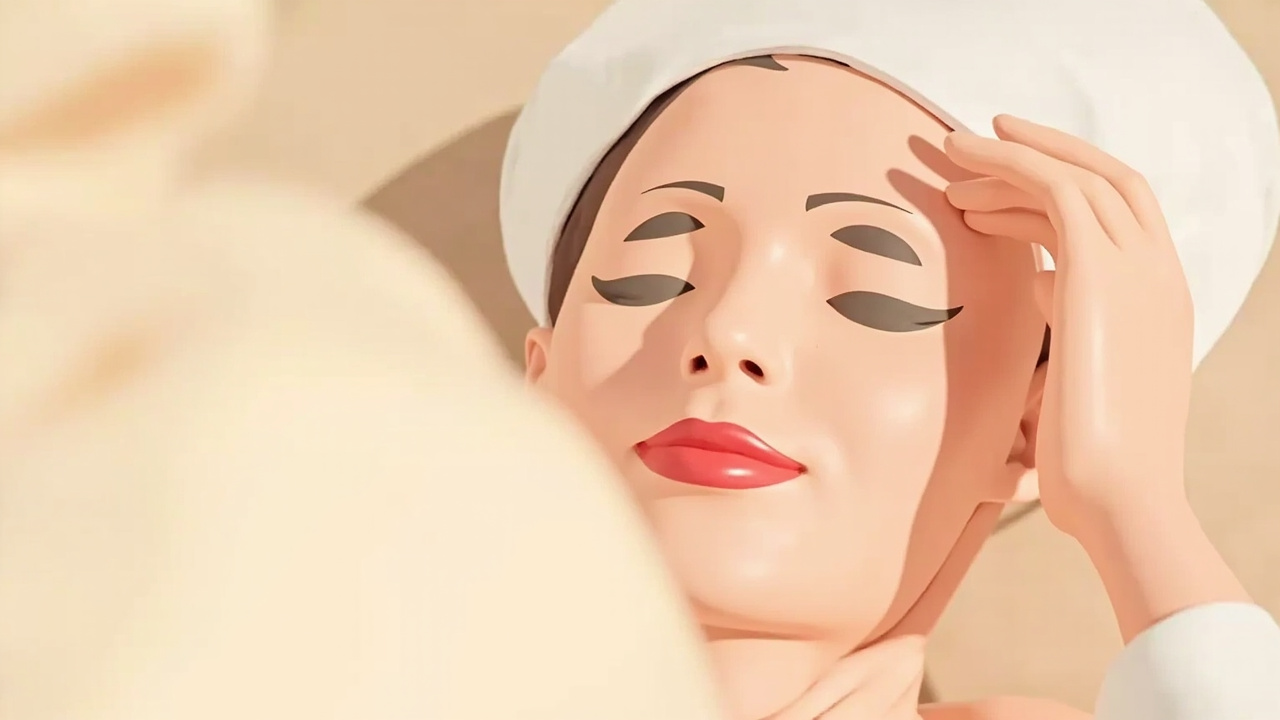
1. Optimize Your Sleep Environment
Your bedroom should promote rest. Follow these tips:
- Keep it cool: Set your thermostat to 65–68°F (18–20°C). Heat can dilate blood vessels. This increases redness.
- Use a humidifier: Dry air strips moisture. A humidifier keeps skin hydrated. Aim for 40–60% humidity.
- Choose hypoallergenic bedding: Dust mites and allergens can trigger redness. Use pillow and mattress covers. Wash sheets weekly in hot water.
- Block light: Use blackout curtains. Light disrupts melatonin. Melatonin helps regulate sleep and reduces inflammation.
- Reduce noise: Use a white noise machine or earplugs.
2. Establish a Consistent Sleep Schedule
Your body thrives on routine. Go to bed and wake up at the same time every day. This includes weekends. A regular schedule stabilizes your circadian rhythm. A healthy rhythm lowers cortisol. It also improves skin repair.
- Aim for 7–9 hours of sleep per night.
- Avoid napping after 3 PM.
- If you must nap, keep it under 30 minutes.
3. Practice Relaxation Techniques Before Bed
Stress is a major cause of redness. Relaxation techniques calm your nervous system. They lower cortisol. Try these:
- Deep breathing: Breathe in for 4 seconds. Hold for 4 seconds. Exhale for 6 seconds. Repeat 5 times.
- Progressive muscle relaxation: Tense and release each muscle group. Start from toes and move up.
- Meditation: Use a guided app for 10 minutes.
- Gentle yoga: Focus on poses that lower blood pressure. Avoid inverted poses that increase blood flow to the face.
4. Use Skincare Products That Support Nighttime Repair
Your skin repairs itself at night. Use products that aid this process:
- Gentle cleanser: Wash with a non-foaming, fragrance-free cleanser. Avoid hot water.
- Moisturizer with ceramides: Ceramides strengthen the skin barrier. Apply right after washing.
- Niacinamide serum: Niacinamide reduces redness and inflammation. Use a 2–5% concentration.
- Avoid retinoids and acids: These can irritate sensitive skin. If you use them, apply only on non-redness days.
- Sleep on a silk pillowcase: Silk reduces friction. It also absorbs less moisture and bacteria.
Lifestyle Adjustments to Enhance Sleep and Reduce Redness
!Lifestyle Adjustments to Enhance Sleep and Reduce Redness
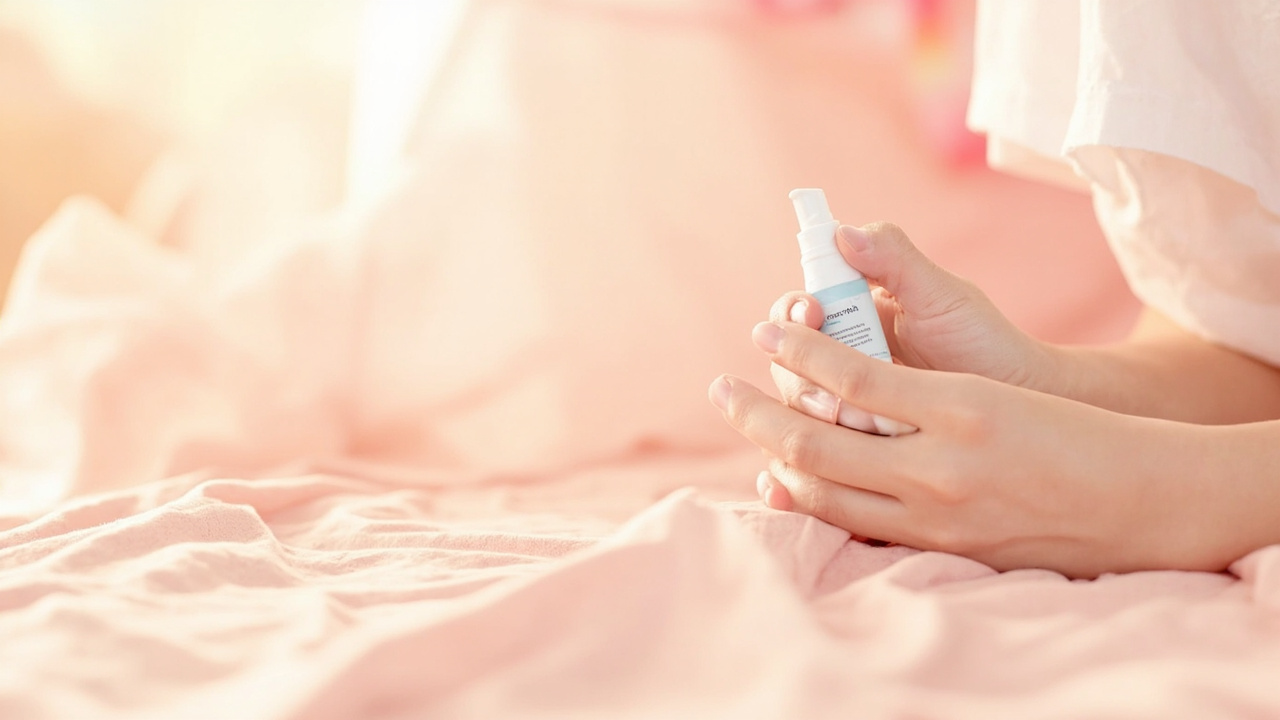
Small changes in your daily life can improve sleep quality:
- Limit screen time before bed: Blue light suppresses melatonin. Stop using devices 1 hour before sleep.
- Avoid caffeine after 2 PM: Caffeine stays in your system for hours. It disrupts sleep.
- Limit alcohol: Alcohol dilates blood vessels. This worsens redness. It also disrupts sleep.
- Eat anti-inflammatory foods: Include omega-3s (salmon, walnuts) and antioxidants (berries, leafy greens). Avoid spicy foods and alcohol.
- Exercise regularly: Exercise reduces stress. But avoid intense workouts close to bedtime.
When to See a Doctor for Persistent Redness
Many cases of redness improve with better sleep. But some need medical attention. See a dermatologist if:
- Redness lasts more than a few weeks.
- You have bumps, pustules, or visible blood vessels.
- Redness spreads or becomes painful.
- You have other symptoms like itching, burning, or swelling.
- Over-the-counter products don't help.
A dermatologist can diagnose conditions like rosacea, eczema, or contact dermatitis. They may prescribe medications such as topical metronidazole, azelaic acid, or oral antibiotics. For severe cases, laser therapy can reduce redness.
Key Takeaways
- Sleep is essential for skin repair and reducing inflammation.
- Optimize your sleep environment: cool, dark, quiet, and humidified.
- Stick to a consistent sleep schedule.
- Use relaxation techniques to lower stress before bed.
- Choose gentle, barrier-supporting skincare products.
- Make lifestyle changes like limiting alcohol and screen time.
- See a dermatologist if redness persists or worsens.
Frequently Asked Questions
1. Can sleeping on my side cause facial redness?Yes, side sleeping can press your face against the pillow. This increases friction and irritation. Use a silk pillowcase and try sleeping on your back to reduce pressure.
2. Does melatonin help with skin redness?Melatonin has anti-inflammatory properties. It may help reduce redness. However, more research is needed. Always consult a doctor before taking supplements.
3. What is the best sleep position for reducing redness?Sleeping on your back is best. It avoids pressure and friction on the face. It also helps prevent fluid accumulation that can worsen puffiness and redness.
4. How quickly can better sleep improve redness?Some people see improvement within a few days. Chronic redness may take weeks. Consistency is key. Combine good sleep with a proper skincare routine.
5. Can a humidifier really help with redness?Yes. Dry air dehydrates skin and weakens the barrier. A humidifier adds moisture to the air. This helps maintain skin hydration and reduces irritation.
Citations
You May Also Like
Explore more articles in our Wellness collection:
- The Link Between Sleep and Eczema
- The Link Between Sleep and Oily Skin
- The Link Between Sleep and Whiteheads
Related Tools
Try these free calculators and quizzes to personalize your routine: