Eczema in 60s and Beyond: What to Know

Introduction: Eczema in Older Adults
Eczema is not just a childhood condition. Many adults experience it for the first time after age 60. Others have had it for years and notice changes. Aging skin becomes thinner, drier, and less able to retain moisture. This makes older adults more prone to certain types of eczema. Proper care can reduce discomfort and prevent complications.
Why Eczema Changes with Age
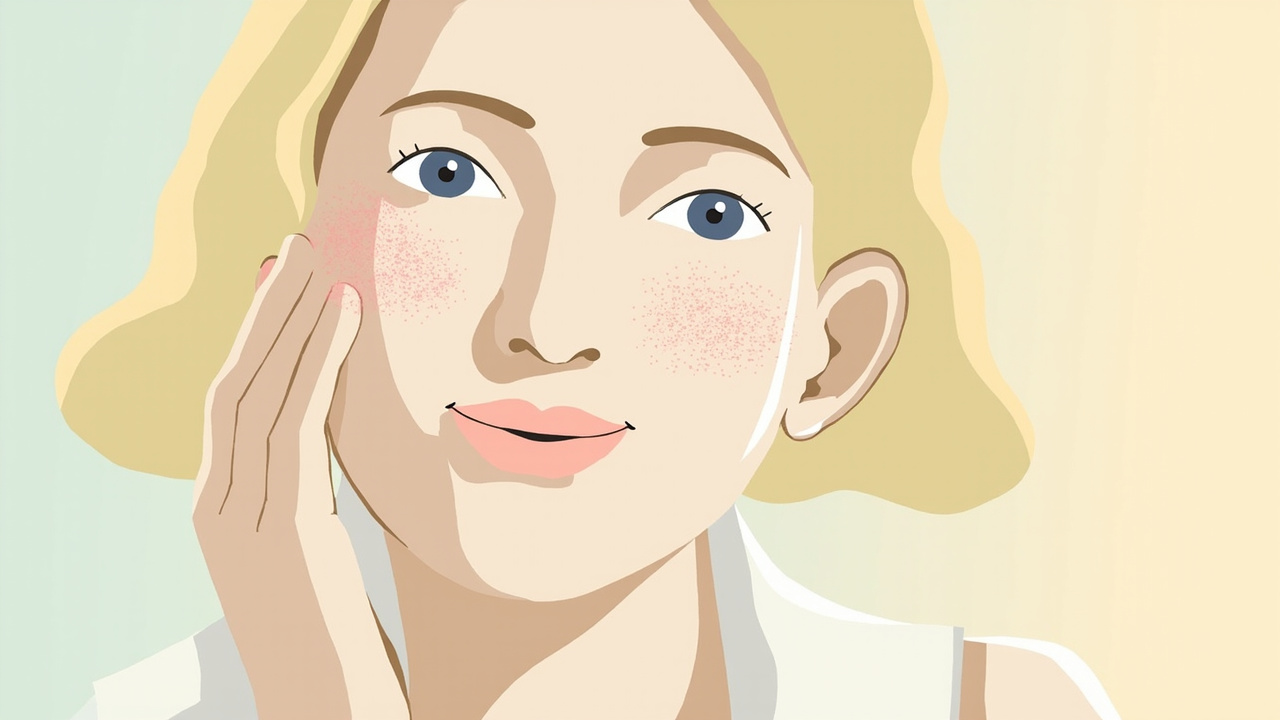
As we age, our skin undergoes natural changes. The outer layer (epidermis) thins. Oil production decreases. Blood flow to the skin slows. These changes weaken the skin barrier. A weak barrier allows moisture to escape and irritants to enter. This leads to dryness, itching, and inflammation.
- Reduced collagen makes skin fragile.
- Fewer sweat and oil glands reduce natural lubrication.
- Slower cell turnover means dead skin cells accumulate.
- Immune system changes can alter inflammatory responses.
All these factors contribute to new or worsening eczema in the 60s and beyond.
Common Types of Eczema in Seniors
!Common Types of Eczema in Seniors
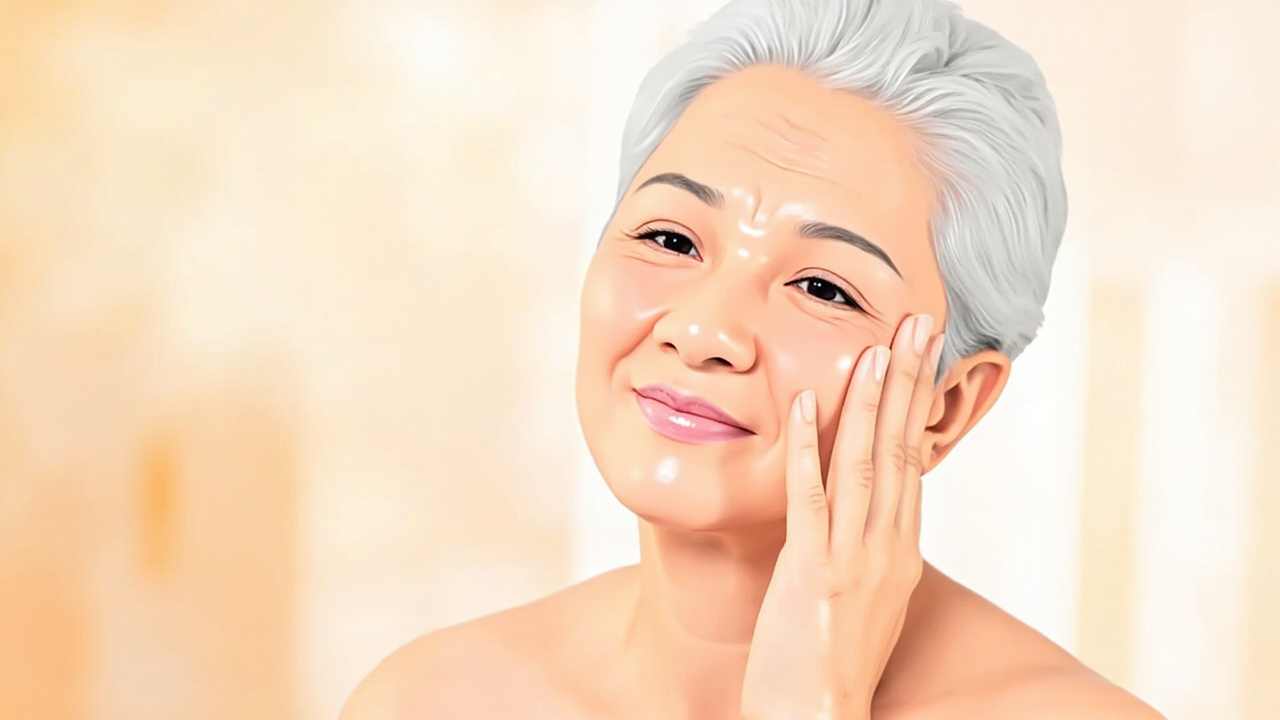
Asteatotic Eczema (Eczema Craquelé)
This is the most common type in older adults. It appears as dry, cracked skin that looks like a dry riverbed. The cracks can be red and inflamed. It often starts on the shins, but can affect arms, thighs, and trunk.
- Cause: Loss of natural oils and moisture.
- Triggers: Cold weather, low humidity, over-bathing, harsh soaps.
- Symptoms: Itching, flaking, and deep fissures that may bleed.
Stasis Dermatitis
Stasis dermatitis occurs due to poor circulation in the legs. It is common in people with varicose veins or heart conditions. Fluid builds up, causing swelling, redness, and scaling.
- Location: Lower legs, ankles, and feet.
- Symptoms: Heaviness, swelling, itching, and brownish discoloration.
- Risk: If untreated, can lead to leg ulcers.
Contact Dermatitis
Older adults may become sensitive to products they used for years. The skin becomes more reactive to irritants and allergens.
- Common culprits: Fragrances, preservatives, metals (nickel), rubber, adhesives.
- Symptoms: Red, itchy, blistered rash where the substance touched the skin.
Symptoms to Watch For
Eczema symptoms in seniors can differ from younger adults. Look for:
- Intense itching that worsens at night.
- Dry, scaly patches that may be red or brown.
- Deep cracks (fissures) that can become infected.
- Oozing or crusting from scratched areas.
- Thickened, leathery skin from chronic scratching (lichenification).
- Swelling in the legs (stasis dermatitis).
If you notice signs of infection—increased redness, warmth, pus, or fever—see a doctor immediately.
Triggers Unique to Older Adults
Some triggers become more common with age:
- Dry indoor air from heating or air conditioning.
- Frequent bathing with hot water and harsh soaps.
- Certain medications that dry the skin (diuretics, statins).
- Incontinence leading to irritation from urine or feces.
- Reduced mobility causing pressure and poor circulation.
- Diet changes that may reduce essential fatty acids or vitamins.
- Stress from health issues, loss, or lifestyle changes.
Diagnosis and When to See a Doctor
A dermatologist can diagnose eczema through a physical exam and medical history. They may ask about:
- When symptoms started.
- Your skincare routine.
- Medications and health conditions.
- Possible allergens or irritants.
Sometimes a patch test is used to identify contact allergens. A skin biopsy may rule out other conditions.
See a doctor if:- Itching interferes with sleep or daily life.
- Home care does not improve symptoms.
- You develop blisters, oozing, or signs of infection.
- You have leg swelling or pain (possible stasis dermatitis).
- The rash spreads or changes appearance.
Treatment Options for Seniors
Moisturizing and Skincare Routine
Moisturizing is the foundation of eczema care. Use thick creams or ointments, not lotions. Apply immediately after bathing to lock in moisture.
- Choose fragrance-free, hypoallergenic products.
- Use a gentle cleanser (soap-free, pH-balanced).
- Bathe in lukewarm water for 5–10 minutes.
- Pat skin dry—do not rub.
- Moisturize within 3 minutes of drying.
- Reapply moisturizer 2–3 times daily.
Topical Medications
- Corticosteroids: Reduce inflammation. Use as directed by a doctor. Long-term use can thin skin, so follow instructions carefully.
- Calcineurin inhibitors (tacrolimus, pimecrolimus): Non-steroid options for sensitive areas like face and groin.
- Crisaborole: A newer non-steroid ointment for mild to moderate eczema.
- Topical antibiotics: If infection is present.
Lifestyle and Home Remedies
- Wear soft, breathable fabrics like cotton. Avoid wool and synthetics.
- Keep nails short to reduce scratching damage.
- Use a humidifier in dry rooms.
- Avoid known triggers (certain soaps, detergents, fragrances).
- Manage stress with relaxation techniques.
- Elevate legs if you have stasis dermatitis.
- Apply cool compresses to itchy areas.
Managing Eczema Alongside Other Health Conditions
Many seniors have multiple health issues. Eczema care must fit with other treatments.
- Diabetes: Keep skin clean and dry to prevent infections. Check feet daily.
- Heart disease: Avoid overheating. Monitor leg swelling.
- Arthritis: Use easy-to-open containers. Ask for help applying creams to hard-to-reach areas.
- Kidney disease: Some eczema creams may affect kidney function. Consult your doctor.
- Dementia: Caregivers should establish a routine. Use gentle products and watch for scratching.
Always tell your dermatologist about all medications and conditions.
Prevention Tips
- Moisturize daily even when skin feels fine.
- Avoid harsh soaps and hot water.
- Use mild laundry detergents without fragrances or dyes.
- Stay hydrated by drinking enough water.
- Protect skin from extreme temperatures.
- Wear gloves when using cleaning products.
- Inspect skin regularly for cracks or signs of infection.
Key Takeaways
- Eczema is common in older adults due to age-related skin changes.
- Asteatotic eczema, stasis dermatitis, and contact dermatitis are frequent types.
- Moisturizing is the most important step in management.
- Use gentle, fragrance-free products and avoid triggers.
- See a dermatologist for proper diagnosis and treatment.
- Manage other health conditions alongside eczema.
- With proper care, most seniors can control symptoms and maintain quality of life.
Frequently Asked Questions
Q1: Can you develop eczema for the first time at age 60?A1: Yes. Many people get eczema later in life due to skin aging, dryness, and other factors.
Q2: Is eczema in seniors the same as in children?A2: No. Seniors more often have asteatotic eczema or stasis dermatitis, while children typically have atopic dermatitis.
Q3: Can eczema in older adults lead to other problems?A3: Yes. Scratching can cause skin infections. Stasis dermatitis can lead to leg ulcers if untreated.
Q4: What is the best moisturizer for elderly eczema?A4: Thick, fragrance-free creams or ointments like petroleum jelly or ceramide creams. Avoid lotions.
Q5: How often should seniors bathe if they have eczema?A5: Once daily for 5–10 minutes in lukewarm water. Use a gentle cleanser and moisturize immediately after.
You May Also Like
Explore more articles in our Health collection:
- How to Fix Brassiness: A Complete Guide to Neutralizing Unwanted Warm Tones
- How to Get Rid of Age Spots: Liver Spot Treatments That Actually Work According to Dermatologists
- How to Get Rid of Dark Spots: A Complete Step-by-Step Guide
Related Tools
Try these free calculators and quizzes to personalize your routine: