60s and Beyond Skin Care Routine for Inflammation

Understanding Inflammation in Aging Skin
Inflammation is your body's natural response to injury or irritants. But as you age, it can become chronic. This low-level inflammation damages skin cells and accelerates aging. It's often called "inflammaging."
How Skin Changes After 60
After 60, your skin undergoes several changes:
- Thinner epidermis: The outer layer becomes fragile.
- Reduced collagen and elastin: Skin loses firmness and bounce.
- Slower cell turnover: Dead cells accumulate, making skin dull.
- Weaker barrier function: Moisture escapes easily, and irritants penetrate more.
- Decreased oil production: Dryness and itchiness are common.
These changes make your skin more prone to inflammation.
Common Inflammatory Skin Conditions in Seniors
- Eczema (atopic dermatitis): Dry, itchy, red patches.
- Rosacea: Facial redness, visible blood vessels, and bumps.
- Contact dermatitis: Allergic or irritant reactions to products.
- Seborrheic dermatitis: Scaly, greasy patches on scalp and face.
- Pruritus: Intense itching without a visible rash.
Key Ingredients for an Anti-Inflammatory Routine
!Key Ingredients for an Anti-Inflammatory Routine
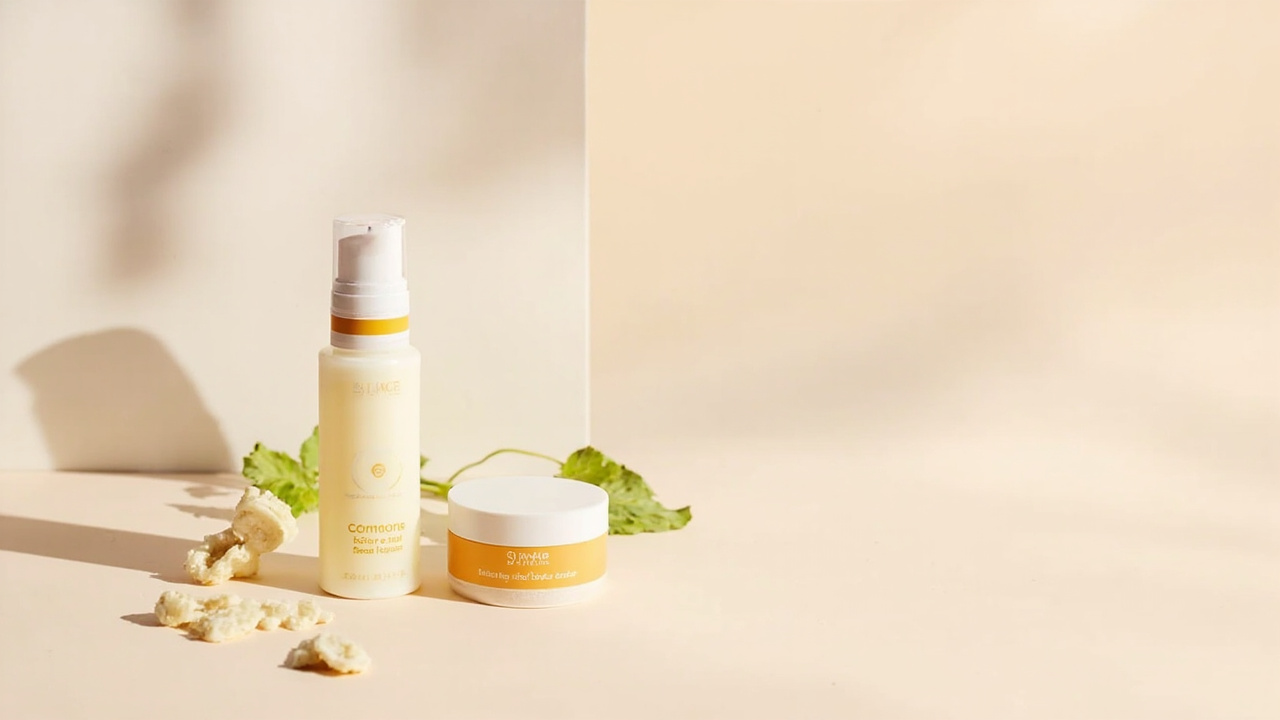
Choose ingredients that soothe, protect, and repair the skin barrier.
Antioxidants (Vitamin C, E, Niacinamide)
Antioxidants neutralize free radicals that cause inflammation.
- Vitamin C: Brightens skin, boosts collagen, and reduces redness. Use in the morning.
- Vitamin E: Moisturizes and protects against UV damage. Often paired with vitamin C.
- Niacinamide (Vitamin B3): Strengthens the barrier, reduces redness, and minimizes pores.
Soothing Agents (Aloe Vera, Oatmeal, Green Tea)
These calm irritation and provide immediate relief.
- Aloe Vera: Hydrates and cools inflamed skin.
- Oatmeal: Contains avenanthramides, which reduce itching and redness. Look for colloidal oatmeal.
- Green Tea: Rich in polyphenols (EGCG) that fight inflammation.
Moisturizers with Ceramides and Hyaluronic Acid
Ceramides are lipids that repair the skin barrier. Hyaluronic acid holds water, keeping skin hydrated.
- Ceramides: Restore barrier function, preventing moisture loss.
- Hyaluronic acid: Plumps skin and reduces the appearance of fine lines.
- Glycerin: A humectant that draws moisture into the skin.
Step-by-Step 60s and Beyond Skin Care Routine
!Step-by-Step 60s and Beyond Skin Care Routine
A gentle routine is key. Avoid harsh scrubs and high concentrations of active ingredients.
Gentle Cleansing
- Use a cream or milk cleanser that doesn't strip natural oils.
- Avoid foaming cleansers with sulfates.
- Look for ingredients like glycerin, ceramides, or oat extract.
- Cleanse twice a day. If very dry, cleanse only at night and rinse with water in the morning.
Targeted Serums and Treatments
After cleansing, apply a serum while skin is slightly damp.
- Morning: Vitamin C serum for antioxidant protection.
- Evening: Niacinamide or a peptide serum to support collagen.
- For redness, use a serum with green tea or azelaic acid (over-the-counter).
Hydration and Barrier Repair
Lock in moisture with a rich moisturizer.
- Day: Lightweight lotion with SPF 30+.
- Night: Thicker cream with ceramides, shea butter, or squalane.
- Apply to damp skin for better absorption.
Sun Protection
UV rays trigger inflammation and worsen skin conditions.
- Use a broad-spectrum sunscreen with SPF 30 or higher.
- Choose mineral sunscreens (zinc oxide or titanium dioxide) for sensitive skin.
- Reapply every two hours if outdoors.
Lifestyle Factors That Reduce Inflammation
What you eat and how you manage stress directly affect your skin.
Anti-Inflammatory Diet for Skin Health
- Omega-3 fatty acids: Found in salmon, walnuts, and flaxseeds. They reduce inflammation.
- Colorful fruits and vegetables: Rich in antioxidants. Eat berries, spinach, and carrots.
- Green tea: Drink 1-2 cups daily for polyphenols.
- Avoid: Sugary drinks, processed foods, and trans fats.
Stress Management and Sleep
- Chronic stress increases cortisol, which worsens inflammation.
- Practice meditation, deep breathing, or gentle yoga.
- Sleep is essential for skin repair. Aim for 7-8 hours per night.
- Use a silk pillowcase to reduce friction.
Products to Avoid for Sensitive Aging Skin
- Alcohol-based toners: They dry and irritate.
- Fragrances: Common allergens. Choose fragrance-free products.
- Harsh exfoliants: Avoid physical scrubs with walnut shells or large beads. Use chemical exfoliants (like lactic acid) sparingly.
- High-strength retinoids: Can cause redness and peeling. Start with low concentrations (0.25% retinol) and use only 2-3 times per week.
- Essential oils: Many are irritating, even if natural.
When to See a Dermatologist
If you experience:
- Persistent redness, itching, or pain.
- Sudden changes in skin texture or color.
- A rash that doesn't improve with gentle care.
- Signs of infection (oozing, crusting, warmth).
- Suspicious moles or growths.
A dermatologist can diagnose underlying conditions and prescribe treatments like topical corticosteroids or immunomodulators.
Key Takeaways
- Inflammation in aging skin is common but manageable.
- Use gentle, fragrance-free products with antioxidants, ceramides, and soothing agents.
- Follow a simple routine: Cleanse, treat, moisturize, protect.
- Adopt an anti-inflammatory diet and manage stress.
- Avoid harsh ingredients and over-exfoliation.
- See a dermatologist for persistent or severe symptoms.
Frequently Asked Questions
What is the best cleanser for inflamed skin after 60?
Use a cream or milk cleanser with ingredients like glycerin, ceramides, or oat extract. Avoid foaming cleansers with sulfates.
Can I use retinol if I have sensitive, aging skin?
Yes, but start with a low concentration (0.25% retinol) and apply only 2-3 times per week. Always moisturize and use sunscreen.
What foods help reduce skin inflammation?
Omega-3-rich foods (salmon, walnuts), colorful fruits and vegetables (berries, spinach), and green tea. Avoid sugar and processed foods.
How often should I exfoliate skin over 60?
No more than once a week. Use a gentle chemical exfoliant like lactic acid or PHA. Skip physical scrubs.
Do I need a separate day and night moisturizer?
A lightweight moisturizer with SPF works for day. At night, use a richer cream with ceramides or shea butter to support repair.
You May Also Like
Explore more articles in our Nutrition collection:
- Best K-Beauty Face Serum for Inflammation
- Teens Skin Care Routine for Inflammation
- 20s Skin Care Routine for Inflammation
Related Tools
Try these free calculators and quizzes to personalize your routine: