Eczema in 50s: What to Know

Understanding Eczema in Your 50s: An Overview
Eczema, also known as atopic dermatitis, is a chronic skin condition. It causes dry, itchy, and inflamed skin. Many people think eczema is only for children. But it can appear for the first time in your 50s. Or, if you had it earlier, it may change in midlife.
In your 50s, your skin is different. It is thinner, drier, and more fragile. This makes eczema management unique. Understanding these changes helps you control symptoms better.
Why Eczema Changes with Age
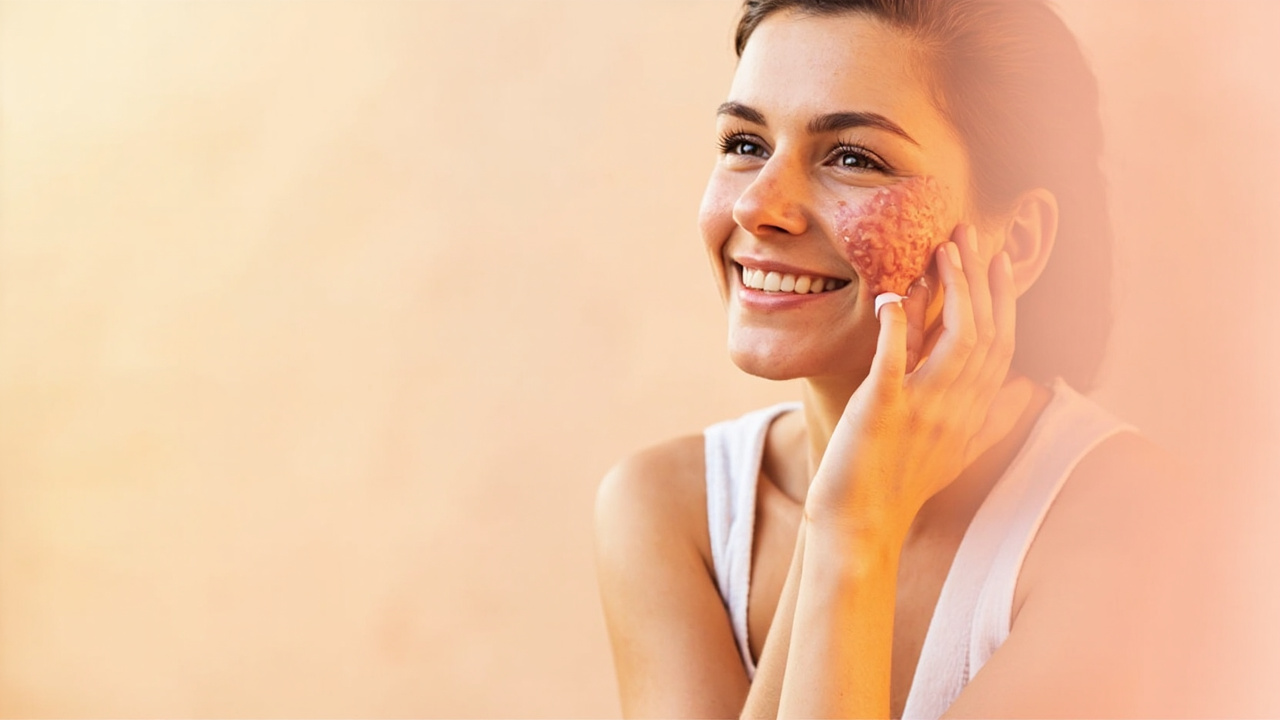
Hormonal Shifts and Skin Barrier Changes
Hormones fluctuate in your 50s. For women, menopause drops estrogen levels. Estrogen helps keep skin hydrated and thick. Lower estrogen leads to drier, thinner skin. This weakens the skin barrier.
The skin barrier protects against irritants and allergens. When it is weak, eczema triggers easily. Men also experience hormonal changes, though less dramatic. Testosterone decreases, affecting skin oil production. This can worsen dryness.
Common Triggers in Midlife
Triggers for eczema in your 50s include:
- Dry air: Low humidity, especially in winter or from indoor heating.
- Harsh soaps and detergents: Strip natural oils from skin.
- Stress: Higher cortisol levels can trigger flare-ups.
- Allergens: Dust mites, pet dander, pollen.
- Certain fabrics: Wool and synthetic materials irritate skin.
- Hot showers: They remove moisture.
- Diet: Some foods may worsen symptoms, but this varies.
Symptoms of Eczema in the 50s: What to Look For
!Symptoms of Eczema in the 50s: What to Look For

Symptoms may differ from younger years. Common signs include:
- Intense itching: Often worse at night.
- Dry, scaly patches: Usually on hands, elbows, knees, and neck.
- Red or brownish patches: Especially on lighter skin. On darker skin, it may look darker or purplish.
- Thickened skin: From long-term scratching (lichenification).
- Cracks and fissures: Deep, painful splits in skin.
- Oozing or crusting: If infected.
In your 50s, eczema often appears on hands and eyelids. Hand eczema is common due to frequent washing and chemical exposure. Eyelid eczema causes swelling and redness.
Diagnosis and Treatment Options
A dermatologist diagnoses eczema by examining your skin and asking about your history. They may perform a patch test to rule out allergies.
Over-the-Counter Remedies
- Moisturizers: Use thick creams or ointments (e.g., petroleum jelly). Apply right after bathing.
- Hydrocortisone cream: For mild inflammation. Use only short-term.
- Antihistamines: Oral ones like cetirizine can reduce itching.
- Calamine lotion: Soothes minor irritation.
- Colloidal oatmeal baths: Relieve itching.
Prescription Treatments and Lifestyle Adjustments
- Topical corticosteroids: Stronger than OTC. Use as directed to avoid side effects.
- Topical calcineurin inhibitors: Such as tacrolimus or pimecrolimus. Good for sensitive areas like face.
- Phosphodiesterase-4 inhibitors: Crisaborole ointment for mild to moderate eczema.
- Biologics: Dupilumab injection for moderate to severe cases.
- Oral medications: Corticosteroids or immunosuppressants for severe flares.
- Phototherapy: UV light treatment under medical supervision.
Lifestyle adjustments are crucial:
- Moisturize daily: Use fragrance-free products.
- Avoid triggers: Identify and avoid personal triggers.
- Gentle cleansing: Use mild, soap-free cleansers.
- Short, lukewarm baths: Limit to 10 minutes.
- Pat skin dry: Do not rub.
- Wear soft fabrics: Cotton is best.
- Manage stress: Practice relaxation techniques.
Managing Eczema Flare-Ups in Daily Life
Flare-ups can be unpredictable. Here is how to handle them:
- Stop the itch-scratch cycle: Apply cool compresses or moisturizer. Keep nails short.
- Use wet wrap therapy: Apply moisturizer, then wrap with damp gauze for a few hours.
- Take antihistamines at night: To reduce itching and improve sleep.
- Protect hands: Wear gloves when cleaning or in cold weather.
- Adjust diet: Some people find dairy, eggs, or gluten trigger flares. Keep a food diary.
- Stay hydrated: Drink enough water.
- Humidify your home: Use a humidifier in dry climates.
When to See a Dermatologist
See a dermatologist if:
- Your eczema does not improve with OTC treatments.
- Itching interferes with sleep or daily activities.
- You have signs of infection: increased redness, warmth, swelling, oozing, or fever.
- You develop new symptoms or rashes.
- You need a tailored treatment plan.
A dermatologist can prescribe stronger medications and rule out other conditions like psoriasis or skin cancer.
Key Takeaways
- Eczema in your 50s is often due to hormonal changes and skin aging.
- Symptoms include dry, itchy patches, especially on hands and eyelids.
- Treatment involves moisturizing, avoiding triggers, and using medications as needed.
- See a dermatologist for persistent or severe symptoms.
- With proper care, you can manage eczema and maintain healthy skin.
Frequently Asked Questions
Q: Can eczema appear for the first time in your 50s?A: Yes. Adult-onset eczema is common and can start in midlife due to hormonal changes and environmental factors.
Q: Is eczema in the 50s different from eczema in children?A: Yes. In adults, eczema often affects hands, eyelids, and flexural areas. The skin is drier and thinner, requiring gentler care.
Q: Can stress cause eczema flare-ups in your 50s?A: Yes. Stress increases cortisol levels, which can trigger inflammation and worsen eczema.
Q: Are there natural remedies for eczema in the 50s?A: Some people find relief with coconut oil, aloe vera, or oatmeal baths. Always patch test and consult a doctor before trying new remedies.
Q: What is the best moisturizer for eczema in your 50s?A: Thick, fragrance-free ointments like petroleum jelly or creams with ceramides are best. Apply immediately after bathing.
Citations
You May Also Like
Explore more articles in our Health collection: