Eczema in 30s: What to Know

Introduction: Why Eczema in Your 30s Is Different
Eczema, or atopic dermatitis, is often seen as a childhood condition. But many adults develop it for the first time in their 30s. Others find their childhood eczema returns. The 30s bring unique challenges. Stress, career demands, and lifestyle changes can trigger or worsen eczema. Adult eczema also looks different. It often appears on the hands, eyelids, and flexural areas. Understanding these differences is key to managing it.
Common Triggers for Eczema in Your 30s
!Common Triggers for Eczema in Your 30s
Stress and Hormonal Changes
Stress is a major trigger. In your 30s, you may face work pressure, relationships, and financial stress. Stress raises cortisol levels. This can increase inflammation and worsen eczema. Hormonal changes also play a role. Pregnancy, menstrual cycles, and perimenopause can trigger flare-ups. Hormones affect the skin barrier and immune response.
Environmental Factors
Your environment changes in your 30s. You may move to a new city or start a new job. Dry indoor air from heating or air conditioning can dry out skin. Irritants like soaps, detergents, and cleaning products are common. Allergens like dust mites, pet dander, and pollen also trigger eczema. Even certain fabrics like wool or synthetics can cause irritation.
Diet and Lifestyle
Diet can influence eczema. Some people react to dairy, eggs, nuts, or gluten. Alcohol and caffeine may also trigger flare-ups. Lack of sleep is a common lifestyle factor. Poor sleep increases stress hormones and weakens the skin barrier. Exercise can help, but sweating may irritate skin. Choose breathable clothing and shower right after.
Symptoms to Watch For
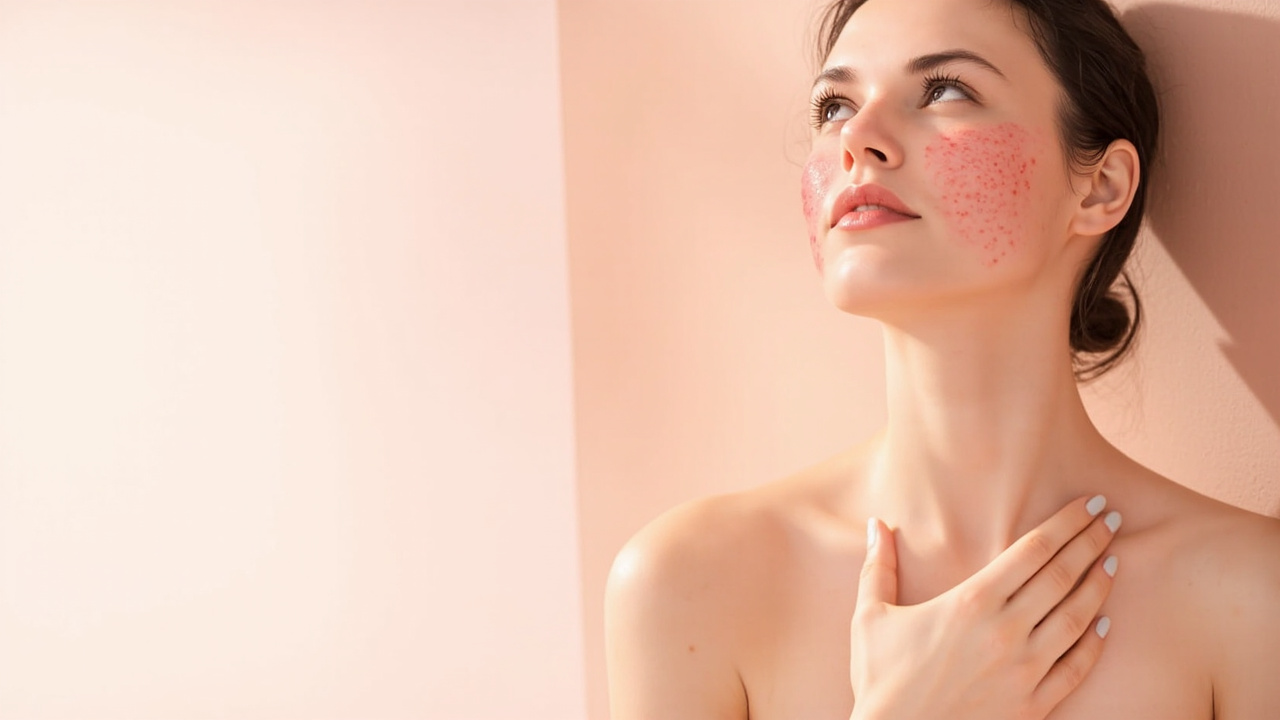
Adult eczema often differs from childhood eczema. Common symptoms include:
- Itchy, dry, and scaly patches
- Red or brownish-gray patches
- Thickened, cracked skin
- Small, raised bumps that may leak fluid
- Raw, sensitive skin from scratching
In your 30s, eczema often appears on the hands, eyelids, neck, and inside the elbows or knees. Hand eczema is common due to frequent washing or irritant exposure. Eyelid eczema can be mistaken for allergies. Look for persistent itching and rash that doesn't go away with moisturizer.
Diagnosis and When to See a Doctor
See a dermatologist if you have persistent symptoms. They can diagnose eczema through a physical exam and medical history. They may ask about your triggers, family history, and allergies. Sometimes a patch test is done to rule out contact dermatitis. See a doctor if:
- Your rash is severe or widespread
- It interferes with sleep or daily activities
- You have signs of infection (yellow crusting, oozing, fever)
- Over-the-counter treatments don't help
Early diagnosis and treatment can prevent complications like skin infections and scarring.
Treatment Options for Adults
Over-the-Counter Solutions
Start with gentle skincare. Use fragrance-free moisturizers and cleansers. Apply moisturizer within 3 minutes of bathing. Look for products with ceramides, glycerin, or petrolatum. Over-the-counter hydrocortisone creams can reduce mild inflammation. Use them only for short periods. Antihistamines like cetirizine can help with itching, especially at night.
Prescription Medications
If OTC options fail, your doctor may prescribe:
- Topical corticosteroids (stronger than OTC)
- Topical calcineurin inhibitors (tacrolimus, pimecrolimus) for sensitive areas
- Phosphodiesterase-4 inhibitors (crisaborole)
- Oral medications like prednisone for severe flares
- Biologics (dupilumab) for moderate-to-severe eczema
- JAK inhibitors (upadacitinib, abrocitinib) for adults with inadequate response to other treatments
These treatments target inflammation and immune response. Your doctor will choose based on your severity and health history.
Lifestyle Modifications and Home Remedies
Simple changes can make a big difference:
- Use lukewarm water for bathing (not hot)
- Pat skin dry, don't rub
- Moisturize immediately after bathing
- Wear soft, breathable fabrics like cotton
- Use a humidifier in dry climates
- Identify and avoid your triggers
- Manage stress with meditation, yoga, or therapy
Managing Eczema Flare-Ups at Work and Socially
Eczema can affect your social life and career. Itching and visible rashes can be embarrassing. Here are tips:
- Keep a small moisturizer at your desk
- Use breathable bandages to cover patches
- Explain your condition to close colleagues if needed
- Choose makeup and skincare that is fragrance-free
- Avoid hand sanitizers with alcohol; use gentle wipes
- At social events, avoid scratching by keeping hands busy
You can still enjoy activities. Just plan ahead. For example, bring your own soap to a friend's house. Wear gloves for dishwashing. Take breaks to cool down if you get hot.
Long-Term Outlook and Prevention Tips
Eczema is chronic, but it can be managed. Many adults see improvement with age. Prevention is key:
- Stick to a daily skincare routine
- Avoid known triggers
- Keep stress in check
- Stay hydrated
- See a dermatologist regularly
With proper care, you can minimize flare-ups and maintain healthy skin.
Key Takeaways
- Eczema in your 30s is common and often triggered by stress, hormones, and environment.
- Symptoms include itchy, dry patches on hands, eyelids, and flexural areas.
- Diagnosis is clinical; see a dermatologist for persistent or severe symptoms.
- Treatment ranges from OTC moisturizers to prescription medications like biologics.
- Lifestyle changes, trigger avoidance, and stress management are essential.
- Long-term outlook is good with consistent care.
Frequently Asked Questions
Q: Can eczema start in your 30s for the first time?A: Yes. Adult-onset eczema is common. Triggers like stress, allergies, and hormonal changes can cause it.
Q: Is eczema in adults different from children?A: Yes. Adults often have eczema on hands, eyelids, and flexural areas. It may be more persistent and linked to stress.
Q: What is the best moisturizer for adult eczema?A: Fragrance-free creams or ointments with ceramides, glycerin, or petrolatum. Apply within 3 minutes of bathing.
Q: Can diet affect eczema in your 30s?A: For some, yes. Common triggers include dairy, eggs, nuts, gluten, alcohol, and caffeine. Keep a food diary to identify triggers.
Q: When should I see a dermatologist for eczema?A: See a dermatologist if OTC treatments don't help, symptoms are severe, or you have signs of infection (oozing, crusting, fever).
Citations
- American Academy of Dermatology. "Eczema: Tips for managing." Accessed 2023. https://www.aad.org/public/diseases/eczema/childhood-vs-adult
- Mayo Clinic. "Atopic dermatitis (eczema)." Accessed 2023. https://www.mayoclinic.org/diseases-conditions/atopic-dermatitis-eczema/symptoms-causes/syc-20353273
- National Eczema Association. "Adult eczema." Accessed 2023. https://nationaleczema.org/eczema/adults/
You May Also Like
Explore more articles in our Health collection:
- Sun Damage in 20s: What to Know
- Tea Tree Oil for Acne: Does It Work? A Science-Based Review and Best Products
- The Best Lash Serum for Oily Hair: A Complete Guide to Non-Greasy Lash Growth
Related Tools
Try these free calculators and quizzes to personalize your routine: