Damaged Hair in 40s: What to Know

Understanding Hair Changes in Your 40s
Hair naturally changes as you age. In your 40s, you may notice:
- Thinner strands
- Less volume
- More dryness
- Increased brittleness
- Slower growth
- More grays
These changes happen due to hormonal shifts, especially declining estrogen. Estrogen supports hair growth and thickness. Less estrogen means shorter growth phases and finer hair.
Your scalp also produces less oil. This leads to dryness. Hair cuticles lift, causing frizz and breakage.
Genetics play a role too. If your mother or grandmother had thinning hair, you might too.
Common Causes of Damaged Hair in Your 40s
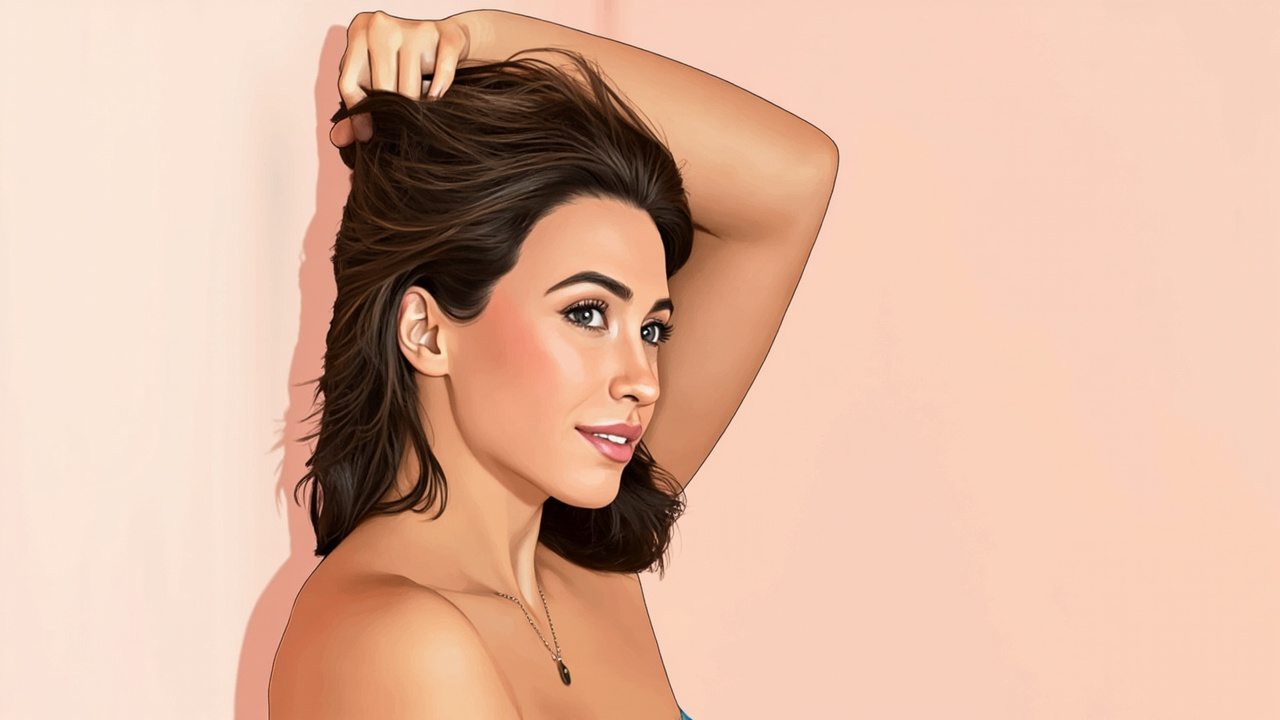
!Common Causes of Damaged Hair in Your 40s
Hormonal Changes
Estrogen drops during perimenopause. This reduces hair density. Lower estrogen also increases androgen sensitivity. Androgens can shrink hair follicles.
Environmental Stressors
Sun exposure damages hair proteins. UV rays break down keratin. Pollution creates free radicals that harm strands.
Heat Styling
Frequent blow-drying, curling, and straightening weaken hair. High heat removes moisture. It also cracks the cuticle.
Chemical Treatments
Color, bleach, perms, and relaxers alter hair structure. They strip natural oils. Over time, they cause cumulative damage.
Nutritional Deficiencies
Your 40s may bring dietary changes. Low iron, vitamin D, B12, or zinc affect hair health. Protein deficiency also weakens strands.
Medications
Some drugs cause hair changes. Blood pressure meds, antidepressants, and thyroid treatments can lead to dryness or breakage.
Stress
Chronic stress raises cortisol. High cortisol can push hair into shedding phase. This leads to temporary thinning.
How to Identify Damaged Hair

Look for these signs:
- Split ends
- Frizz that won't smooth
- Dull appearance
- Tangles and knots
- Breakage when brushing
- Elasticity loss (strands snap instead of stretch)
- Rough texture
Check your hair when wet. Damaged hair feels mushy or gummy. Healthy hair feels smooth and springy.
Do a simple test: Take a strand and stretch it gently. Healthy hair stretches about 20% then returns. Damaged hair breaks easily or stays stretched.
Effective Treatments for Damaged Hair in Your 40s
Use Bond-Building Products
Products with bond-repairing ingredients (like Olaplex, but no brand endorsement) help reconnect broken disulfide bonds. Look for ingredients like bis-aminopropyl diglycol dimaleate. Use as directed.
Deep Conditioning Masks
Apply a deep conditioner weekly. Choose masks with:
- Ceramides (restore lipid barrier)
- Hydrolyzed proteins (fill gaps in cuticle)
- Natural oils (coconut, argan, jojoba)
Leave on for 10-20 minutes under a shower cap.
Protein Treatments
Protein strengthens hair. Use a protein treatment every 2-4 weeks. Overuse can cause stiffness. Balance with moisture.
Leave-In Conditioner
Apply a lightweight leave-in after washing. It protects from heat and reduces friction.
Avoid Harsh Sulfates
Sulfates strip natural oils. Choose sulfate-free shampoos. They clean gently without over-drying.
Limit Heat
Use heat tools on low settings (below 300°F). Always apply a heat protectant. Air-dry when possible.
Trim Regularly
Cut off split ends every 6-8 weeks. This prevents breakage from traveling up the shaft.
Scalp Care
A healthy scalp grows healthy hair. Exfoliate weekly with a gentle scrub. Use a scalp serum with peptides or caffeine to stimulate circulation.
Supplements
Consider these after consulting a doctor:
- Biotin (may improve keratin infrastructure)
- Vitamin D (deficiency linked to hair loss)
- Iron (if low, supplement helps)
- Omega-3 fatty acids (reduce inflammation)
Note: Only supplement if deficient. Blood tests confirm needs.
Prescription Treatments
For thinning, dermatologists may recommend:
- Minoxidil (topical, over-the-counter or prescription strength)
- Spironolactone (oral anti-androgen)
- Low-level laser therapy (devices)
These require professional guidance.
Preventive Hair Care Tips for Women Over 40
Wash Less Often
Shampoo 2-3 times per week. Overwashing removes natural oils. Use dry shampoo between washes.
Condition First
Reverse washing: apply conditioner before shampoo. This adds moisture without weighing hair down.
Use a Wide-Tooth Comb
Detangle wet hair with a wide-tooth comb. Start from ends, work up. Never brush wet hair.
Protect from Sun
Wear a hat or use UV-protectant spray. Sun exposure degrades hair proteins.
Sleep on Silk
Silk or satin pillowcases reduce friction. Cotton causes tangles and breakage.
Avoid Tight Hairstyles
Ponytails, buns, and braids that pull cause traction alopecia. Alternate styles.
Eat a Balanced Diet
Include:
- Lean protein (chicken, fish, eggs)
- Healthy fats (avocado, nuts)
- Iron-rich foods (spinach, lentils)
- Vitamin C (citrus, bell peppers) for iron absorption
Manage Stress
Practice meditation, yoga, or deep breathing. Lower cortisol supports hair health.
Stay Hydrated
Drink 8+ glasses of water daily. Dehydration makes hair brittle.
When to See a Professional
Consult a dermatologist if:
- Hair loss is sudden or patchy
- You see bald spots
- Scalp is red, itchy, or painful
- Hair breakage is severe
- You suspect a medical condition (thyroid, anemia)
- Over-the-counter treatments don't help
A dermatologist can diagnose underlying causes. They may perform blood tests, scalp biopsy, or prescribe medications. Early intervention prevents further damage.
Also see a trichologist (hair specialist) for personalized care plans.
Key Takeaways
- Hair changes in your 40s are normal due to hormones and aging.
- Common causes: hormonal shifts, heat styling, chemicals, nutrition, stress.
- Identify damage by split ends, dryness, brittleness, and lack of elasticity.
- Treat with bond builders, deep conditioning, protein treatments, and gentle care.
- Prevent damage by limiting heat, using silk pillowcases, and eating well.
- See a dermatologist for sudden hair loss or scalp issues.
- Consistency is key—healthy hair takes time and gentle habits.
FAQ
Can damaged hair in your 40s be reversed?
Yes, with proper care. Hair cannot repair itself, but new growth can be healthy. Focus on preventing further damage and nurturing new strands.
Is it normal to lose more hair in your 40s?
Some increase is normal due to hormonal changes. But if you notice clumps or bald patches, see a doctor.
What ingredients should I look for in hair products for damaged hair?
Look for ceramides, hydrolyzed proteins, amino acids, natural oils (coconut, argan), and bond-repairing ingredients like bis-aminopropyl diglycol dimaleate.
How often should I trim my hair in my 40s?
Every 6-8 weeks to remove split ends. This prevents breakage and keeps hair looking healthy.
Can diet really improve damaged hair?
Yes. A balanced diet with protein, iron, vitamins D and B12, and omega-3s supports hair strength and growth. Deficiencies can worsen damage.
You May Also Like
Explore more articles in our Beauty collection:
- Best K-Beauty Cleanser for Dandruff
- Best K-Beauty Cleanser for Hyperpigmentation
- Best K-Beauty Cleanser for Thinning Hair
Related Tools
Try these free calculators and quizzes to personalize your routine: