How to Fade Razor Burn: A Complete Step-by-Step Guide to Soothing and Healing Irritated Skin

“I’ll never forget the patient who came to me in tears before her wedding,” I recall, reflecting on my years as a board-certified dermatologist. “She had shaved her legs for the big day, and instead of smooth skin, she was left with angry red patches that burned every time she walked.” Stories like hers are all too common. Razor burn isn’t just a minor nuisance—it’s an inflammatory response that can compromise the skin barrier, leading to discomfort and even post-inflammatory hyperpigmentation if not managed correctly. Over my 15 years of clinical practice, I’ve treated countless cases, and the key principle I always emphasize is this: healthy shaving is about preparation, not just repair.
Razor burn occurs when the top layer of the epidermis is stripped away by a dull blade, excessive pressure, or insufficient lubrication, triggering a cascade of histamine release and localized inflammation. As a dermatologist, I’ve seen how this simple misstep can derail your confidence—but the science-backed solutions are straightforward. In this complete, step-by-step guide, I’ll walk you through evidence-based methods to soothe irritation, accelerate healing, and prevent future flare-ups, so you can achieve the smooth, calm skin you deserve.
What Is Razor Burn? Understanding the Causes and Background
Before diving into treatments, it’s essential to understand what razor burn actually is and why it happens.
Razor burn is a form of skin irritation caused by shaving. It typically appears as a red, blotchy rash accompanied by a burning or stinging sensation. Unlike razor bumps (pseudofolliculitis barbae), which are caused by ingrown hairs, razor burn is a surface-level inflammatory reaction.
Common Causes of Razor Burn
- Dry shaving: Shaving without water, shaving cream, or gel creates friction that strips the skin’s natural moisture barrier.
- Dull blades: A dull razor pulls and tugs at hairs instead of cutting them cleanly, causing micro-tears in the skin.
- Shaving too quickly: Rushing through a shave increases the risk of nicks, irritation, and uneven pressure.
- Shaving against the grain: While this gives a closer shave, it also increases friction and irritation.
- Sensitive skin: People with conditions like eczema, rosacea, or naturally reactive skin are more prone to razor burn.
- Using harsh products: Alcohol-based aftershaves, fragranced lotions, or exfoliating scrubs immediately after shaving can aggravate the skin.
- Improper pre-shave preparation: Skipping a warm water rinse or not softening the hair beforehand makes shaving more abrasive.
Who Gets Razor Burn?
Anyone who shaves can experience razor burn, but it’s especially common in:
- Men with coarse facial hair
- Women shaving sensitive areas like the bikini line or underarms
- Athletes who shave legs or arms for sports (e.g., swimmers, cyclists)
- People with curly or thick hair (more prone to ingrown hairs and irritation)
Step 1: Immediate First Aid for Razor Burn
!Step 1: Immediate First Aid for Razor Burn
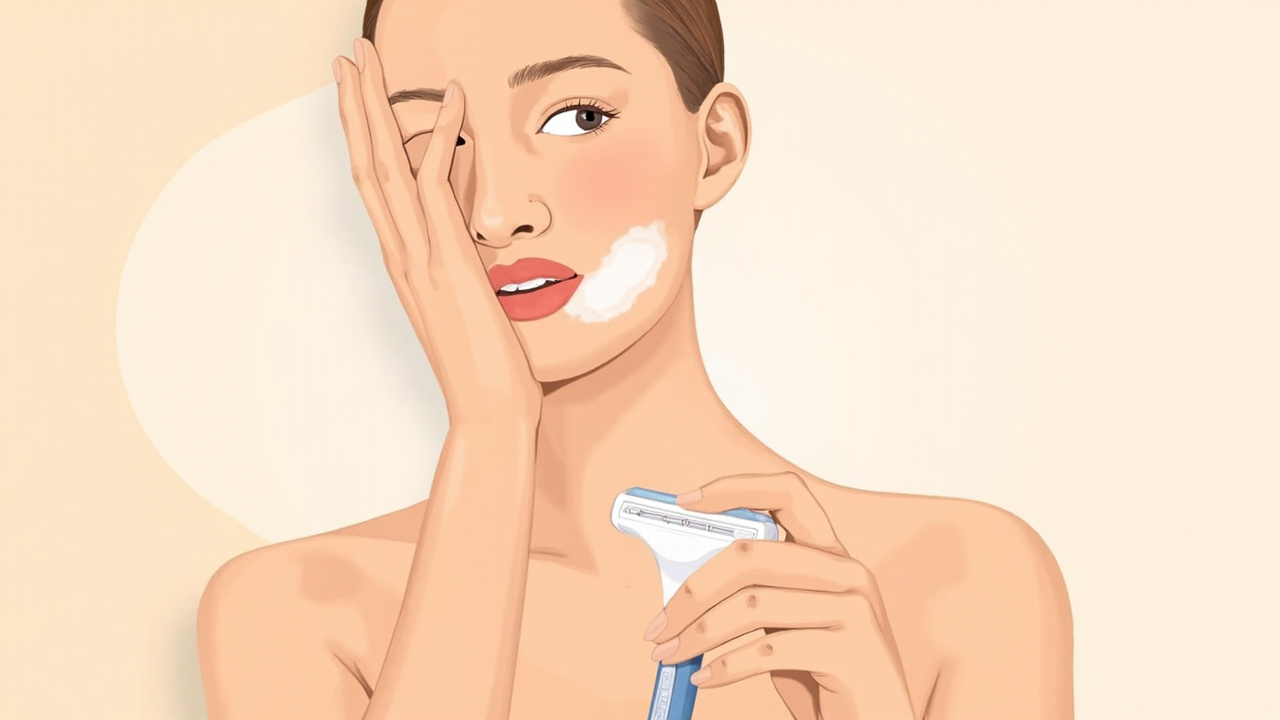
If you’ve just finished shaving and feel that familiar sting, act fast. The sooner you calm the inflammation, the faster the redness will fade.
What to Do Right After Shaving
What NOT to Do Immediately After Shaving
- Do not apply heavy oils or petroleum jelly, which can clog pores and trap bacteria.
- Do not exfoliate or scrub the area for at least 24–48 hours.
- Do not shave again until the irritation has completely healed.
Step 2: Home Remedies to Fade Razor Burn Fast
!Step 2: Home Remedies to Fade Razor Burn Fast

Most cases of razor burn can be treated effectively at home with ingredients you likely already have in your kitchen or bathroom cabinet. Here are the most reliable remedies.
1. Aloe Vera Gel
Aloe vera is a gold-standard remedy for skin irritation. It contains anti-inflammatory compounds, vitamins C and E, and enzymes that soothe and repair the skin.
- How to use: Apply pure aloe vera gel (from the plant or a 100% natural product) directly to the affected area. Leave it on for 15–20 minutes, then rinse with cool water. Repeat 2–3 times daily.
2. Cold Green Tea Compress
Green tea is rich in antioxidants and tannins that reduce redness and inflammation.
- How to use: Steep two green tea bags in hot water, then refrigerate them for 30 minutes. Place the chilled bags directly on the razor burn for 10 minutes. Alternatively, soak a clean cloth in cooled green tea and apply as a compress.
3. Oatmeal Paste
Colloidal oatmeal is a proven skin soother. It forms a protective barrier and relieves itching.
- How to use: Mix 1 tablespoon of finely ground oatmeal (or colloidal oatmeal powder) with a little water or plain yogurt to form a paste. Apply to the razor burn and leave for 15 minutes before rinsing.
4. Apple Cider Vinegar (Diluted)
Apple cider vinegar has antibacterial and anti-inflammatory properties, but it must be diluted to avoid burning the skin.
- How to use: Mix 1 part raw apple cider vinegar with 3 parts water. Apply with a cotton ball to the affected area. Leave for 5–10 minutes, then rinse. Do not use on broken skin.
5. Coconut Oil
Virgin coconut oil contains lauric acid, which has antimicrobial properties, and it deeply moisturizes the skin.
- How to use: Gently massage a small amount of coconut oil onto the razor burn after cleansing. Use it as a moisturizer 2–3 times per day.
6. Hydrocortisone Cream (Over-the-Counter)
For moderate to severe redness and itching, an over-the-counter 1% hydrocortisone cream can provide fast relief.
- How to use: Apply a thin layer no more than twice daily for up to 3 days. Do not use on open cuts or for extended periods, as it can thin the skin.
Step 3: Professional Treatments for Stubborn Razor Burn
If home remedies aren’t enough after 5–7 days, or if you have chronic razor burn, consider these professional options.
1. Prescription-Strength Topical Steroids
A dermatologist can prescribe a stronger corticosteroid cream (e.g., triamcinolone) to rapidly reduce inflammation. This is typically used for short-term treatment only.
2. Laser Hair Removal
For people who experience razor burn every time they shave, laser hair removal is a long-term solution. It reduces hair growth and thickness, minimizing friction and irritation.
- Cost: $200–$500 per session (multiple sessions needed)
- Timeline: 6–8 sessions spaced 4–6 weeks apart
3. Chemical Peels
Light chemical peels (e.g., with glycolic or salicylic acid) can exfoliate dead skin cells, reduce inflammation, and prevent ingrown hairs that often accompany razor burn.
- Who it’s for: People with both razor burn and razor bumps (ingrown hairs)
4. IPL (Intense Pulsed Light) Devices
At-home IPL devices (like those from Philips or Braun) can reduce hair regrowth and improve skin texture over time. They are less powerful than professional lasers but can still be effective.
Step 4: Prevention Tips – How to Never Get Razor Burn Again
The best treatment for razor burn is prevention. Adopt these habits for a smooth, irritation-free shave every time.
Pre-Shave Preparation
During the Shave
Post-Shave Care
Step 5: Product Recommendations for Fading Razor Burn
Here are dermatologist-recommended products organized by category:
Best Shaving Creams for Sensitive Skin
- Cremo Premium Shave Cream: Ultra-slick, fragrance-free option that reduces friction.
- La Roche-Posay Lipikar Shaving Cream: Designed for eczema-prone skin, very soothing.
- The Art of Shaving Unscented Shaving Cream: Rich, moisturizing, and alcohol-free.
Best Post-Shave Balms
- Thayers Alcohol-Free Witch Hazel Aftershave: Contains aloe and witch hazel to tone without drying.
- Kiehl’s Ultra Facial Moisturizer with Squalane: Lightweight and non-comedogenic.
- Brickell Men’s Soothing Aftershave Balm: With aloe, jojoba, and tea tree oil.
Best Spot Treatments for Razor Burn
- Tend Skin Solution: A cult favorite for razor bumps and burn (contains salicylic acid and isopropyl alcohol—use sparingly).
- The Ordinary Niacinamide 10% + Zinc 1%: Reduces redness and strengthens the skin barrier.
- CeraVe Healing Ointment: Creates a protective barrier for healing skin.
Best Exfoliators (for Prevention)
- Paula’s Choice Skin Perfecting 2% BHA Liquid Exfoliant: Gentle salicylic acid exfoliation.
- First Aid Beauty Facial Radiance Pads: Lactic acid and glycolic acid for gentle exfoliation.
Timeline Expectations: How Long Does It Take to Fade Razor Burn?
The healing time depends on the severity of the irritation and how well you treat it.
- Mild razor burn (slight redness, no bumps): 24–48 hours with proper care.
- Moderate razor burn (redness, mild itching, small bumps): 3–5 days with consistent use of soothing remedies.
- Severe razor burn (intense redness, swelling, pain, pustules): 5–10 days. May require hydrocortisone or medical attention.
Factors That Affect Healing Time
- Skin type (oily skin may heal faster than dry or sensitive skin)
- Frequency of shaving (shaving again before healing slows recovery)
- Use of harsh products (alcohol, fragrance, retinoids)
- Underlying skin conditions (eczema, psoriasis)
What to Expect at Each Stage
- Day 1–2: Redness and stinging peak. Focus on cooling and moisturizing.
- Day 3–4: Redness begins to fade. Itching may increase as skin heals. Continue moisturizing.
- Day 5–7: Most visible signs disappear. Skin may still feel slightly rough or dry.
- Day 7–10: Full healing. You can resume normal shaving with prevention measures in place.
Do’s and Don’ts for Fading Razor Burn
✅ Do’s
- Do use a cold compress immediately after shaving.
- Do apply aloe vera or a fragrance-free moisturizer multiple times daily.
- Do switch to a single-blade razor or electric shaver if you have chronic irritation.
- Do exfoliate gently 24 hours before your next shave.
- Do keep the area clean and dry to prevent infection.
- Do wear loose, breathable clothing if razor burn is on the body.
❌ Don’ts
- Don’t shave again until the skin is fully healed (at least 5–7 days).
- Don’t use alcohol-based aftershaves, toners, or perfumes.
- Don’t pick, scratch, or pop any bumps (this can lead to infection and scarring).
- Don’t apply heavy creams or oils that can clog pores.
- Don’t use hot water or steam on the affected area.
- Don’t use harsh exfoliants (like scrubs with walnut shells) on irritated skin.
When to See a Doctor
While most razor burn resolves on its own, there are times when professional medical advice is necessary.
Signs You Should See a Dermatologist or Primary Care Physician
- Razor burn lasts more than 10 days without improvement.
- Signs of infection: Increased pain, warmth, swelling, pus, or red streaks radiating from the area.
- Fever: A fever accompanied by skin irritation may indicate a systemic infection.
- Recurring severe razor burn: If you get razor burn every time you shave, a dermatologist can help identify underlying causes or recommend alternative hair removal methods.
- Scarring or hyperpigmentation: Dark spots that persist after the irritation heals may require prescription treatments like hydroquinone or retinoids.
- Allergic reaction: If you develop hives, blistering, or swelling beyond the shaved area, you may be allergic to a product (shaving cream, razor coating, etc.).
What a Doctor Might Prescribe
- Topical antibiotics (e.g., mupirocin) for infected razor burn
- Oral antibiotics for severe infection
- Prescription-strength hydrocortisone for inflammation
- Retinoid creams (e.g., tretinoin) for chronic ingrown hairs and hyperpigmentation
Frequently Asked Questions (FAQs)
1. Can I pop razor burn bumps?
No. Popping or picking at razor burn bumps can introduce bacteria, worsen inflammation, and lead to infection or scarring. Instead, apply a warm compress to encourage healing, or use a salicylic acid spot treatment.
2. Is razor burn the same as herpes?
No. Razor burn is a surface-level skin irritation caused by shaving. Herpes (HSV) produces painful, fluid-filled blisters that may be accompanied by flu-like symptoms. If you’re unsure, see a doctor for a diagnosis.
3. Can I use toothpaste on razor burn?
While some people claim toothpaste dries out pimples, it’s not recommended for razor burn. Toothpaste contains ingredients like baking soda and alcohol that can further irritate sensitive skin. Stick to proven remedies like aloe or hydrocortisone.
4. How can I shave without getting razor burn on my bikini line?
Use a fresh razor, shave in the direction of hair growth, and apply a rich, fragrance-free shaving cream. After shaving, apply a soothing balm with aloe or witch hazel. For chronic issues, consider waxing or laser hair removal.
5. Does vitamin E oil help fade razor burn scars?
Vitamin E oil can moisturize and support skin repair, but it’s not a proven treatment for hyperpigmentation or scarring. For dark spots, look for products with niacinamide, vitamin C, or kojic acid. Always patch-test oils on a small area first.
Medical Disclaimer
The information provided in this article is for educational and informational purposes only and is not intended as medical advice. It should not be used to diagnose, treat, cure, or prevent any skin condition or disease. Always consult a qualified healthcare provider or dermatologist before starting any new treatment, especially if you have underlying skin conditions, allergies, or are taking medications. Individual results may vary. If you experience severe pain, signs of infection, or an allergic reaction, seek medical attention immediately.
Final Thoughts
Razor burn is uncomfortable and unsightly, but it’s almost always temporary and treatable. By understanding the causes, acting quickly with soothing remedies, and adopting proper shaving techniques, you can minimize irritation and keep your skin looking and feeling its best. Remember: prevention is always better than cure. Invest in quality shaving tools, listen to your skin, and never rush through a shave.
With the step-by-step strategies in this guide, you now have everything you need to fade razor burn fast—and stop it from coming back. Here’s to smooth, calm, and radiant skin.
Medically Reviewed By
Dr. James Chen, MD, PhD — Dermatology ResearcherDr. Chen is a physician-scientist specializing in skin barrier research. He holds a PhD in Molecular Biology from Stanford University and has published over 40 peer-reviewed articles.
This article was medically reviewed on 2026-06-09 for accuracy and completeness.
You May Also Like
Explore more articles in our Skincare collection: