Blackheads in 60s and Beyond: What to Know

Introduction: Why Blackheads Still Happen After 60
Blackheads are often associated with teenage years. But they can appear at any age, including your 60s and beyond. As skin changes with age, blackheads may look different and require gentler care. This article explains why blackheads happen in older adults, how to treat them safely, and when to see a dermatologist.
What Causes Blackheads in Older Adults?
!What Causes Blackheads in Older Adults?
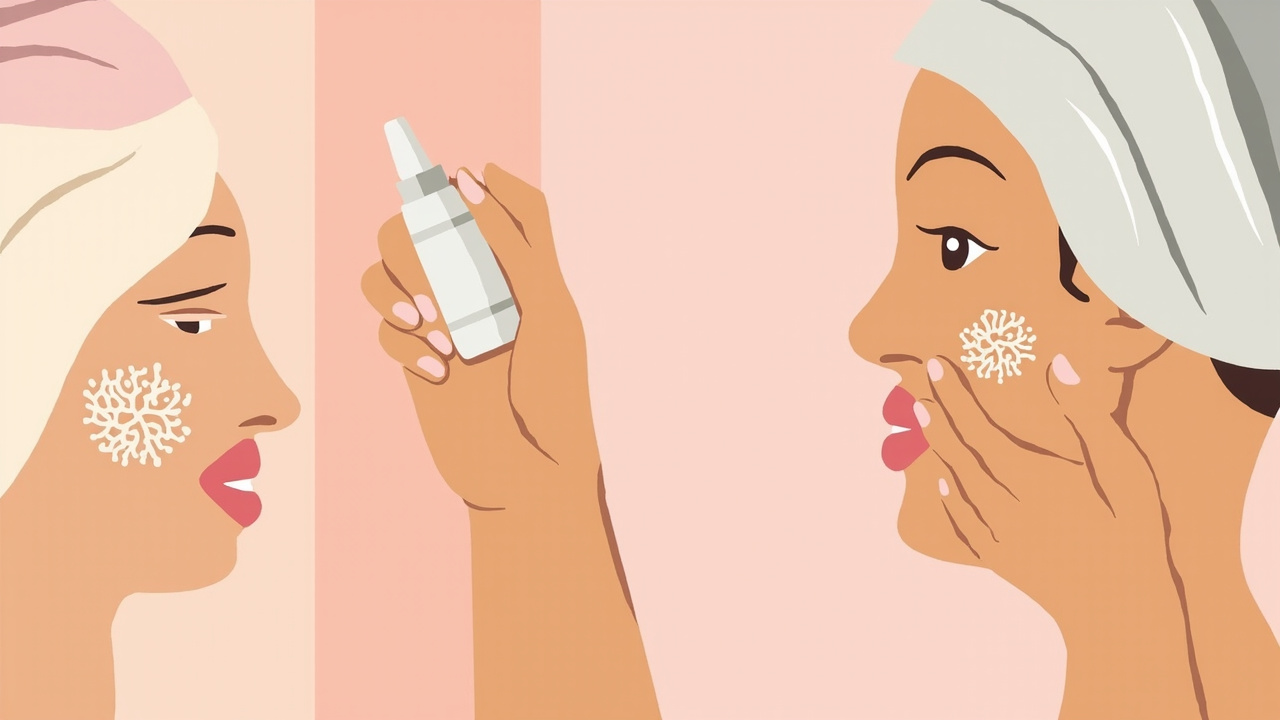
Blackheads form when pores become clogged with oil and dead skin cells. The top of the clog is open, so it turns black when exposed to air. In older adults, several factors contribute to this process.
Hormonal Changes and Menopause
Menopause causes a drop in estrogen. This leads to an increase in relative androgen levels. Androgens can stimulate oil production, even in mature skin. More oil means more chance of clogged pores.
- Estrogen decline can make skin drier, but oil glands may still produce sebum.
- Hormonal fluctuations can trigger breakouts, including blackheads.
Thinner Skin and Reduced Cell Turnover
As we age, skin becomes thinner and cell turnover slows. Dead skin cells accumulate on the surface. They mix with oil to form plugs in pores.
- Slower shedding means pores stay blocked longer.
- Thinner skin is more fragile, so harsh treatments can cause damage.
Product Build-Up and Heavy Moisturizers
Many older adults use rich moisturizers to combat dryness. These products can be comedogenic, meaning they clog pores. Sunscreens and makeup can also contribute.
- Heavy creams may contain oils or silicones that block pores.
- Not removing products thoroughly can lead to buildup.
How Blackheads Differ on Mature Skin
!How Blackheads Differ on Mature Skin
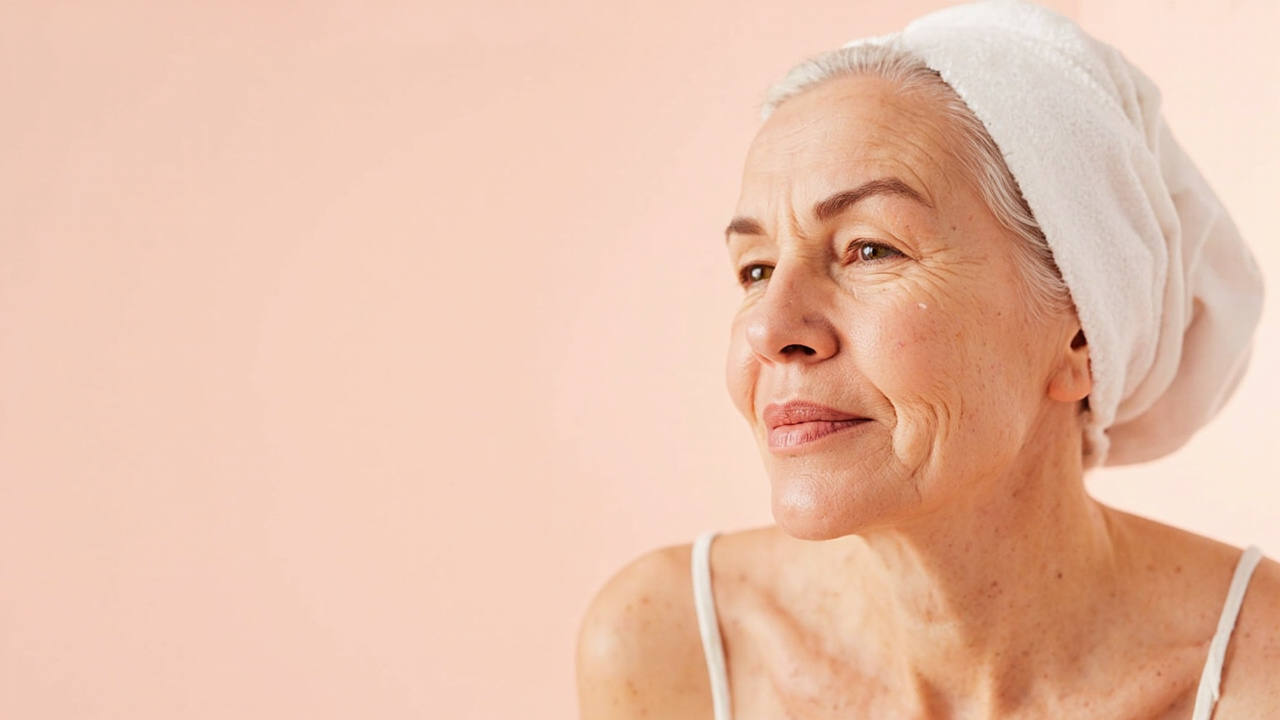
Blackheads on mature skin may be less noticeable but still present. They often appear around the nose, chin, and cheeks. The surrounding skin is often drier, making blackheads look more prominent.
- Pores may be enlarged due to loss of elasticity.
- Blackheads can be flatter and harder to extract.
- Skin is more prone to irritation and broken capillaries.
Safe and Effective Treatment Options for Seniors
Treating blackheads on mature skin requires a gentle approach. Harsh scrubs or strong chemicals can damage the skin barrier. Focus on consistent, mild care.
Gentle Cleansing and Exfoliation
Cleansing twice a day removes excess oil and debris. Use a gentle, non-foaming cleanser. Exfoliate 2-3 times per week with a mild product.
- Choose a cleanser with salicylic acid (low concentration) or glycolic acid.
- Avoid physical scrubs with large particles; they can cause micro-tears.
- Use a soft cloth or your fingertips to wash.
Non-Comedogenic Products
Check labels for “non-comedogenic” or “oil-free.” These products are less likely to clog pores.
- Look for lightweight moisturizers with hyaluronic acid or glycerin.
- Use mineral-based sunscreens with zinc oxide or titanium dioxide.
- Avoid heavy creams with lanolin, cocoa butter, or coconut oil.
Professional Treatments (Extractions, Chemical Peels)
A dermatologist can safely extract blackheads. They use sterile tools to avoid infection. Chemical peels with mild acids can also help.
- Extractions should be done by a professional to prevent scarring.
- Light chemical peels (e.g., lactic acid) improve cell turnover.
- Laser treatments may reduce pore size and oil production.
Ingredients to Look For (and Avoid)
Certain ingredients help clear blackheads without irritating mature skin.
Look for:- Salicylic acid (beta hydroxy acid) – penetrates pores, exfoliates inside.
- Glycolic acid (alpha hydroxy acid) – removes dead skin cells on surface.
- Retinoids (retinol, adapalene) – speed cell turnover, prevent clogs. Start low.
- Niacinamide – reduces oil production and inflammation.
- Clay masks (bentonite, kaolin) – absorb excess oil.
- Alcohol-based toners – strip moisture and irritate.
- Harsh scrubs with walnut shells or apricot pits.
- Heavy oils like mineral oil, lanolin, and coconut oil on face.
- Strong benzoyl peroxide (can be too drying).
When to See a Dermatologist
Consult a dermatologist if:
- Blackheads are widespread or inflamed.
- You have painful cysts or nodules.
- Over-the-counter products do not help after 8 weeks.
- You notice changes in skin texture or color.
- You have a history of skin cancer or fragile skin.
A dermatologist can prescribe stronger treatments, like prescription retinoids or antibiotics if needed. They can also rule out other conditions, such as sebaceous hyperplasia or milia.
Prevention Tips for Clearer Skin at Any Age
Preventing blackheads is easier than treating them. Follow these tips:
- Cleanse twice daily with a gentle, non-comedogenic cleanser.
- Exfoliate 2-3 times per week with a mild chemical exfoliant.
- Use a lightweight, non-comedogenic moisturizer every day.
- Apply sunscreen daily (SPF 30+) to protect skin barrier.
- Remove makeup and sunscreen thoroughly before bed.
- Avoid touching your face throughout the day.
- Change pillowcases weekly and wash towels often.
- Use a humidifier in dry environments to maintain skin hydration.
- Do not pick or squeeze blackheads; let them be or see a professional.
Conclusion
You May Also Like
Explore more articles in our Health collection:
- Best Anti-Aging Serum: Top Dermatologist Picks for Wrinkles and Fine Lines
- Best Body Acne Wash: Targeted Cleansers for Back, Chest, and Shoulder Breakouts
- Best Body Lotion for Dry Skin: Dermatologist-Approved Moisturizers for Winter: Embracing Healthy Skin in Your 60s and Beyond
Blackheads after 60 are common and manageable. Understanding the causes helps you choose the right products and habits. Gentle care, non-comedogenic products, and professional guidance can keep your skin clear. Remember, healthy skin at any age is possible.
Key Takeaways
- Blackheads occur due to clogged pores, even after 60.
- Hormonal changes, thinner skin, and heavy products are main causes.
- Use gentle cleansers, exfoliants, and non-comedogenic moisturizers.
- Avoid harsh scrubs and drying ingredients.
- See a dermatologist for persistent or severe blackheads.
- Prevention includes consistent cleansing, sunscreen, and not touching your face.
Frequently Asked Questions
Can blackheads in older adults be a sign of something serious?
Usually no. But if blackheads are painful, inflamed, or change in appearance, see a dermatologist to rule out skin cancer or other conditions.
Is it safe to use retinol on mature skin for blackheads?
Yes, but start with a low concentration (0.25% or 0.5%) and use it only 2-3 times per week. Always moisturize and apply sunscreen.
Why do I have blackheads on my nose at 70?
The nose has many oil glands. Even with drier skin, these glands can produce oil that mixes with dead skin cells, forming blackheads.
Can diet affect blackheads in seniors?
Research is limited. Some studies suggest high-glycemic foods may worsen acne. A balanced diet rich in fruits, vegetables, and omega-3s supports skin health.
How often should I exfoliate if I have mature skin?
2-3 times per week with a gentle chemical exfoliant. Over-exfoliating can damage the skin barrier and cause irritation.