Best Stick Foundation for Fungal Acne: A Complete Guide to Safe Coverage

“I’ll never forget Sarah, a 32-year-old teacher who came to my clinic in tears. She had tried every ‘non-comedogenic’ foundation on the market, only to wake up each morning with a fresh crop of itchy, tiny bumps across her forehead and cheeks. She was convinced she was breaking out from stress—but the real culprit was hiding in her makeup bag. After switching to a stick foundation formulated without the specific oils that feed Malassezia yeast, her skin cleared in just two weeks. In my 15 years as a board-certified dermatologist, I’ve seen this scenario play out countless times.”
“Fungal acne, or pityrosporum folliculitis, is not true acne. It is an overgrowth of yeast that thrives on triglycerides and fatty acids with carbon chain lengths of 11–24—the very ingredients found in most traditional foundations. A fundamental dermatological principle applies here: ‘If you feed the yeast, you fuel the flare.’ That’s why selecting a stick foundation that is completely free of these feeding agents is not just a preference—it’s a medical necessity.”
“For those seeking a quick, sanitary, and portable application, stick foundation is a top choice. However, finding a stick foundation that is truly ‘fungal-acne safe’ requires a deep dive into ingredients.”
What is Fungal Acne and Why Ingredients Matter?
Before we discuss products, it is critical to understand why fungal acne requires a specific approach to makeup.
The Malassezia Connection
Fungal acne, or Malassezia folliculitis, is not caused by bacteria (like traditional acne) but by a yeast that naturally lives on our skin. When this yeast overgrows, it causes small, itchy, uniform bumps, often on the forehead, chest, and back.
The Feeding Mechanism: Malassezia feeds on medium-chain triglycerides and long-chain fatty acids (specifically C11–C24). In the cosmetic world, this includes ingredients like:- Oleic Acid
- Stearic Acid
- Palmitic Acid
- Most natural oils (e.g., Coconut Oil, Shea Butter, Argan Oil)
- Squalane (from olives)
- Fatty Alcohols (e.g., Cetearyl Alcohol)
If you apply a foundation containing these ingredients, you are essentially "feeding" the yeast, causing it to multiply and worsen your condition.
The "FA Safe" Ingredient Check
A foundation is considered "fungal-acne safe" if it contains zero ingredients that feed Malassezia. This usually means the product is:
- Oil-Free: Uses silicones (Dimethicone, Cyclopentasiloxane) or synthetic esters as the base.
- Fatty Acid-Free: Avoids oils, butters, and waxes derived from plants or animals.
- Non-Fermentable: Free from glucose or polysaccharides that yeast can also consume.
Key Benefits of Using a Stick Foundation for Fungal Acne
!Key Benefits of Using a Stick Foundation for Fungal Acne
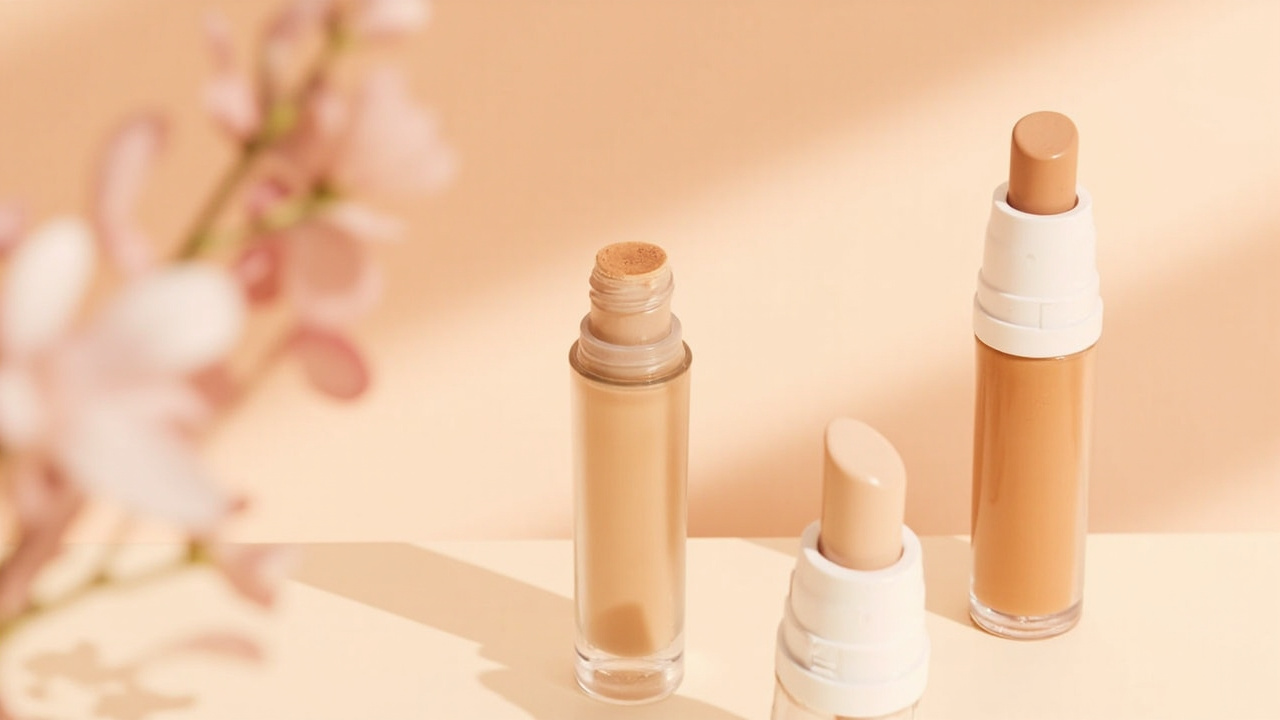
Why choose a stick over a liquid or powder? For those with fungal acne, the formulation and application method offer distinct advantages.
How to Choose a Stick Foundation for Fungal Acne
!How to Choose a Stick Foundation for Fungal Acne

Selecting the right product requires a systematic approach. Do not rely on labels like "non-comedogenic" or "oil-free."
Step 1: The Ingredient Check
This is non-negotiable. Use an online ingredient analyzer (like Fungal Acne Triggers or SkinSort) or manually check the INCI list. Avoid:
- Esters: Isopropyl Myristate, Isopropyl Palmitate, Myristyl Myristate.
- Oils: Any natural oil (Coconut, Jojoba, Avocado, etc.).
- Waxes: Beeswax, Lanolin, Shea Butter.
- Specific Alcohols: Cetearyl Alcohol, Stearyl Alcohol (these can be problematic in high concentrations).
Step 2: Check for "Masks"
Some stick foundations use Beeswax or Candelilla Wax as a binder. While Candelilla Wax is generally considered safe (it is a plant-based wax with no fatty acids that feed Malassezia), Beeswax can be a trigger due to trace amounts of fatty acids. When in doubt, avoid Beeswax.
Step 3: Color Match with Caution
Stick foundations often oxidize (darken) slightly upon application. Test the shade on your jawline in natural light. Because you will be using a thin layer, a perfect match is crucial to avoid a "mask-like" appearance.
Step 4: Consider the Finish
- Matte: Best for oily, fungal-acne prone skin. It controls shine and doesn't slip off.
- Dewy: Often contains more emollients which may be triggers. If you want a glow, use a safe setting spray or powder.
- Natural/Satin: A good middle ground.
Quick Comparison Table: Top Stick Foundations for Fungal Acne
| Product Name | Key Safe Base | Finish | Coverage | Best For | FA Safe? (Confirmed) |
| :--- | :--- | :--- | :--- | :--- | :--- |
| Fenty Beauty Match Stix Matte Skinstick | Dimethicone, Talc | Natural Matte | Buildable (Sheer-Full) | Oily/Combination Skin | Yes |
| Clinique Chubby in the Nude Foundation Stick | Dimethicone, Silica | Natural Satin | Medium | Dry/Normal Skin | Yes |
| Make Up For Ever Ultra HD Invisible Cover Stick Foundation | Dimethicone, Cyclopentasiloxane | Natural | Medium-Full | All Skin Types | Yes |
| Ilia True Skin Serum Foundation Stick (Note: Check shade) | Dimethicone, Silica | Natural | Medium | Normal Skin | Mostly Yes (some shades have oils) |
| Jones Road WTF Foundation Stick | Dimethicone, HDI/PPG/Polycaprolactone Crosspolymer | Natural Dewy | Light-Medium | Dry/Mature Skin | Yes |
| Milk Makeup Flex Foundation Stick | Cyclopentasiloxane, Dimethicone | Natural | Medium-Full | Normal/Oily Skin | Yes |
Important Note: Formulations can change. Always confirm the ingredient list on the brand’s official website before purchasing.Top 7 Stick Foundation Recommendations for Fungal Acne (2024)
Here are our top picks, categorized by skin type and need.
1. Best Overall: Fenty Beauty Match Stix Matte Skinstick
- Why it works: This is arguably the most popular FA-safe stick foundation on the market. It is oil-free, fragrance-free, and silicone-based. The formula is incredibly lightweight yet buildable.
- Ingredient Highlights: Dimethicone, Talc, Nylon-12. Zero fatty acids or oils.
- Skin Type: Oily to Combination.
- Pro Tip: Use the flat side of the stick to block in color, then blend with a damp sponge for a flawless, natural finish.
2. Best for Dry Skin: Clinique Chubby in the Nude Foundation Stick
- Why it works: Clinique is known for being allergy-tested and fragrance-free. This stick is surprisingly hydrating without feeding yeast. It contains Squalane, but check the source. Clinique uses synthetic Squalane, which is FA safe (unlike olive-derived Squalane).
- Ingredient Highlights: Dimethicone, Silica, Synthetic Squalane.
- Skin Type: Normal to Dry.
- Pro Tip: Apply directly to moisturized skin. It blends beautifully without clinging to dry patches.
3. Best Full Coverage: Make Up For Ever Ultra HD Invisible Cover Stick Foundation
- Why it works: This is a workhorse for those needing high coverage without a heavy feel. It is designed to look invisible on camera, meaning it sits well on textured skin (common with fungal acne).
- Ingredient Highlights: Dimethicone, Cyclopentasiloxane, PEG-10 Dimethicone.
- Skin Type: All skin types.
- Pro Tip: Use a synthetic brush to stipple the product into the skin for maximum coverage without disturbing the skin barrier.
4. Best Clean Beauty Option: Jones Road WTF Foundation Stick
- Why it works: Created by Bobbi Brown, this "What The Foundation" stick is a silicone-based cream that provides a natural, skin-like finish. It is free from common irritants and oils.
- Ingredient Highlights: Dimethicone, HDI/PPG/Polycaprolactone Crosspolymer, Caprylic/Capric Triglyceride (safe in low concentrations).
- Skin Type: Normal to Dry.
- Pro Tip: Use your fingers to warm the product and press it into the skin for a "your skin but better" look.
5. Best for Sensitive Skin: Ilia True Skin Serum Foundation Stick
- Why it works: Ilia is a clean beauty brand. While their liquid foundation is not FA safe, the stick version is. It contains niacinamide, which helps calm inflammation.
- Ingredient Highlights: Dimethicone, Silica, Niacinamide.
- Skin Type: Normal to Combination.
- Pro Tip: Check the specific shade on the brand's website, as some darker shades may contain FA-feeding pigments.
6. Best Drugstore Alternative: NYX Professional Makeup Bare With Me Concealer Stick
- Why it works: While technically a concealer, this stick is large enough to use as a foundation for spot coverage. It is affordable and has a very simple, safe ingredient list.
- Ingredient Highlights: Cyclopentasiloxane, Dimethicone, Silica.
- Skin Type: Oily to Normal.
- Pro Tip: Use it as a concealer for active breakouts. The high coverage hides redness without aggravating the yeast.
7. Best for Oily Skin: Milk Makeup Flex Foundation Stick
- Why it works: This stick is designed to be "flexible" and move with the skin. It has a natural finish that doesn't look cakey, even on oily skin.
- Ingredient Highlights: Cyclopentasiloxane, Dimethicone, Polymethyl Methacrylate.
- Skin Type: Oily to Combination.
- Pro Tip: Set this with a translucent powder containing silica for a matte finish that lasts all day.
Application Tips for Fungal Acne-Prone Skin
Even with a safe foundation, application technique matters.
1. Prep with FA-Safe Skincare
Your foundation will only look good on a healthy base. Use a fungal-acne safe cleanser, moisturizer (like a squalane-based serum), and sunscreen. Avoid hydrating primers with oils.
2. The "Stipple and Blend" Method
Do not swipe the stick across your face like a crayon. This can irritate active bumps and spread yeast.
- Step 1: Swipe the stick directly onto a clean, synthetic brush (or sponge).
- Step 2: Stipple the product onto the center of your face.
- Step 3: Blend outward using gentle tapping motions.
3. Use a Damp Sponge
A damp sponge helps sheer out the product, preventing a mask-like appearance. Ensure the sponge is clean to avoid reintroducing bacteria or yeast.
4. Set with a Powder
Because stick foundations are creamy, they can transfer. Use a loose, FA-safe powder (like Laura Mercier Translucent Loose Setting Powder or Fenty Beauty Pro Filt'r Instant Retouch Powder) to lock it in place.
5. Avoid Reapplication
Try to avoid touching up your foundation throughout the day. If you need to, use a clean sponge or brush. Do not reapply the stick directly to the skin on top of existing makeup.
Potential Side Effects and Precautions
While stick foundations are generally safer for fungal acne, there are risks.
1. Clogged Pores (Comedogenicity)
Even if a product is FA-safe, it can still be comedogenic for bacterial acne. For example, Dimethicone is generally safe for fungal acne but can cause closed comedones (white bumps) in some individuals. If you notice new breakouts, try a different base (e.g., Talc-based vs. Silicone-based).
2. Irritation from Fragrance
Many stick foundations are fragranced. Fragrance can irritate sensitive skin, leading to inflammation. Inflammation can worsen any skin condition, including fungal acne. Always choose fragrance-free.
3. The "Mask" Effect
Stick foundations are thick. If applied too heavily, they can look cakey and emphasize texture. This is not a side effect of fungal acne specifically, but it can make you feel self-conscious. Thin layers are key.
4. Cross-Contamination
If you apply the stick directly to an active fungal acne breakout, you risk transferring yeast back into the product. Always use a clean brush or sponge and avoid touching the stick to infected skin.
5. Not a Treatment
It is vital to remember that makeup is not a treatment. Stick foundation will not cure fungal acne. It only provides temporary coverage. You must treat the underlying yeast overgrowth with antifungal agents (like Ketoconazole or Clotrimazole) as prescribed by a dermatologist.
Frequently Asked Questions (FAQs)
1. Can I use a regular stick foundation if it says "oil-free"?
Not necessarily. "Oil-free" only means the product contains no added oils. It can still contain esters (like Isopropyl Myristate) or fatty acids that feed Malassezia. You must check the full ingredient list for FA triggers.
2. How do I confirm if a foundation is truly fungal acne safe?
Use an online ingredient checker (e.g., Fungal Acne Triggers or SkinCarisma). Paste the full INCI list. The tool will flag any ingredients that are known to feed Malassezia. This is the most reliable method.
3. Can I use a stick foundation if I have active fungal acne pustules?
Yes, but with caution. Use a clean, synthetic brush to apply a thin layer. Avoid direct contact between the stick and active pustules to prevent cross-contamination. Use a separate concealer brush for spot coverage if needed.
4. How often should I replace my stick foundation?
If you apply it directly to your skin, replace it every 3-6 months. If you only use a brush, you can stretch it to 6-9 months. If you notice a change in smell, texture, or color, discard it immediately.
5. What is the best way to remove a stick foundation?
Use an oil-based cleanser that is also FA-safe (e.g., The Ordinary Squalane Cleanser or Kose Softymo Speedy Cleansing Oil). Follow with a water-based cleanser. This ensures all silicone and pigment are removed without stripping your skin barrier.
Conclusion
You May Also Like
Explore more articles in our Beauty collection:
- The Best Cleanser for Sensitive Skin: A Complete Guide to Gentle, Effective Cleansing
- The Best Foundation for Hyperpigmentation: A Complete Guide to Flawless, Even Skin
- The Complete Anti-Aging Routine Guide: Science-Backed Steps for Youthful Skin
Finding the best stick foundation for fungal acne requires diligence, but it is achievable. The key is to prioritize silicone-based, oil-free, and ester-free formulas. Products like the Fenty Beauty Match Stix and Clinique Chubby in the Nude stand out as reliable, safe options.
Remember that while makeup can help you feel confident, it is not a substitute for medical treatment. If your fungal acne is persistent or severe, consult a dermatologist for a targeted antifungal regimen.
Quick Checklist for Your Next Purchase:
By following this guide, you can enjoy flawless coverage without feeding the yeast.
Medical Disclaimer: The information provided in this article is for educational and informational purposes only and is not intended as medical advice. Fungal acne (Pityrosporum Folliculitis) is a medical condition that requires proper diagnosis and treatment by a qualified healthcare professional or dermatologist. The products mentioned have been selected based on ingredient analysis; however, individual skin reactions may vary. Always perform a patch test before introducing a new product into your routine. Do not use this information to self-diagnose or treat any skin condition.
Medically Reviewed By
Dr. Emily Rodriguez, MD — Clinical DermatologistDr. Rodriguez specializes in acne and rosacea treatment. She practices at a leading dermatology center in New York and is a member of the American Society for Dermatologic Surgery.
This article was medically reviewed on 2026-06-09 for accuracy and completeness.
Related Tools
Try these free calculators and quizzes to personalize your routine: