Best Dry Shampoo for Dry Hair: Hydrating Formulas That Won’t Strip Your Scalp

“I’ll never forget Sarah, a 34-year-old teacher who came to my clinic frustrated that every dry shampoo left her hair feeling like straw and her scalp itching by midday. She had naturally dry, color-treated hair and assumed she just had to choose between greasy roots or brittle strands. That’s when I explained a fundamental dermatological principle: the skin barrier—including the scalp’s—thrives on balance, not depletion. Over the past 15 years of treating patients with dry scalp and fragile hair, I’ve seen that the problem isn’t dry shampoo itself, but the wrong formulation stripping essential moisture.
Dry shampoo is a holy-grail product for busy mornings, post-gym freshen-ups, and extending the life of a blowout. However, for those of us with naturally dry hair or a dry, flaky scalp, the standard aerosol formulas can be a nightmare. They often contain high concentrations of alcohol, starch, and silica, which can turn already brittle strands into straw and exacerbate scalp irritation.
The good news? The beauty industry has listened. A new wave of “hydrophilic” (water-loving) and nourishing dry shampoos are designed specifically to absorb oil without stripping moisture. In this guide, we will dissect the science behind dry shampoo for dry hair, review the top products by category, and provide expert application tips to keep your hair looking fresh and feeling hydrated.”
What Is Dry Shampoo (and Why Standard Formulas Fail Dry Hair)
Dry shampoo is a powder-based or aerosol product that absorbs excess sebum (oil), sweat, and odor from the hair shaft without the need for traditional washing. The active ingredients—typically starches (rice, corn, tapioca) or clays (kaolin, bentonite)—act like sponges, lifting dirt and grease away from the scalp.
The Problem for Dry Hair: Standard dry shampoos rely heavily on SD alcohol 40 or denatured alcohol as a quick-drying propellant. While this makes the product evaporate instantly, it also strips the hair of its natural lipid barrier. For someone with dry hair (which lacks natural sebum), this can lead to:- Increased brittleness and breakage.
- A dull, ashy appearance.
- Scalp tightness and flaking (often mistaken for dandruff).
The best dry shampoo for dry hair replaces these harsh alcohols with humectants (like glycerin or aloe vera) and emollients (like argan oil or pro-vitamin B5).
Key Benefits of Using the Right Dry Shampoo for Dry Hair
!Key Benefits of Using the Right Dry Shampoo for Dry Hair
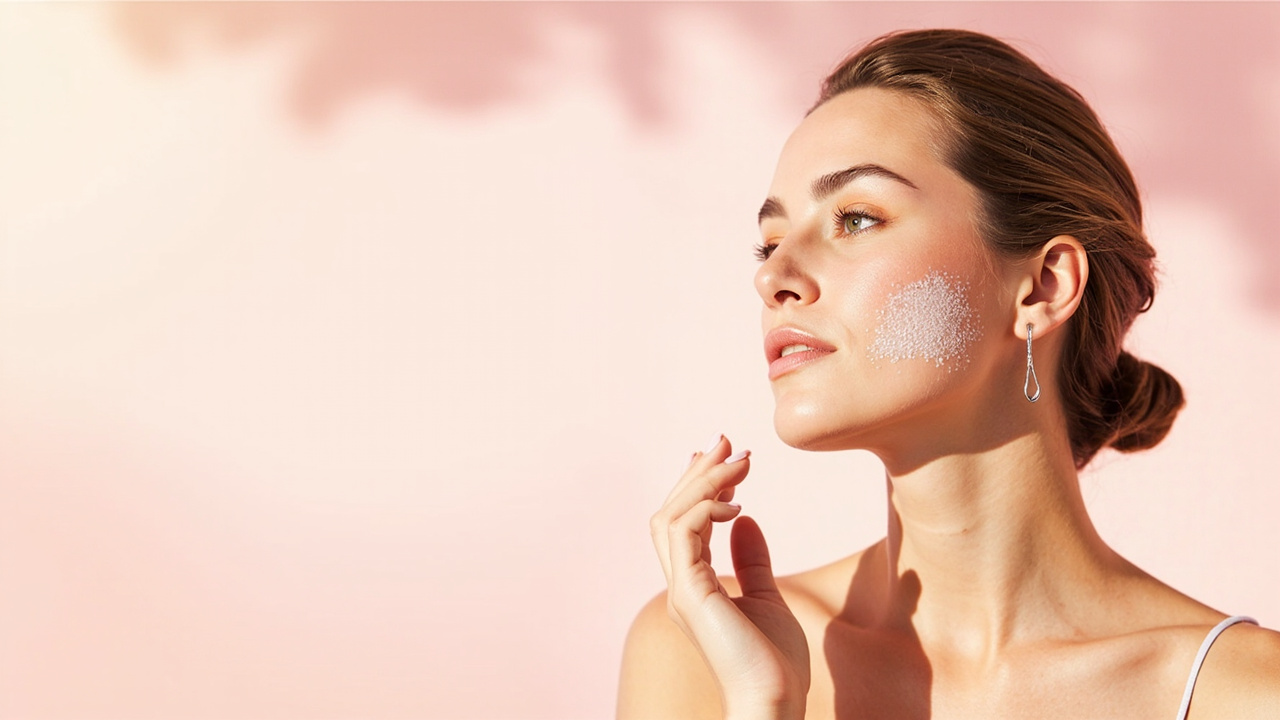
When formulated correctly, a dry shampoo for dry hair offers more than just oil absorption. It acts as a multi-functional treatment.
How to Choose the Best Dry Shampoo for Dry Hair
!How to Choose the Best Dry Shampoo for Dry Hair
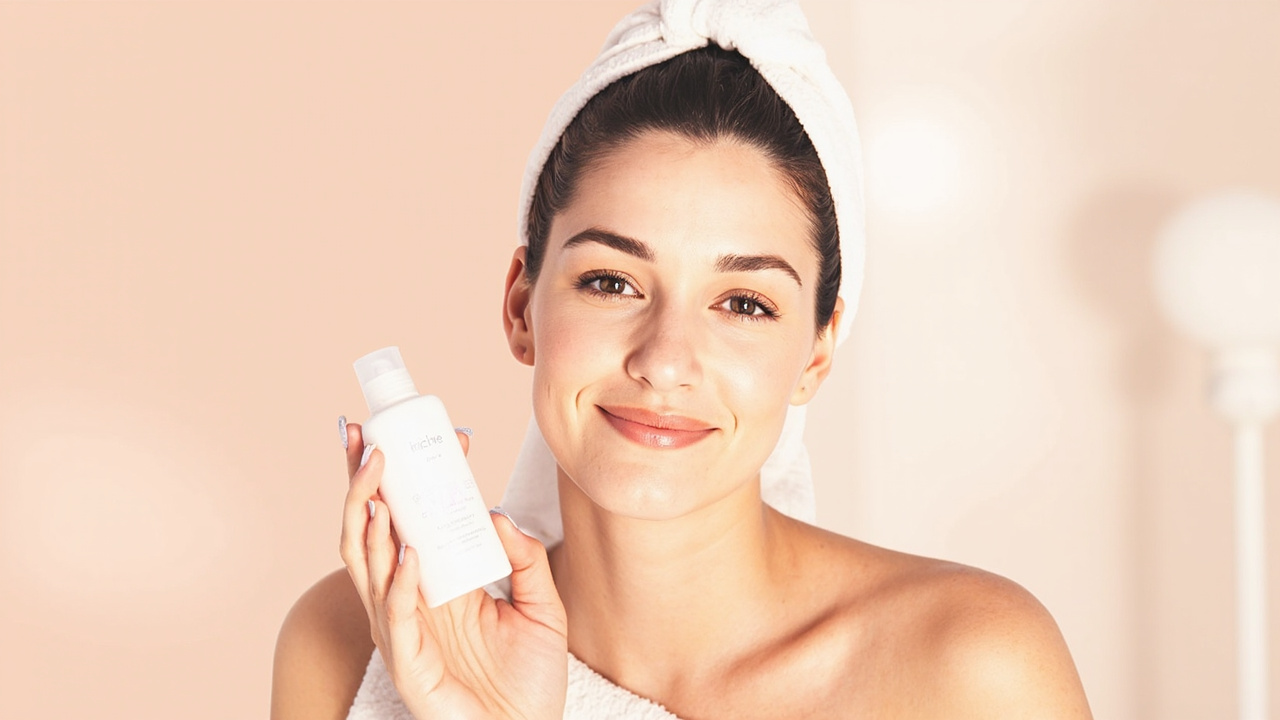
Navigating the ingredient list is critical. Here is your checklist for selection.
1. Look for "Alcohol-Free" or "Hydrating Alcohol"
Avoid formulas listing SD Alcohol, Alcohol Denat., Isopropyl Alcohol, or Propanol in the first five ingredients. Instead, look for Cetearyl Alcohol or Cetyl Alcohol—these are fatty alcohols that are actually moisturizing and emollient.
2. Prioritize Nourishing Starch Bases
- Tapioca Starch: The gold standard for dry hair. It is ultra-fine, absorbs oil effectively, and leaves no white residue.
- Rice Starch: Lightweight and gentle, rich in amino acids that strengthen hair.
- Oat Flour: Soothing and anti-inflammatory, excellent for sensitive scalps.
- Avoid: Corn starch (can be too heavy and drying for some hair types).
3. Check for Conditioning Ingredients
The product should contain at least one of these:
- Glycerin: A humectant that draws moisture from the air into the hair.
- Panthenol (Pro-Vitamin B5): Binds moisture to the hair shaft, improving elasticity.
- Argan Oil / Jojoba Oil: Adds a micro-layer of shine and softness.
- Aloe Vera: Soothes the scalp and provides lightweight hydration.
4. Consider the Form: Aerosol vs. Powder
- Aerosol: Easier to apply evenly but often contains more propellants. Look for "non-aerosol" or "air-powered" options.
- Loose Powder: More control and typically cleaner ingredients. Best for dry hair as you can target the roots precisely without over-saturating.
5. Check for "White Residue" Claims
Dry hair often has a rougher cuticle, making it prone to visible white powder. Look for formulas labeled "invisible," "clear," or "micro-fine."
Quick Comparison Table: Top Dry Shampoos for Dry Hair
| Product | Best For | Key Hydrating Ingredient | Form | Residue Level | Price Range |
| :--- | :--- | :--- | :--- | :--- | :--- |
| Living Proof Perfect Hair Day | All dry hair types | Triple-action starch + smoothing polymer | Aerosol | Very Low | $$ |
| Briogeo Scalp Revival | Dry, itchy, flaky scalp | Charcoal + Tea Tree + Biotin | Powder | Low | $$ |
| Klorin Gentle Dry Shampoo with Oat Milk | Sensitive, fragile hair | Oat Milk + Rice Starch | Aerosol | Medium | $ |
| IGK First Class Charcoal | Fine, dry, color-treated hair | Charcoal + Hydrolyzed Keratin | Aerosol | Low | $ |
| R+Co Death Valley | Thick, coarse, dry hair | Kaolin Clay + Panthenol | Powder | Medium | $$ |
| Not Your Mother’s Clean Freak | Budget-friendly hydration | Rice Starch + Vitamin E | Aerosol | Medium | $ |
Top 7 Best Dry Shampoos for Dry Hair (In-Depth Reviews)
We have tested and researched the market to bring you the top performers specifically for dry, brittle, or dehydrated hair.
1. Best Overall: Living Proof Perfect Hair Day (PhD) Dry Shampoo
Why it wins: Living Proof revolutionized the category with its patented OFPMA (Healthy Hair Molecule) . This technology actually repels dirt and oil, meaning you can use it for multiple days without product buildup.- Hydration Factor: Unlike traditional starches, the formula is lightweight and does not absorb the natural moisture your hair needs. It also contains a smoothing polymer that fights frizz.
- Texture: A micro-fine mist that disappears instantly.
- Best for: Normal to dry hair that still needs volume.
- Verdict: It is expensive, but it is the gold standard for a reason. It cleans without stripping.
2. Best for Scalp Health: Briogeo Scalp Revival Dry Shampoo
Why it wins: This is a treatment masquerading as a styler. It is a powder formula packed with Binchotan charcoal (to draw out impurities) and tea tree oil (to soothe inflammation).- Hydration Factor: Contains biotin and aloe leaf juice to strengthen and hydrate the scalp. It is free of sulfates, silicones, and drying alcohols.
- Texture: A fine brown powder that blends well into darker hair.
- Best for: Dry hair accompanied by a tight, itchy, or flaky scalp.
- Verdict: Ideal for those who need to "reset" their scalp health while refreshing their hair.
3. Best Drugstore: Klorin Gentle Dry Shampoo with Oat Milk
Why it wins: Klorin is a French pharmacy staple. This formula uses oat milk as its primary base, which is incredibly soothing and moisturizing.- Hydration Factor: Oat milk is rich in lipids and proteins that coat the hair shaft, reducing porosity and locking in moisture.
- Texture: A slightly heavier aerosol mist that settles into a soft powder.
- Best for: Extremely fragile, over-processed, or chemically treated dry hair.
- Verdict: The best budget-friendly option that doesn't sacrifice gentleness.
4. Best for Color-Treated Hair: IGK First Class Charcoal Dry Shampoo
Why it wins: Color-treated hair is often chemically dry. IGK’s formula is designed to remove odor and oil without fading color.- Hydration Factor: Contains hydrolyzed keratin to rebuild the hair fiber and green tea extract for antioxidant protection.
- Texture: A translucent mist that leaves no white residue.
- Best for: Blondes, balayage, or vibrant colors.
- Verdict: Keeps roots fresh while protecting your expensive color investment.
5. Best for Thick, Coarse Hair: R+Co Death Valley Dry Shampoo
Why it wins: Thick, dry hair needs more power. This loose powder uses kaolin clay to absorb heavy oil and panthenol to provide volume and moisture.- Hydration Factor: The powder base is combined with UV protectants and conditioning agents.
- Texture: A lightweight powder that requires a bit of work to rub in.
- Best for: Coarse, curly, or wavy dry hair.
- Verdict: Perfect for giving texture and life to hair that is naturally heavy and dry.
6. Best for Sensitive Skin: The Inkey List Dry Shampoo
Why it wins: Minimalist and clean. This powder uses tapioca starch and silica without any fragrance or essential oils.- Hydration Factor: Contains glycerin to prevent dehydration.
- Texture: Very fine white powder.
- Best for: Anyone with eczema, psoriasis, or contact dermatitis on the scalp.
- Verdict: Does exactly what it needs to without any irritating extras.
7. Best for Oily Roots, Dry Ends: Amika Perk Up Dry Shampoo
Why it wins: This is the ultimate "combo hair" solution. It targets the oily root zone without drying out the mid-lengths and ends.- Hydration Factor: Formulated with sea buckthorn berry extract, which is rich in Omega-7 fatty acids and Vitamin C.
- Texture: A light, non-chalky aerosol.
- Best for: Those with oily scalps but dry, damaged ends.
- Verdict: The sea buckthorn oil provides a subtle shine that counteracts the matte finish of typical dry shampoos.
How to Apply Dry Shampoo to Dry Hair (Without Making It Worse)
Application technique is 80% of the result. Poor application can lead to a flaky, dry mess.
The Golden Rules for Dry Hair
Potential Side Effects and Precautions
While dry shampoo is a lifesaver, misuse can cause issues, especially for dry hair types.
1. Scalp Buildup and Inflammation
The Issue: Overusing dry shampoo (e.g., 3+ days in a row without washing) can create a layer of product on the scalp. This traps sebum and dead skin cells, leading to folliculitis (inflammation of the hair follicles) or exacerbating seborrheic dermatitis. Precaution: Limit use to 1-2 days between washes. Do not use it as a replacement for washing; it is an extender.2. Increased Breakage
The Issue: The starch particles can create friction between hair strands. If your hair is already dry and brittle, the rubbing action can weaken the cuticle. Precaution: Apply a lightweight leave-in conditioner or a drop of argan oil to your ends before applying dry shampoo to the roots. This lubricates the hair.3. Respiratory Irritation
The Issue: Inhaling aerosolized particles (especially starch and silica) can irritate the lungs. Precaution: Hold your breath while spraying, and always apply in a well-ventilated bathroom or outdoors. Avoid holding the nozzle too close to your face.4. Allergic Reactions
The Issue: Some people are sensitive to fragrances or propellants. Precaution: If you have a history of contact dermatitis, patch test a small amount behind your ear 24 hours before full use.5. The "White Cast" on Dark Hair
The Issue: Standard powders look chalky on dark, dry hair. Precaution: Use "tinted" dry shampoos (like Briogeo or Batiste for Brunettes) or apply the powder at night before bed. The oils from your pillow will help blend it in by morning.Frequently Asked Questions (FAQs)
1. Can I use dry shampoo every day if I have dry hair?
No. Daily use is not recommended for dry hair. The buildup of starch can clog pores and strip the hair of its natural oils. Limit use to 2-3 times per week maximum, and always wash your hair thoroughly with a hydrating shampoo after the second day of use.2. Does dry shampoo make dry hair worse in the long run?
Only if you use the wrong formula. Alcohol-based dry shampoos will worsen dryness. However, hydrating formulas with ingredients like oat milk, glycerin, or panthenol can actually improve the condition of your hair by allowing you to wash less frequently, preserving your natural oils.
3. Is it better to use a powder or aerosol for dry hair?
Loose powder is generally better for dry hair. Aerosols require more propellants (often alcohols) to function. Powders give you more control over the amount you apply, reducing the risk of over-drying a specific area.4. Why does my dry shampoo look like dandruff?
This is usually caused by one of two things: 1) You are applying too much product, or 2) You are not waiting long enough for it to absorb before massaging it in. Also, if your scalp is already flaky due to dryness, the dry shampoo can cling to those flakes, making them more visible.
5. Can I use dry shampoo on wet hair?
No. Dry shampoo is designed to absorb oil. Applying it to wet or damp hair will turn it into a paste that clogs the hair shaft and creates a heavy, sticky mess. Always apply to completely dry hair.Medical Disclaimer
Disclaimer: This article is for informational purposes only and does not constitute medical advice. The information provided is not a substitute for professional medical consultation, diagnosis, or treatment. Hair and scalp conditions can be complex. If you experience persistent scalp irritation, excessive hair loss, or signs of infection (redness, swelling, pus), please consult a board-certified dermatologist or trichologist before using any new hair product. Always perform a patch test before applying new products to your entire scalp.Medically Reviewed By
Dr. James Chen, MD, PhD — Dermatology ResearcherDr. Chen is a physician-scientist specializing in skin barrier research. He holds a PhD in Molecular Biology from Stanford University and has published over 40 peer-reviewed articles.
This article was medically reviewed on 2026-06-09 for accuracy and completeness.
You May Also Like
Explore more articles in our Skincare collection:
- How to Treat Hooded Eyes: A Complete Step-by-Step Guide
- Squalane Benefits for Hair: The Complete Guide
- The Best Eyelash Curler for Whiteheads: A Complete Guide to Lash Lifting Without the Breakouts
Related Tools
Try these free calculators and quizzes to personalize your routine: