Best Sleep Techniques for Thinning Hair

Understanding the Link Between Sleep and Hair Health
Sleep is essential for overall health, including hair growth. During deep sleep, your body repairs cells, balances hormones, and delivers nutrients to hair follicles. Poor sleep disrupts these processes, leading to thinning hair.
How Poor Sleep Contributes to Thinning Hair
- Increases stress hormones: Lack of sleep raises cortisol, which can shrink hair follicles.
- Reduces growth hormone: Deep sleep triggers growth hormone release, crucial for hair regeneration.
- Impairs circulation: Poor sleep reduces blood flow to the scalp, starving follicles.
- Weakens immune system: Chronic sleep loss may trigger autoimmune hair loss like alopecia areata.
The Role of Cortisol and Melatonin in Hair Growth
- Cortisol: High levels push hair follicles into a resting phase (telogen), leading to shedding. Chronic stress from sleep deprivation prolongs this.
- Melatonin: Known as the sleep hormone, melatonin also protects hair follicles from oxidative stress. Topical melatonin has shown promise in treating androgenetic alopecia.
Best Sleep Positions to Reduce Hair Stress
!Best Sleep Positions to Reduce Hair Stress
Your sleeping position affects hair friction and tension. Adjusting it can minimize breakage.
Sleeping on Your Back vs. Side vs. Stomach
- Back sleeping: Best for hair. Minimal friction and tension. Use a contoured pillow to keep spine aligned.
- Side sleeping: Second best. May cause friction on one side. Alternate sides to distribute stress.
- Stomach sleeping: Worst. Presses face into pillow, causing tangles and breakage. Try to change this habit.
Using a Silk or Satin Pillowcase
- Why it works: Smooth fabric reduces friction compared to cotton. Prevents hair from snagging and breaking.
- Additional benefit: Less moisture loss, keeping hair hydrated.
- Recommendation: Choose 100% mulberry silk or high-quality satin. Wash gently.
Optimizing Your Sleep Environment for Hair Growth
!Optimizing Your Sleep Environment for Hair Growth
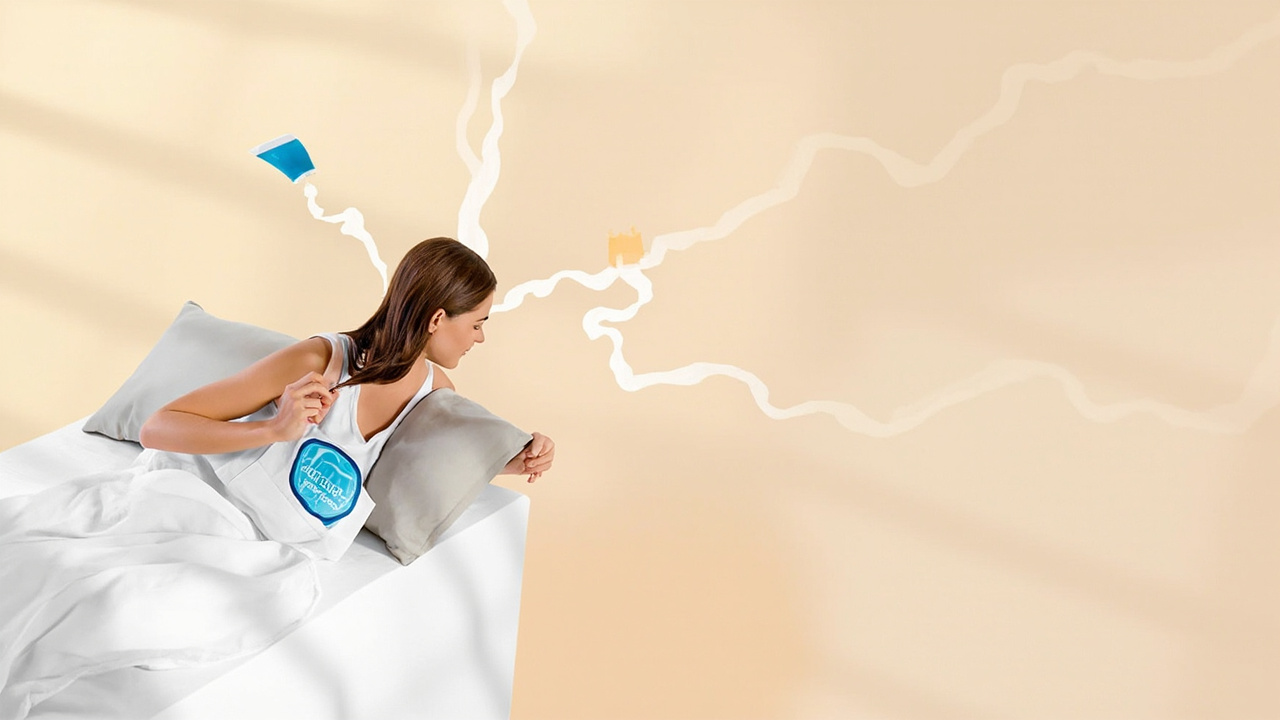
A conducive sleep environment promotes restorative sleep and healthier hair.
Temperature and Humidity Control
- Ideal temperature: 60–67°F (15–19°C) for deep sleep. Cooler temps lower cortisol.
- Humidity: Keep between 30–50% to prevent dry scalp and brittle hair. Use a humidifier if needed.
- Tip: Avoid overheating with heavy blankets; opt for breathable fabrics.
Reducing Blue Light Exposure Before Bed
- Why it matters: Blue light from screens suppresses melatonin production, delaying sleep.
- Action steps:
- Stop using devices 1 hour before bed.
- Use blue light blocking glasses or enable night mode.
- Dim lights in the evening.
- Result: Better melatonin levels support both sleep and hair growth.
Nighttime Hair Care Routine to Minimize Breakage
Prepping hair before bed reduces damage and tangles.
Gentle Brushing and Detangling Techniques
- Use a wide-tooth comb or boar bristle brush: Minimizes breakage.
- Start from ends: Work upward slowly to avoid pulling.
- Apply a leave-in conditioner or hair oil: Adds slip and moisture.
- Avoid brushing wet hair: Wet hair is fragile; detangle with fingers or wide comb.
Protective Hairstyles for Sleeping
- Loose braid or bun: Prevents tangles. Don't pull too tight to avoid traction alopecia.
- Silk scrunchie: Gentle on hair. Avoid elastic bands with metal.
- Pineapple method (for curls): Gather hair loosely on top of head to preserve curls.
- Hair cap or bonnet: Silk or satin lined to reduce friction.
Supplements and Diet for Better Sleep and Hair Health
Nutrition supports both sleep quality and hair growth.
Melatonin Supplements: Benefits and Risks
- Benefits: May improve sleep onset and quality. Topical melatonin shows promise for hair growth.
- Risks: Oral supplements can cause drowsiness, headaches, or interact with medications. Use under medical guidance.
- Dosage: Typically 0.5–5 mg taken 30–60 minutes before bed. Start low.
Foods Rich in Tryptophan, Magnesium, and Zinc
- Tryptophan: Converts to serotonin and melatonin. Found in turkey, eggs, cheese, nuts, seeds.
- Magnesium: Relaxes muscles and nerves. Sources: spinach, almonds, black beans, avocado.
- Zinc: Supports hair follicle function. Sources: oysters, beef, pumpkin seeds, chickpeas.
- Additional tips: Eat a balanced dinner with protein and complex carbs. Avoid heavy meals close to bedtime.
Stress Management Techniques for Better Sleep and Hair
Stress reduction improves sleep and lowers cortisol, benefiting hair.
Meditation and Deep Breathing Exercises
- How to start: 5–10 minutes daily. Use apps or guided sessions.
- Deep breathing: Inhale for 4 seconds, hold for 4, exhale for 6. Repeat 5 times.
- Benefits: Lowers heart rate, reduces cortisol, promotes relaxation.
Journaling to Reduce Nighttime Anxiety
- Write down worries: Spend 10 minutes listing concerns and possible solutions.
- Gratitude journal: List 3 things you're grateful for. Shifts focus to positive.
- Result: Clears mind, reduces racing thoughts, improves sleep quality.
When to See a Specialist for Thinning Hair and Sleep Issues
Persistent problems warrant professional evaluation.
Signs You Need a Sleep Study
- Symptoms: Loud snoring, gasping for air, excessive daytime sleepiness, insomnia lasting >3 months.
- Action: Consult a sleep specialist. A sleep study may diagnose sleep apnea or other disorders.
- Why it matters: Untreated sleep apnea increases cortisol and reduces oxygen, harming hair.
Consulting a Trichologist or Dermatologist
- When to see a dermatologist: Sudden hair loss, patchy bald spots, scalp redness or itching, no improvement with lifestyle changes.
- What they do: Perform scalp exams, blood tests (iron, thyroid, hormones), and may prescribe treatments like minoxidil or finasteride.
- When to see a trichologist: Specialized in hair and scalp disorders; can offer advanced diagnostics.
- Bottom line: If hair thinning persists despite better sleep and care, seek medical advice.
Conclusion
You May Also Like
Explore more articles in our Wellness collection:
Sleep is a powerful tool for hair health. By improving sleep quality, positions, environment, and nighttime routines, you can reduce hair thinning. Combine these techniques with stress management and a nutrient-rich diet. If issues persist, consult a dermatologist or sleep specialist. Small changes lead to big results.
Key Takeaways
- Poor sleep raises cortisol and lowers melatonin, harming hair follicles.
- Sleep on your back with a silk pillowcase to reduce friction.
- Keep bedroom cool, dark, and screen-free before bed.
- Use protective hairstyles and gentle brushing to minimize breakage.
- Consider melatonin supplements cautiously and eat tryptophan-rich foods.
- Practice meditation and journaling to lower stress.
- See a doctor if hair loss is sudden or accompanied by sleep disorders.
Frequently Asked Questions
Can sleeping on a silk pillowcase really help thinning hair?
Yes, silk reduces friction, preventing breakage and split ends. It also helps retain moisture, keeping hair healthier.
How long does it take to see hair improvement after improving sleep?
Hair growth cycles are slow. You may notice less shedding in 2–3 months, but visible regrowth can take 6–12 months.
Is melatonin safe for hair loss?
Topical melatonin is generally safe and may help. Oral melatonin should be used under medical guidance due to potential side effects.
What is the best protective hairstyle for sleeping?
A loose braid or bun with a silk scrunchie is ideal. Avoid tight styles that pull on the hairline.
When should I see a doctor for thinning hair?
See a dermatologist if you have sudden or patchy hair loss, scalp irritation, or if lifestyle changes don't help after 6 months.
Related Tools
Try these free calculators and quizzes to personalize your routine: