Best Lipstick for Psoriasis: A Complete Guide to Hydrating, Safe, and Flake-Free Wear

“I’ll never forget the first time a patient walked into my clinic, holding a tissue to her lips. ‘I just want to wear red lipstick for my daughter’s wedding,’ she whispered, ‘but everything burns.’ That moment—and countless others over my 15 years as a board-certified dermatologist—reminded me that for millions living with psoriasis, makeup isn’t about vanity. It’s about dignity, self-expression, and feeling whole.”
Lip psoriasis, a chronic autoimmune condition causing dry, cracked, and inflamed lips, turns a simple swipe of color into a potential trigger for painful flares. As dermatologists, we know a core principle: when the skin barrier is compromised, any product applied must prioritize protection over pigment. Traditional lipsticks often contain irritants like fragrance, alcohol, or drying waxes that strip already fragile skin, worsening inflammation and flaking.
The good news? You don’t have to choose between managing your condition and expressing your style. The modern beauty market has evolved, offering sophisticated, clinically-gentle options that provide coverage without compromise.
This comprehensive guide will walk you through everything you need to know about selecting the best lipstick for psoriasis. We will cover how to read ingredient labels, what to avoid, the top product recommendations by category, and expert application tips to keep your lips healthy and beautiful.
What Is Lip Psoriasis and Why Lipstick Matters
Psoriasis is an autoimmune disorder that accelerates the life cycle of skin cells, causing them to build up rapidly on the surface. When this occurs on the lips, it is known as lip psoriasis. Unlike chapped lips, which are usually temporary and caused by weather or dehydration, lip psoriasis is a chronic inflammatory condition.
Common symptoms of lip psoriasis include:- Persistent redness and inflammation
- Dry, silver-white scales or plaques
- Deep, painful cracks (fissures) at the corners of the mouth
- Bleeding when the skin stretches
- A tight, burning sensation
Because the lips lack oil glands, they are naturally prone to dryness. When you add a conventional lipstick—which may contain drying alcohols, synthetic fragrances, or irritating pigments—you risk exacerbating the inflammation.
Why the right lipstick matters: A psoriasis-friendly lipstick acts as a protective barrier. It should hydrate the skin, reduce transepidermal water loss, and contain anti-inflammatory ingredients. The wrong lipstick can strip moisture, clog the delicate lip barrier, and trigger the Koebner phenomenon (where new psoriasis lesions form at the site of skin injury or irritation).Key Benefits of a Psoriasis-Safe Lipstick
!Key Benefits of a Psoriasis-Safe Lipstick
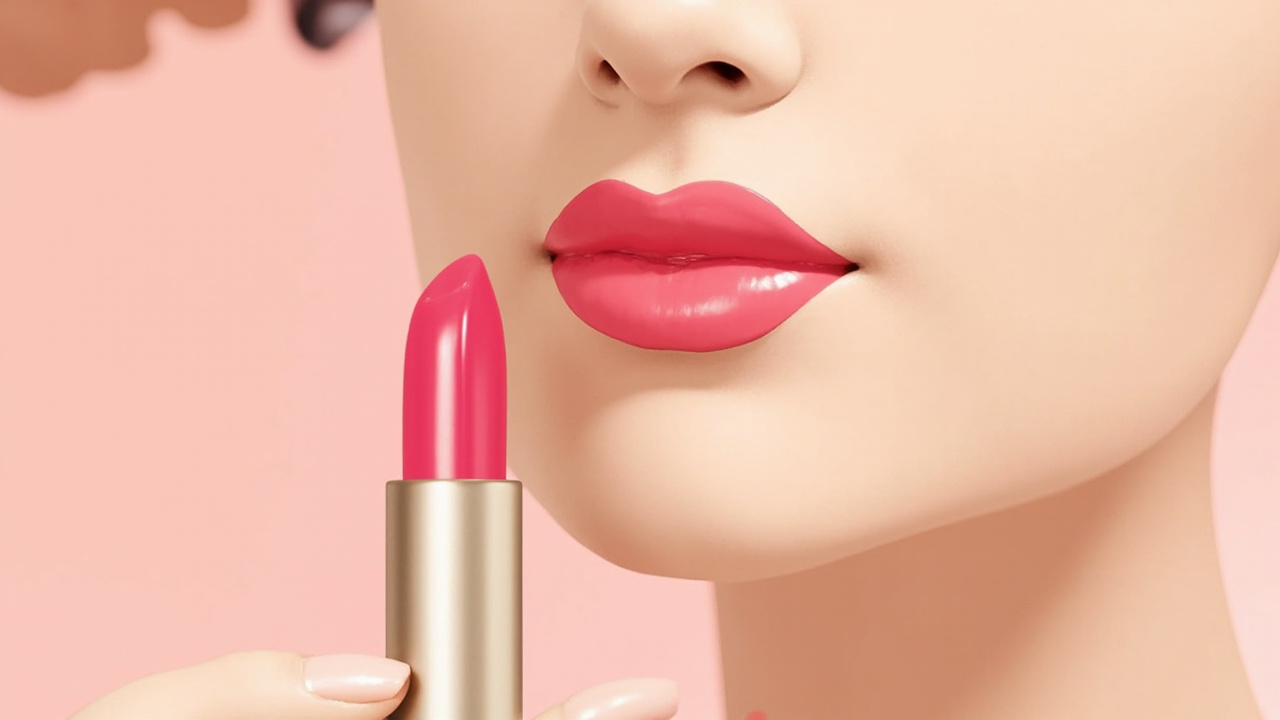
When you switch to a lipstick formulated for sensitive or compromised skin, you are not just buying color; you are investing in the health of your lip barrier. Here are the primary benefits:
1. Intense, Long-Lasting Hydration
The best formulas are built on a base of emollients and occlusives. Ingredients like shea butter, squalane, and ceramides mimic the skin’s natural lipids, locking in moisture for hours. This prevents the "tightening" sensation common with matte lipsticks.
2. Anti-Inflammatory Protection
Many psoriasis-safe lipsticks incorporate soothing ingredients like colloidal oatmeal, centella asiatica (cica), or aloe vera. These help calm the redness and irritation associated with active plaques.
3. Non-Irritating Pigments
Conventional red lipsticks often use carmine (crushed insects) or synthetic FD&C dyes that can cause contact dermatitis. Psoriasis-safe brands typically use iron oxides or mineral pigments, which are inert and far less likely to trigger a reaction.
4. Barrier Repair
The lip barrier is extremely thin. A good lipstick will contain ingredients like panthenol (Vitamin B5) and allantoin, which actively repair micro-tears in the skin, reducing the risk of bleeding and infection.
5. Confidence Without Compromise
Perhaps the most significant benefit is psychological. Knowing that your lipstick is actively helping your skin rather than harming it allows you to wear color with confidence, free from the fear of a surprise flare-up.
How to Choose the Right Lipstick for Psoriasis
!How to Choose the Right Lipstick for Psoriasis
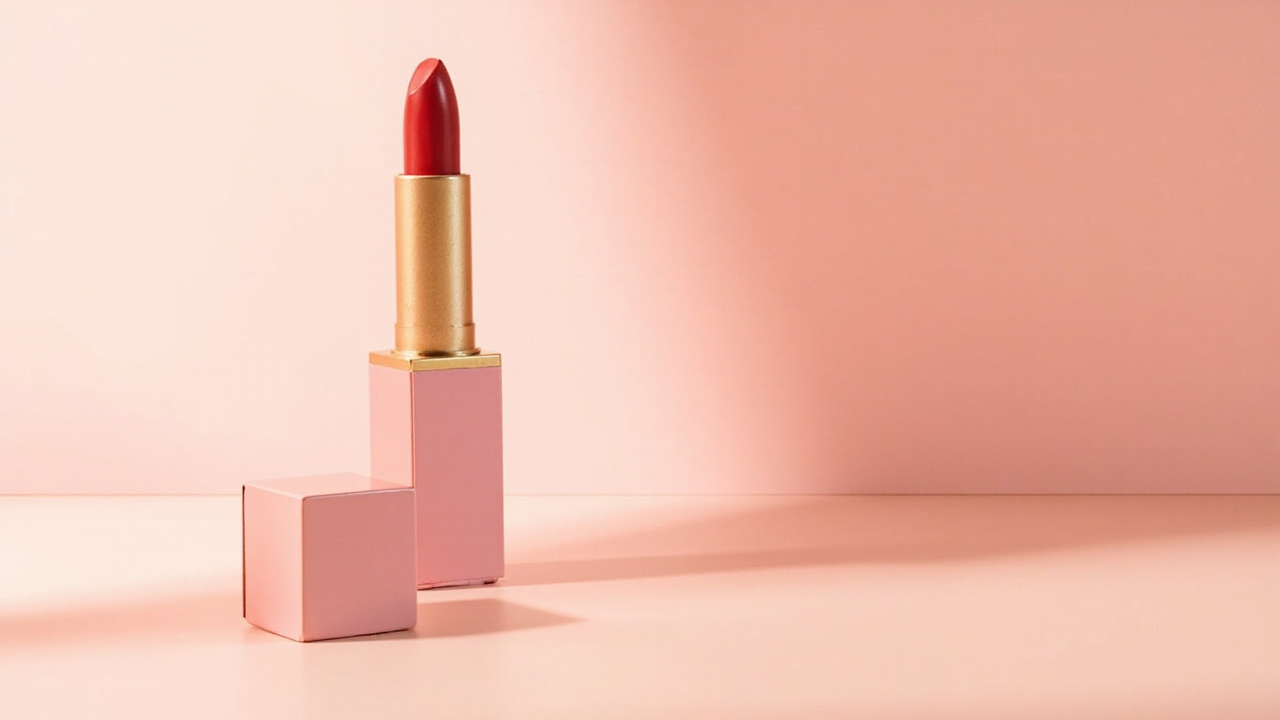
Choosing a lipstick when you have psoriasis requires a forensic approach to the ingredient list. Here is a step-by-step guide to making the right choice.
Step 1: Look for "Clean" and "Hypoallergenic" Labels
While these terms are not strictly regulated, brands that market themselves as "clean" or "hypoallergenic" are more likely to avoid common irritants. Look for certifications like the National Eczema Association Seal of Acceptance or Dermatologist Tested.
Step 2: Avoid the "Dirty Dozen" of Lip Irritants
Scrutinize the label for these ingredients. If you see them, put the lipstick back.
- Fragrance & Essential Oils: (Limonene, Linalool, Peppermint, Cinnamon) – These are top triggers for contact dermatitis and lip inflammation.
- Denatured Alcohol (SD Alcohol 40): Extremely drying and stripping.
- Camphor & Phenol: Often found in medicated lip balms; they can cause peeling with overuse.
- Lanolin: While moisturizing for some, it is a common allergen for those with sensitive skin.
- Mica: A mineral that gives shimmer; large, jagged mica particles can be physically abrasive on flaky skin.
- Sodium Lauryl Sulfate (SLS): A foaming agent that can dry out the lips.
Step 3: Prioritize Occlusive and Emollient Bases
Your base should be rich and protective. The best ingredients are:
- Occlusives: Petrolatum, Beeswax, Candelilla Wax, Shea Butter (form a physical seal).
- Emollients: Squalane, Jojoba Oil, Caprylic/Capric Triglyceride (soften and smooth).
- Humectants: Glycerin, Hyaluronic Acid, Panthenol (draw moisture into the skin).
Step 4: Choose the Right Finish
- Best: Satin, Sheer, or "Hydrating" finishes. These contain the most oil and wax.
- Avoid: Long-wear, liquid lipsticks, and matte finishes. They often contain high levels of film-forming polymers (like Acrylates Copolymer) and silica, which can feel like a mask and crack over psoriasis plaques.
Quick Comparison Table: Top Psoriasis-Friendly Lipsticks
This table summarizes the best options across different categories. Prices are approximate.
| Product | Category | Key Hydrating Ingredients | Finish | Best For | Price Range |
| :--- | :--- | :--- | :--- | :--- | :--- |
| Burt’s Bees 100% Natural Lipstick | Drugstore | Beeswax, Shea Butter, Coconut Oil | Satin | Daily wear, mild psoriasis | $ |
| Ilia Balmy Gloss Tinted Lip Oil | Clean Beauty | Squalane, Castor Seed Oil, Moringa Oil | Glossy | High shine & hydration | $ |
| Tower 28 LipSoftie Lip Treatment | Sensitive Skin | Jojoba Oil, Shea Butter, Avocado Oil | Sheer | Zero-irritation guarantee | $ |
| Beautycounter Satin Lipstick | Non-Toxic | Shea Butter, Jojoba Oil, Avocado Oil | Satin | Rich color, safe ingredients | $$ |
| Vaseline Lip Therapy (tinted) | Drugstore | Petrolatum, Vitamin E | Glossy | Extreme protection | $ |
| CeraVe Healing Lip Balm | Dermatologist | Ceramides, Petrolatum, Niacinamide | Neutral | Barrier repair (under lipstick) | $ |
| Kosas Wet Lip Oil Plumping Treatment | Clean Beauty | Hyaluronic Acid, Peptides, Castor Oil | Glossy | Plumping without irritation | $ |
Note: Prices are estimates and may vary.Top Lipstick Recommendations by Category
Here are our top picks, rigorously vetted for their ingredient profiles and user reviews from the psoriasis community.
Best Drugstore Option: Burt’s Bees 100% Natural Lipstick
- Why it works: This is a classic for a reason. The base is rich in Beeswax (an excellent occlusive) and Shea Butter. It has a satin finish that glides on without dragging. It contains no petrolatum (which some psoriasis patients find occlusive to the point of trapping heat), and the scent is minimal and natural.
- Best shades: "Red Dahlia," "Blush Basin," and "Rose."
Best for Severe Flares: Tower 28 LipSoftie Lip Treatment
- Why it works: Tower 28 is famous for its "Skin-First" philosophy. All products are formulated without the top 50 irritants and are Eczema Association approved. The LipSoftie is a sheer, balmy treatment that provides a wash of color. It contains Avocado Oil and Shea Butter to deeply nourish cracked lips. It is non-sticky and feels like a high-end lip balm.
- Best shades: "Coconut," "Mango," and "Pistachio."
Best High-End Luxury Option: Beautycounter Satin Lipstick
- Why it works: Beautycounter operates on a "Never List" of over 1,800 questionable ingredients. Their Satin Lipstick is deeply moisturizing thanks to a blend of Jojoba, Avocado, and Shea oils. It provides full, buildable color without the tightness of a matte. The pigments are mineral-based, reducing the risk of allergic reaction.
- Best shades: "Twig," "Rosewood," and "Poppy."
Best for High Shine and Comfort: Ilia Balmy Gloss Tinted Lip Oil
- Why it works: Lip oils are a game-changer for psoriasis. They are lighter than gloss but more hydrating than a stain. Ilia’s version uses Squalane (a lipid identical to our skin’s own) and Moringa Oil. It feels like a treatment on the lips and provides a glossy, non-sticky finish.
- Best shades: "Tenderly," "Amore," and "Only You."
Best for Extreme Protection (Base Coat): CeraVe Healing Lip Balm
- Why it works: This is not a lipstick, but it is an essential step. Use this as a base layer before your color. It contains three essential Ceramides to restore the lip barrier, plus Niacinamide to calm inflammation. It is the gold standard for protecting a compromised lip barrier.
How to Apply Lipstick with Psoriasis: A Step-by-Step Guide
Application technique is just as important as the product itself. Aggressive rubbing can cause micro-tears and trigger the Koebner phenomenon. Follow this protocol for a safe, smooth application.
Step 1: Gentle Exfoliation (Only When Safe)
Do not exfoliate if your lips are actively bleeding, oozing, or have open fissures. Only exfoliate when the skin is dry and flaky but intact.
- Method: Use a warm, damp washcloth. Gently press it against your lips for 30 seconds to soften the scales. Then, with a circular motion, lightly sweep the cloth over the lips. Do not scrub. If flakes do not come off easily, wait.
- Avoid: Sugar scrubs, toothbrushes, or gritty exfoliators.
Step 2: Hydrate and Prime
- Apply a thick layer of a psoriasis-safe lip balm (like CeraVe Healing Lip Balm or Vaseline).
- Wait 2-3 minutes for it to absorb.
- Blot gently with a tissue to remove the excess. This creates a smooth, hydrated canvas.
Step 3: Apply Lipstick with a Clean Finger or Brush
- Why: The friction from dragging a bullet lipstick directly across flaky skin can be painful and lift the scales.
- Method: Dab a small amount of lipstick onto your ring finger (which applies the least pressure). Pat and press the color onto your lips, starting from the center and blending outward. This technique deposits color without disturbing the skin.
Step 4: The "Blot and Tap" Technique
- After the first layer, press a tissue against your lips to remove excess oil.
- Apply a second layer using the same patting motion.
- Final Touch: Place a tiny dot of clear balm (Vaseline) on the center of your lower lip and press your lips together. This adds a healthy sheen without overloading the edges.
Step 5: Remove Gently
- Never wipe. Use a micellar water (on a cotton pad) or a gentle cleansing oil. Press the pad against your lips for 15 seconds to dissolve the product, then gently sweep away.
- Follow immediately with a heavy layer of balm for overnight repair.
Potential Side Effects and Precautions
Even with the best products, there are risks. Here is what to watch for.
1. Allergic Contact Dermatitis
Even "natural" ingredients can be allergens. Propolis (from beeswax) and linalool (in some essential oils) are common triggers. If you experience tingling, swelling, or a rash, stop use immediately.
2. The "Moisture Trap" Effect
While occlusives like petrolatum are excellent for sealing moisture, some psoriasis patients find that they trap heat and cause the skin to feel "suffocated," potentially worsening inflammation. If you feel a burning sensation under a thick balm, switch to a plant-based wax like Candelilla.
3. Secondary Infections
Cracked, bleeding lips are an entry point for bacteria and fungi (especially yeast like Candida). If you notice yellow crusting, increased pain, or white patches, see a dermatologist immediately. Do not apply lipstick to an infected area.
4. Photosensitivity
Some psoriasis treatments (like topical steroids or UV therapy) can make your lips more sensitive to the sun. Always use a lip balm with SPF 30+ (like EltaMD Lip Balm) underneath your lipstick.
5. The Koebner Phenomenon
This is the most significant risk. Any physical trauma—including vigorous rubbing, peeling dry skin, or using a drying liquid lipstick—can cause a new psoriasis plaque to form at that exact spot. This is why gentle application and removal are non-negotiable.
Conclusion
Living with lip psoriasis does not mean you have to live without color. The beauty industry has finally caught up with the needs of sensitive skin, offering products that are as therapeutic as they are aesthetic.
The key takeaways are simple: Prioritize hydration over longevity. Choose satin over matte. Pat, don't swipe. And always, always read the ingredient list.
By selecting a lipstick built on a base of squalane, shea butter, and ceramides, and by avoiding the common irritants of fragrance, drying alcohols, and harsh pigments, you can achieve a look that is both beautiful and safe.
Final Pro-Tip: Keep a tube of plain, fragrance-free Vaseline in your bag. If your lips start to feel tight or look flaky during the day, gently blot your lipstick and reapply the Vaseline. It is the safest "emergency" product available.Frequently Asked Questions (FAQs)
1. Can I wear matte lipstick if I have psoriasis?Generally, no. Standard matte lipsticks are formulated with high levels of powder and film-forming polymers that absorb moisture and create a stiff film. This can crack over psoriasis plaques and feel very uncomfortable. If you love a matte look, try a "velvet" or "satin matte" formula that has a higher oil content, and always apply a thick balm underneath.
2. Is "clean beauty" lipstick always safe for psoriasis?Not automatically. "Clean beauty" usually means avoiding certain synthetic chemicals, but some natural ingredients (like peppermint oil, cinnamon oil, or high concentrations of salicylic acid from willow bark) can be highly irritating to psoriasis. Always look for specific "Eczema Approved" or "Sensitive Skin" seals rather than just the "clean" label.
3. Can I use a lip liner with psoriasis?Yes, but with caution. Choose a retractable, non-drying pencil (like ones from Clinique or Urban Decay’s anti-aging formula). Avoid wooden pencils that require sharpening, as the wood can be rough. Apply the liner after your balm base and color, not before, to avoid dragging the skin.
4. How do I know if my lipstick is causing a flare-up?A flare-up caused by a product usually appears within 24-48 hours. Look for a specific pattern: redness and itching that is confined strictly to where the lipstick was applied (the vermilion border). If the inflammation is spreading beyond your lips, it might be an allergic reaction. Stop use and switch to plain petroleum jelly until the skin heals.
5. Should I avoid lipstick during a severe flare-up?Yes. If your lips are actively bleeding, weeping, or have deep, painful fissures, you should avoid all colored cosmetics. The pigments and waxes can trap bacteria and slow healing. During this time, use only a medical-grade ointment (like CeraVe Healing Ointment or Aquaphor) until the skin is intact and the inflammation has subsided. Once healed, you can slowly reintroduce color.
You May Also Like
Explore more articles in our Beauty collection:
- Best Brow Tint for Large Pores: A Complete Guide to Flawless, Defined Brows
- Best Color Corrector for Dry Skin: Hydrating Formulas That Neutralize Without Flaking
- Best Cuticle Remover for Acne-Prone Skin: A Complete Guide to Safe Manicures
Medical Disclaimer
The information provided in this article is for educational and informational purposes only and is not intended as medical advice. Psoriasis is a complex medical condition that varies from person to person. The products and techniques discussed here may not be suitable for everyone. Always consult with a board-certified dermatologist or healthcare provider before starting any new skincare or cosmetic routine, especially if you have active lesions, open wounds, or are undergoing medical treatment for psoriasis. The author and publisher are not responsible for any adverse effects or consequences resulting from the use of the information presented herein.Medically Reviewed By
Dr. James Chen, MD, PhD — Dermatology ResearcherDr. Chen is a physician-scientist specializing in skin barrier research. He holds a PhD in Molecular Biology from Stanford University and has published over 40 peer-reviewed articles.
This article was medically reviewed on 2026-06-09 for accuracy and completeness.
Related Tools
Try these free calculators and quizzes to personalize your routine: