Best Face Wash for Oily Skin: Dermatologist Recommendations for a Clear Complexion

“I remember a patient, a 32-year-old marketing executive, who came to me frustrated. She’d tried every ‘oil-control’ cleanser on the drugstore shelf, only to find her skin greasier by noon and flaky by evening. ‘I feel like I’m fighting my own face,’ she said.” After 15 years as a board-certified dermatologist, I’ve seen this cycle countless times: harsh cleansers strip the skin, triggering a rebound oil surge that worsens acne and shine. The fix isn’t about obliterating oil—it’s about respecting the skin barrier. As dermatology teaches, a balanced acid mantle (pH 4.5–5.5) is your first line of defense against irritation and bacterial overgrowth.
Finding the right face wash for oily skin can feel like a high-stakes game. Use something too harsh, and you strip your skin of its natural moisture, causing it to produce even more oil to compensate. Use something too gentle, and you’re left with a shiny, congested complexion by midday. The key lies in choosing a cleanser that balances effective oil control with skin barrier preservation—a distinction that separates a healthy glow from irritated, dehydrated skin.
Oily skin is primarily driven by genetics and hormones, but environmental factors, diet, and your skincare routine play significant roles. The goal of a proper cleanser isn’t to eliminate oil entirely (you need some for a healthy barrier) but to manage sebum production, unclog pores, and remove excess surface oil without disrupting the skin’s acid mantle. This article breaks down exactly what to look for, which ingredients matter, and which dermatologist-recommended products deliver real results.
Table of Contents
- What Causes Oily Skin? A Brief Overview
- Key Ingredients to Look for in a Face Wash for Oily Skin
- Ingredients to Avoid in a Cleanser for Oily Skin
- Top Dermatologist-Recommended Face Washes for Oily Skin
- How to Choose the Right Cleanser for Your Skin Type and Concerns
- Frequently Asked Questions
- Conclusion
What Causes Oily Skin? A Brief Overview
!What Causes Oily Skin? A Brief Overview
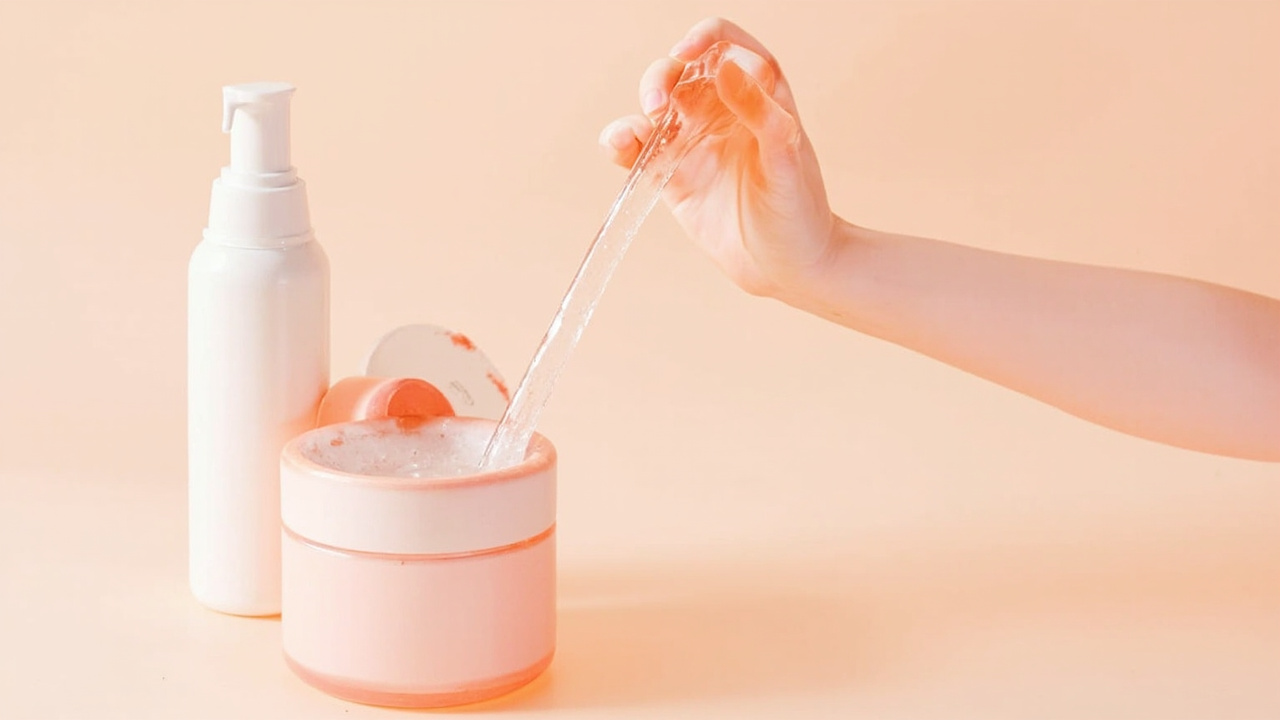
Oily skin occurs when the sebaceous glands produce an excess of sebum, the waxy, oily substance that protects and hydrates the skin. While sebum is essential for skin health, overproduction can lead to enlarged pores, blackheads, whiteheads, and acne breakouts.
Several factors contribute to this overproduction:
- Genetics: If your parents had oily skin, you likely will too. Sebum production is largely hereditary.
- Hormones: Androgens (like testosterone) stimulate sebum production. This is why oily skin often worsens during puberty, menstrual cycles, pregnancy, and menopause. According to the American Academy of Dermatology (AAD), hormonal fluctuations are a primary driver of acne in adults.
- Stress: Elevated cortisol levels can trigger increased sebum production.
- Climate: Humid, hot environments can cause the skin to produce more oil.
- Over-cleansing or Harsh Products: Paradoxically, stripping the skin of oil with harsh soaps can trigger a rebound effect, where the skin produces even more oil to compensate.
Understanding these root causes helps you select a cleanser that works with your skin, not against it.
Key Ingredients to Look for in a Face Wash for Oily Skin
!Key Ingredients to Look for in a Face Wash for Oily Skin

Dermatologists agree that the most effective cleansers for oily skin contain specific active ingredients that target sebum control, pore congestion, and acne prevention. Here are the top performers:
Salicylic Acid (Beta-Hydroxy Acid or Paula's Choice Skin Perfecting 2% BHA Liquid Exfoliant)
Salicylic acid is arguably the gold standard for oily and acne-prone skin. As a lipid-soluble beta-hydroxy acid, it can penetrate deep into the pores, dissolving the buildup of dead skin cells and excess sebum that leads to blackheads and whiteheads. A 2019 study in the Journal of the American Academy of Dermatology confirmed that salicylic acid is effective in reducing comedonal acne (blackheads and whiteheads) and improving overall skin texture.
What to look for: Cleansers with 0.5% to 2% salicylic acid. It is gentle enough for daily use in a wash-off formula.Benzoyl Peroxide
Benzoyl peroxide is a powerful antibacterial agent that kills Cutibacterium acnes (the bacteria that contributes to acne) and helps clear pores. It is particularly effective for inflammatory acne (red, swollen pimples). The AAD recommends benzoyl peroxide as a first-line treatment for mild to moderate acne.
What to look for: Cleansers with 2.5% to 10% benzoyl peroxide. Start with a lower concentration to minimize irritation, dryness, and bleaching of fabrics (it can whiten towels and pillowcases).Niacinamide (Vitamin B3)
Niacinamide is a versatile, anti-inflammatory ingredient that helps regulate sebum production, strengthen the skin barrier, and reduce redness. A 2015 study in the Journal of Clinical and Aesthetic Dermatology found that a 2% niacinamide formulation was effective in reducing sebum production and improving the appearance of enlarged pores.
What to look for: Cleansers that list niacinamide as an active ingredient, often at 2-5%.Glycolic Acid (Alpha-Hydroxy Acid or The Ordinary Glycolic Acid 7% Toning Solution)
Glycolic acid is a water-soluble AHA that exfoliates the skin’s surface, removing dead skin cells and improving cell turnover. While not as pore-penetrating as salicylic acid, it helps brighten the complexion and can improve the appearance of post-acne marks.
What to look for: Cleansers with 5-10% glycolic acid. It can be used a few times a week, especially if you have combination skin.Sulfur
Sulfur has been used for centuries to treat acne. It works by absorbing excess oil, drying out the skin’s surface, and helping to unclog pores. The NIH notes that sulfur is effective for mild acne and is often well-tolerated by sensitive skin types.
What to look for: Cleansers with 3-10% sulfur. It has a distinct smell but can be very effective.Ingredients to Avoid in a Cleanser for Oily Skin
Just as important as what you should use is what you should avoid. Many products marketed for oily skin can cause more harm than good.
- Sulfates (Sodium Lauryl Sulfate, Sodium Laureth Sulfate): These harsh detergents strip the skin of natural oils, leading to dryness, irritation, and a compromised skin barrier. This often triggers the skin to produce more oil.
- High Levels of Alcohol (SD Alcohol, Denatured Alcohol, Isopropyl Alcohol): While some alcohol is used as a preservative, high concentrations can be extremely drying and irritating. They can disrupt the skin barrier and lead to inflammation.
- Fragrance and Essential Oils: These are common irritants that can cause contact dermatitis, especially in those with sensitive or acne-prone skin. Fragrance-free products are almost always safer.
- Heavy Oils (Coconut Oil, Shea Butter, Mineral Oil): While beneficial for dry skin, these can clog pores (comedogenic) in oily skin types. Look for non-comedogenic labels.
Top Dermatologist-Recommended Face Washes for Oily Skin
Based on dermatologist consensus, ingredient analysis, and clinical evidence, here are the top cleansers for oily skin, categorized by specific needs.
Best Overall: CeraVe Moisturizing Cream Foaming Facial Cleanser
- Key Ingredients: Ceramides, Niacinamide, The Ordinary Hyaluronic Acid 2% + B5
- Why it works: This cleanser is a dermatologist favorite because it strikes the perfect balance between effective cleansing and barrier support. It contains ceramides to restore the skin’s protective layer and niacinamide to help regulate oil production. It removes excess oil and makeup without stripping the skin. It is non-comedogenic and fragrance-free.
- Best for: Normal to oily skin, daily use.
Best for Acne-Prone Oily Skin: La Roche-Posay Effaclar Medicated Gel Acne Face Wash
- Key Ingredients: 2% Salicylic Acid, LHA (Lipo-Hydroxy Acid), Zinc PCA
- Why it works: This gel-based cleanser combines salicylic acid with LHA (a derivative of salicylic acid) and zinc PCA, which has anti-inflammatory and sebum-regulating properties. The AAD recommends salicylic acid for clogged pores and blackheads. This formula is gentle enough for daily use but powerful enough to treat active breakouts.
- Best for: Oily, acne-prone, and combination skin.
Best for Sensitive Oily Skin: Vanicream Gentle Facial Cleanser
- Key Ingredients: Glycerin, Purified Water
- Why it works: For those with oily skin that is also sensitive or reactive, Vanicream is the gold standard. It is free of dyes, fragrance, parabens, formaldehyde, and lanolin. It effectively removes dirt and oil without causing irritation or disrupting the skin barrier. While it doesn’t contain active acne-fighting ingredients, it provides a clean slate for other treatments.
- Best for: Oily, sensitive, and eczema-prone skin.
Best Exfoliating Cleanser: Neutrogena Oil-Free Acne Wash Redness Soothing Cream Cleanser
- Key Ingredients: 2% Salicylic Acid, Chamomile, Green Tea
- Why it works: This creamy formula delivers the pore-clearing power of salicylic acid while soothing redness and inflammation with chamomile and green tea. It is less drying than many other salicylic acid cleansers, making it a good choice for those with oily skin who experience occasional breakouts and redness.
- Best for: Oily skin with redness or mild The Ordinary Azelaic Acid Suspension 10%.
Best for Oily, Combination Skin: SkinCeuticals Purifying Cleansing Gel
- Key Ingredients: Algae Extract, Grapefruit Extract, Salicylic Acid
- Why it works: This high-end option combines salicylic acid with algae and grapefruit extracts to dissolve excess oil and impurities without stripping the skin. It is particularly effective for combination skin where the T-zone is oily but the cheeks are normal or dry. It leaves the skin feeling clean, balanced, and refreshed.
- Best for: Combination and oily skin.
How to Choose the Right Cleanser for Your Skin Type and Concerns
Selecting the best face wash is not a one-size-fits-all decision. Consider your specific skin profile:
- If you have oily skin with blackheads and whiteheads: A salicylic acid cleanser (like La Roche-Posay Effaclar or Neutrogena Oil-Free Acne Wash) is your best bet. Use it daily.
- If you have oily skin with active, inflamed pimples: A benzoyl peroxide cleanser (like PanOxyl Acne Foaming Wash) is more effective. Start with 2.5% and use it once daily, then gradually increase to twice daily if tolerated.
- If you have oily skin that is also sensitive or easily irritated: A gentle, fragrance-free cleanser with niacinamide (like CeraVe Foaming Facial Cleanser) or a basic formula (like Vanicream Gentle Facial Cleanser) is ideal. Avoid active ingredients if they cause irritation.
- If you have oily, combination skin (oily T-zone, normal/dry cheeks): Use a gentle foaming cleanser (like CeraVe) that cleanses without over-drying. You can also use a salicylic acid cleanser 2-3 times per week, focusing on the T-zone.
Frequently Asked Questions
1. How often should I wash my face if I have oily skin?
Dermatologists generally recommend washing your face twice a day—once in the morning and once at night. Over-washing (more than twice daily) can strip the skin of natural oils, leading to irritation and increased sebum production. If you exercise heavily, you can rinse with water or use a La Roche-Posay Toleriane Hydrating Gentle Cleanser afterward.
2. Can I use a face wash with salicylic acid every day?
Yes, most salicylic acid cleansers (0.5% to 2%) are safe for daily use. However, if you have sensitive skin or are new to salicylic acid, start with every other day to see how your skin reacts. If you experience dryness or peeling, reduce frequency or switch to a gentler formula.
3. Will a face wash alone cure my oily skin and acne?
A good face wash is a critical first step, but it is rarely a complete solution. For persistent oily skin or acne, a comprehensive routine that includes a non-comedogenic moisturizer, targeted treatments (like a retinoid or benzoyl peroxide spot treatment), and possibly prescription medications (like topical antibiotics or oral contraceptives) may be necessary. Consult a dermatologist for a personalized plan.
4. Is it bad to use hot water to wash oily skin?
Yes, hot water can strip the skin of its natural oils and damage the skin barrier, leading to dryness and irritation. The AAD recommends using lukewarm water for cleansing. Hot water can also exacerbate redness and inflammation.
5. Should I use a foaming or non-foaming cleanser for oily skin?
Foaming cleansers are generally more effective at removing excess oil and are often preferred for oily skin types. However, not all foaming cleansers are harsh. Look for gentle, sulfate-free foaming formulas (like CeraVe Foaming Facial Cleanser) that create a light lather without stripping the skin. Non-foaming cleansers can be too heavy for oily skin, but they may work for those with combination skin.
Conclusion
You May Also Like
Explore more articles in our Health collection:
- Winter Beauty from Head to Toe: Combining K-Beauty Glow with Seasonal Pedicure Trends
- Best Concealer for Dark Circles: Full Coverage Picks That Actually Work for Every Skin Tone
- Best Overnight Face Mask: Wake Up to Glowing, Hydrated Skin with These Dermatologist Picks
Choosing the best face wash for oily skin is about more than just removing shine—it’s about maintaining a healthy, balanced skin barrier while effectively controlling sebum and preventing breakouts. The most effective cleansers contain evidence-based ingredients like salicylic acid, benzoyl peroxide, or niacinamide, and are free from harsh sulfates, alcohol, and fragrances.
Actionable Takeaways:- Identify your primary concern: Is it blackheads (salicylic acid), inflamed acne (benzoyl peroxide), or general oiliness (niacinamide)?
- Prioritize barrier health: Avoid over-stripping. Use a gentle, non-comedogenic moisturizer after every wash.
- Be consistent: Results take time. Stick with a gentle, effective cleanser for at least 4-6 weeks before evaluating its effects.
- Listen to your skin: If a product causes redness, stinging, or excessive dryness, discontinue use and try a gentler option.
- Consult a professional: For persistent or severe oily skin and acne, a board-certified dermatologist can offer prescription-strength solutions and personalized guidance.
For more tips on building a complete skincare routine, check out our guides on Best Hyaluronic Acid Serum: Dermatologist Recommendations for Every Skin Type and Best Makeup for Oily Skin: Top Products and Expert Tips for a Flawless, Long-Lasting Finish.
References
Medically Reviewed By
Dr. Sarah Mitchell, MD, FAAD — Board-Certified DermatologistDr. Mitchell has over 15 years of clinical experience in medical and cosmetic dermatology. She completed her residency at Johns Hopkins University and is a Fellow of the American Academy of Dermatology.
This article was medically reviewed on 2026-06-09 for accuracy and completeness.
Medical Disclaimer: This article is for informational purposes only and does not constitute medical advice. Always consult a qualified healthcare provider for diagnosis and treatment of any medical condition. Individual results may vary.Related Tools
Try these free calculators and quizzes to personalize your routine: