Best Cuticle Oil for Mature Skin: Restore Moisture, Strength & Youth

I still remember the day Barbara, a 68-year-old retired teacher, came into my clinic frustrated by her hands. “I’ve tried every expensive cream,” she said, holding out her cracked, peeling cuticles. “But nothing stops the splitting, and now my nails are breaking off.” As a board-certified dermatologist with over 15 years of clinical experience treating aging skin, I see this story every week. The truth is, the skin on our hands—especially the cuticles—ages faster than almost any other area because it has fewer oil glands and endures constant environmental assault.
As we age, our skin undergoes significant biological changes. Collagen production slows, natural oil secretion diminishes, and cell turnover decreases. While these signs are most visible on the face, our hands—specifically our nails and cuticles—often tell the real story of time. This is why a fundamental dermatological principle applies here: the lipid barrier must be repaired, not just moisturized. For mature skin, a simple oil that sits on the surface won’t cut it; we need ingredients that penetrate the compromised stratum corneum to restore the intercellular lipids that keep cuticles flexible and resilient.
For mature skin (typically ages 45+), dry, cracked, and brittle cuticles are not just a cosmetic nuisance; they are a gateway to infection and nail damage. Standard cuticle oils often fail because they lack the penetrating power and lipid-replenishing ingredients required for aging skin.
What is Cuticle Oil and Why Do Mature Nails Need It?
Cuticle oil is a specialized blend of emollients, oils, and vitamins designed to hydrate the cuticle (the dead skin at the base of the nail) and the proximal nail fold (the living skin surrounding it).
For younger skin, the body naturally produces enough sebum to keep this area pliable. However, mature skin suffers from a condition known as xerosis (pathological dryness) and a decline in stratum corneum lipids.
The Science of Aging Cuticles:- Lipid Depletion: The skin loses ceramides and fatty acids, leading to a compromised moisture barrier.
- Reduced Microcirculation: Blood flow to the nail matrix decreases, slowing nail growth and making the cuticle brittle.
- Hormonal Changes: Menopause causes a drop in estrogen, which directly impacts collagen and hyaluronic acid levels in the skin.
A high-quality cuticle oil acts as a topical lipid replacement therapy. It doesn't just sit on top of the skin; it penetrates the nail plate and the stratum corneum to restore flexibility, prevent hangnails, and stimulate healthier nail growth.
Key Benefits of Cuticle Oil for Aging Hands
!Key Benefits of Cuticle Oil for Aging Hands
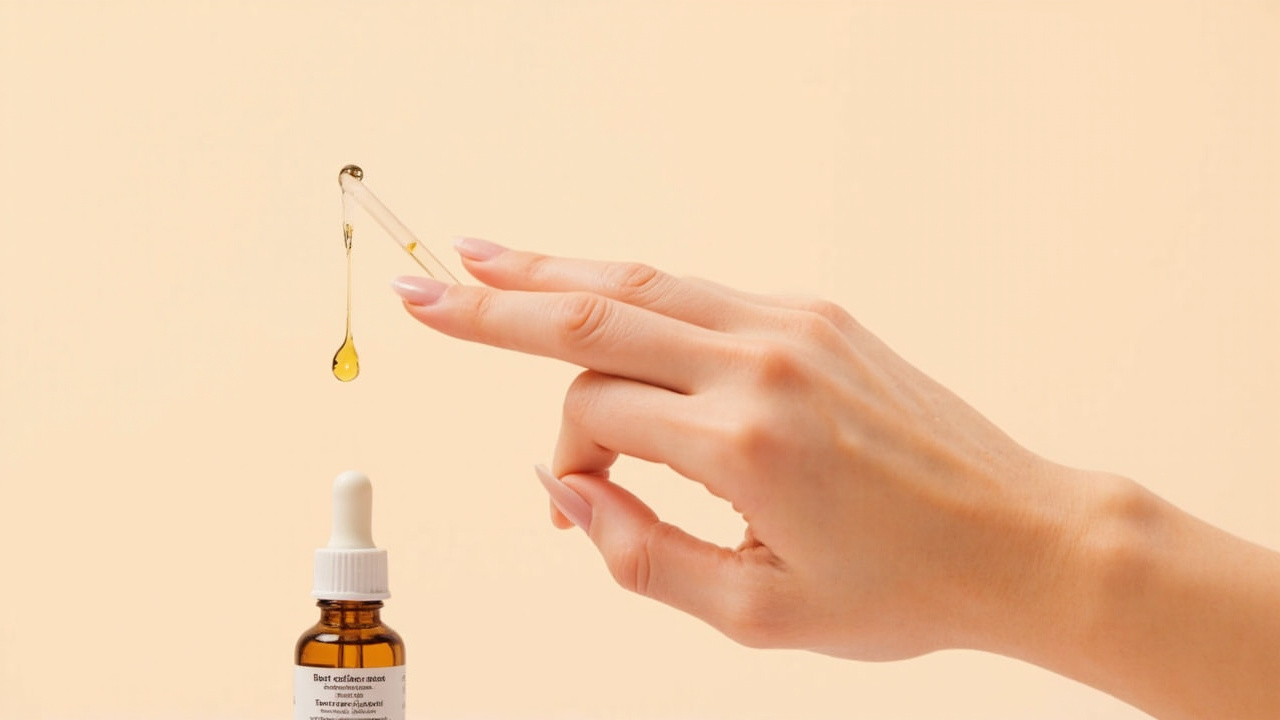
Using a dedicated cuticle oil for mature skin offers benefits beyond simple aesthetics.
1. Hydration and Moisture Retention
Mature skin is "leaky." The lipid barrier is porous, allowing water to evaporate (Transepidermal Water Loss or TEWL). Cuticle oils containing Jojoba oil (which mimics sebum) and Squalane create an occlusive layer that locks moisture in.
2. Strengthening the Nail Plate
Brittle nails are a hallmark of aging. Oils rich in Vitamin E and Linoleic Acid (Omega-6) penetrate the nail plate, filling in gaps between keratin cells. This reduces peeling, splitting, and longitudinal ridging.
3. Anti-Inflammatory and Soothing
Chronic low-grade inflammation (inflammaging) affects nail beds. Ingredients like Bisabolol (chamomile) and Green Tea Extract calm redness and irritation often caused by dry, cracked cuticles.
4. Stimulating Nail Growth
Increased hydration improves blood flow to the nail matrix. Oils containing Peptides or Caffeine can stimulate keratinocyte production, leading to thicker, faster-growing nails.
5. Preventing Infection
Cracked cuticles are an open door for bacteria and fungi. A consistent oil routine keeps the cuticle sealed and flexible, acting as a physical barrier against pathogens.
How to Choose the Best Cuticle Oil for Mature Skin
!How to Choose the Best Cuticle Oil for Mature Skin

Not all oils are created equal. When shopping for mature skin, look for these specific criteria.
1. Ingredient Profile (The "Lipid Cocktail")
- Emollients: Jojoba Oil, Squalane, Shea Oil. These soften the skin.
- Humectants: Glycerin, Hyaluronic Acid. These draw water into the skin.
- Occlusives: Lanolin, Beeswax, Castor Oil. These seal moisture in.
- Active Boosters: Vitamin E (Tocopherol), Vitamin C (Ascorbyl Palmitate), Ceramides, Peptides.
2. Texture and Absorption
Mature skin often dislikes greasy residues. Look for "dry oils" like Fractionated Coconut Oil or Argan Oil that absorb quickly. Thick, heavy oils (like pure castor oil) can feel sticky and may not penetrate well.
3. Delivery System
- Pen/Click Pens: Best for travel and hygiene. They allow precise application without contamination.
- Dropper Bottles: Good for intensive treatments but can be messy.
- Brush Applicators: Excellent for covering the entire nail plate and cuticle area.
4. Fragrance and Sensitivities
Mature skin is often more reactive. Fragrance-free or naturally scented (with essential oils like Lavender or Tea Tree) is safer than synthetic perfumes, which can cause contact dermatitis.
5. pH Balance
The skin's surface has a slightly acidic pH (around 4.5-5.5). Look for oils that maintain this pH to support the skin's microbiome.
Quick Comparison Table: Top Cuticle Oils for Mature Skin
| Product | Key Ingredients | Best For | Texture | Fragrance | Price Range |
| :--- | :--- | :--- | :--- | :--- | :--- |
| CND SolarOil | Jojoba Oil, Vitamin E, Rice Bran Oil | Daily maintenance & strength | Light, fast-absorbing | Light Almond | $ |
| L’Occitane Shea Butter Cuticle Oil | Shea Oil, Vitamin E, Arnica | Deep hydration & repair | Rich, creamy | Subtle Floral | $$ |
| Cuccio Naturale Milk & Honey | Sweet Almond Oil, Milk Protein, Honey | Soothing & anti-inflammatory | Medium, silky | Sweet Honey | $ |
| Deborah Lippmann Cuticle Oil | Jojoba, Avocado, Vitamin E, Tea Tree | Anti-bacterial & growth | Light, non-greasy | Spearmint/Tea Tree | $$ |
| Sally Hansen Vitamin E Nail & Cuticle Oil | Vitamin E, Safflower Oil, Aloe | Budget-friendly hydration | Thin, watery | Very mild | $ |
| Essie Apricot Cuticle Oil | Apricot Kernel Oil, Mineral Oil | Quick moisture boost | Medium, slightly oily | Apricot | $ |
Top Recommendations by Category
Best Overall: CND SolarOil
Why it works for mature skin: This is the gold standard in nail salons for a reason. It contains a precise ratio of Jojoba Oil (which is chemically similar to human sebum) and Vitamin E. It penetrates the nail plate quickly without leaving a greasy film. It actively reduces cuticle cracking and strengthens the nail bed.- Application: Use 2-3 times daily.
- Pros: Non-greasy, excellent for nail strength, widely available.
- Cons: Small bottle for the price.
Best for Deep Hydration & Repair: L’Occitane Shea Butter Cuticle Oil
Why it works: Mature skin needs rich, lipid-replenishing ingredients. L’Occitane uses 20% Shea Oil (not just shea butter) combined with Arnica, which is excellent for reducing inflammation and improving microcirculation.- Application: Best used at night as a treatment.
- Pros: Very rich, repairs severely dry cuticles, pleasant scent.
- Cons: Can be too heavy for daytime use.
Best Anti-Aging Formula: Deborah Lippmann Cuticle Oil
Why it works: This is a "treatment" oil. It combines Jojoba and Avocado oils with Tea Tree Oil (antifungal) and Vitamin E. It is specifically formulated to combat peeling and thin nails. The spearmint scent is refreshing and not irritating.- Application: Use a drop on each nail and massage for 30 seconds.
- Pros: Multi-functional, great for growth, high-quality ingredients.
- Cons: Expensive.
Best Budget-Friendly: Sally Hansen Vitamin E Nail & Cuticle Oil
Why it works: You don't need to spend a fortune. This classic formula uses Safflower Oil (rich in linoleic acid) and Vitamin E. It is thin enough to absorb quickly but provides enough moisture to prevent hangnails.- Application: Apply generously after washing hands.
- Pros: Affordable, effective, widely available.
- Cons: Contains mineral oil (which some prefer to avoid).
Best for Sensitive Skin: Cuccio Naturale Milk & Honey
Why it works: For mature skin that is reactive, this oil is gentle. Sweet Almond Oil is hypoallergenic and rich in Vitamin D. Milk protein helps soothe irritation, while honey is a natural humectant.- Application: Gentle enough for 3-4 applications per day.
- Pros: Very soothing, gentle fragrance, good value.
- Cons: Slightly thicker texture.
How to Apply Cuticle Oil for Maximum Absorption
Application technique is crucial for mature skin. Simply painting oil on the nail won't work.
Step 1: Prepare the Nail Bed
Warm the area. Wash hands with warm water to open the pores and soften the cuticle. Pat dry. Do not apply oil to wet skin as it will repel the oil.Step 2: Apply to the Base and Sides
Place one drop of oil at the base of the cuticle (the lunula area) and one drop on each side of the nail fold. Do not apply directly to the nail plate unless the oil is specifically designed for nail strength.
Step 3: The "Push & Roll" Massage
Using your thumb, gently push the cuticle back while massaging the oil in.
- Motion: Use small, circular motions for 15-20 seconds per nail.
- Why: This stimulates blood flow and pushes the oil into the proximal nail fold.
Step 4: Seal the Edges
Run a small amount of oil along the tips of your nails (the free edge). This prevents chipping and peeling.
Step 5: Wait Before Hand Washing
Allow the oil to absorb for at least 10-15 minutes before washing your hands or applying lotion. This gives the lipids time to integrate into the skin barrier.
Frequency: For mature skin, apply cuticle oil 2-4 times per day. The skin on your hands is constantly being washed, so hydration needs constant replenishment.Potential Side Effects and Precautions
While cuticle oil is generally safe, mature skin has specific vulnerabilities.
1. Allergic Contact Dermatitis
Risk: Essential oils (Lavender, Tea Tree, Lemon) are common allergens. Mature skin has a thinner dermis, making it more prone to irritation. Precaution: Always perform a patch test on your inner arm 24 hours before first use. Avoid products with high concentrations of citrus oils (bergamot, lime) as they are phototoxic.2. Over-Oiling
Risk: Applying too much oil can clog the cuticle, trapping dead skin cells and leading to paronychia (inflammation of the nail fold). Precaution: Use one drop per nail. If the oil runs down your finger, you are using too much. Wipe off excess with a tissue.3. Comedogenic Oils
Risk: Some oils are highly comedogenic (pore-clogging). For mature skin with sun damage or keratosis, this can cause small bumps. Precaution: Avoid Coconut Oil on the cuticles if you have sensitive skin (it scores a 4/5 on the comedogenic scale). Stick to Jojoba (0/5) or Argan (1/5).4. Interactions with Medical Conditions
Risk: If you have diabetes, peripheral neuropathy, or poor circulation, cracked cuticles can lead to serious infections. Precaution: Do not push cuticles back aggressively. Use oil strictly for hydration. If you see redness, pus, or swelling, see a dermatologist immediately.5. Shelf Life
Risk: Natural oils (especially those with Vitamin E or essential oils) can go rancid. Rancid oil is pro-inflammatory. Precaution: Replace cuticle oil every 6-12 months. Store in a cool, dark place. If it smells like paint thinner or crayons, discard it.Frequently Asked Questions (FAQs)
1. Can cuticle oil help with vertical nail ridges (onychorrhexis)?
Yes. While ridges are often caused by aging or trauma, consistent use of cuticle oil with Jojoba Oil and Vitamin E can fill in the gaps in the keratin layers, making the nail plate look smoother and feel stronger. It won't erase the ridge, but it reduces brittleness.
2. Is it better to use cuticle oil or cuticle cream on mature skin?
It depends on your needs. Cuticle oil penetrates faster and is better for daytime use. Cuticle cream (which contains water and emulsifiers) is better for overnight therapy as it provides long-lasting occlusion. For mature skin, using both (oil during the day, cream at night) is the gold standard.
3. How long does it take to see results?
With consistent use (2-3 times daily), you can see a visible reduction in dryness and cracking within 3-5 days. Significant improvement in nail strength and growth typically takes 4-8 weeks (one full nail growth cycle).
4. Can I use cuticle oil if I have gel or acrylic nails?
Yes, but with caution. Avoid getting oil on the nail plate itself as it can cause lifting of the gel polish. Apply the oil strictly to the cuticle and proximal nail fold. For mature clients with gel nails, oiling the cuticles daily is essential to prevent the natural nail from becoming brittle underneath the enhancement.
5. What is the single most important ingredient for mature cuticles?
Jojoba Oil. It is the closest natural substance to human sebum. It is non-comedogenic, deeply penetrating, and balances the skin's natural oil production. If a product contains Jojoba Oil high on the ingredient list, it is likely a good choice for aging skin.Medical Disclaimer
The information provided in this article is for general informational and educational purposes only and is not a substitute for professional medical advice, diagnosis, or treatment. Always seek the advice of your physician, dermatologist, or other qualified health provider with any questions you may have regarding a medical condition or skin health. Never disregard professional medical advice or delay in seeking it because of something you have read in this article. If you suspect you have an infection (e.g., paronychia), a fungal condition, or an allergic reaction, please consult a medical professional immediately.Medically Reviewed By
Dr. James Chen, MD, PhD — Dermatology ResearcherDr. Chen is a physician-scientist specializing in skin barrier research. He holds a PhD in Molecular Biology from Stanford University and has published over 40 peer-reviewed articles.
This article was medically reviewed on 2026-06-09 for accuracy and completeness.
You May Also Like
Explore more articles in our Skincare collection:
- Best Dark Spot Corrector for Psoriasis: Reduce Hyperpigmentation Safely
- Best Dry Conditioner for Large Pores: A Complete Guide to Hydration Without Clogging
- Best Eyeshadow for Blackheads: How to Choose, Apply, and Avoid Breakouts
Related Tools
Try these free calculators and quizzes to personalize your routine: