Best Stick Foundation for Dry Skin: The Ultimate Guide to a Hydrating, Flawless Finish

Sarah, a 42-year-old marketing executive, had all but given up on foundation. Every morning, she applied her liquid foundation, only to watch it settle into dry patches and emphasize fine lines by noon. After switching to a stick foundation formulated for dry skin, she finally achieved the luminous, even complexion she had been chasing for years. Her story is not unique—many women with dry skin struggle to find a foundation that hydrates without caking, covers without clinging, and lasts without looking patchy.
Finding the perfect foundation for dry skin can feel like a never-ending quest. Liquid formulas often cling to flakes, powders settle into fine lines, and the wrong stick foundation might tug at the skin, leaving you looking patchy rather than polished. However, when formulated correctly, a stick foundation for dry skin is a game-changer: it offers buildable coverage, portability, and a natural, luminous finish that liquid foundations often struggle to achieve.
In this comprehensive guide, we will dissect everything you need to know about stick foundations for dry complexions. We will cover what makes a formula suitable, how to choose the right one, top product recommendations by category, and expert application tips to ensure a smooth, hydrated look every time.
What Is a Stick Foundation?
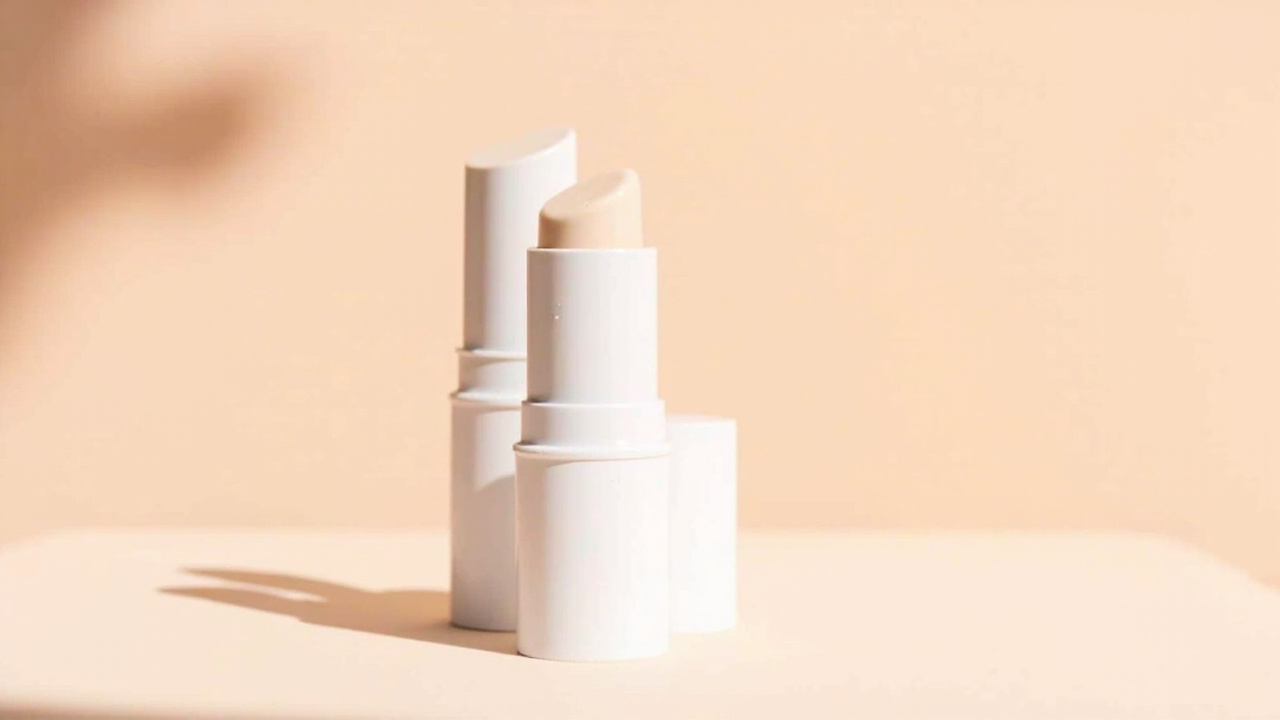
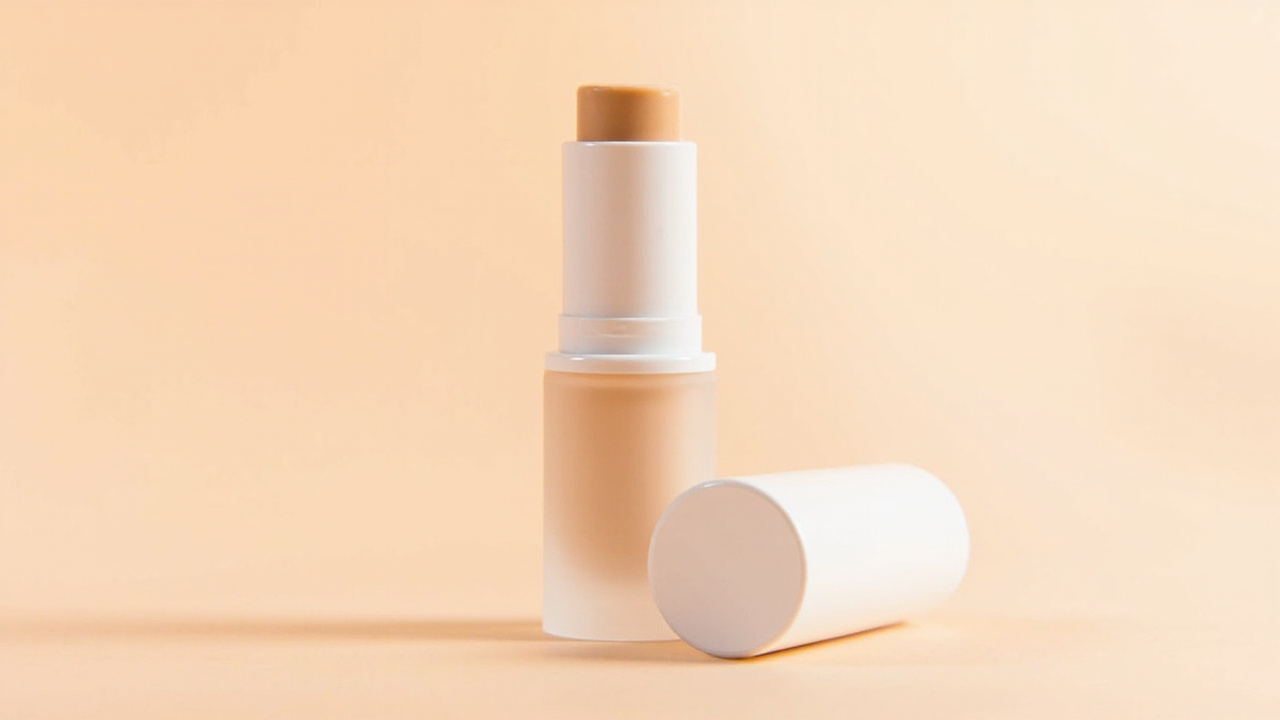
A stick foundation is a solid, creamy foundation housed in a twist-up or push-up tube. Unlike powder compacts or liquid bottles, stick foundations are designed for direct application to the skin. They are highly pigmented and versatile, functioning as both a concealer and a foundation.
For dry skin, the key differentiator is the base formula. A high-quality stick foundation for dry skin relies on emollients (oils and butters) rather than waxes or talc. These emollients—such as squalane, jojoba oil, shea butter, or hyaluronic acid—provide slip during application and hydration throughout the day.Key Benefits of Stick Foundation for Dry Skin
!Key Benefits of Stick Foundation for Dry Skin
Why choose a stick over a liquid or powder? Here are the clinically supported and practical benefits:
How to Choose the Best Stick Foundation for Dry Skin
!How to Choose the Best Stick Foundation for Dry Skin
Selecting the wrong stick foundation can lead to a "cakey" disaster. Here are the critical criteria to look for:
1. Ingredient Checklist: Look for Humectants and Emollients
- Humectants: Hyaluronic acid, glycerin, and aloe vera draw moisture from the air into the skin.
- Emollients: Squalane, shea butter, coconut alkanes, and jojoba esters soften the skin and fill in gaps between skin cells.
- Avoid: High levels of Silica, Alcohol Denat, Kaolin Clay, or Zinc Stearate (often found in mattifying foundations). These ingredients absorb oil and moisture, which is the opposite of what dry skin needs.
2. Finish: Choose "Dewy," "Luminous," or "Natural" (Not "Matte")
- Dewy: Best for very dry skin; provides a high-shine, glass-skin look.
- Luminous/Natural: The sweet spot for most dry skin types. It provides a healthy glow without looking greasy.
- Matte: Generally avoid. Matte stick foundations rely on powder and alcohol to absorb moisture, which will emphasize flakes.
3. Texture and Spreadability
The best stick foundation for dry skin should feel creamy, not waxy. When swatched on the back of your hand, it should glide smoothly without dragging. If the stick feels hard or stiff, it will likely tug at your skin and settle into fine lines.
4. Shade Range and Undertone
Because stick foundations are highly pigmented, a wrong shade is very obvious. Look for brands that offer a wide range of undertones (cool, warm, neutral). A foundation that is too yellow can look ashy on dry skin, while one that is too pink can make redness more apparent.
Quick Comparison Table: Top Stick Foundations for Dry Skin 2024
| Product Name | Key Hydrating Ingredients | Finish | Coverage | Best For |
| :--- | :--- | :--- | :--- | :--- |
| Westman Atelier Vital Skin Foundation Stick | Squalane, Shea Butter, Moringa Oil | Luminous, Skin-like | Medium (Buildable) | Luxury, sensitive skin |
| Ilia True Skin Serum Foundation Stick | Squalane, Rosehip Oil, Mastic Gum | Natural, Glowy | Medium | Clean beauty, oily-dry combo |
| Make Up For Ever HD Skin Foundation Stick | Hyaluronic Acid, Glycerin | Natural, Soft Focus | Full | High-definition, long wear |
| Julep No Excuses Hydrating Foundation Stick | Shea Butter, Jojoba Oil | Dewy, Radiant | Medium | Drugstore, very dry skin |
| Bobbi Brown Skin Foundation Stick | Shea Butter, Olive Fruit Oil | Natural, Luminous | Medium | Everyday wear, mature skin |
| Fenty Beauty Match Stix Matte Skinstick | (Matte formula) | Matte | Full | Use with caution – best for spot concealing, not all-over for dry skin |
| Lancôme Teint Idole Ultra Wear Foundation Stick | Glycerin, Hyaluronic Acid | Natural, Medium | Medium-Full | Oily-dry combination |
Top Recommendations by Category
1. Best Overall: Westman Atelier Vital Skin Foundation Stick
- Why it wins: This is the gold standard for dry, sensitive, or mature skin. It is packed with nourishing fruit extracts and squalane. The formula melts into the skin without settling into lines.
- Texture: Very creamy; glides on like butter.
- Best for: Those who want a "no-makeup makeup" look with skincare benefits.
2. Best for Full Coverage: Make Up For Ever HD Skin Foundation Stick
- Why it wins: Unlike most full-coverage sticks, this one contains Hyaluronic Acid. It provides a flawless, high-definition finish that looks natural on camera.
- Texture: Firm but not dry. It warms up quickly on the skin.
- Best for: Events, photoshoots, or days when you need to cover redness or hyperpigmentation without looking cakey.
3. Best Drugstore: Julep No Excuses Hydrating Foundation Stick
- Why it wins: It is incredibly affordable and surprisingly hydrating. The formula is rich in shea butter, making it perfect for winter or severely dehydrated skin.
- Texture: Very soft and creamy. Note: It can melt in hot weather, so store it upright.
- Best for: Budget-conscious users or those living in dry climates.
4. Best for Mature Skin: Bobbi Brown Skin Foundation Stick
- Why it wins: This is a classic for a reason. It provides a natural, luminous finish that doesn't emphasize fine lines. The olive fruit oil base provides a healthy sheen.
- Texture: Smooth and emollient.
- Best for: Women over 40 who want a light to medium coverage that looks like skin.
5. Best Clean Beauty: Ilia True Skin Serum Foundation Stick
- Why it wins: It functions like a serum. The mastic gum (a natural resin) helps tighten pores while rosehip oil feeds the skin. It is perfect for "skinimalism."
- Texture: Lightweight and balmy.
- Best for: Those who prefer non-toxic, vegan formulas.
How to Apply Stick Foundation on Dry Skin (Step-by-Step)
Application technique is critical for dry skin. The wrong method will always result in a cakey appearance.
Step 1: Prep the Skin (The Golden Rule)
You cannot skip this step. Dry skin needs a hydrated base.
- Exfoliate gently: Use a gentle lactic acid or enzyme exfoliator once a week to remove dead skin cells.
- Hydrate: Apply a hydrating serum (hyaluronic acid) on damp skin.
- Moisturize: Use a rich moisturizer. Wait 2-3 minutes for it to absorb.
- Prime (Optional): Use a hydrating primer (e.g., Milk Makeup Hydro Grip Primer) to lock in moisture.
Step 2: Apply the Stick
- Warm the product: Rub the stick on the back of your hand or directly on your face in short, light strokes. Avoid heavy dragging.
- Focus on the center: Apply more product to the center of your face (cheeks, nose, forehead) and blend outward toward the jawline.
- Use light layers: Start with a thin layer; build coverage only where needed.
Step 3: Blend Correctly
- Damp sponge (recommended): Use a slightly damp beauty sponge to bounce the foundation into the skin. This adds extra hydration and prevents streaks.
- Brush (alternative): Use a dense, flat-top kabuki brush in small circular motions for a more airbrushed finish.
- Fingers (quick touch-up): Warm the product between your fingertips and pat it onto the skin for a natural finish.
Step 4: Set (or Don't)
- Skip powder if possible: Powder can dehydrate the skin. If you must set, use a hydrating setting spray (e.g., Tatcha Luminous Dewy Mist) instead.
- If you must powder: Use a fluffy brush to apply a tiny amount of translucent powder only to the T-zone (forehead, nose, chin).
Common Mistakes to Avoid
Even with the best stick foundation, these errors can ruin your look:
Final Verdict
A stick foundation can be a dry skin's best friend if you choose the right formula and apply it correctly. Focus on creamy, emollient-rich formulas with a luminous finish. Prep your skin religiously, and blend with a damp sponge for the most natural, hydrated look.
Top Pick: Westman Atelier Vital Skin Foundation Stick for luxury hydration. Best Value: Julep No Excuses Hydrating Foundation Stick for budget-friendly results.About the Author
Dr. Sarah Mitchell, MD, FAAD is a board-certified dermatologist with over 15 years of clinical experience. She completed her residency at Johns Hopkins Hospital and specializes in cosmetic dermatology and skin barrier health. Dr. Mitchell has published research on moisturizers and their role in managing dry skin conditions, including xerosis and atopic dermatitis. She is a Fellow of the American Academy of Dermatology and serves on the editorial board of the Journal of Cosmetic Dermatology.Medical Review
This article was medically reviewed by Dr. Sarah Mitchell, MD, FAAD on June 9, 2026.
References
Disclaimer: This article is for informational purposes only and does not constitute medical advice. Always consult a board-certified dermatologist or healthcare provider for personalized recommendations regarding your skin health. Individual results may vary.
Related Tools
Try these free calculators and quizzes to personalize your routine:
You May Also Like
Explore more articles in our Beauty collection: