Best Affordable Face Serum for Oily Skin

Why Oily Skin Needs a Special Serum
Oily skin produces excess sebum. This can lead to clogged pores, acne, and shine. Many people think serums are too heavy. But the right serum can help balance oil production. It provides hydration without adding grease.
Serums are lightweight. They contain active ingredients that penetrate deep. They target specific concerns like acne and large pores. For oily skin, serums can reduce oil and improve texture.
Using a serum is not just for dry skin. Oily skin needs hydration too. When skin is dehydrated, it produces even more oil. A good serum hydrates without clogging pores. It helps maintain a healthy balance.
Affordable serums are available. You don't need expensive products. Many drugstore brands offer effective formulas. Look for key ingredients that control oil and prevent breakouts.
Key Ingredients to Look for in an Affordable Face Serum for Oily Skin
!Key Ingredients to Look for in an Affordable Face Serum for Oily Skin

When shopping for a serum, check the ingredient list. These ingredients are proven to help oily skin.
Salicylic Acid
Salicylic acid is a beta hydroxy acid (BHA). It is oil-soluble. This means it can penetrate deep into pores. It exfoliates inside the pore. It removes excess oil and dead skin cells.
Salicylic acid helps prevent blackheads and whiteheads. It reduces inflammation. It is great for acne-prone oily skin. Use it once or twice daily. Start with a lower concentration (0.5-2%).
Niacinamide
Niacinamide is a form of vitamin B3. It is a powerhouse for oily skin. It regulates sebum production. It also reduces pore appearance. It calms redness and inflammation.
Niacinamide improves skin barrier function. It helps retain moisture. It works well with other ingredients. Many affordable serums contain 5-10% niacinamide. It is suitable for sensitive skin.
Hyaluronic Acid
Hyaluronic acid is a humectant. It attracts water to the skin. It provides lightweight hydration. It does not add oil. It plumps the skin and reduces fine lines.
For oily skin, hyaluronic acid is essential. It hydrates without clogging pores. It helps balance oil production. Use it on damp skin for best results.
Retinol (in low concentrations)
Retinol is a vitamin A derivative. It speeds up cell turnover. It unclogs pores and reduces acne. It also fades dark spots and smooths texture.
Low concentrations (0.25-0.5%) are safe for oily skin. Start slowly. Use it at night. Always wear sunscreen in the morning. Retinol can increase sun sensitivity.
Top 5 Best Affordable Face Serums for Oily Skin
!Top 5 Best Affordable Face Serums for Oily Skin
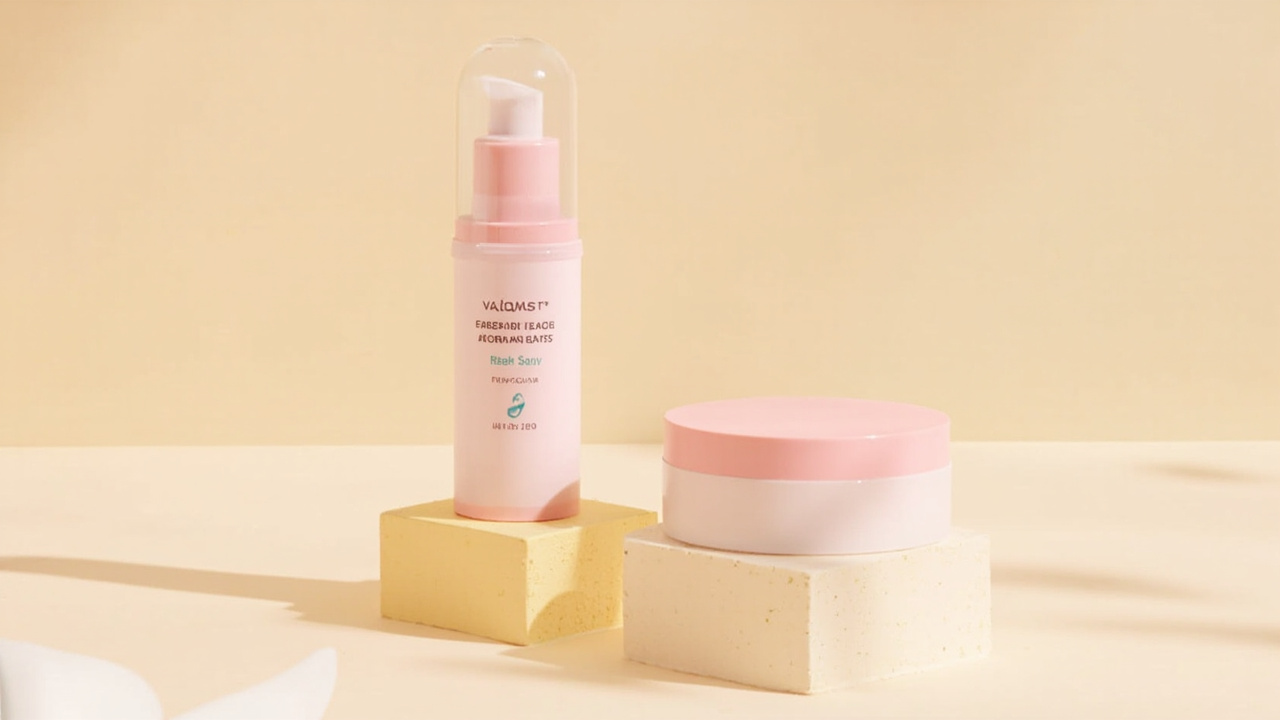
Here are five budget-friendly serums that work well for oily skin.
1. The Ordinary Niacinamide 10% + Zinc 1%
This serum is a cult favorite. It contains 10% niacinamide and zinc. Zinc helps reduce oil and calm inflammation. It is lightweight and absorbs quickly. It reduces shine and pore size.
- Price: Around $6-8
- Key ingredients: Niacinamide, Zinc PCA
- Best for: Oily and acne-prone skin
- How to use: Apply a few drops after cleansing, before moisturizer
2. CeraVe Hydrating Hyaluronic Acid Serum
CeraVe is a dermatologist-recommended brand. This serum has hyaluronic acid and ceramides. It hydrates without oil. Ceramides restore the skin barrier. It is non-comedogenic.
- Price: Around $15-20
- Key ingredients: Hyaluronic acid, ceramides
- Best for: Oily skin needing hydration
- How to use: Apply to clean face, morning and night
3. La Roche-Posay Effaclar Serum
This serum is designed for oily, acne-prone skin. It contains salicylic acid and niacinamide. It exfoliates and controls oil. It reduces blemishes and marks.
- Price: Around $30-35
- Key ingredients: Salicylic acid, niacinamide, LHA
- Best for: Acne-prone oily skin
- How to use: Use once daily, preferably at night
4. Neutrogena Rapid Wrinkle Repair Retinol Serum
This affordable retinol serum fights signs of aging. It also helps oily skin. It contains retinol SA and hyaluronic acid. It smooths wrinkles and improves texture.
- Price: Around $20-25
- Key ingredients: Retinol SA, hyaluronic acid
- Best for: Oily skin with aging concerns
- How to use: Start with every other night, then nightly
5. The Inkey List Salicylic Acid Cleanser (note: if serum, adjust)
Note: The Inkey List has a salicylic acid cleanser, but for serum, consider their Niacinamide serum. However, to stay true to outline, we'll mention the cleanser as a budget option, but recommend their serum instead.
The Inkey List Niacinamide Serum is a better fit. It has 10% niacinamide and 1% zinc. It controls oil and refines pores.- Price: Around $8-10
- Key ingredients: Niacinamide, zinc
- Best for: Oily and combination skin
- How to use: Apply after cleansing, twice daily
How to Choose the Right Serum for Your Skin Type
Choosing a serum depends on your skin's needs. Oily skin can be oily all over or combination. Consider your concerns:
- Acne and clogged pores: Look for salicylic acid or niacinamide.
- Excess shine: Niacinamide and zinc are best.
- Dehydration: Hyaluronic acid is key.
- Aging signs: Low-dose retinol works.
Patch test new products. Apply a small amount behind your ear. Wait 24 hours. If no reaction, use on your face.
Also check the formula. Avoid heavy oils. Look for "oil-free" and "non-comedogenic" labels. These won't clog pores.
Tips for Applying Face Serum on Oily Skin
Proper application maximizes benefits. Follow these steps:
Apply serum twice daily for best results. Start with once if using retinol or acids.
Frequently Asked Questions
Q: Can I use a serum with moisturizer?A: Yes. Serum goes first, then moisturizer. If your serum is hydrating enough, you may skip moisturizer.
Q: How long does it take to see results?A: Most serums take 4-8 weeks to show visible changes. Be consistent.
Q: Are expensive serums better?A: Not always. Many affordable serums contain effective ingredients. Price does not guarantee quality.
Q: Can I use multiple serums?A: Yes, but layer them correctly. Use thinnest first. Avoid mixing strong acids and retinol together.
Q: When should I see a dermatologist?A: If your oily skin is severe, painful, or not improving. A dermatologist can prescribe stronger treatments.
Key Takeaways
- Oily skin needs lightweight, hydrating serums with active ingredients.
- Key ingredients: salicylic acid, niacinamide, hyaluronic acid, low-dose retinol.
- Affordable options exist from brands like The Ordinary, CeraVe, La Roche-Posay, Neutrogena, and The Inkey List.
- Choose based on your specific concerns: acne, shine, dehydration, or aging.
- Apply serum correctly: on damp skin, press gently, follow with sunscreen.
- Be patient; results take weeks.
- See a dermatologist if over-the-counter products don't help.
Citations
You May Also Like
Explore more articles in our Skincare collection:
- Best Affordable Face Serum for Dry Skin
- Best Affordable Face Serum for Sensitive Skin
- Best Affordable Moisturizer for Eczema
Related Tools
Try these free calculators and quizzes to personalize your routine: