A Beginner

What is Rosacea?
Rosacea is a chronic skin condition. It causes redness and visible blood vessels on the face. It may also produce small, red, pus-filled bumps. These symptoms often come and go. Rosacea is not contagious. It affects millions worldwide. Most people develop it after age 30. Women get it more often than men. However, men often have more severe symptoms.
Common Triggers and Causes
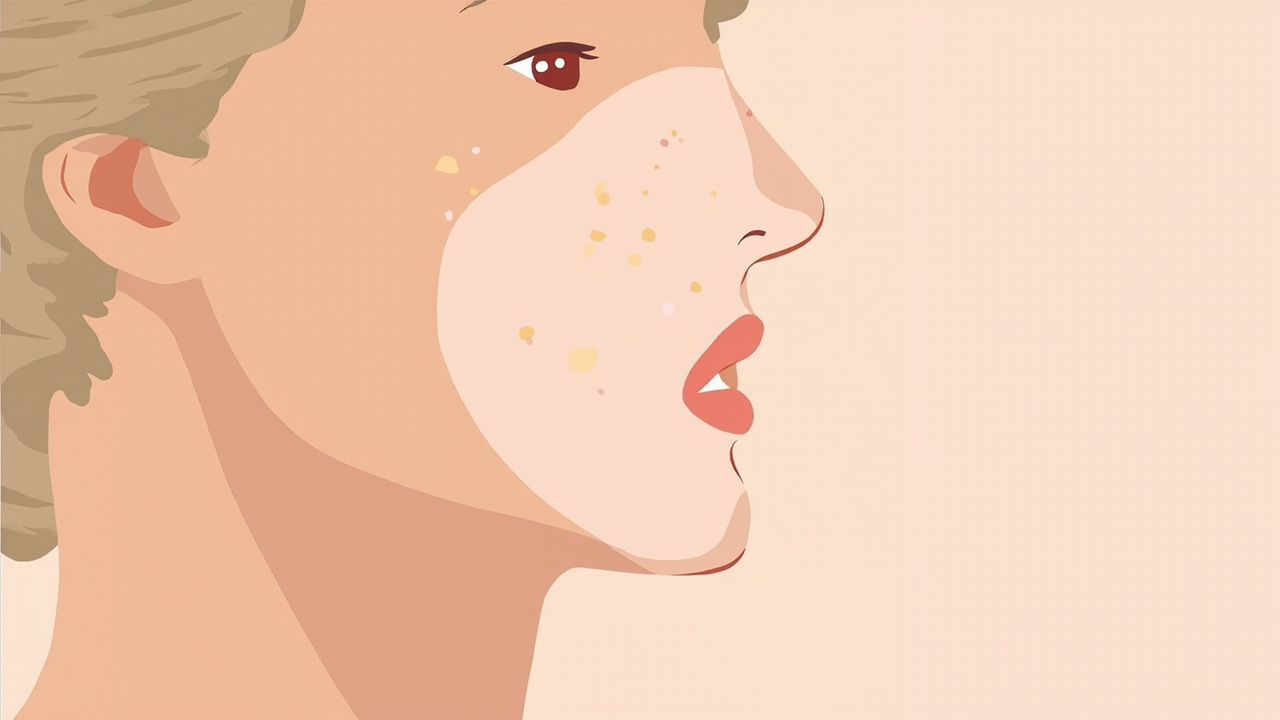
The exact cause of rosacea is unknown. It likely involves genetics and environmental factors. Certain triggers can worsen rosacea. Common triggers include:
- Sun exposure
- Stress
- Hot or cold weather
- Wind
- Spicy foods
- Alcohol
- Caffeine
- Hot drinks
- Exercise
- Certain skincare products
- Some medications
Keeping a trigger diary helps identify personal triggers. Avoiding these can reduce flare-ups.
Symptoms and Types of Rosacea
!Symptoms and Types of Rosacea
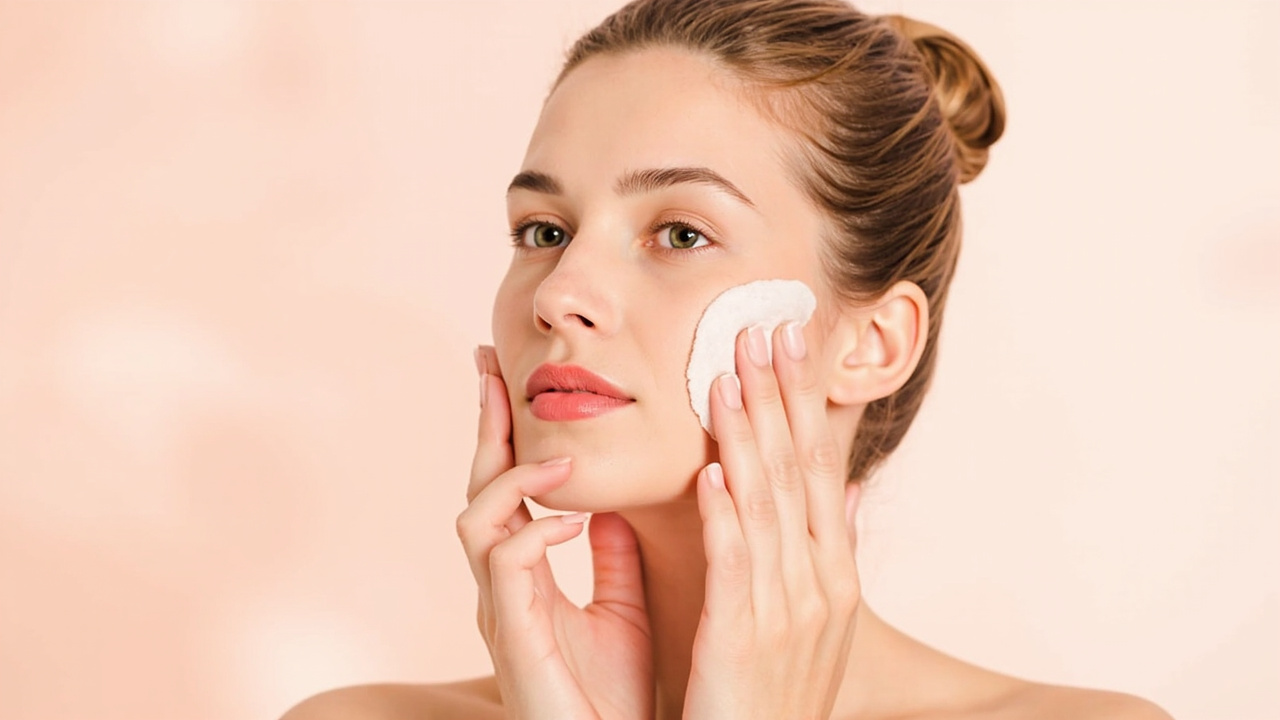
Rosacea has four main subtypes. Each has distinct symptoms.
Erythematotelangiectatic Rosacea (ETR)
- Facial redness
- Flushing
- Visible blood vessels
- Dry, scaly skin
Papulopustular Rosacea
- Red bumps and pus-filled pimples
- Often mistaken for acne
- Burning or stinging sensation
Phymatous Rosacea
- Thickened skin, especially on the nose
- Bumpy texture
- Enlarged pores
- More common in men
Ocular Rosacea
- Affects the eyes
- Red, watery, or dry eyes
- Burning sensation
- Sensitivity to light
- Blurred vision
Diagnosis: When to See a Dermatologist
See a dermatologist if you have persistent facial redness, bumps, or eye irritation. Early diagnosis helps manage symptoms. A dermatologist will examine your skin and ask about triggers. There is no specific test for rosacea. They may rule out other conditions like acne or lupus.
Medical Treatments: Topical and Oral Medications
Rosacea is not curable, but treatments can control it. A dermatologist may prescribe:
Topical Medications
- Brimonidine: Reduces redness by constricting blood vessels.
- Oxymetazoline: Similar to brimonidine.
- Azelaic acid: Reduces bumps and swelling.
- Ivermectin: Treats papulopustular rosacea.
- Metronidazole: Anti-inflammatory and antimicrobial.
- Doxycycline: Low-dose oral antibiotic for inflammation.
Oral Medications
- Oral antibiotics: Like doxycycline or minocycline.
- Isotretinoin: For severe cases not responding to other treatments.
Laser and Light Therapies
- Intense pulsed light (IPL): Reduces redness and visible blood vessels.
- Vascular laser: Targets broken capillaries.
Always follow your dermatologist's instructions. Do not self-medicate.
Lifestyle and Skincare Tips for Managing Rosacea
Gentle skincare is key. Follow these tips:
- Use a mild, non-foaming cleanser.
- Avoid scrubbing or exfoliating.
- Apply a broad-spectrum sunscreen (SPF 30+) daily.
- Choose mineral sunscreens with zinc oxide or titanium dioxide.
- Moisturize with fragrance-free products.
- Avoid alcohol-based toners or astringents.
- Test new products on a small area first.
- Keep your face cool. Use a fan or cool water.
- Manage stress with relaxation techniques.
- Avoid extreme temperatures.
Natural Remedies and Alternative Therapies
Some natural remedies may help, but evidence is limited. Always consult a doctor first.
- Green tea extract: May reduce redness when applied topically.
- Niacinamide: A form of vitamin B3 that calms skin.
- Chamomile: Anti-inflammatory properties.
- Aloe vera: Soothes irritation.
- Licorice extract: May reduce redness.
- Probiotics: Oral or topical probiotics may help some people.
Avoid unproven treatments like apple cider vinegar or essential oils. They can irritate skin.
Key Takeaways
- Rosacea is a chronic skin condition with no cure.
- Triggers vary by person. Identify and avoid yours.
- See a dermatologist for proper diagnosis and treatment.
- Medical treatments include topical and oral medications.
- Gentle skincare and sun protection are essential.
- Natural remedies may help but lack strong evidence.
- Eye symptoms require prompt medical attention.
FAQs About Rosacea Treatment
Can rosacea be cured?
No, but treatments can control symptoms and prevent worsening.
Is rosacea caused by poor hygiene?
No. Rosacea is not related to hygiene. It is a skin disorder.
Can makeup worsen rosacea?
Some makeup can irritate. Choose non-comedogenic, fragrance-free products.
Does diet affect rosacea?
Yes. Spicy foods, alcohol, and hot drinks are common triggers.
How long does treatment take to work?
It varies. Topical treatments may show results in 4-8 weeks. Oral medications work faster.
Frequently Asked Questions
Can rosacea be cured?
No, but treatments can control symptoms and prevent worsening.
Is rosacea caused by poor hygiene?
No. Rosacea is not related to hygiene. It is a skin disorder.
Can makeup worsen rosacea?
Some makeup can irritate. Choose non-comedogenic, fragrance-free products.
Does diet affect rosacea?
Yes. Spicy foods, alcohol, and hot drinks are common triggers.
How long does treatment take to work?
It varies. Topical treatments may show results in 4-8 weeks. Oral medications work faster.
You May Also Like
Explore more articles in our Health collection:
- How to Treat Blackheads at Home
- How to Treat Hives: Itchy, Raised Rash Relief and Prevention
- How to Treat Rosacea at Home
Related Tools
Try these free calculators and quizzes to personalize your routine: