A Simple Morning Routine for Mature Skin

Introduction: Why a Morning Routine Matters for Mature Skin
As skin matures, it undergoes natural changes. Collagen production slows down. Elastin fibers weaken. The skin becomes thinner and drier. This leads to fine lines, wrinkles, and loss of firmness. A consistent morning routine can help address these concerns.
A good morning routine protects your skin from environmental damage. It hydrates and plumps the skin. It also boosts circulation and radiance. The key is to use gentle, effective products. Over-exfoliating or using harsh ingredients can cause irritation. Remember, mature skin is more sensitive.
This article outlines a simple, science-backed morning routine. It focuses on cleansing, hydration, targeted treatments, and sun protection. Follow these steps for healthier, younger-looking skin.
Step 1: Gentle Cleansing
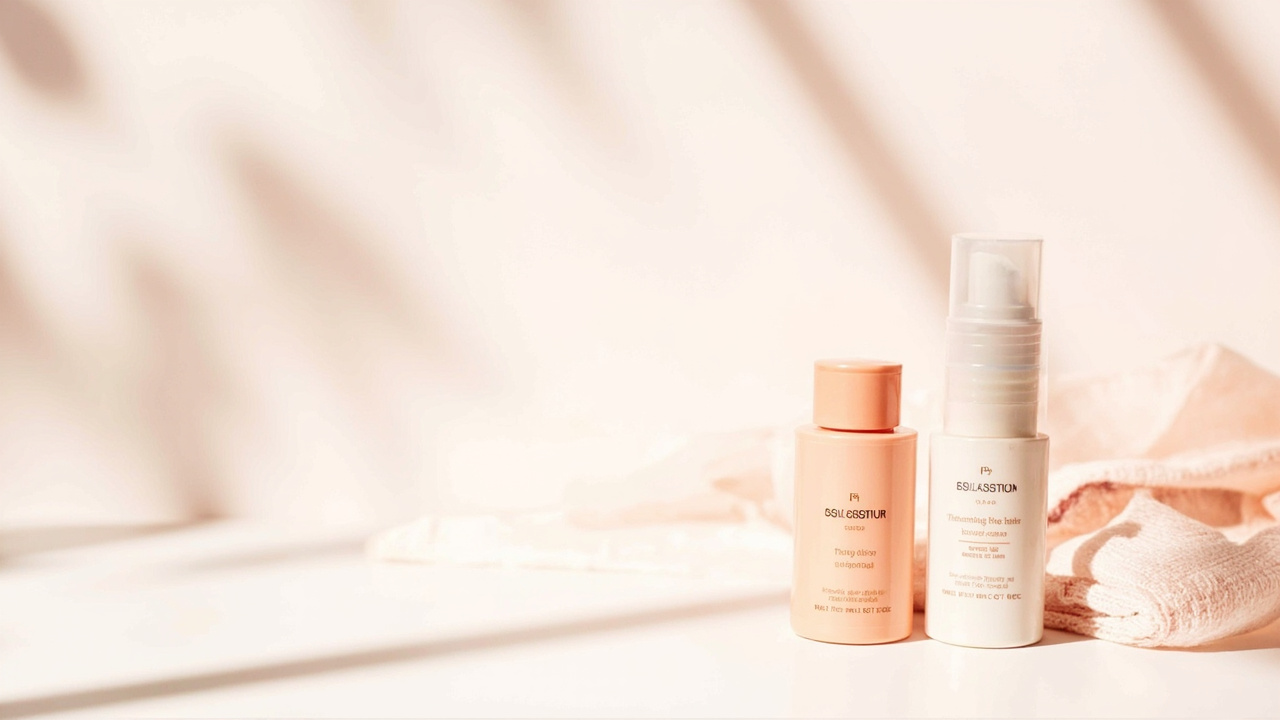
Cleansing removes impurities from overnight. Choose a gentle, non-stripping cleanser. Avoid sulfates and alcohol. These can dry out mature skin.
What to look for:- Creamy or lotion cleansers
- Hydrating ingredients like glycerin, ceramides, or hyaluronic acid
- pH-balanced formulas (around 5.5)
If you have very dry skin, consider a micellar water or cleansing milk. These are even gentler. Avoid hot water, as it strips natural oils.
Step 2: Hydrating Serum or Essence
!Step 2: Hydrating Serum or Essence
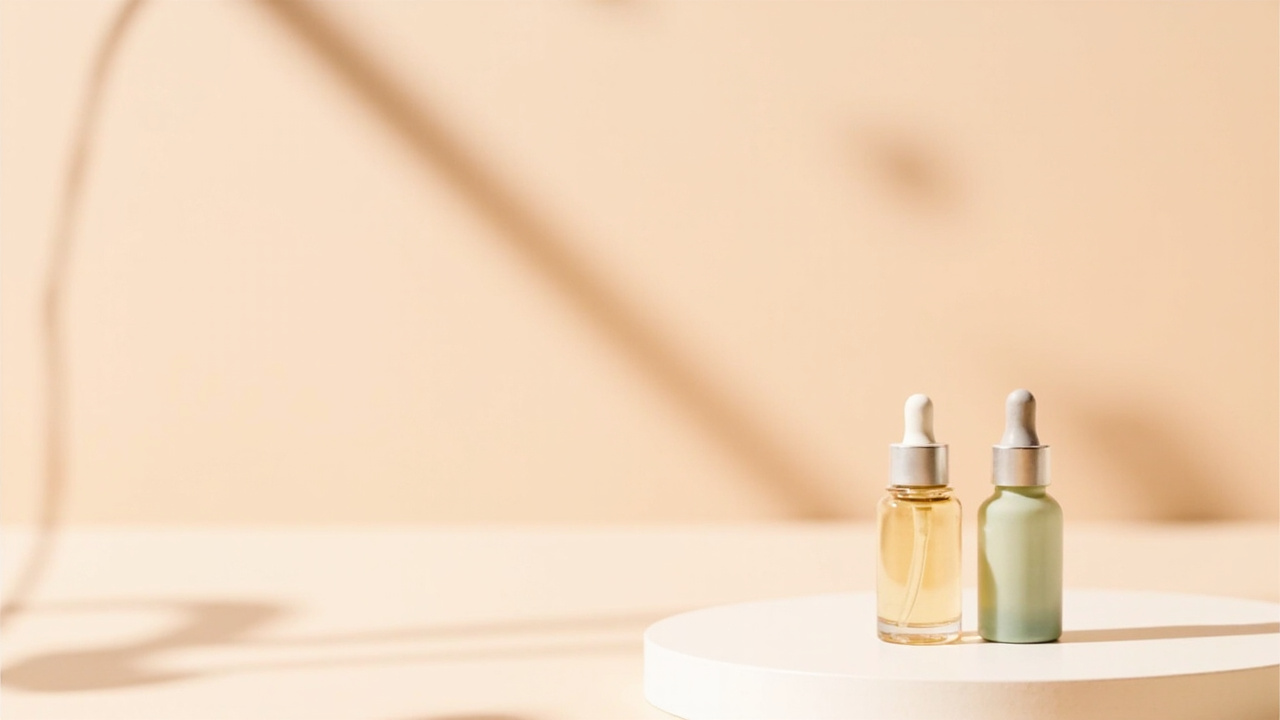
After cleansing, apply a hydrating serum or essence. This step delivers concentrated moisture. It preps the skin for subsequent products.
Key ingredients:- Hyaluronic acid: Holds up to 1000 times its weight in water.
- Glycerin: A humectant that attracts moisture.
- Niacinamide (vitamin B3): Improves barrier function and reduces redness.
- Ceramides: Help repair the skin barrier.
- Apply to slightly damp skin for better absorption.
- Use 2-3 drops for the entire face.
- Gently press into skin, do not rub.
Step 3: Targeted Eye Cream
The skin around the eyes is delicate. It is thinner and has fewer oil glands. It shows signs of aging first. An eye cream can address puffiness, dark circles, and crow's feet.
Key ingredients:- Caffeine: Reduces puffiness by constricting blood vessels.
- Peptides: Stimulate collagen production.
- Vitamin C: Brightens and protects against free radicals.
- Retinol (low concentration): Smooths fine lines. Use only if tolerated.
- Use your ring finger to avoid pressure.
- Dab a pea-sized amount under eyes and on brow bone.
- Pat gently from inner to outer corner.
- Do not pull or tug.
Step 4: Moisturizer with SPF
Sun protection is the most important anti-aging step. Ultraviolet (UV) rays cause collagen breakdown, sunspots, and wrinkles. Use a broad-spectrum sunscreen with SPF 30 or higher.
Why combine moisturizer and SPF?- Saves time in the morning.
- Ensures you apply enough sunscreen.
- Reduces product layers.
- Broad-spectrum protection (UVA and UVB).
- SPF 30 or higher.
- Non-comedogenic (won't clog pores).
- Contains antioxidants like vitamin E or green tea.
- Use about a nickel-sized amount for face and neck.
- Apply 15 minutes before sun exposure.
- Reapply every 2 hours if outdoors.
Optional Boosters: Vitamin C, Peptides, or Retinol Alternatives
For extra benefits, consider adding a booster. These can target specific concerns like pigmentation or loss of firmness.
Vitamin C Serum
- A powerful antioxidant.
- Protects against environmental damage.
- Brightens skin and reduces dark spots.
- Apply after cleansing, before hydrating serum.
Peptides
- Signal skin to produce more collagen.
- Improve firmness and elasticity.
- Can be used morning and night.
Retinol Alternatives
- Retinol is a vitamin A derivative that speeds cell turnover.
- It can cause irritation in mature skin.
- Alternatives: Bakuchiol (plant-based), granactive retinoid.
- Start slowly: use 2-3 times per week.
Sample Morning Routine for Mature Skin
Here is a simple, step-by-step routine:
- Total time: 5-10 minutes.
- Consistency: Daily.
- If you have oily skin, use a gel-based moisturizer.
- If you have very dry skin, add a facial oil after moisturizer.
- If you use retinol at night, skip it in the morning.
Key Takeaways
- A simple morning routine for mature skin includes gentle cleansing, hydration, eye care, and sun protection.
- Use products with hyaluronic acid, niacinamide, ceramides, and antioxidants.
- Sunscreen with SPF 30+ is non-negotiable.
- Introduce new products slowly and patch test.
- See a dermatologist if you have persistent concerns like severe dryness, redness, or unusual spots.
FAQ
Q: Can I skip cleansing in the morning if I washed my face at night?A: It's best to cleanse. Sweat, oil, and product residue build up overnight. A gentle rinse with water may be enough for very dry skin, but a cleanser ensures a clean base.
Q: Is a separate eye cream necessary?A: While not mandatory, eye creams are formulated for the delicate eye area. They often contain targeted ingredients. A regular moisturizer can be used if it is gentle enough.
Q: What SPF is best for mature skin?A: SPF 30 or higher, broad-spectrum. Mineral sunscreens (zinc oxide, titanium dioxide) are less irritating. Chemical sunscreens are also effective.
Q: Can I use retinol in the morning?A: Retinol increases sun sensitivity. It is best used at night. In the morning, use antioxidants like vitamin C.
Q: How long until I see results?A: Hydration improvements can be seen in days. Anti-aging benefits like reduced wrinkles take 8-12 weeks of consistent use.
Conclusion
You May Also Like
Explore more articles in our Skincare collection:
- Best LED Mask for Eczema: A Complete Guide to Red Light Therapy for Skin Relief
- Best Luxury Face Serum for Combination Skin
- Best Luxury Face Serum for Hyperpigmentation: Consistency is Key
A simple morning routine can make a significant difference for mature skin. Stick to the basics: cleanse, hydrate, protect. Add boosters as needed. Be patient – real results take time. If you have specific skin concerns, consult a dermatologist. They can recommend treatments like prescription retinoids or in-office procedures.
Remember, healthy skin is a reflection of overall health. Eat a balanced diet, stay hydrated, and get enough sleep. Your morning routine is just one part of a holistic approach to aging gracefully.
Related Tools
Try these free calculators and quizzes to personalize your routine: