How Stress Affects Your Skin

The Science Behind Stress and Skin
Stress triggers a chain reaction in your body. It starts in the brain and ends on your skin. This connection is called the brain-skin axis. Understanding it helps you manage stress-related skin issues.
How Cortisol Impacts Your Skin
Cortisol is the primary stress hormone. When you are stressed, your adrenal glands release more cortisol. High cortisol levels can:
- Increase oil production in sebaceous glands
- Thin the skin by breaking down collagen
- Impair wound healing
- Disrupt the skin barrier
Oilier skin leads to clogged pores. Thinner skin is more prone to wrinkles and damage. Slower healing means blemishes last longer.
The Role of Inflammation
Stress also promotes inflammation. It activates immune cells called mast cells. These cells release histamine and other chemicals. This causes redness, swelling, and itching.
Chronic inflammation contributes to many skin conditions. It can worsen acne, eczema, and psoriasis. It also accelerates aging.
Common Stress-Related Skin Conditions
!Common Stress-Related Skin Conditions
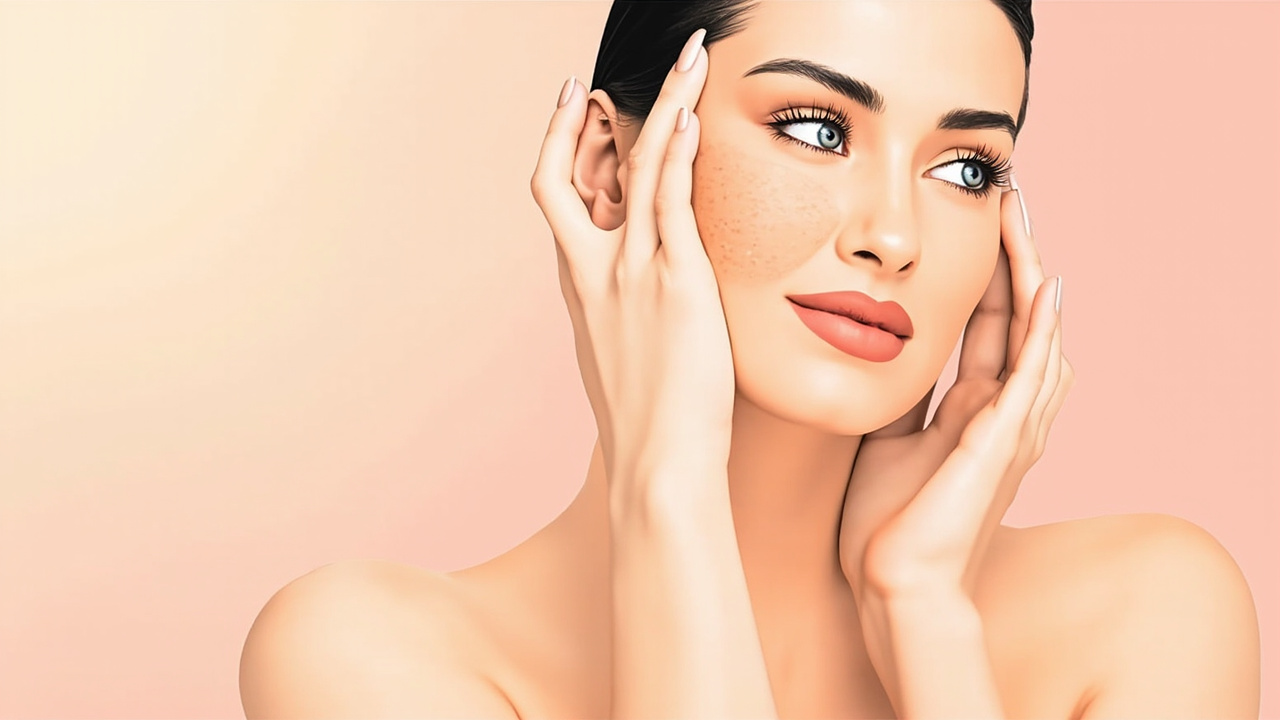
Acne and Breakouts
Stress does not directly cause acne. But it can make existing acne worse. Cortisol increases sebum production. More oil means more clogged pores.
Stress also triggers inflammation. This makes pimples redder and more painful. It can also delay healing.
- Tip: Use non-comedogenic products. Avoid picking at pimples.
- See a dermatologist if breakouts persist.
Eczema and Psoriasis Flare-Ups
Eczema and psoriasis are inflammatory conditions. Stress is a known trigger for flare-ups. Cortisol and inflammation disrupt the skin barrier. This makes skin more reactive.
Symptoms include:
- Red, itchy patches
- Dry, scaly skin
- Burning or stinging sensations
Management:
- Moisturize regularly
- Use gentle, fragrance-free products
- Practice stress reduction
Premature Aging and Wrinkles
Chronic stress accelerates aging. Cortisol breaks down collagen and elastin. These proteins keep skin firm and elastic. Loss leads to sagging and wrinkles.
Stress also promotes oxidative stress. This damages cells and speeds up aging. Signs include:
- Fine lines and wrinkles
- Dull complexion
- Uneven skin tone
Prevention:
- Use sunscreen daily
- Eat antioxidant-rich foods
- Manage stress levels
How Stress Affects Your Skin Barrier
!How Stress Affects Your Skin Barrier

The skin barrier is the outermost layer. It protects against irritants and moisture loss. Stress weakens this barrier.
Cortisol reduces production of ceramides and lipids. These are essential for barrier function. A weakened barrier leads to:
- Dryness
- Sensitivity
- Increased risk of infection
Repairing the barrier:
- Use gentle cleansers
- Apply moisturizers with ceramides
- Avoid harsh exfoliants
Tips to Manage Stress for Healthier Skin
Mindfulness and Relaxation Techniques
Reducing stress improves skin health. Mindfulness practices lower cortisol levels. Effective techniques include:
- Deep breathing exercises
- Meditation (10 minutes daily)
- Yoga or tai chi
- Progressive muscle relaxation
Skincare Routine Adjustments
During stressful times, simplify your routine. Focus on gentle, hydrating products.
- Cleanse: Use a mild, non-stripping cleanser
- Moisturize: Apply a rich moisturizer with ceramides
- Protect: Use broad-spectrum SPF 30+ daily
- Avoid: Harsh scrubs, alcohol-based toners, and multiple active ingredients
When to See a Dermatologist
Consult a board-certified dermatologist if:
- Skin issues persist despite lifestyle changes
- You have severe acne, eczema, or psoriasis
- You notice sudden changes in your skin
- Over-the-counter products are ineffective
A dermatologist can provide prescription treatments and tailored advice.
Key Takeaways
- Stress increases cortisol and inflammation, harming skin.
- Common stress-related conditions: acne, eczema, psoriasis, premature aging.
- Stress weakens the skin barrier, leading to dryness and sensitivity.
- Manage stress with mindfulness, exercise, and a simple skincare routine.
- See a dermatologist for persistent or severe skin issues.
Frequently Asked Questions
Q: Can stress cause acne?A: Stress does not directly cause acne but can worsen it by increasing oil production and inflammation.
Q: How does stress affect eczema?A: Stress triggers flare-ups by raising cortisol and inflammation, which disrupt the skin barrier and cause itching.
Q: Can stress make you look older?A: Yes, chronic stress breaks down collagen and elastin, leading to wrinkles and sagging skin.
Q: What skincare ingredients help stressed skin?A: Look for ceramides, niacinamide, hyaluronic acid, and antioxidants like vitamin C.
Q: How quickly does stress affect skin?A: Effects can appear within days to weeks, depending on stress levels and individual sensitivity.
Citations
- American Academy of Dermatology. "Stress and skin." AAD.org
- Chen, Y., & Lyga, J. (2014). Brain-skin connection: stress, inflammation and skin aging. Inflammation & Allergy Drug Targets, 13(3), 177-190.
- Mayo Clinic. "Stress management." MayoClinic.org
- National Eczema Association. "Eczema and stress." NationalEczema.org
You May Also Like
Explore more articles in our Wellness collection:
- How Sleep Affects Your Skin
- The Link Between Sleep and Blackheads
- The Link Between Sleep and Fine Lines
Related Tools
Try these free calculators and quizzes to personalize your routine: