
Dark circles under the eyes are a common concern. Many factors cause them. Stress is a major one. This article explains the connection. It also offers practical solutions.
Understanding Dark Circles and Their Causes
What Are Dark Circles?
Dark circles are dark patches under the eyes. They can be blue, purple, or brown. They are often accompanied by puffiness. They affect people of all ages. Dark circles are not dangerous. But they can make you look tired or older.
Common Causes Beyond Stress
- Genetics: Family history plays a role.
- Age: Skin thins and loses collagen.
- Allergies: Cause rubbing and inflammation.
- Sun exposure: Increases melanin production.
- Lifestyle: Lack of sleep, poor diet, smoking.
The Science Behind Stress and Dark Circles
How Stress Affects Sleep and Blood Flow
Stress triggers the body’s “fight or flight” response. This releases hormones like adrenaline. It keeps you alert. This disrupts sleep. Poor sleep dilates blood vessels. The thin skin under eyes shows this as dark circles.
Stress also reduces blood flow to the skin. This makes the area look dull. Oxygen levels drop. The skin appears darker.
The Role of Cortisol in Skin Health
Cortisol is the primary stress hormone. High cortisol levels break down collagen. Collagen keeps skin firm. When collagen breaks down, skin thins. Blood vessels become more visible. This worsens dark circles.
Cortisol also increases inflammation. Inflammation can cause pigmentation changes. This leads to darker under-eye skin.
Other Stress-Related Factors That Worsen Dark Circles
Dehydration and Nutritional Deficiencies
Stress can lead to poor eating habits. People may skip meals or eat junk food. This causes deficiencies in vitamins like B12, C, and iron. These are essential for skin health. Dehydration also occurs. It makes skin look hollow and dark.
Eye Rubbing and Inflammation
Stress often leads to eye rubbing. Rubbing breaks tiny blood vessels. Leaked blood pools under the skin. This creates dark shadows. Rubbing also triggers inflammation. Inflammation increases pigmentation.
How to Break the Cycle: Tips for Reducing Stress and Dark Circles
Stress Management Techniques
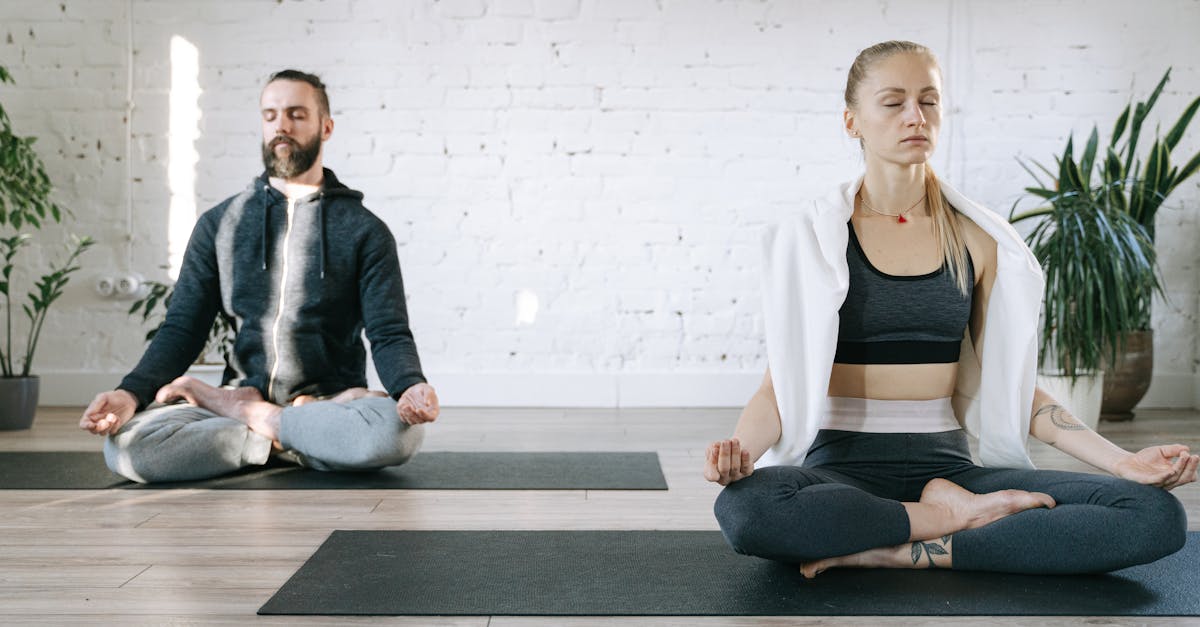
- Meditation: 10 minutes daily reduces cortisol.
- Exercise: Releases endorphins, improves sleep.
- Deep breathing: Lowers heart rate and stress.
- Time management: Prioritize tasks to avoid overwhelm.
Skincare and Lifestyle Changes
- Sleep: Aim for 7-9 hours per night.
- Hydration: Drink 8 glasses of water daily.
- Diet: Eat foods rich in vitamin C, iron, and antioxidants.
- Skincare: Use a gentle eye cream with vitamin K or retinol.
- Cold compresses: Reduce swelling and constrict vessels.
- Sun protection: Wear sunscreen around eyes.
When to See a Doctor
If dark circles persist despite lifestyle changes, see a dermatologist. They can rule out underlying conditions like allergies or thyroid issues. Treatments like topical creams, chemical peels, or laser therapy may help. A healthcare provider can also address sleep disorders or chronic stress.
Key Takeaways
- Stress causes dark circles through sleep disruption, cortisol, and inflammation.
- Lifestyle factors like dehydration and eye rubbing worsen them.
- Manage stress with meditation, exercise, and good sleep.
- Improve diet, hydrate, and use proper skincare.
- Consult a doctor if dark circles persist or are severe.
FAQ
Q: Can stress alone cause dark circles?
A: Stress is a major contributor, but genetics, age, and lifestyle also play roles.
Q: How long does it take for dark circles to improve with stress reduction?
A: Improvement may be seen in 2-4 weeks with consistent stress management and skincare.
Q: Are there any specific vitamins that help reduce dark circles?
A: Vitamin C, vitamin K, and iron help strengthen skin and reduce pigmentation.
Q: Can lack of sleep from stress cause permanent dark circles?
A: Usually not permanent, but chronic sleep deprivation can lead to lasting changes in skin.
Q: Does rubbing eyes from stress make dark circles worse?
A: Yes, it can break blood vessels and increase inflammation, worsening appearance.
Citations
- American Academy of Dermatology. “Dark circles under eyes: Causes.” Accessed 2023. https://www.aad.org/public/everyday-care/skin-care-basics/dark-circles-under-eyes
- Mayo Clinic. “Stress management.” Accessed 2023. https://www.mayoclinic.org/healthy-lifestyle/stress-management
- PubMed. “Cortisol and skin: Effects on collagen and aging.” J Invest Dermatol. 2020. https://pubmed.ncbi.nlm.nih.gov/
- National Sleep Foundation. “Stress and sleep.” Accessed 2023. https://www.sleepfoundation.org/stress-and-sleep
You May Also Like
Explore more articles in our Wellness collection:
- Best Stress Techniques for Inflammation
- Best Stress Techniques for Thinning Hair
- How to Improve Stress for Healthier Skin
Related Tools
Try these free calculators and quizzes to personalize your routine:
References
- Dark circles under eyes: Causes — American Academy of Dermatology (accessed 2026-06-11)
- Stress management — Mayo Clinic (accessed 2026-06-11)
- Cortisol and skin: Effects on collagen and aging — PubMed (accessed 2026-06-11)
- Stress and sleep — National Sleep Foundation (accessed 2026-06-11)