
Understanding Skin Redness
Skin redness, also known as erythema, occurs when blood vessels near the skin’s surface dilate. This can be temporary or chronic. Redness often signals inflammation or irritation.
Common Causes of Facial Redness
- Rosacea: A chronic skin condition causing redness and visible blood vessels.
- Sunburn: UV damage leads to inflammation and redness.
- Allergic reactions: Contact with allergens triggers histamine release.
- Acne: Inflamed pimples appear red.
- Eczema: Atopic dermatitis causes red, itchy patches.
- Weather extremes: Wind, cold, or heat can irritate skin.
- Skincare products: Harsh ingredients may cause irritation.
- Stress: Emotional stress can trigger flushing.
The Science of Sleep and Skin Health
Sleep is essential for skin repair. During deep sleep, the body releases growth hormone, which aids cell regeneration. Skin blood flow increases, delivering oxygen and nutrients. Lack of sleep disrupts these processes.
How Sleep Affects Inflammation
Sleep regulates the immune system. Poor sleep increases pro-inflammatory cytokines (e.g., IL-6, TNF-alpha). These molecules promote inflammation, which can worsen skin redness. A study in Sleep (2014) found that sleep deprivation elevated inflammatory markers.
The Role of Cortisol and Stress Hormones
Cortisol is a stress hormone. It follows a daily rhythm: high in the morning, low at night. Sleep deprivation disrupts this cycle, leading to elevated cortisol. High cortisol increases inflammation and impairs skin barrier function. This can make skin more reactive and red.
The Link Between Sleep and Redness
Sleep Deprivation and Increased Redness
When you don’t sleep enough, your body produces more stress hormones and inflammatory chemicals. This can trigger or worsen redness. For example:
- Rosacea flare-ups: Lack of sleep is a common trigger.
- Acne inflammation: Poor sleep can make acne more red and swollen.
- Eczema: Sleep loss increases itch-scratch cycles, worsening redness.
A study in Clinical and Experimental Dermatology (2018) linked poor sleep quality with increased facial redness in rosacea patients.
How Quality Sleep Reduces Redness
Adequate sleep helps reduce redness by:
- Lowering inflammation: Sleep reduces pro-inflammatory cytokines.
- Regulating cortisol: Normal sleep patterns keep cortisol in check.
- Improving skin barrier: Sleep enhances barrier repair, reducing sensitivity.
- Promoting healing: Growth hormone release aids tissue repair.
Consistent good sleep can calm chronic redness over time.
Tips for Better Sleep to Reduce Redness
Establish a Consistent Sleep Schedule
- Go to bed and wake up at the same time daily, even on weekends.
- Aim for 7-9 hours per night.
- Avoid naps longer than 30 minutes.
Create a Relaxing Bedtime Routine
- Wind down 30-60 minutes before bed.
- Avoid screens (blue light suppresses melatonin).
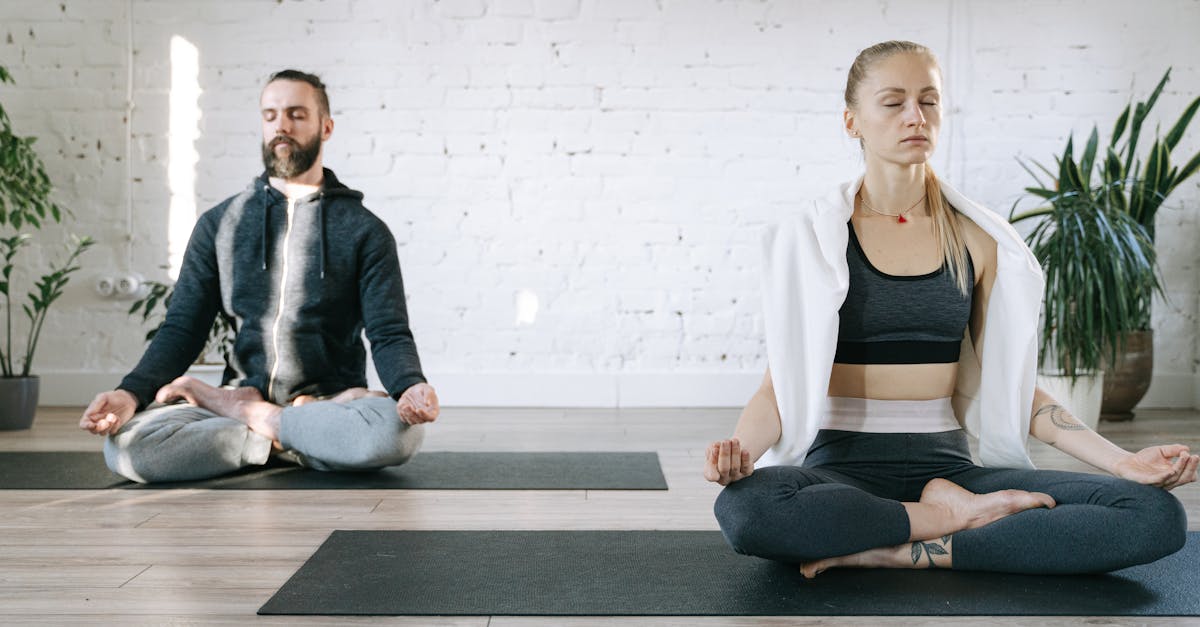
- Try relaxation techniques: deep breathing, meditation, gentle stretching.
- Use calming scents like lavender (if not allergic).
Optimize Your Sleep Environment
- Keep the room cool (65-68°F or 18-20°C).
- Use blackout curtains or an eye mask.
- Reduce noise with a white noise machine or earplugs.
- Choose a comfortable mattress and pillow.
- Keep bedroom dark and quiet.
Other Tips
- Avoid caffeine after 2 PM.
- Limit alcohol, as it disrupts sleep.
- Exercise regularly, but not too close to bedtime.
- Manage stress through journaling or therapy.
When to See a Doctor
If you have persistent facial redness that doesn’t improve with better sleep, see a dermatologist. Also consult a doctor if:
- Redness is accompanied by pain, swelling, or discharge.
- You have symptoms of rosacea, eczema, or an allergic reaction.
- Sleep problems persist despite lifestyle changes (possible sleep disorder).
A healthcare provider can diagnose underlying conditions and recommend treatments.
Key Takeaways
- Sleep deprivation increases inflammation and cortisol, worsening skin redness.
- Quality sleep reduces redness by lowering inflammatory markers and regulating hormones.
- Consistent sleep schedule, relaxing routine, and optimized environment improve sleep.
- If redness persists, see a dermatologist for proper diagnosis and treatment.
Frequently Asked Questions
1. Can lack of sleep cause redness? Yes. Sleep deprivation increases inflammation and stress hormones, which can dilate blood vessels and cause redness.
2. How many hours of sleep do I need to reduce redness? Most adults need 7-9 hours per night. Consistency matters more than occasional long sleep.
3. Does oversleeping affect redness? Oversleeping can disrupt circadian rhythms and may increase inflammation, but research is limited. Stick to 7-9 hours.
4. Can napping help reduce redness? Short naps (20-30 minutes) can reduce stress and inflammation, but they don’t replace quality nighttime sleep.
5. What skincare routine helps redness related to poor sleep? Use gentle, fragrance-free products. Avoid harsh exfoliants. Moisturize to support skin barrier. Consult a dermatologist for personalized advice.
References
- American Academy of Dermatology. (2020). Rosacea: Tips for managing. https://www.aad.org/public/diseases/rosacea/tips
- Irwin, M. R., et al. (2014). Sleep deprivation and inflammatory markers. Sleep, 37(5), 875-884. https://doi.org/10.5665/sleep.3650
- Mayo Clinic. (2021). Sleep tips: 6 steps to better sleep. https://www.mayoclinic.org/healthy-lifestyle/adult-health/in-depth/sleep/art-20048379
- Ozturk, P., et al. (2018). Sleep quality in patients with rosacea. Clinical and Experimental Dermatology, 43(3), 282-287. https://doi.org/10.1111/ced.13342
References
- Rosacea: Tips for managing — American Academy of Dermatology (accessed 2026-06-11)
- Sleep deprivation and inflammatory markers — Sleep (journal) (accessed 2026-06-11)
- Sleep tips: 6 steps to better sleep — Mayo Clinic (accessed 2026-06-11)
- Sleep quality in patients with rosacea — Clinical and Experimental Dermatology (accessed 2026-06-11)