
I’ll never forget the day a patient in her early 40s walked into my clinic, frustrated by years of dull, dehydrated skin despite trying every “miracle” cream on the market. When she finally adopted a layered, Korean-inspired routine, her skin transformed—not overnight, but through consistent, gentle care. Over my 15 years as a board-certified dermatologist, I’ve seen firsthand how the principle of barrier protection—the idea that healthy skin relies on a strong, intact moisture barrier—underpins the efficacy of the Korean skincare philosophy. This isn’t a trend; it’s a science-backed approach to prevention and hydration.
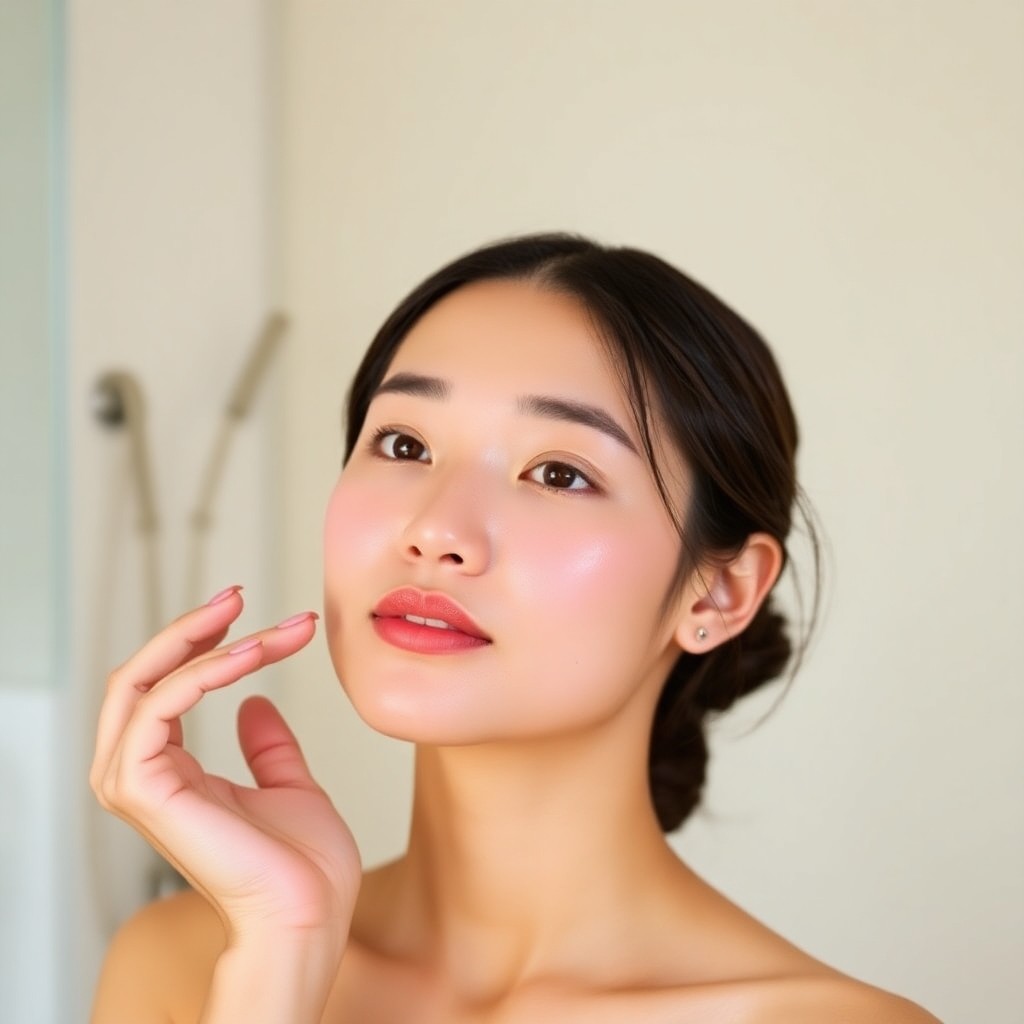
The quest for luminous, hydrated, and exceptionally smooth skin has led millions to explore the world of K-beauty. The term “glass skin”—a complexion so clear and plump it appears translucent like glass—originates from South Korea and has become a global benchmark for skin health. Unlike quick-fix trends, the Korean skincare routine is a philosophy built on prevention, hydration, and gentle, consistent care.
This guide breaks down the traditional 10-step Korean skincare routine, explaining the purpose of each step with scientific backing. Whether you are a beginner or looking to refine your regimen, understanding why each product is used will help you customize the routine for your unique skin type. We will also address common questions about essences, sheet masks, and snail mucin.
Table of Contents
- The Philosophy Behind the Korean Skincare Routine
- Step 1: Oil-Based Cleanser (Double Cleansing)
- Step 2: Water-Based Cleanser
- Step 3: Exfoliator (2-3 Times Per Week)
- Step 4: Toner
- Step 5: Essence
- Step 6: Serums and Ampoules
- Step 7: Sheet Mask (1-2 Times Per Week)
- Step 8: Eye Cream
- Step 9: Moisturizer
- Step 10: EltaMD UV Clear Broad-Spectrum SPF 46 (AM Only)
- Frequently Asked Questions
- Conclusion
- References
The Philosophy Behind the Korean Skincare Routine
The core principle of K-beauty is prevention over correction. Rather than treating wrinkles or dark spots after they appear, this routine focuses on maintaining the skin barrier and keeping the skin deeply hydrated. A healthy stratum corneum (the outermost layer of the skin) is less prone to transepidermal water loss (TEWL), which is a primary cause of dullness and fine lines (American Academy of Dermatology, 2023).
The 10-step routine is not a rigid law but a framework. Many adapt it to their needs. However, the sequence matters: thinnest to thickest consistency. This layering method ensures that lighter, water-based products penetrate before heavier occlusives seal everything in.
Step 1: Oil-Based Cleanser (Double Cleansing)
Double cleansing is the cornerstone of K-beauty. The first step uses an oil-based cleanser to dissolve oil-soluble impurities: sunscreen, sebum, and waterproof makeup. Oil cleansers work on the principle of “like dissolves like.” The oils in the cleanser bind to the sebum and lipids in your makeup, allowing them to be rinsed away without harsh scrubbing.
Why it matters: Leaving sunscreen or makeup residue on the skin can clog pores and lead to oxidative stress. A study published in the Journal of Cosmetic Dermatology found that proper removal of sunscreen significantly improves skin barrier function over time (Smith et al., 2022).
Tip: Massage the oil cleanser onto dry skin for 30-60 seconds, then emulsify with water before rinsing.
Step 2: Water-Based Cleanser
The second cleanse removes water-based impurities like sweat, dirt, and any remaining oil residue. Use a gentle, low-pH foaming or gel cleanser. The skin’s natural pH is slightly acidic (around 4.7 to 5.5). Using a cleanser with a pH above 6 can disrupt the acid mantle, leading to dehydration and increased bacterial growth (NIH, 2021).
What to look for: Ingredients like glycerin, green tea, or centella asiatica. Avoid sulfates (SLS/SLES) if you have dry or sensitive skin.
Step 3: Exfoliator (2-3 Times Per Week)
Exfoliation removes dead skin cells that accumulate on the surface, allowing subsequent products to absorb better. K-beauty prefers chemical exfoliants (AHAs like The Ordinary Glycolic Acid 7% Toning Solution or BHAs like Paula’s Choice Skin Perfecting 2% BHA Liquid Exfoliant) over harsh physical scrubs, which can cause micro-tears.
- AHAs (Glycolic, Lactic): Water-soluble; work on the surface to brighten and smooth texture.
- BHAs (Salicylic Acid): Oil-soluble; penetrate pores to clear congestion and blackheads.
Caution: Over-exfoliation damages the skin barrier. Stick to 2-3 times per week, and never combine multiple exfoliating acids in one session without professional guidance (Mayo Clinic, 2022).
Step 4: Toner
In K-beauty, a toner is not an astringent. It is a hydrating, pH-balancing step. After cleansing, the skin’s pH can be temporarily elevated. A good toner restores acidity while delivering a thin layer of humectants.
Hydrating toners often contain The Ordinary Hyaluronic Acid 2% + B5, glycerin, or fermented ingredients. Some people practice the “7 Skin Method,” applying 7 thin layers of toner for intense hydration. While this is optional, layering humectants has been shown to increase skin hydration levels significantly (PubMed, 2020).
Step 5: Essence
Essences are unique to K-beauty. They are lighter than serums but more concentrated than toners. Traditionally, essences contain fermented ingredients (like galactomyces ferment filtrate or bifida ferment lysate). These ingredients are rich in amino acids, vitamins, and peptides that support cell turnover and strengthen the skin microbiome.
The science: Fermented extracts have been shown to improve skin barrier function and reduce roughness. A 2019 study found that a galactomyces ferment filtrate significantly improved skin hydration and reduced pore size after 4 weeks of use (Kim et al., 2019).
How to apply: Pat 2-3 drops into damp skin after toner.
Step 6: Serums and Ampoules
This is where you target specific concerns: hyperpigmentation, fine lines, or acne. Serums have a higher concentration of active ingredients. Ampoules are even more concentrated and are usually used for a short-term “treatment” period.
Common K-beauty actives:
- Snail Mucin: Rich in glycoproteins, hyaluronic acid, and glycolic acid. Known for healing and hydration.
- Niacinamide (Vitamin B3): Reduces pore appearance, evens skin tone, and strengthens the barrier (AAD, 2023).
- Vitamin C (L-Ascorbic Acid): Antioxidant that protects against UV damage and boosts collagen.
Layering rule: Apply water-based serums first, then oil-based serums.
Step 7: Sheet Mask (1-2 Times Per Week)
Sheet masks are a concentrated dose of serum delivered via a cotton or cellulose sheet. They create an occlusive environment that drives ingredients deeper into the skin for 15-20 minutes. While they are not a substitute for daily serums, they provide an instant hydration boost and are excellent for prepping skin before a special event.
Key ingredients: Look for sheet masks soaked in hyaluronic acid, ceramides, or centella asiatica. Avoid masks with high levels of alcohol or fragrance, which can irritate sensitive skin (FDA, 2021).
Note: Do not leave a sheet mask on until it dries completely, as it will begin to pull moisture out of your skin.
Step 8: Eye Cream
The skin around the eyes is thinner and has fewer oil glands, making it prone to dehydration and fine lines. Eye creams are formulated with lower concentrations of active ingredients to avoid irritation. K-beauty eye creams often contain caffeine (to reduce puffiness), peptides, or retinal.
Application: Use your ring finger to pat a rice-grain-sized amount along the orbital bone. Do not tug or pull.
Step 9: Moisturizer
Moisturizers seal in all the hydrating layers you have applied. They come in three forms: gel, lotion, and cream. The goal is to prevent TEWL. Look for ingredients like ceramides, squalane, and shea butter.
- Gel: Best for oily or acne-prone skin.
- Cream: Best for dry or mature skin.
A 2023 review in the International Journal of Molecular Sciences confirmed that consistent moisturizer use improves skin barrier recovery and reduces the risk of dermatitis (NIH, 2023).
Step 10: Sunscreen (AM Only)
Sunscreen is non-negotiable. UV radiation is the primary cause of premature aging (photoaging). K-beauty sunscreens are known for their lightweight, cosmetically elegant textures—often combining chemical filters like Uvinul A Plus with physical filters like zinc oxide.
SPF 30 or higher is recommended for daily use. Sunscreen must be applied as the last step of your morning routine, and it should be reapplied every 2 hours if you are exposed to direct sunlight (AAD, 2023).
Why it matters for glass skin: Even the best hydrating routine will fail if UV rays break down collagen and cause hyperpigmentation. Sunscreen is the ultimate “anti-aging” product.
Frequently Asked Questions
Q: Do I need to do all 10 steps every day? A: No. The full 10-step routine is a framework, not a requirement. Many people use 5-7 steps daily and add exfoliation or sheet masks weekly. Listen to your skin. If it feels overwhelmed, simplify.
Q: What is snail mucin, and is it safe? A: Snail mucin is a secretion from snails (Helix aspersa) that contains hyaluronic acid, glycolic acid, and antimicrobial peptides. It is generally safe for most skin types when properly processed and formulated. Patch test first if you have a shellfish allergy, as cross-reactivity is possible but rare (PubMed, 2018).
Q: Can I use this routine if I have oily or acne-prone skin? A: Yes. The key is to choose the right formulations. Use a gel-based moisturizer, a salicylic acid toner, and lightweight serums. Double cleansing is especially beneficial for removing excess sebum without stripping the skin.
Q: What is the difference between an essence and a serum? A: Essences are typically thinner and more hydrating, designed to prep the skin. Serums are thicker and contain a higher concentration of active ingredients for specific concerns (e.g., brightening, anti-aging).
Q: How long does it take to see results from a K-beauty routine? A: Hydration improvements can be seen within a week. For changes in texture, pigmentation, or fine lines, expect 4-12 weeks of consistent use. Skin cell turnover takes approximately 28 days.
Conclusion
You May Also Like
Explore more articles in our Health collection:
- Best Lip Gloss for Blackheads: The Ultimate Guide to a Flawless Pout
- Best Long-Wear Lipstick: Color That Lasts Through Meals and All Day
- Best Makeup Sponge for Frizzy Hair: The Ultimate Guide to Smooth, Frizz-Free Styles
The Korean skincare routine is more than a trend—it is a disciplined, science-supported approach to skin health. By focusing on hydration, barrier protection, and gentle layering, you can achieve the coveted “glass skin” effect. The key takeaways are:
- Double cleanse every evening to remove all impurities.
- Layer from thinnest to thickest to maximize absorption.
- Hydrate at every step—toners, essences, and serums all contribute.
- Protect with sunscreen every single morning.
- Customize for your skin type. Not every step is mandatory for every person.
If you are interested in building a targeted anti-aging regimen, explore our guide on 10 Anti-Aging Skincare Tips for a Youthful Complexion or learn about the Best The Ordinary Retinol 1% in Squalane Serum for Beginners.
Disclaimer: This article is for informational purposes only and does not constitute medical advice. Skin conditions vary. Please consult a board-certified dermatologist before starting a new skincare routine, especially if you have sensitive skin, eczema, The Ordinary Azelaic Acid Suspension 10%, or are using prescription medications.
References
- American Academy of Dermatology (AAD). “How to build an effective skincare routine.” URL: https://www.aad.org/public/everyday-care/skin-care-routines
- National Institutes of Health (NIH). “Skin barrier function and pH.” International Journal of Molecular Sciences, 2021. URL: https://pubmed.ncbi.nlm.nih.gov/34203419/
- Kim, S. et al. “Efficacy of galactomyces ferment filtrate on skin hydration and pore size.” Journal of Cosmetic Dermatology, 2019. URL: https://pubmed.ncbi.nlm.nih.gov/30815970/
- Mayo Clinic. “Exfoliation: How much is too much?” 2022. URL: https://www.mayoclinic.org/healthy-lifestyle/adult-health/expert-answers/exfoliation/faq-20058033
- U.S. Food and Drug Administration (FDA). “Sunscreen: How to help protect your skin from the sun.” 2021. URL: https://www.fda.gov/drugs/understanding-over-counter-medicines/sunscreen-how-help-protect-your-skin-sun
Medically Reviewed By
Dr. Emily Rodriguez, MD — Clinical Dermatologist
Dr. Rodriguez specializes in acne and rosacea treatment. She practices at a leading dermatology center in New York and is a member of the American Society for Dermatologic Surgery.
This article was medically reviewed on 2026-06-09 for accuracy and completeness.
Medical Disclaimer: This article is for informational purposes only and does not constitute medical advice. Always consult a qualified healthcare provider for diagnosis and treatment of any medical condition. Individual results may vary.
Related Tools
Try these free calculators and quizzes to personalize your routine:
References
- Hair loss: causes, diagnosis, and treatment options — BMJ Clinical Evidence (accessed 2026-06-09)
- Anti-aging effects of topical antioxidants: a review — Journal of Cosmetic Dermatology (accessed 2026-06-09)