
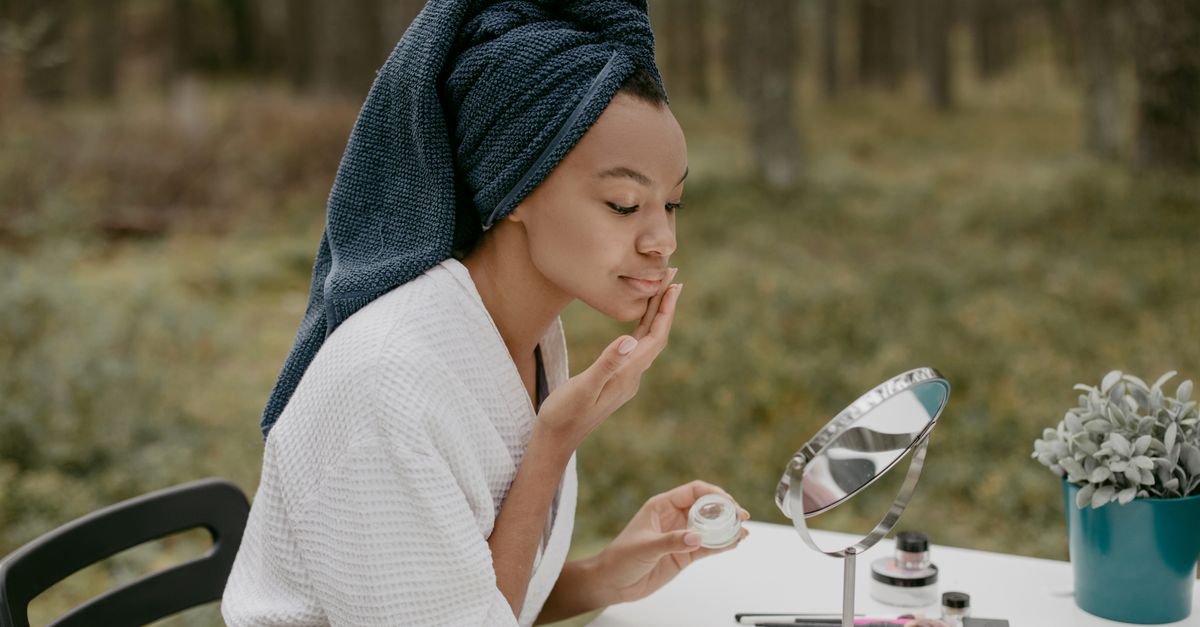
Understanding Rosacea and Its Morning Triggers
Rosacea is a chronic skin condition. It causes redness, flushing, and visible blood vessels. Morning triggers can worsen symptoms. Common triggers include:
- Temperature changes: Hot showers or cold air.
- Skincare products: Harsh cleansers or exfoliants.
- Sun exposure: UV rays cause flare-ups.
- Stress: Morning anxiety can trigger flushing.
- Food and drink: Hot coffee or spicy breakfasts.
Understanding these triggers helps you build a safe routine. The goal is to minimize irritation and support your skin barrier.
Step 1: Gentle Cleansing for Rosacea-Prone Skin
Cleansing removes dirt and oil without stripping the skin. For rosacea, choose a mild, non-foaming cleanser. Look for:
- Creamy or lotion texture
- Soothing ingredients like aloe vera, chamomile, or green tea
- No sulfates or fragrances
Avoid:
- Rough scrubs
- Hot water
- Long washing times
How to cleanse:
- Use lukewarm water.
- Apply cleanser with fingertips.
- Rinse gently and pat dry with a soft towel.
Step 2: Soothing and Hydrating Toners and Essences
Toners restore pH and prep skin for moisture. For rosacea, choose alcohol-free toners with calming ingredients.
Key ingredients:
- Niacinamide: Reduces redness.
- Centella asiatica: Soothes inflammation.
- Hyaluronic acid: Hydrates without irritation.
How to apply:
- Use a cotton pad or hands.
- Pat gently onto skin.
- Avoid rubbing.
Essences are lightweight hydrators. They add an extra layer of moisture. Look for similar soothing ingredients.
Step 3: Targeted Serums for Redness and Inflammation
Serums deliver active ingredients deep into the skin. For rosacea, focus on:
- Azelaic acid: Reduces redness and bumps. (American Academy of Dermatology recommends it.)
- Vitamin C: Antioxidant that calms inflammation.
- Licorice root extract: Soothes and brightens.
Application tips:
- Apply to damp skin.
- Use a pea-sized amount.
- Wait 2 minutes before next step.
Step 4: Moisturizers That Calm and Protect
Moisturizers lock in hydration and repair the barrier. Choose:
- Barrier-repairing ingredients: Ceramides, fatty acids, cholesterol.
- Anti-inflammatory: Oat, shea butter, squalane.
- Fragrance-free and non-comedogenic.
Texture:
- Gel-cream for oily skin.
- Rich cream for dry skin.
Apply generously, especially after serums.
Step 5: The Crucial Step of Sun Protection
Sun exposure is a top trigger for rosacea. Use a broad-spectrum sunscreen SPF 30 or higher every day.
Best types:
- Mineral sunscreens: Zinc oxide or titanium dioxide. They are less irritating.
- Chemical sunscreens: May cause stinging. Test first.
Application:
- Apply last in your routine.
- Use a nickel-sized amount for face.
- Reapply every 2 hours if outdoors.
Sample Morning Routine for Rosacea (Product Recommendations)
For Oily Rosacea Skin
- Cleanser: Vanicream Gentle Facial Cleanser
- Toner: Paula’s Choice Skin Recovery Calming Toner
- Serum: The Ordinary Azelaic Acid Suspension 10%
- Moisturizer: La Roche-Posay Toleriane Double Repair Face Moisturizer
- Sunscreen: EltaMD UV Clear Broad-Spectrum SPF 46
For Dry Rosacea Skin
- Cleanser: CeraVe Hydrating Facial Cleanser
- Essence: Missha Time Revolution The First Treatment Essence
- Serum: SkinCeuticals C E Ferulic (if tolerated) or a niacinamide serum
- Moisturizer: Avène Tolerance Control Soothing Skin Recovery Cream
- Sunscreen: Supergoop! PLAY Everyday Lotion SPF 50
Lifestyle Tips to Complement Your Morning Routine
- Avoid hot beverages: Let coffee or tea cool down.
- Manage stress: Practice deep breathing or meditation.
- Sleep on your back: Avoid pillow friction.
- Keep a diary: Track triggers and flare-ups.
- Use a humidifier: Dry air can irritate skin.
Key Ingredients to Look For (and Avoid)
Look for:
- Niacinamide
- Azelaic acid
- Ceramides
- Centella asiatica
- Green tea extract
- Zinc oxide
Avoid:
- Alcohol denat.
- Fragrance
- Menthol
- Witch hazel
- Glycolic acid (high concentrations)
- Retinoids (unless prescribed by dermatologist)
Key Takeaways
- Use a gentle, fragrance-free routine.
- Avoid known triggers like hot water and harsh products.
- Sunscreen is non-negotiable.
- Incorporate soothing ingredients like azelaic acid and niacinamide.
- See a dermatologist if symptoms persist or worsen.
- Be patient; it may take weeks to see improvement.
Frequently Asked Questions
Can I use vitamin C serum if I have rosacea?
Yes, but choose a gentle form like ascorbyl glucoside. Patch test first. Vitamin C can be anti-inflammatory and help with redness.
Is it okay to skip moisturizer if my skin feels oily?
No. Even oily rosacea skin needs hydration. Use a lightweight, oil-free moisturizer to protect the barrier.
How often should I exfoliate with rosacea?
Exfoliate rarely, if at all. If needed, use a gentle enzyme exfoliant once a week. Avoid physical scrubs.
Can rosacea be cured?
There is no cure, but symptoms can be managed with proper skincare and lifestyle changes. A dermatologist can prescribe treatments.
Should I use a separate eye cream for rosacea?
If you have eye irritation, use a soothing eye cream with ingredients like caffeine or cucumber. Otherwise, your regular moisturizer may suffice.
References
- Rosacea: Diagnosis and Treatment — American Academy of Dermatology (accessed 2026-06-11)
- Azelaic Acid in Rosacea — PubMed Central (accessed 2026-06-11)
- Sun Protection and Rosacea — Mayo Clinic (accessed 2026-06-11)