
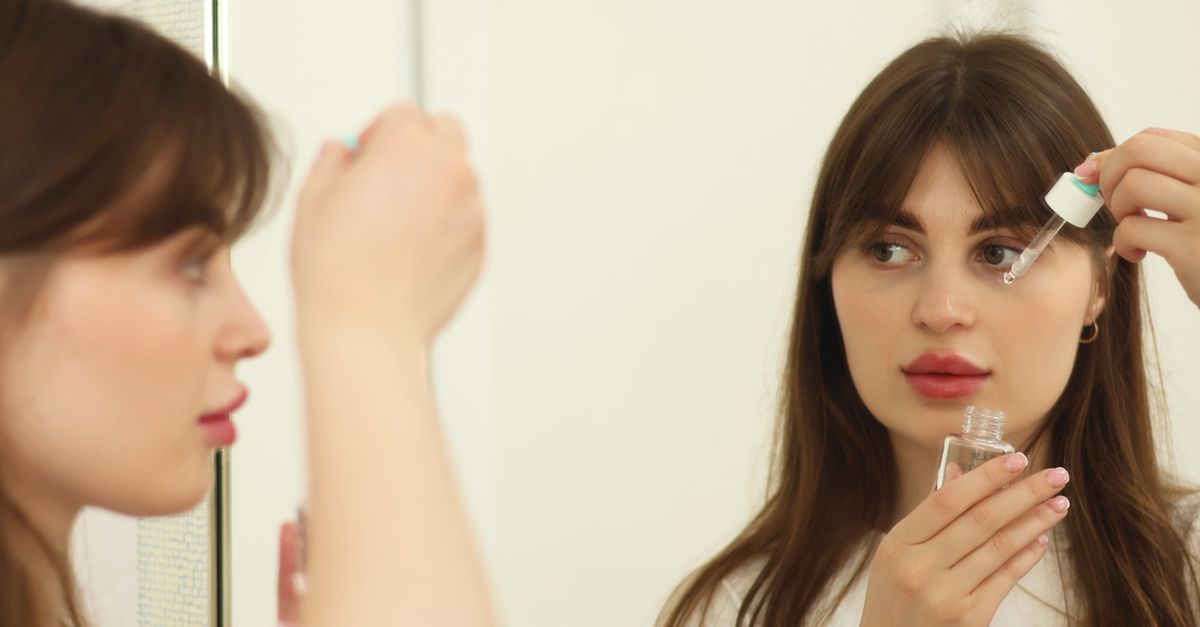
Fine lines in teens are more common than you think. They are often caused by lifestyle habits and environmental factors. A proper routine can help prevent them. This guide covers causes, key ingredients, and a simple 3-step routine.
Why Teens Get Fine Lines
Teens can get fine lines for several reasons:
- Dehydration: Lack of water makes skin less plump.
- Sun exposure: UV rays break down collagen.
- Facial expressions: Repeated movements create lines.
- Sleep position: Sleeping on your side or stomach can cause creases.
- Poor diet: High sugar intake damages collagen.
- Genetics: Some people are predisposed.
Most fine lines in teens are temporary. They can be reversed with proper care. The key is prevention.
Key Ingredients for Teen Skin
Certain ingredients help prevent and reduce fine lines. They are safe for young skin.
Hyaluronic Acid
Hyaluronic acid is a powerful humectant. It holds up to 1000 times its weight in water. This plumps the skin and smooths fine lines.
- How it works: Attracts moisture to the skin.
- Benefits: Hydrates without clogging pores.
- Where to find: Serums and moisturizers.
Niacinamide
Niacinamide is a form of vitamin B3. It has multiple benefits for teen skin.
- How it works: Boosts collagen production and improves skin barrier.
- Benefits: Reduces fine lines, controls oil, and calms acne.
- Where to find: Serums and treatments.
Peptides
Peptides are short chains of amino acids. They signal the skin to produce more collagen.
- How it works: Stimulates collagen and elastin.
- Benefits: Firms skin and reduces fine lines.
- Where to find: Serums and creams.
Simple 3-Step Routine
A simple routine is best for teens. It prevents fine lines without overwhelming the skin.
Step 1: Gentle Cleanser
Use a gentle cleanser twice daily. It removes dirt, oil, and makeup without stripping the skin.
- Choose a non-foaming, sulfate-free formula.
- Look for ingredients like glycerin or ceramides.
- Avoid harsh scrubs or strong acids.
Step 2: Hydrating Serum
Apply a serum with hyaluronic acid, niacinamide, or peptides. This targets fine lines directly.
- Use on damp skin after cleansing.
- Pick one active ingredient at a time.
- Patch test new products.
Step 3: Moisturizer + SPF
Moisturizer locks in hydration. SPF protects from UV damage.
- Use a lightweight, oil-free moisturizer for day.
- Choose a broad-spectrum SPF 30 or higher.
- Apply moisturizer first, then sunscreen.
Sample Routine:
- Morning: Cleanse → Serum → Moisturizer → SPF
- Evening: Cleanse → Serum → Moisturizer
Lifestyle Tips to Prevent Fine Lines
Lifestyle changes can make a big difference.
- Drink water: Aim for 8 glasses a day.
- Eat a balanced diet: Include fruits, vegetables, and healthy fats.
- Get enough sleep: Teens need 8-10 hours per night.
- Wear sunscreen daily: Even on cloudy days.
- Avoid smoking and vaping: They damage collagen.
- Manage stress: High stress can age skin.
Common Mistakes to Avoid
Avoid these pitfalls that can worsen fine lines.
- Over-exfoliating: Strips the skin barrier.
- Skipping sunscreen: UV rays cause premature aging.
- Using harsh acne treatments: They can dry out skin.
- Not moisturizing: Even oily skin needs hydration.
- Touching your face: Transfers dirt and oil.
- Sleeping in makeup: Clogs pores and dehydrates skin.
Key Takeaways
- Fine lines in teens are often due to dehydration and sun exposure.
- Key ingredients: hyaluronic acid, niacinamide, and peptides.
- A simple 3-step routine: cleanser, serum, moisturizer + SPF.
- Lifestyle habits like hydration and sleep are crucial.
- See a dermatologist if fine lines persist or worsen.
FAQs
Q: Can teens use anti-aging products? A: Yes, but stick to gentle ingredients like hyaluronic acid and niacinamide. Avoid strong retinoids without a doctor’s advice.
Q: How long until I see results? A: With consistent routine, you may see improvement in 4-8 weeks. Fine lines from dehydration can fade faster.
Q: Are fine lines permanent in teens? A: Usually not. They are often temporary and reversible with proper skincare and lifestyle changes.
Q: Should I use a retinol? A: Retinol is not typically recommended for teens unless prescribed for acne. Start with milder ingredients.
Q: When should I see a dermatologist? A: If fine lines are deep, sudden, or accompanied by other symptoms. Also if you have severe acne or skin concerns.
Citations
- American Academy of Dermatology. “How to prevent premature skin aging.” AAD.org. https://www.aad.org/public/everyday-care/skin-care-secrets/anti-aging/prevent-premature-skin-aging
- Mayo Clinic. “Skin care: 5 tips for healthy skin.” MayoClinic.org. https://www.mayoclinic.org/healthy-lifestyle/adult-health/in-depth/skin-care/art-20048237
- PubMed. “Hyaluronic acid: A key molecule in skin aging.” Dermato-Endocrinology. https://pubmed.ncbi.nlm.nih.gov/23441150/
- National Institutes of Health. “Niacinamide and skin health.” NIH.gov. https://ods.od.nih.gov/factsheets/Niacin-HealthProfessional/
Frequently Asked Questions
Can teens use anti-aging products?
Yes, but stick to gentle ingredients like hyaluronic acid and niacinamide. Avoid strong retinoids without a doctor’s advice.
How long until I see results?
With consistent routine, you may see improvement in 4-8 weeks. Fine lines from dehydration can fade faster.
Are fine lines permanent in teens?
Usually not. They are often temporary and reversible with proper skincare and lifestyle changes.
Should I use a retinol?
Retinol is not typically recommended for teens unless prescribed for acne. Start with milder ingredients.
When should I see a dermatologist?
If fine lines are deep, sudden, or accompanied by other symptoms. Also if you have severe acne or skin concerns.
You May Also Like
Explore more articles in our Skincare collection:
- Best Affordable Face Serum for Combination Skin
- Best Affordable Face Serum for Large Pores
- Best Affordable Face Serum for Whiteheads
Related Tools
Try these free calculators and quizzes to personalize your routine:
References
- How to prevent premature skin aging — American Academy of Dermatology (accessed 2026-06-11)
- Skin care: 5 tips for healthy skin — Mayo Clinic (accessed 2026-06-11)
- Hyaluronic acid: A key molecule in skin aging — Dermato-Endocrinology via PubMed (accessed 2026-06-11)
- Niacinamide and skin health — National Institutes of Health (accessed 2026-06-11)