
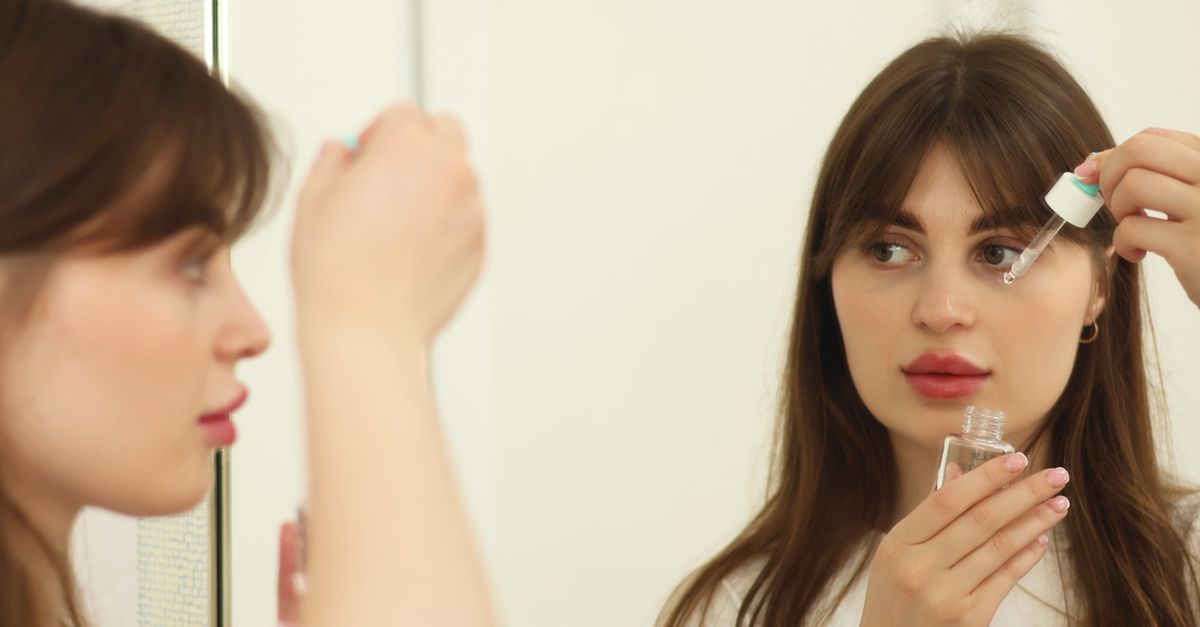
Understanding Eczema in Teens
Eczema, also known as atopic dermatitis, is a chronic skin condition. It causes dry, itchy, and inflamed skin. Many teens experience eczema. Hormonal changes during puberty can trigger flare-ups. Stress, weather, and certain fabrics also worsen eczema.
Eczema is not contagious. It results from a weakened skin barrier and an overactive immune system. The skin loses moisture easily. It becomes vulnerable to irritants and allergens.
Common symptoms include:
- Red, itchy patches
- Dry, scaly skin
- Thickened skin from scratching
- Oozing or crusting in severe cases
Eczema often appears on the face, neck, elbows, knees, and hands. For teens, it can affect self-esteem. Proper skincare helps control symptoms and improves quality of life.
Key Principles of a Teen Eczema Skincare Routine
Effective eczema care follows three core principles: gentle cleansing, moisturizing, and managing flare-ups. Consistency is crucial. Use products designed for sensitive skin. Avoid harsh chemicals and fragrances.
Gentle Cleansing
Cleansing removes dirt, sweat, and bacteria. For eczema-prone skin, choose a mild, soap-free cleanser. Look for “non-soap” or “syndet” bars. Avoid foaming cleansers with sulfates. They strip natural oils.
Tips for gentle cleansing:
- Use lukewarm water. Hot water dries skin.
- Wash with fingertips. Avoid rough washcloths.
- Limit showers to 5-10 minutes.
- Pat skin dry with a soft towel. Do not rub.
- Apply moisturizer within 3 minutes after bathing.
Moisturizing the Right Way
Moisturizers lock in water and repair the skin barrier. Thick creams and ointments work best. Lotions contain more water and less oil. They may not be effective.
Best moisturizer types:
- Ointments: Petroleum jelly, mineral oil
- Creams: Ceramide-based, shea butter
- Avoid: Fragrances, dyes, botanicals
How to moisturize:
- Apply immediately after bathing.
- Use a generous amount. Cover all eczema-prone areas.
- Reapply 2-3 times daily, especially after hand washing.
- Choose products with ceramides, glycerin, or hyaluronic acid.
Managing Flare-Ups with Topical Treatments
During flare-ups, the skin becomes red and itchy. Topical treatments reduce inflammation. The most common are corticosteroids. They come in different strengths. Use as directed by a doctor.
Other treatments:
- Topical calcineurin inhibitors (e.g., tacrolimus, pimecrolimus)
- Prescription creams for moderate to severe eczema
- Over-the-counter hydrocortisone for mild symptoms
Important:
- Apply topical treatments before moisturizer.
- Use the lowest effective strength.
- Do not overuse steroids. They can thin skin.
- Consult a dermatologist for a personalized plan.
Step-by-Step Daily Skincare Routine for Teens with Eczema
Consistency is key. Follow this routine morning and night.
Morning Routine:
- Cleanse: Use a gentle cleanser. Splash lukewarm water. Pat dry.
- Treat: Apply any prescribed topical treatment to active spots.
- Moisturize: Apply a thick moisturizer all over.
- Protect: Apply sunscreen (SPF 30+) if going outside. Choose mineral sunscreens with zinc oxide or titanium dioxide.
Evening Routine:
- Cleanse: Same as morning. Remove sweat and dirt.
- Treat: Apply topical treatment as needed.
- Moisturize: Use a richer moisturizer or ointment.
- Optional: Use a humidifier in the bedroom.
Bathing Tips:
- Bathe once daily. More can dry skin.
- Add colloidal oatmeal or baking soda to soothe itch.
- Avoid bubble baths and bath bombs.
Lifestyle Tips to Support Eczema-Prone Skin
Skincare alone may not be enough. Lifestyle changes help manage eczema.
Clothing:
- Wear soft, breathable fabrics like cotton.
- Avoid wool and synthetics.
- Wash new clothes before wearing.
- Use fragrance-free laundry detergent.
Stress Management:
- Practice relaxation techniques.
- Exercise regularly. Shower after sweating.
- Get enough sleep.
Diet:
- No specific diet works for all. Some teens react to dairy, eggs, or nuts.
- Keep a food diary. Note flare-ups after meals.
- Consult a doctor before eliminating foods.
Environment:
- Keep home cool and humidified.
- Avoid extreme temperatures.
- Use air filters to reduce allergens.
Scratching:
- Keep nails short.
- Wear cotton gloves at night.
- Apply cold compresses to itchy areas.
When to See a Dermatologist
See a dermatologist if:
- Eczema does not improve with OTC treatments.
- Flare-ups are frequent or severe.
- Skin becomes infected (yellow crust, oozing, fever).
- Eczema affects sleep or daily activities.
- You have questions about treatment options.
A dermatologist can prescribe stronger medications. They can also recommend light therapy or systemic treatments for severe cases.
Key Takeaways
- Eczema is a chronic condition with flare-ups.
- Use gentle, fragrance-free cleansers.
- Moisturize immediately after bathing with thick creams or ointments.
- Apply topical treatments as prescribed.
- Follow a consistent daily routine.
- Manage triggers like stress, sweat, and irritants.
- See a dermatologist for persistent or severe symptoms.
With proper care, teens can control eczema and enjoy healthy skin.
Frequently Asked Questions
Can teens with eczema use makeup?
Yes, but choose non-comedogenic, fragrance-free, and hypoallergenic products. Mineral makeup is often safe. Always remove makeup gently with a mild cleanser.
How often should teens with eczema shower?
Once daily is enough. Showers should be short (5-10 minutes) with lukewarm water. Over-bathing can dry the skin.
Are there any foods that trigger eczema in teens?
Common triggers include dairy, eggs, soy, and nuts. However, reactions vary. Keep a food diary and consult a doctor before eliminating foods.
Can stress cause eczema flare-ups?
Yes, stress is a known trigger. Managing stress through relaxation techniques, exercise, and adequate sleep can help reduce flare-ups.
Is it safe to use over-the-counter hydrocortisone cream on teen eczema?
For mild, localized flare-ups, OTC hydrocortisone (0.5-1%) can be used for up to 7 days. Avoid prolonged use. Consult a dermatologist if symptoms persist.
You May Also Like
Explore more articles in our Skincare collection:
- Best Conditioner for Sensitive Skin: A Complete Guide to Soothing Your Scalp
- Best Dark Spot Corrector for Psoriasis: Reduce Hyperpigmentation Safely
- Best Drugstore Face Serum for Blackheads
Related Tools
Try these free calculators and quizzes to personalize your routine:
References
- Atopic Dermatitis (Eczema) - Symptoms and Causes — Mayo Clinic (accessed 2026-06-11)
- Eczema in Teens: Tips for Managing Flare-Ups — American Academy of Dermatology (accessed 2026-06-11)
- Eczema Treatment: Topical Corticosteroids — National Eczema Association (accessed 2026-06-11)
- Moisturizers for Eczema: Which Ones Work Best? — PubMed Central (accessed 2026-06-11)