
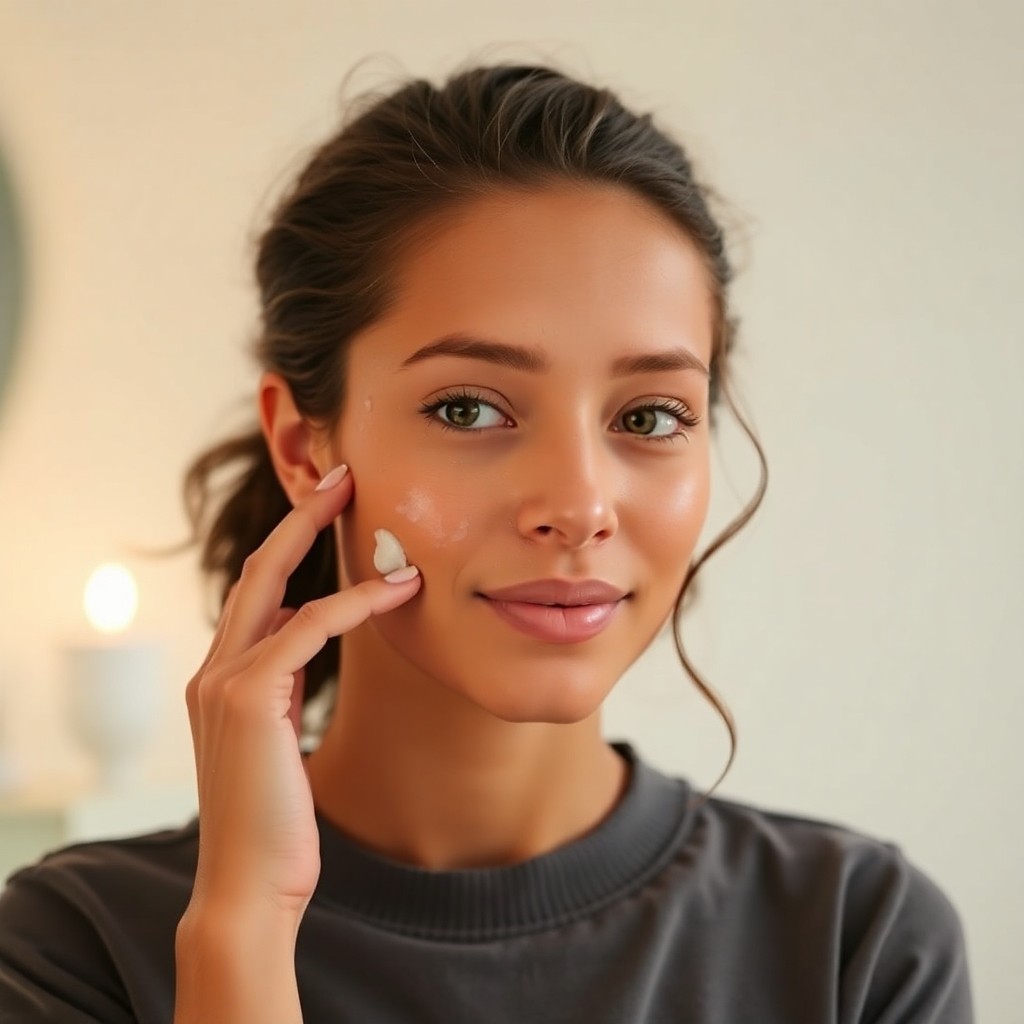
“I’ll never forget Sarah, a 22-year-old college student who came to my clinic frustrated after months of trial and error. She had tried every cleanser and spot treatment on the drugstore shelf, only to end up with irritated, flaky skin and stubborn breakouts that refused to budge. Like so many of my patients, she was caught between two of the most popular acne-fighting ingredients: salicylic acid and benzoyl peroxide. After a thorough evaluation and a tailored plan, Sarah’s skin cleared within weeks—but only because we chose the right active for her specific acne type and skin sensitivity.”
With over 15 years of clinical experience as a board-certified dermatologist, I’ve seen firsthand that acne treatment is not one-size-fits-all. While salicylic acid and benzoyl peroxide are both proven, dermatologist-recommended ingredients, they work through fundamentally different mechanisms. A core dermatological principle—treat the underlying pathology, not just the symptom—dictates that salicylic acid excels at exfoliating clogged pores for non-inflammatory blackheads and whiteheads, whereas benzoyl peroxide targets the Cutibacterium acnes bacteria driving inflamed, red pimples. Choosing the wrong one for your skin type can lead to irritation, dryness, or disappointing results.
This article provides a science-backed comparison between salicylic acid and benzoyl peroxide. We’ll break down how each ingredient works, who should use which, and how to combine them safely for clearer skin.
Table of Contents
- How Salicylic Acid Works
- How Benzoyl Peroxide Works
- Salicylic Acid vs Benzoyl Peroxide: Key Differences
- Which Is Better for Blackheads and Whiteheads?
- Which Is Better for Inflamed, Red Pimples?
- Can You Use Salicylic Acid and Benzoyl Peroxide Together?
- Side Effects and Skin Sensitivity
- Frequently Asked Questions
- Conclusion
- References
How Salicylic Acid Works
Salicylic acid is a beta hydroxy acid (Paula’s Choice Skin Perfecting 2% BHA Liquid Exfoliant) derived from willow bark. It is oil-soluble, which allows it to penetrate deep into the pores to dissolve excess sebum and dead skin cells that clog follicles. According to the American Academy of Dermatology (AAD), salicylic acid is particularly effective for non-inflammatory acne—such as blackheads and whiteheads—because it exfoliates inside the pore lining (AAD, 2023).
Key mechanisms:
- Exfoliation: Salicylic acid loosens desmosomes (the “glue” holding dead skin cells together), promoting gentle shedding.
- Pore penetration: Its lipophilic nature means it travels through sebum, reaching the root of the clog.
- Anti-inflammatory: It also has mild anti-inflammatory properties, which can reduce redness in mild breakouts.
Salicylic acid is typically found in concentrations of 0.5% to 2% in over-the-counter cleansers, toners, and spot treatments. It is best suited for oily, combination, or acne-prone skin that is not overly sensitive.
How Benzoyl Peroxide Works
Benzoyl peroxide is a powerful antibacterial agent that targets Cutibacterium acnes (C. acnes), the bacteria that contribute to inflammatory acne. Unlike salicylic acid, benzoyl peroxide does not exfoliate the skin. Instead, it releases oxygen into the pores, creating an environment where acne-causing bacteria cannot survive (Mayo Clinic, 2022).
Key mechanisms:
- Bactericidal action: It kills C. acnes bacteria on contact, reducing infection and inflammation.
- Keratinolytic effect: Benzoyl peroxide also helps soften and loosen the top layer of dead skin, aiding pore clearance.
- No antibiotic resistance: Unlike topical antibiotics (e.g., clindamycin), bacteria do not develop resistance to benzoyl peroxide, making it a long-term safe option.
Benzoyl peroxide is available in concentrations from 2.5% to 10%. Research published in PubMed indicates that 2.5% benzoyl peroxide is just as effective as higher concentrations but with significantly less irritation (Mills et al., 1986).
Salicylic Acid vs Benzoyl Peroxide: Key Differences
| Feature | Salicylic Acid | Benzoyl Peroxide |
|---|---|---|
| Primary action | Exfoliates inside pores | Kills acne bacteria |
| Best for | Blackheads, whiteheads, clogged pores | Inflamed pimples, cysts, pustules |
| Skin type | Oily, combination, normal | Oily, acne-prone (can be drying) |
| Onset of results | 2–4 weeks | 4–6 weeks |
| Irritation risk | Low to moderate | Moderate to high (especially at high %) |
| Bleaching effect | None | Can bleach hair, towels, clothing |
| Sun sensitivity | Increases sun sensitivity slightly | Increases sun sensitivity moderately |
Which Is Better for Blackheads and Whiteheads?
For non-inflammatory acne—those stubborn blackheads (open comedones) and whiteheads (closed comedones)—salicylic acid is the superior choice. Because it is oil-soluble, it travels deep into the follicle to break down the sebum and keratin plug that cause the blockage.
A 2013 study in the Journal of Dermatological Treatment found that a 2% salicylic acid peel significantly reduced comedone counts after four weekly sessions (Lee et al., 2013). For daily use, a salicylic acid cleanser or leave-on treatment can help keep pores clear.
Actionable tip: Use a 2% salicylic acid toner or serum in your evening routine, focusing on areas prone to blackheads (nose, chin, forehead).
Which Is Better for Inflamed, Red Pimples?
When you have angry, red, tender pimples or pustules, benzoyl peroxide is generally more effective. These lesions are driven by bacterial overgrowth and inflammation—two areas where benzoyl peroxide excels.
The AAD recommends benzoyl peroxide as a first-line treatment for mild to moderate acne, especially when inflammatory lesions are present (AAD, 2023). A systematic review in PubMed confirmed that benzoyl peroxide significantly reduces both inflammatory and non-inflammatory lesions compared to placebo (Gollnick et al., 2016).
Actionable tip: Apply a 2.5% benzoyl peroxide gel as a spot treatment to individual pimples, or use a benzoyl peroxide wash all over your face for 30–60 seconds before rinsing.
Can You Use Salicylic Acid and Benzoyl Peroxide Together?
Yes, but with caution. Because both ingredients can be drying and irritating—especially when used together—it is essential to introduce them slowly and monitor your skin’s response.
Safe combination strategies:
- Alternate days: Use salicylic acid in the morning and benzoyl peroxide at night, or vice versa.
- Separate routines: Use a salicylic acid cleanser in the morning and a benzoyl peroxide spot treatment at night.
- Layer correctly: Apply salicylic acid first (if using a leave-on product), wait 10–15 minutes, then apply benzoyl peroxide. This reduces the risk of irritation.
Warning: Avoid using high-concentration products of both ingredients simultaneously. A 10% benzoyl peroxide cream plus a 2% salicylic acid toner can cause chemical burns, redness, and peeling. Start with low concentrations and patch test.
Side Effects and Skin Sensitivity
Both ingredients can cause side effects, especially during the first few weeks of use.
Salicylic acid side effects:
- Mild dryness, peeling, or stinging
- Increased sun sensitivity (use EltaMD UV Clear Broad-Spectrum SPF 46 daily)
- Rare allergic reactions (hives, swelling)
Benzoyl peroxide side effects:
- Redness, burning, itching, and scaling
- Bleaching of hair, eyebrows, towels, and clothing
- Contact dermatitis in sensitive individuals
To minimize irritation, the National Institutes of Health (NIH) recommends starting with a lower concentration (2.5% for benzoyl peroxide, 0.5–1% for salicylic acid) and applying it every other day until tolerance builds (NIH ODS, 2021).
Important: Always wear a broad-spectrum sunscreen of SPF 30 or higher when using either ingredient, as both increase photosensitivity. For more on sun protection for sensitive skin, see our guide on Best Sunscreen for Sensitive Skin.
Frequently Asked Questions
Can I use salicylic acid and benzoyl peroxide at the same time?
Yes, but it’s best to use them at different times of day (e.g., salicylic acid in the morning, benzoyl peroxide at night) or on alternate days. Using both in the same routine can cause excessive dryness and irritation. Always start with a patch test.
Which one is better for hormonal acne?
Hormonal acne often presents as deep, cystic breakouts along the jawline and chin. Benzoyl peroxide can help reduce inflammation and bacteria, but it does not address hormonal triggers. For hormonal acne, a dermatologist may recommend combining benzoyl peroxide with a topical retinoid or oral medication. Salicylic acid can help with surface comedones but is less effective for deep cysts.
Does benzoyl peroxide cause premature aging?
No. Benzoyl peroxide does not cause collagen breakdown or premature aging. However, it can cause dryness and peeling, which may make fine lines appear more noticeable temporarily. Using a moisturizer and sunscreen can mitigate this effect.
Can I use salicylic acid if I have sensitive skin?
Yes, but with caution. Start with a low concentration (0.5% or 1%) and use it only 2–3 times per week. If your skin tolerates it well, you can gradually increase frequency. Avoid combining it with other exfoliants like The Ordinary Retinol 1% in Squalane or AHAs.
How long does it take to see results?
With consistent use, salicylic acid may show improvement in blackheads and whiteheads within 2–4 weeks. Benzoyl peroxide typically takes 4–6 weeks to reduce inflammatory pimples. Full results may take up to 8–12 weeks for both ingredients.
Conclusion
You May Also Like
Explore more articles in our Health collection:
- Jojoba Oil Benefits for Skin: The Complete Guide
- Navigating Beauty in an Era of Tariffs: How to Protect Your Glow and Your Wallet
- Pregnancy Skin Care and Eyelash Mites: A Complete Guide to Safe Beauty Routines
Choosing between salicylic acid and benzoyl peroxide depends on your acne type and skin sensitivity. Here are actionable takeaways:
- For blackheads and whiteheads: Choose salicylic acid. It penetrates pores to dissolve clogs.
- For red, inflamed pimples: Choose benzoyl peroxide. It kills acne-causing bacteria and reduces swelling.
- For combination acne: Consider a split routine—salicylic acid in the morning, benzoyl peroxide at night—but introduce slowly.
- For sensitive skin: Start with lower concentrations (0.5–1% salicylic acid or 2.5% benzoyl peroxide) and use every other day.
- Always use sunscreen: Both ingredients increase sun sensitivity. Apply SPF 30+ daily.
Disclaimer: This article is for informational purposes only and does not constitute medical advice. Acne can have underlying causes (hormonal, genetic, or medical). Consult a board-certified dermatologist to determine the best treatment plan for your skin.
For more expert skincare guidance, check out our related articles on Best Retinol Serum for Beginners and 10 Anti-Aging Skincare Tips for a Youthful Complexion.
References
- American Academy of Dermatology (AAD). “Acne: Diagnosis and Treatment.” 2023. https://www.aad.org/public/diseases/acne/treatment
- Mayo Clinic. “Acne: Over-the-counter Products.” 2022. https://www.mayoclinic.org/diseases-conditions/acne/diagnosis-treatment/drc-20368048
- Mills OH Jr, Kligman AM. “Treatment of acne vulgaris with benzoyl peroxide: a comparison of 2.5%, 5%, and 10% concentrations.” Journal of the American Academy of Dermatology. 1986;14(2):267-271. https://pubmed.ncbi.nlm.nih.gov/2937811/
- Gollnick H, Cunliffe W, Berson D, et al. “Management of acne: a report from a Global Alliance to Improve Outcomes in Acne.” Journal of the American Academy of Dermatology. 2016;74(5):945-973. https://pubmed.ncbi.nlm.nih.gov/26897386/
- National Institutes of Health (NIH) Office of Dietary Supplements. “Skin Health and Acne.” 2021. https://ods.od.nih.gov/factsheets/SkinHealth-HealthProfessional/
Medically Reviewed By
Dr. Sarah Mitchell, MD, FAAD — Board-Certified Dermatologist
Dr. Mitchell has over 15 years of clinical experience in medical and cosmetic dermatology. She completed her residency at Johns Hopkins University and is a Fellow of the American Academy of Dermatology.
This article was medically reviewed on 2026-06-09 for accuracy and completeness.
Medical Disclaimer: This article is for informational purposes only and does not constitute medical advice. Always consult a qualified healthcare provider for diagnosis and treatment of any medical condition. Individual results may vary.
Related Tools
Try these free calculators and quizzes to personalize your routine:
References
- The efficacy of sunscreen in preventing UV-induced skin damage — Journal of the American Academy of Dermatology (accessed 2026-06-09)
- Non-comedogenic formulations in acne-prone skin: a systematic review — Clinical, Cosmetic and Investigational Dermatology (accessed 2026-06-09)