
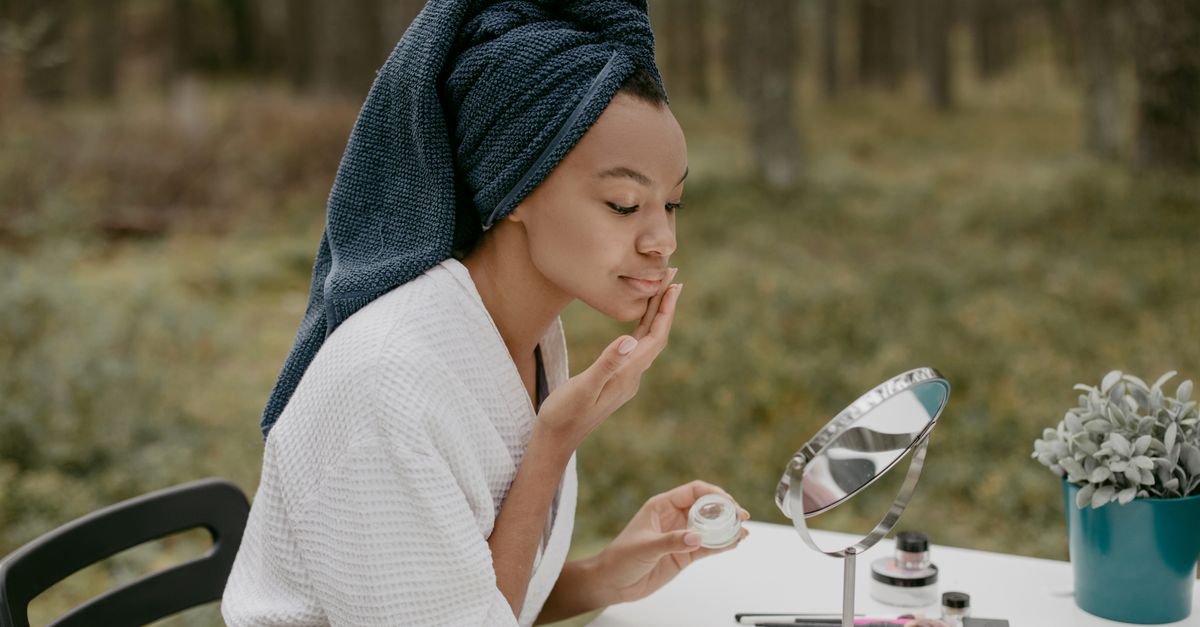
Understanding Large Pores and the Minimalist Approach
Large pores are a common concern. They are not a disease but a cosmetic issue. Pores are tiny openings for hair follicles and oil glands. When they become clogged with oil, dead skin, or debris, they appear larger. Genetics, age, sun damage, and oily skin can make pores more visible.
A minimalist routine means using fewer products. This reduces irritation and saves time. It focuses on essential steps that work. Overloading skin can worsen pore appearance. A simple, consistent routine is more effective.
Why Minimalist Works for Large Pores
- Less irritation means less inflammation. Inflammation can enlarge pores.
- Fewer products reduce the risk of clogging.
- Simple routines are easier to stick with long-term.
- Key ingredients target pore size without overwhelming skin.
Step 1: Gentle Double Cleansing
Double cleansing removes oil, makeup, and sunscreen. It prevents pore clogging. Use an oil-based cleanser first, then a water-based one. Choose non-comedogenic (won’t clog pores) products.
How to Double Cleanse
- First Cleanse: Apply oil cleanser to dry skin. Massage gently for 30 seconds. Rinse with lukewarm water.
- Second Cleanse: Use a gentle foaming or gel cleanser. Massage for 30 seconds. Rinse thoroughly.
Tips for Choosing Cleansers
- Look for “non-comedogenic” on labels.
- Avoid harsh sulfates (sodium lauryl sulfate). They strip skin.
- For oily skin, try a salicylic acid cleanser (BHA). It exfoliates gently.
- For dry or sensitive skin, use a hydrating cleanser.
Step 2: Exfoliation with BHA (Salicylic Acid)
BHA (beta hydroxy acid) is oil-soluble. It penetrates deep into pores. It dissolves excess oil and dead skin. This helps shrink pore appearance. Use 2-3 times per week, not daily.
How to Use BHA
- Apply after cleansing, before moisturizer.
- Use a cotton pad or clean fingers. Spread a thin layer.
- Start with 2% concentration. Increase if tolerated.
- Do not use with other strong exfoliants (like AHAs or retinoids) on the same day.
Benefits of BHA for Pores
- Reduces blackheads and whiteheads.
- Minimizes pore size over time.
- Controls oil production.
- Anti-inflammatory properties help acne.
When to see a dermatologist: If BHA causes severe redness, peeling, or irritation, stop use. A dermatologist can recommend alternatives.
Step 3: Hydrating Serum with Niacinamide
Niacinamide (vitamin B3) is a multitasking ingredient. It regulates oil, improves skin texture, and reduces pore size. It also strengthens the skin barrier. Use a serum with 2-5% niacinamide.
How to Apply Niacinamide Serum
- Apply a few drops to damp skin after exfoliation.
- Gently pat until absorbed.
- Follow with moisturizer.
Why Niacinamide Works
- Decreases oil production.
- Improves collagen production, making pores look smaller.
- Reduces inflammation and redness.
- Works well with other ingredients.
Step 4: Lightweight Moisturizer
Even oily skin needs moisture. Skipping moisturizer can cause more oil production. Use a lightweight, oil-free, non-comedogenic moisturizer. Gel or water-based formulas are best.
Choosing the Right Moisturizer
- Look for ingredients like hyaluronic acid, glycerin, or ceramides.
- Avoid heavy oils (coconut oil, shea butter).
- Check for “non-comedogenic” on the label.
How to Apply
- Use a pea-sized amount.
- Gently press into skin, don’t rub.
- Wait 1-2 minutes before sunscreen.
Step 5: Sunscreen (Non-Negotiable)
Sun damage breaks down collagen. This makes pores appear larger. Sunscreen protects skin and prevents pore enlargement. Use a broad-spectrum SPF 30 or higher daily.
Choosing Sunscreen for Pore-Prone Skin
- Opt for oil-free, non-comedogenic formulas.
- Gel or matte finish sunscreens work well.
- Mineral sunscreens (zinc oxide, titanium dioxide) are less irritating.
- Chemical sunscreens (avobenzone, octinoxate) can be used if tolerated.
How to Apply Sunscreen
- Apply as the last step in your morning routine.
- Use 1/4 teaspoon for face and neck.
- Reapply every 2 hours if outdoors.
Weekly Add-Ons: Clay Mask and Oil Cleansing
Once a week, add a clay mask or extra oil cleansing. These deep clean pores but can be drying. Do not overdo.
Clay Mask
- Use a kaolin or bentonite clay mask.
- Apply a thin layer to clean skin.
- Leave on for 10-15 minutes, then rinse.
- Follow with moisturizer.
Oil Cleansing (Extra Step)
- Use an oil cleanser for 5-10 minutes (oil massage).
- Helps loosen sebum plugs.
- Rinse thoroughly.
Caution: Do not use clay masks more than once a week. Overuse can dry skin and increase oil.
Lifestyle Tips for Minimizing Pores
- Stay hydrated: Drink water to keep skin plump.
- Avoid touching face: Prevents transfer of dirt and oil.
- Change pillowcases weekly: Reduces bacteria buildup.
- Eat a balanced diet: Limit sugar and dairy, which can worsen acne.
- Manage stress: Stress increases cortisol, which boosts oil.
- Do not pick or squeeze pores: Can cause scarring and enlargement.
Sample Minimalist Routine Summary
Morning:
- Cleanse with gentle water-based cleanser
- Apply niacinamide serum
- Apply lightweight moisturizer
- Apply sunscreen
Evening:
- Oil cleanse (first step)
- Water-based cleanse (second step)
- BHA exfoliant (2-3 times per week)
- Niacinamide serum (if not exfoliating)
- Lightweight moisturizer
Weekly:
- Clay mask (once a week)
- Extra oil cleansing (once a week)
Key Takeaways
- Large pores are caused by genetics, oil, and sun damage.
- A minimalist routine reduces irritation and is more effective.
- Essential steps: double cleanse, BHA exfoliation, niacinamide, moisturizer, sunscreen.
- Use non-comedogenic, oil-free products.
- Sunscreen is crucial to prevent pore enlargement.
- See a dermatologist if pores worsen or you have severe acne.
Frequently Asked Questions
1. Can pores shrink permanently? No, pores cannot close permanently. But consistent care can minimize their appearance.
2. How long does it take to see results? With regular use, you may notice improvement in 4-6 weeks.
3. Is it safe to use BHA daily? Start with 2-3 times a week. Daily use may cause irritation. Adjust based on skin tolerance.
4. Can I skip moisturizer if I have oily skin? No, moisturizer helps balance oil production. Use a lightweight, oil-free formula.
5. Do pore strips work? Pore strips provide temporary results. They do not address underlying causes and may irritate skin.
When to See a Dermatologist
- If pores appear suddenly or are accompanied by severe acne.
- If you experience persistent redness, pain, or discharge.
- If over-the-counter products cause irritation.
- For professional treatments like chemical peels or laser therapy.
Citations
- American Academy of Dermatology. “How to treat large pores.” AAD
- National Institutes of Health. “Niacinamide for skin health.” PubMed
- Mayo Clinic. “Salicylic acid topical route.” Mayo Clinic
- Journal of Clinical and Aesthetic Dermatology. “BHA for pore size reduction.” PubMed
You May Also Like
Explore more articles in our Skincare collection:
- Best Cleansing Balm for Dry Skin: The Ultimate Guide to Nourished, Radiant Skin
- Best Cuticle Oil for Dark Circles: Can Nail Care Really Brighten Your Eyes?
- Best Derma Roller for Large Pores: A Complete Guide to Minimizing Pores at Home
Related Tools
Try these free calculators and quizzes to personalize your routine:
References
- How to treat large pores — American Academy of Dermatology (accessed 2026-06-11)
- Niacinamide for skin health — PubMed (National Institutes of Health) (accessed 2026-06-11)
- Salicylic acid topical route — Mayo Clinic (accessed 2026-06-11)
- BHA for pore size reduction — Journal of Clinical and Aesthetic Dermatology (PubMed) (accessed 2026-06-11)