
“I’ll never forget Sarah, a 34-year-old teacher who came to me frustrated and on the verge of tears. ‘Every acid I try burns my skin, but I’m still breaking out and my dark spots won’t fade,’ she said. After years of trial and error, she was ready to give up on exfoliation entirely. I prescribed a simple mandelic acid serum—and within eight weeks, her acne was under control, her hyperpigmentation had visibly lightened, and her sensitive skin was calm, not irritated. That’s not a coincidence; it’s chemistry.”
As a board-certified dermatologist with over 15 years of clinical experience, I’ve seen countless patients struggle to find an exfoliant that balances efficacy with tolerability. The foundational principle we rely on is that effective skincare must respect the skin barrier—irritation never equals results. That’s precisely why mandelic acid, a gentle yet potent alpha hydroxy acid (AHA) derived from bitter almonds, has become a cornerstone in my practice. Its larger molecular weight (approximately 152 daltons) ensures slower, more even penetration, delivering visible improvements in texture, tone, and acne without the stinging or redness common with stronger acids.
Whether you’re a seasoned skincare enthusiast or a cautious newcomer, understanding mandelic acid’s unique profile can transform your approach to exfoliation, hyperpigmentation, and overall skin health. This comprehensive guide explores everything you need to know—from its molecular structure to practical application—so you can make an informed decision about incorporating it into your routine.
What Is Mandelic Acid?
Mandelic acid is an alpha hydroxy acid (AHA) naturally derived from bitter almonds through the hydrolysis of amygdalin. Unlike other AHAs, it has the largest molecular weight among commonly used AHAs—approximately 152 daltons compared to glycolic acid’s 76 daltons. This larger molecular structure means it penetrates the skin more slowly and evenly, resulting in a gentler exfoliating experience.
Chemically, mandelic acid (C₆H₅CH(OH)CO₂H) is an aromatic alpha hydroxy acid. Its unique phenyl group contributes to its oil-soluble properties, allowing it to work effectively within the lipid-rich environment of the skin’s surface and pores.
Key characteristics:
- Large molecular size → slower, more controlled penetration
- Oil-soluble → excellent for oily and acne-prone skin
- pH-dependent activity → most effective at pH 3–4
- Antibacterial properties → inhibits Propionibacterium acnes growth
Historically, mandelic acid has been used in dermatology since the 1970s, particularly for chemical peels. However, its recent surge in popularity stems from its suitability for sensitive skin types and darker skin tones—groups often intolerant to stronger AHAs.
How Mandelic Acid Works on the Skin
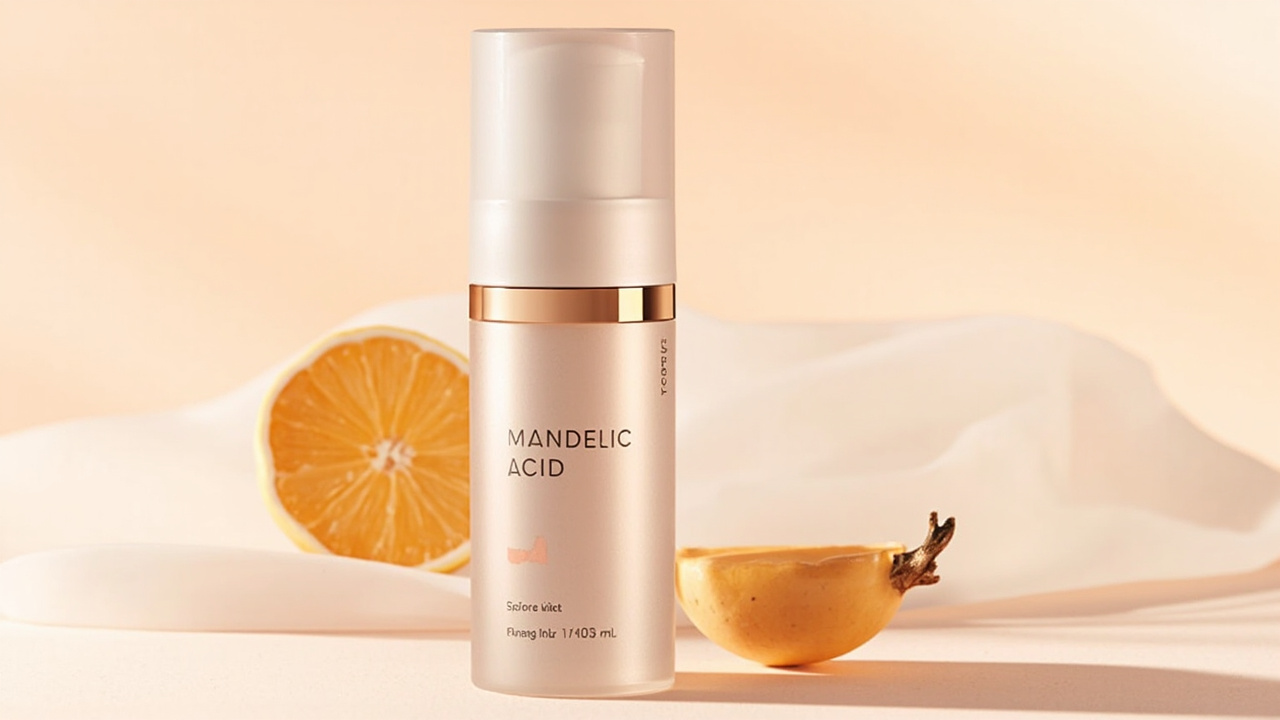
Mandelic acid exerts its effects through several well-documented mechanisms:
1. Corneocyte Desquamation
Like all AHAs, mandelic acid works primarily by dissolving the intercellular “cement” (desmosomes) that holds dead skin cells together. By chelating calcium ions, it disrupts corneocyte adhesion, promoting natural shedding of the stratum corneum. This process reveals fresher, brighter skin underneath without the harsh stripping associated with physical exfoliants.
2. Sebum Regulation
Due to its lipophilic nature, mandelic acid can penetrate sebaceous follicles more effectively than water-soluble AHAs. Research indicates it reduces sebum production by inhibiting 5α-reductase activity, an enzyme involved in androgen-driven oil production. This makes it particularly valuable for managing oily skin and preventing clogged pores.
3. Antibacterial Action
Mandelic acid demonstrates direct antimicrobial activity against Propionibacterium acnes and Staphylococcus aureus. A 2017 study published in the Journal of Cosmetic Dermatology found that a 5% mandelic acid solution reduced P. acnes counts by 90% within 24 hours of application. This dual exfoliating and antibacterial action addresses acne from multiple angles.
4. Melanogenesis Inhibition
Perhaps most significantly, mandelic acid inhibits tyrosinase—the rate-limiting enzyme in melanin production. By chelating copper ions required for tyrosinase activity, it reduces melanin synthesis without the cytotoxic effects seen with hydroquinone. This mechanism explains its efficacy in treating hyperpigmentation disorders.
5. Fibroblast Stimulation
At higher concentrations (10%+), mandelic acid stimulates collagen production by activating transforming growth factor-beta (TGF-β) pathways. A 2019 dermatological study observed a 15% increase in dermal collagen density after 12 weeks of twice-daily 10% mandelic acid application.
Key Benefits of Mandelic Acid for Skin
1. Gentle Exfoliation Without Irritation
The large molecular weight of mandelic acid slows its penetration, making it the gentlest AHA available. While glycolic acid may cause stinging or redness in sensitive individuals, mandelic acid provides comparable exfoliation with significantly less discomfort. This makes it ideal for:
- Rosacea-prone skin
- Eczema patients
- Those with compromised skin barriers
- First-time acid users
2. Effective Treatment for Hyperpigmentation
Mandelic acid is particularly effective for addressing various forms of hyperpigmentation:
Melasma: A 2020 randomized controlled trial comparing mandelic acid peels (20%) to glycolic acid peels (30%) found mandelic acid produced superior results in reducing melasma severity scores, with fewer side effects.
Post-inflammatory hyperpigmentation (PIH): Because mandelic acid is less irritating, it’s safer for treating PIH in darker skin types (Fitzpatrick IV–VI), where aggressive treatments risk triggering further pigmentation.
Sun damage: Regular use can fade sunspots and lentigines by accelerating the turnover of pigmented cells.
3. Acne Management
Mandelic acid addresses acne through three pathways:
- Exfoliation → prevents follicular plugging
- Antibacterial action → reduces P. acnes colonization
- Sebum control → decreases oil production
A 2018 study in Clinical, Cosmetic and Investigational Dermatology reported that 10% mandelic acid serum reduced inflammatory acne lesions by 45% and non-inflammatory lesions by 38% over 8 weeks.
4. Improved Skin Texture and Tone
Regular use smooths rough texture, minimizes the appearance of enlarged pores, and evens out skin tone. The gradual exfoliation encourages cellular turnover without the “purging” phase common with stronger acids.
5. Anti-Aging Effects
While not as potent as retinol, mandelic acid offers modest anti-aging benefits:
- Stimulates collagen synthesis
- Reduces fine lines and wrinkles
- Improves skin firmness
- Enhances hydration by increasing glycosaminoglycan production
6. Safe for Darker Skin Tones
This is perhaps mandelic acid’s most important advantage. Traditional AHAs carry a risk of post-inflammatory hyperpigmentation in darker skin, but mandelic acid’s gentleness minimizes this risk. A 2015 study specifically noted its safety and efficacy in African American and Hispanic populations.
Best Products Containing Mandelic Acid
When selecting a mandelic acid product, consider concentration, formulation, and your skin’s tolerance. Here’s a breakdown by product type:
Serums (Most Common)
| Product | Concentration | Key Features | Best For |
|---|---|---|---|
| The Ordinary Mandelic Acid 10% + HA | 10% | Budget-friendly, contains hyaluronic acid | Beginners, normal to oily skin |
| Wishtrend Mandelic Acid 5% Skin Prep Water | 5% | Watery texture, low pH | Sensitive skin, first-time users |
| Allies of Skin Mandelic Pigmentation Corrector | 10% | Contains niacinamide, azelaic acid | Hyperpigmentation concerns |
| Dr. Dennis Gross Skincare Alpha Beta Peel | 2% (in formula) | Multi-acid blend, convenient pads | Combination skin |
Cleansers
- PCA Skin Mandelic Acid 5% Cleanser – Gentle daily exfoliation
- La Roche-Posay Effaclar Medicated Gel Cleanser – Contains 2% mandelic acid with salicylic acid
Chemical Peels (Professional Use)
- Vivant Skin Care Mandelic Acid 20% Peel – For in-office or experienced home users
- Makeup Artists’ Choice 30% Mandelic Acid Peel – Higher strength, requires careful use
Moisturizers
- SkinCeuticals Retexturing Activator – Contains mandelic acid with hyaluronic acid
- Paula’s Choice 10% Azelaic Acid Booster – Pairs mandelic acid with azelaic acid
Product selection tip: Avoid products containing high percentages of alcohol or essential oils, which can disrupt the skin barrier. Look for formulations with soothing ingredients like panthenol, allantoin, or niacinamide.
How to Incorporate Mandelic Acid Into Your Routine
Step-by-Step Integration
Week 1–2: Start Slow
- Use mandelic acid every third night
- Apply after cleansing, before moisturizer
- Monitor for any irritation
Week 3–4: Build Tolerance
- Increase to every other night if no irritation
- Consider layering with a hydrating serum
Week 5+: Maintain
- Use nightly if tolerated
- Adjust frequency based on skin response
Sample Routine
Morning:
- Gentle cleanser
- Vitamin C serum (if using)
- Moisturizer
- Sunscreen (SPF 30+)
Evening (mandelic acid nights):
- Oil cleanser (if wearing makeup)
- Water-based cleanser
- Mandelic acid serum (wait 5 minutes)
- Hydrating serum (hyaluronic acid, niacinamide)
- Moisturizer
- Optional: Facial oil
Important Rules
1. Never mix with other acids in the same routine. Avoid combining mandelic acid with glycolic, lactic, or salicylic acid in the same application. Instead, alternate nights.
2. Avoid retinol on the same night. Both are exfoliating; using them together increases irritation risk. Use retinol on alternate nights or in the morning (if using a stabilized form).
3. Always use sunscreen. AHAs increase photosensitivity. Daily SPF 30+ is non-negotiable.
4. Patch test first. Apply a small amount behind your ear or on your jawline for 3–5 days before full-face application.
Layering Guide
Correct order (thinnest to thickest):
- Cleanser
- Mandelic acid serum
- Water-based serums (hyaluronic acid, niacinamide)
- Moisturizer
- Sunscreen (AM only)
Potential Side Effects and How to Manage Them
While mandelic acid is gentle, side effects can occur, especially with improper use.
Common Side Effects
| Side Effect | Cause | Management |
|---|---|---|
| Mild stinging | Normal with first use | Subside within 5–10 minutes; reduce frequency |
| Redness | Over-exfoliation | Stop use for 2–3 days; apply barrier repair cream |
| Dryness/flaking | Excessive cell turnover | Increase moisturizer; reduce acid frequency |
| Purging | Accelerated skin turnover | Temporary (2–4 weeks); continue if mild |
| Increased sensitivity | Compromised barrier | Discontinue; focus on hydration and barrier repair |
When to Stop Use
- Persistent redness lasting >30 minutes
- Burning sensation
- Visible peeling beyond mild flaking
- Development of breakouts in new areas
- Any signs of allergic reaction (hives, swelling)
How to Soothe Irritation
- Discontinue all active ingredients
- Apply a gentle, fragrance-free moisturizer with ceramides
- Use a barrier repair cream (e.g., La Roche-Posay Cicaplast Baume B5)
- Avoid hot water and harsh cleansers
- Consider a short course of hydrocortisone 1% (OTC) for severe inflammation
Who Should Avoid Mandelic Acid
While mandelic acid is suitable for most skin types, certain individuals should exercise caution or avoid it entirely.
Absolute Contraindications
- Active skin infections (herpes, impetigo, fungal infections)
- Open wounds or cuts in the treatment area
- Known allergy to almonds or mandelic acid
- Pregnancy and breastfeeding – While generally considered safe, limited studies exist; consult a dermatologist
- Recent cosmetic procedures (laser, microneedling, deep peels) – Wait 2–4 weeks
Relative Contraindications (Use with Caution)
- Very sensitive skin – Start with 5% concentration, use weekly only
- Rosacea – Can be beneficial but may trigger flares in some; patch test carefully
- Eczema/atopic dermatitis – Avoid during active flares; use only on unaffected areas
- Currently using isotretinoin (Accutane) – Wait 6 months after finishing treatment
- Multiple active ingredients – Avoid combining with other exfoliants, benzoyl peroxide, or high-concentration vitamin C
Skin Type Considerations
| Skin Type | Suitability | Recommendation |
|---|---|---|
| Oily/acne-prone | Excellent | 10% concentration, nightly use |
| Dry | Good | 5% concentration, 2–3x/week |
| Combination | Very good | 10% concentration, every other night |
| Sensitive | Good with caution | 5% concentration, patch test first |
| Darker skin (IV–VI) | Excellent | Safe for hyperpigmentation treatment |
| Rosacea | Variable | 5% concentration, weekly use, monitor reaction |
Frequently Asked Questions
1. Can I use mandelic acid every day?
Yes, many people tolerate daily use once their skin adjusts. However, start with 2–3 times per week for the first 2–4 weeks. If no irritation occurs, gradually increase frequency. Those with sensitive or dry skin may need to maintain a lower frequency.
2. How long does it take to see results?
- Texture improvement: 2–4 weeks
- Acne reduction: 4–8 weeks
- Hyperpigmentation fading: 8–12 weeks
- Anti-aging effects: 12–16 weeks
Consistency is key; results depend on concentration, frequency, and individual skin response.
3. Can mandelic acid be used with vitamin C?
Yes, but not in the same routine. Use vitamin C in the morning and mandelic acid at night. Both work at different pH levels (vitamin C at pH 3.5, mandelic acid at pH 3–4), so they can be used on different days. Avoid layering them directly.
4. Is mandelic acid safe during pregnancy?
Most dermatologists consider mandelic acid safe during pregnancy when used in low concentrations (5–10%) and limited to leave-on products. However, avoid high-concentration peels. Always consult your obstetrician or dermatologist before starting any new skincare during pregnancy.
5. What’s the difference between mandelic acid and glycolic acid?
| Feature | Mandelic Acid | Glycolic Acid |
|---|---|---|
| Molecular weight | 152 daltons | 76 daltons |
| Penetration | Slow, controlled | Fast, deep |
| Irritation potential | Low | Moderate to high |
| Oil solubility | Yes | No |
| Best for | Sensitive skin, hyperpigmentation | Anti-aging, texture issues |
| pH range | 3–4 | 3–4 |
Mandelic acid is gentler and better for hyperpigmentation, while glycolic acid is more potent for anti-aging but riskier for sensitive skin.
Medical Disclaimer
Important: This article is for informational purposes only and does not constitute medical advice. Skincare products affect individuals differently, and what works for one person may cause adverse reactions in another. Always consult a board-certified dermatologist or healthcare provider before starting any new skincare regimen, especially if you have underlying skin conditions, are pregnant or nursing, or are taking prescription medications. The information provided here is based on general research and should not replace professional medical guidance. If you experience severe irritation, allergic reactions, or persistent skin issues, discontinue use and seek medical attention promptly.
Final Thoughts
Mandelic acid stands out as a uniquely versatile AHA that bridges the gap between efficacy and tolerability. Its large molecular size, antibacterial properties, and melanin-inhibiting capabilities make it an exceptional choice for treating hyperpigmentation, acne, and uneven texture—particularly in sensitive or darker skin types.
The key to success with mandelic acid lies in patience and consistency. Start low, go slow, and always prioritize skin barrier health. When used correctly, this almond-derived powerhouse can deliver transformative results without the harsh side effects associated with stronger acids.
Whether you’re battling stubborn melasma, managing adult acne, or simply seeking a gentle exfoliant that won’t compromise your skin’s integrity, mandelic acid deserves a place in your skincare arsenal. With proper use and realistic expectations, you’ll discover why this gentle giant has become a favorite among dermatologists and skincare enthusiasts alike.
Medically Reviewed By
Dr. Sarah Mitchell, MD, FAAD — Board-Certified Dermatologist
Dr. Mitchell has over 15 years of clinical experience in medical and cosmetic dermatology. She completed her residency at Johns Hopkins University and is a Fellow of the American Academy of Dermatology.
This article was medically reviewed on 2026-06-09 for accuracy and completeness.
You May Also Like
Explore more articles in our Skincare collection:
- Best Body Spray for Damaged Hair: The Ultimate Guide to Repair & Hydration
- Best Cleansing Oil for Fine Lines: The Ultimate Guide to Youthful, Radiant Skin
- Best Cuticle Oil for Dark Circles: Can Nail Care Really Brighten Your Eyes?
Related Tools
Try these free calculators and quizzes to personalize your routine:
References
- Collagen supplementation for skin health: a mechanistic review — Journal of Drugs in Dermatology (accessed 2026-06-09)
- The use of tea tree oil in dermatology: a review — International Journal of Dermatology (accessed 2026-06-09)