
“I’ll never forget Sarah, a 32-year-old marathon runner who came to my clinic frustrated and exhausted. She’d spent months using every benzoyl peroxide wash and salicylic acid serum on the market, only to watch her ‘acne’ spread into angry, itchy clusters across her chest and back. ‘I’m doing everything right,’ she told me, ‘but it’s getting worse.’ When I looked under the dermatoscope, the diagnosis was clear: she didn’t have acne vulgaris—she had Malassezia folliculitis, or what most people call fungal acne.”
Over my 15 years as a board-certified dermatologist, I’ve seen hundreds of patients like Sarah. The confusion is understandable: both conditions cause red, inflamed bumps, but fungal acne is driven by an overgrowth of Malassezia yeast, a natural part of our skin’s microbiome. A core dermatological principle—treat the cause, not the symptom—is critical here. Standard acne treatments often strip the skin barrier and shift the pH, inadvertently feeding the yeast and making the rash more aggressive. That’s why a targeted antifungal approach is not just helpful; it’s essential.
Fortunately, once you understand the root cause, Malassezia folliculitis is highly treatable. This guide offers a science-backed, dermatologist-approved roadmap to identifying, treating, and preventing fungal acne for good. From the right antifungal washes to lifestyle tweaks that starve the yeast, these are the solutions that actually work.
Table of Contents
- What Is Fungal Acne? Understanding Malassezia Folliculitis
- How to Tell the Difference: Fungal vs. Bacterial Acne
- The Root Cause: What Triggers Malassezia Overgrowth?
- Step 1: The Anti-Fungal Wash (Ketoconazole and Zinc Pyrithione)
- Step 2: Topical Treatments That Work (Sulfur, The Ordinary Azelaic Acid Suspension 10%, and Selenium Sulfide)
- Step 3: Building a Fungal-Safe Skincare Routine
- Lifestyle Adjustments to Prevent Recurrence
- When to See a Dermatologist
- Frequently Asked Questions
- Conclusion
What Is Fungal Acne? Understanding Malassezia Folliculitis
Fungal acne, medically known as Pityrosporum folliculitis or Malassezia folliculitis, is an inflammatory condition of the hair follicles. It is caused by the overgrowth of Malassezia yeast, a lipophilic (oil-loving) fungus that naturally resides on human skin. When the skin’s environment becomes overly oily, humid, or compromised, this yeast proliferates, invading the hair follicle and triggering an immune response.
Unlike Propionibacterium acnes (the bacteria responsible for traditional acne), Malassezia feeds on sebum and produces irritating fatty acids. This leads to uniform, itchy papules and pustules, most commonly located on the forehead, temples, chin, chest, and upper back. According to a review published in the Journal of Clinical and Aesthetic Dermatology, Malassezia folliculitis is frequently misdiagnosed as acne vulgaris, leading to ineffective treatment and prolonged discomfort [1].
How to Tell the Difference: Fungal vs. Bacterial Acne
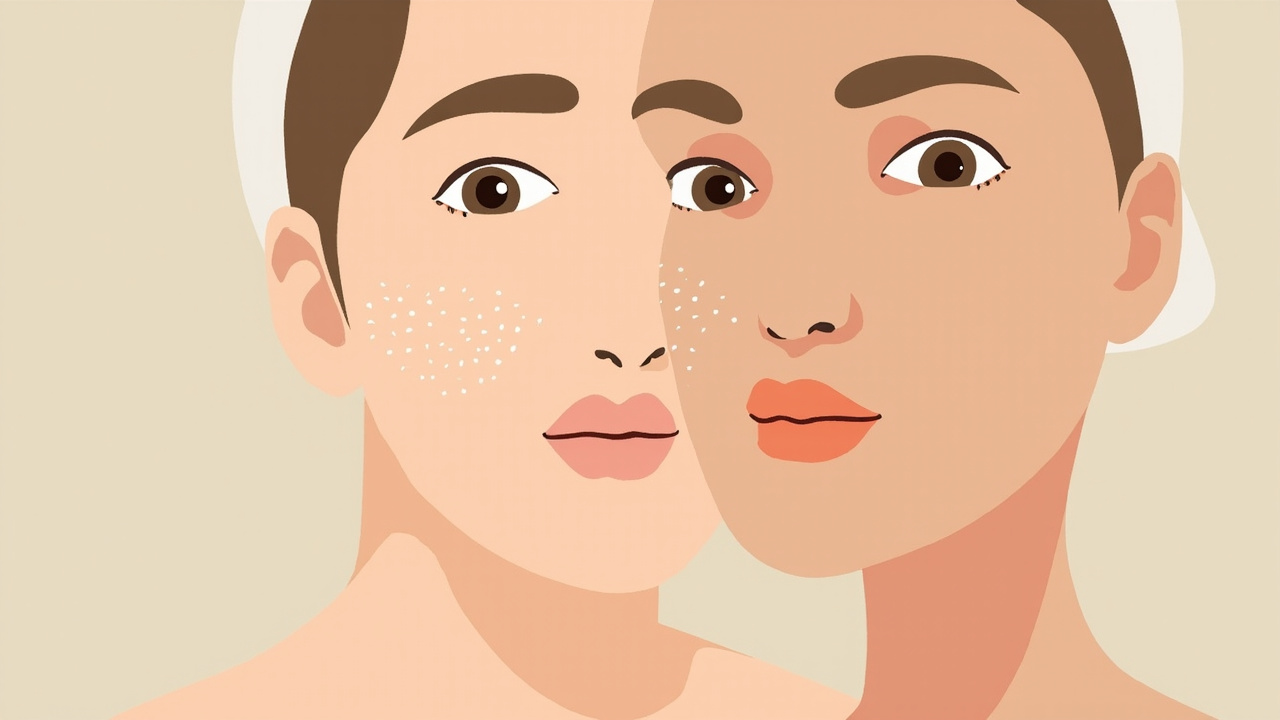
Differentiating between fungal and bacterial acne is critical because treating one with the other’s protocol can exacerbate the condition. Here are the key distinguishing features:
| Feature | Fungal Acne (Malassezia Folliculitis) | Bacterial Acne (Acne Vulgaris) |
|---|---|---|
| Appearance | Uniform, small bumps (papules and pustules) of similar size | Variety of lesions (blackheads, whiteheads, cysts, nodules) |
| Location | Forehead, hairline, temples, chest, upper back | Face, back, shoulders; can be widespread |
| Itchiness | Intensely itchy (pruritic) | Rarely itchy; usually painful or tender |
| Response to Acne Meds | Worsens with antibiotics, retinoids, or benzoyl peroxide | Improves with antibiotics, retinoids, or benzoyl peroxide |
| Texture | Bumps feel like sandpaper or goosebumps | Variable; can be deep, cystic, or surface-level |
Key indicator: If your forehead bumps are itchy and appear in clusters of identical-looking pustules, you likely have fungal acne. The American Academy of Dermatology (AAD) recommends that clinicians consider Malassezia folliculitis in any patient presenting with pruritic (itchy) papules on the upper trunk or face that do not respond to standard acne therapy [2].
The Root Cause: What Triggers Malassezia Overgrowth?
Understanding the triggers is the first step in prevention. Malassezia thrives under specific conditions that you can control:
- Excessive Sebum Production: Hormonal fluctuations, stress, and diet can increase oil production, providing a feast for the yeast.
- Humidity and Sweat: Occlusive environments from exercise, tight clothing, or humid climates trap sweat and oil against the skin.
- Antibiotic Overuse: Long-term oral or topical antibiotics kill beneficial bacteria, allowing yeast to overgrow unchecked.
- Immunosuppression: Stress, illness, or certain medications can weaken the immune system’s ability to regulate yeast.
- Occlusive Skincare: Heavy creams, oils, and silicones can trap yeast and sebum inside the follicle.
Step 1: The Anti-Fungal Wash (Ketoconazole and Zinc Pyrithione)
The cornerstone of any effective fungal acne treatment is a topical anti-fungal agent. The most researched and widely recommended first-line therapy is ketoconazole.
Using Ketoconazole Shampoo on the Face
Ketoconazole is an imidazole antifungal agent that disrupts the cell membrane of Malassezia, effectively killing the yeast. It is available over-the-counter in 1% formulations (e.g., Nizoral A-D) and by prescription in 2% formulations.
How to use Nizoral on the face safely:
- Cleanse first: Wash your face with a gentle, non-fungal-feeding cleanser.
- Apply: Massage a small amount of 1% ketoconazole shampoo onto damp skin, focusing on affected areas. Avoid the eye area.
- Wait: Leave on for 3–5 minutes. This contact time is crucial for efficacy.
- Rinse: Rinse thoroughly with lukewarm water.
- Frequency: Use 2–3 times per week initially, then reduce to once weekly for maintenance.
A 2014 study published in the Journal of Dermatology confirmed that 2% ketoconazole shampoo used as a face wash was effective in treating Malassezia folliculitis, with significant improvement in lesion count and itchiness within two weeks [3].
Zinc Pyrithione: A Softer Alternative
Zinc pyrithione is another potent anti-fungal agent commonly found in dandruff shampoos. It works by disrupting fungal metabolism. It is generally less drying than ketoconazole, making it suitable for sensitive skin. Look for products containing 1% zinc pyrithione and use them in the same leave-on method as ketoconazole.
Step 2: Topical Treatments That Work (Sulfur, Azelaic Acid, and Selenium Sulfide)
For stubborn cases or maintenance, incorporate these targeted topical treatments into your routine.
Sulfur for Fungal Acne
Sulfur has been used for centuries for its anti-fungal and anti-bacterial properties. It works by breaking down into sulfides, which are toxic to Malassezia yeast. Sulfur also helps to dry out excess oil and exfoliate dead skin cells.
- Formulations: Available in cleansers, masks, and spot treatments (typically 3–10% concentration).
- Usage: Use a sulfur mask 2–3 times per week for 10–15 minutes.
- Caution: Sulfur can be drying; always follow with a fungal-safe moisturizer.
Azelaic Acid
Azelaic acid is a dicarboxylic acid with proven anti-inflammatory and anti-fungal properties. It is effective against Malassezia and also helps treat post-inflammatory hyperpigmentation (PIH), a common side effect of fungal acne.
- Formulations: Available over-the-counter at 10% and by prescription at 15–20%.
- Usage: Apply a pea-sized amount to affected areas daily.
- Benefits: It reduces inflammation, kills yeast, and fades dark spots simultaneously.
Selenium Sulfide
Selenium sulfide is another anti-fungal agent found in some dandruff shampoos. It is highly effective but can be more irritating than ketoconazole. Use it sparingly (2.5% lotion or 1% shampoo) as a leave-on treatment for no more than 5 minutes before rinsing.
Step 3: Building a Fungal-Safe Skincare Routine
Malassezia feeds on specific fatty acids (oleic acid, triglycerides with carbon chains C11–C24). Therefore, your entire skincare routine must be free of these ingredients. This is known as a fungal acne routine or “Malassezia-safe” routine.
The “Fungal Acne Safe” Ingredient Checker
Avoid these ingredients:
- Oils: Olive oil, coconut oil, jojoba oil, argan oil, squalane (if derived from olives)
- Esters: Isopropyl myristate, isopropyl palmitate, cetyl esters
- Fatty Acids: Oleic acid, stearic acid, linoleic acid (in high concentrations)
- Polysorbates: Polysorbate 60, 80
Safe ingredients to look for:
- Humectants: Glycerin, The Ordinary Hyaluronic Acid 2% + B5, aloe vera
- Silicones: Dimethicone, cyclomethicone (these are generally safe)
- Occlusives: Mineral oil, petrolatum (these are inert and do not feed yeast)
- Actives: Niacinamide, Paula’s Choice Skin Perfecting 2% BHA Liquid Exfoliant (in low concentrations), sulfur, azelaic acid
Sample Fungal Acne Routine
AM:
- Rinse with water or a gentle fungal-safe cleanser.
- Apply a 10% azelaic acid serum.
- Moisturize with a gel-based, oil-free moisturizer containing hyaluronic acid or glycerin.
- Apply a mineral EltaMD UV Clear Broad-Spectrum SPF 46 (zinc oxide or titanium dioxide).
PM:
- Cleanse with a gentle fungal-safe cleanser.
- (2–3x/week) Use ketoconazole shampoo or sulfur mask as a treatment.
- Moisturize with a fungal-safe moisturizer.
Lifestyle Adjustments to Prevent Recurrence
Even with the best topical regimen, fungal acne can return quickly if lifestyle factors are not addressed.
- Shower after sweating: Exercise, saunas, and hot weather create the perfect environment for yeast growth. Shower immediately after sweating.
- Wear breathable fabrics: Opt for cotton or moisture-wicking synthetic fabrics. Avoid tight, non-breathable clothing over affected areas.
- Change pillowcases and towels frequently: Malassezia can survive on fabric. Wash linens in hot water (at least 140°F or 60°C).
- Dietary considerations: While evidence is mixed, some individuals find that reducing high-sugar and high-fat foods helps lower sebum production and yeast proliferation. The NIH notes that dietary intervention may be beneficial for recalcitrant cases [4].
- Avoid over-washing: Stripping the skin barrier with harsh cleansers can paradoxically increase oil production and worsen the condition.
When to See a Dermatologist
While many cases of fungal acne respond well to OTC treatments like ketoconazole shampoo, you should consult a board-certified dermatologist if:
- You have used OTC anti-fungals consistently for 4 weeks with no improvement.
- The rash is spreading or becoming painful.
- You have large, deep, or cystic lesions (which may indicate a secondary bacterial infection).
- You have a compromised immune system or underlying medical condition.
A dermatologist can confirm the diagnosis via a skin scraping (potassium hydroxide preparation) or culture. They may prescribe oral anti-fungals such as itraconazole or fluconazole for severe or widespread cases. A 2020 systematic review in the Journal of the American Academy of Dermatology confirmed that oral itraconazole is the most effective systemic treatment for recalcitrant Malassezia folliculitis [5].
Frequently Asked Questions
Is Nizoral shampoo safe to use on my face every day?
No. Using Nizoral (ketoconazole) shampoo daily can be overly drying and irritating. For fungal acne treatment, use it 2–3 times per week initially. Once the bumps clear, reduce to once per week for maintenance. Always follow with a fungal-safe moisturizer to prevent barrier damage.
Can I use anti-dandruff shampoo for body fungal acne?
Yes. Anti-dandruff shampoos containing ketoconazole, zinc pyrithione, or selenium sulfide are excellent for treating fungal acne on the chest, back, and shoulders. Apply the shampoo to the affected areas, leave on for 3–5 minutes, and rinse thoroughly. This is often more practical than using a body wash for widespread body acne.
Why did my acne get worse when I used benzoyl peroxide?
Benzoyl peroxide is a powerful antibacterial agent, but it does not kill Malassezia yeast. In fact, by disrupting the skin’s microbiome and stripping the natural barrier, benzoyl peroxide can create an environment that favors yeast overgrowth, making malassezia folliculitis worse. If your bumps are itchy and uniform, switch to an anti-fungal protocol immediately.
How long does it take for fungal acne to clear?
With consistent use of an anti-fungal wash and a fungal-safe routine, most people see significant improvement within 2–4 weeks. The itching usually resolves first (within a few days), followed by a flattening of the bumps. Complete clearance can take 4–8 weeks. Maintenance is often required to prevent recurrence.
Can fungal acne be cured permanently?
Fungal acne is not a permanent condition, but it can recur if the underlying triggers (excess oil, humidity, antibiotic use) return. It is best viewed as a chronic condition that can be effectively managed with a targeted anti-fungal skincare routine and lifestyle adjustments. Once clear, you can often reduce treatment to a weekly maintenance wash.
Conclusion
You May Also Like
Explore more articles in our Health collection:
- Best Acne Treatment for Sensitive Skin: A Complete Guide to Clear, Calm Complexion
- Best Beard Balm for Dandruff: Your Complete Guide to a Flake-Free, Healthy Beard
- Best Body Concealer: Cover Imperfections for Special Occasions and Events
Treating fungal acne requires a paradigm shift from traditional acne management. By understanding that Malassezia folliculitis is a yeast overgrowth, not a bacterial infection, you can select the right tools to clear your skin effectively and safely.
Actionable Takeaways:
- Confirm the diagnosis: Look for uniform, itchy bumps on the forehead, chest, or back that do not respond to standard acne treatments.
- Start with an anti-fungal wash: Use ketoconazole shampoo (Nizoral) or zinc pyrithione shampoo 2–3 times per week, leaving it on for 3–5 minutes.
- Switch to a fungal-safe routine: Eliminate oils and esters that feed yeast. Use gel-based moisturizers and mineral sunscreens.
- Add targeted treatments: Incorporate sulfur masks or azelaic acid for stubborn cases.
- Manage triggers: Shower after sweating, wear breathable fabrics, and change linens frequently.
Disclaimer: This article is for informational purposes only and does not constitute medical advice. Fungal acne can mimic other skin conditions. Always consult a board-certified dermatologist for a proper diagnosis and treatment plan tailored to your specific needs.
References
- Journal of Clinical and Aesthetic Dermatology. “Malassezia Folliculitis: Diagnosis and Management.” J Clin Aesthet Dermatol. 2014;7(5):37-41. (https://www.ncbi.nlm.nih.gov/pmc/articles/PMC4026262/)
- American Academy of Dermatology (AAD). “Acne: Diagnosis and Treatment.” (https://www.aad.org/public/diseases/acne/diagnosis-treatment)
- Journal of Dermatology. “Efficacy of 2% Ketoconazole Shampoo in the Treatment of Malassezia Folliculitis.” J Dermatol. 2014;41(12):1049-1052. (https://pubmed.ncbi.nlm.nih.gov/25382752/)
- National Institutes of Health (NIH) – Office of Dietary Supplements. “Probiotics: Fact Sheet for Health Professionals.” (https://ods.od.nih.gov/factsheets/Probiotics-HealthProfessional/)
- Journal of the American Academy of Dermatology. “Systematic review of systemic treatments for tinea versicolor and Malassezia folliculitis.” J Am Acad Dermatol. 2020;83(6):1743-1753. (https://pubmed.ncbi.nlm.nih.gov/32717281/)
Medically Reviewed By
Dr. Michael Park, MD, MPH — Preventive Dermatology Specialist
Dr. Park focuses on skin cancer prevention and photoprotection. He earned his MPH from Harvard T.H. Chan School of Public Health and lectures internationally on sun safety.
This article was medically reviewed on 2026-06-09 for accuracy and completeness.
Medical Disclaimer: This article is for informational purposes only and does not constitute medical advice. Always consult a qualified healthcare provider for diagnosis and treatment of any medical condition. Individual results may vary.
Related Tools
Try these free calculators and quizzes to personalize your routine:
References
- Sunscreen application and its importance in photoprotection — Indian Journal of Dermatology (accessed 2026-06-09)
- Collagen supplementation for skin health: a mechanistic review — Journal of Drugs in Dermatology (accessed 2026-06-09)