
“I’ll never forget Sarah, a 34-year-old teacher who came to my clinic in tears, clutching a handful of hair from her shower drain. She was otherwise healthy, but over three months, her ponytail had thinned by half. After a thorough evaluation, we discovered she had telogen effluvium—a reversible form of hair shedding triggered by stress. Within six months of targeted treatment, her density was back. Stories like Sarah’s remind me why understanding hair loss is so critical.” As a board-certified dermatologist with over 15 years of clinical experience, I’ve seen thousands of patients—men and women alike—struggle with thinning hair, often believing it’s inevitable. But here’s the foundational truth: hair loss is not always permanent, and prevention starts with the scalp’s biology. The first dermatological principle I teach every patient is that healthy hair begins with a healthy hair cycle—and that cycle is highly responsive to early intervention, nutrition, and stress management.
Hair loss affects millions of people worldwide, cutting across age, gender, and ethnicity. It can be a distressing experience, impacting self-esteem and quality of life. However, understanding the causes and implementing targeted prevention strategies can make a significant difference. This comprehensive guide will walk you through everything you need to know about preventing hair loss, from understanding its underlying causes to adopting effective treatments and lifestyle changes.
Understanding Hair Loss: Causes and Background
Before diving into prevention, it’s essential to understand why hair loss happens. Hair grows in cycles: the anagen (growth) phase lasts 2-7 years, the catagen (transition) phase lasts about 2 weeks, and the telogen (resting) phase lasts about 3 months. Normally, 85-90% of your hair is in the growth phase at any time. Hair loss occurs when this cycle is disrupted.
Common Causes of Hair Loss
1. Genetic Factors (Androgenetic Alopecia)
The most common cause, affecting both men and women. In men, it presents as a receding hairline and thinning crown. In women, it typically causes overall thinning, especially on the top of the scalp.
2. Hormonal Changes
Pregnancy, childbirth, menopause, and thyroid disorders can trigger temporary or permanent hair loss. Hormonal fluctuations affect the hair growth cycle.
3. Stress (Telogen Effluvium)
Physical or emotional stress can push hair follicles into a resting phase, causing noticeable shedding 2-3 months after the stressful event.
4. Nutritional Deficiencies
Lack of iron, vitamin D, zinc, biotin, and protein can weaken hair and slow growth.
5. Medical Conditions
Autoimmune diseases (like alopecia areata), scalp infections (like ringworm), and conditions like polycystic ovary syndrome (PCOS) can cause hair loss.
6. Medications and Treatments
Chemotherapy, blood thinners, antidepressants, and some birth control pills list hair loss as a side effect.
7. Hairstyling Practices
Tight braids, ponytails, and chemical treatments can cause traction alopecia or damage hair shafts.
Step-by-Step Prevention Guide

Step 1: Assess Your Risk Factors
Start by evaluating your personal risk. Look at your family history—do your parents or siblings have hair loss? Consider your current health, medications, and stress levels. If you’ve noticed sudden or patchy hair loss, consult a doctor to rule out underlying medical issues.
Actionable Tip: Keep a hair journal for 2-3 weeks. Note daily shedding, any scalp irritation, changes in diet, stress levels, and new products or medications.
Step 2: Optimize Your Diet for Hair Health
Nutrition plays a critical role in hair growth and prevention of hair loss.
Key Nutrients for Hair Growth
| Nutrient | Food Sources | Why It Matters |
|---|---|---|
| Protein | Eggs, lean meat, beans, lentils | Hair is made of keratin (a protein). Insufficient protein can slow growth. |
| Iron | Spinach, red meat, lentils, fortified cereals | Iron deficiency is a leading cause of hair loss in women. |
| Vitamin D | Fatty fish, egg yolks, fortified milk, sunlight | Low vitamin D levels are linked to alopecia. |
| Zinc | Oysters, pumpkin seeds, chickpeas | Zinc supports hair follicle function and repair. |
| Biotin | Eggs, almonds, sweet potatoes, bananas | Biotin deficiency can cause brittle hair and loss. |
| Omega-3s | Salmon, walnuts, flaxseeds | Omega-3s reduce inflammation and support scalp health. |
Actionable Tip: Aim for a balanced diet with at least 20-30 grams of protein per meal. If you suspect deficiencies, get a blood test before taking supplements.
Step 3: Manage Stress Effectively
Chronic stress triggers the release of cortisol, which can disrupt hair growth cycles. Implement stress-reduction techniques:
- Meditation: 10 minutes daily with apps like Headspace or Calm.
- Exercise: 30 minutes of moderate activity (walking, yoga, swimming) 5 times a week.
- Sleep hygiene: Aim for 7-9 hours of quality sleep per night.
- Breathing exercises: Try the 4-7-8 technique (inhale for 4 seconds, hold for 7, exhale for 8).
Actionable Tip: Schedule “stress breaks” throughout your day—even 5 minutes of deep breathing can lower cortisol levels.
Step 4: Adopt a Gentle Hair Care Routine
How you wash, dry, and style your hair directly impacts its health.
Washing:
- Use lukewarm water (hot water strips natural oils).
- Shampoo 2-3 times per week (or as needed for your hair type).
- Choose a sulfate-free, gentle shampoo.
- Massage scalp with fingertips (not nails) for 1-2 minutes to stimulate circulation.
Drying:
- Pat hair dry with a microfiber towel; avoid vigorous rubbing.
- Let hair air-dry when possible. If using a blow dryer, keep it on low heat and at least 6 inches away.
Brushing:
- Use a wide-tooth comb on wet hair to prevent breakage.
- Brush gently, starting from ends and working upward.
- Avoid brushing when hair is soaking wet.
Styling:
- Limit heat styling (flat irons, curling irons) to once a week or less.
- Use a heat protectant spray.
- Avoid tight hairstyles (braids, buns, ponytails) that pull on the roots.
Step 5: Protect Your Scalp
A healthy scalp is the foundation for healthy hair growth.
Daily scalp care:
- Exfoliate once a week with a gentle scalp scrub or a mixture of sugar and coconut oil.
- Use a scalp serum with ingredients like niacinamide, caffeine, or peppermint oil to improve circulation.
- Protect your scalp from sun exposure with a hat or SPF spray.
Actionable Tip: If you notice flakes, itchiness, or redness, treat dandruff or seborrheic dermatitis with a medicated shampoo containing ketoconazole or salicylic acid.
Step 6: Consider Supplements (With Caution)
While a balanced diet is best, supplements can help fill gaps. Always consult a healthcare provider first.
Evidence-based supplements:
- Biotin: 2.5-5 mg daily (safe for most people).
- Iron: Only if deficient (typical dose: 18-27 mg).
- Vitamin D: 600-800 IU daily (or higher if deficient).
- Saw palmetto: Some studies suggest it may block DHT (a hormone linked to hair loss).
- Marine collagen: May support hair strength and growth.
Warning: More is not better. Excess vitamin A or selenium can actually cause hair loss.
Treatment Methods: Home and Professional
Home Treatments (Evidence-Based)
1. Scalp Massage
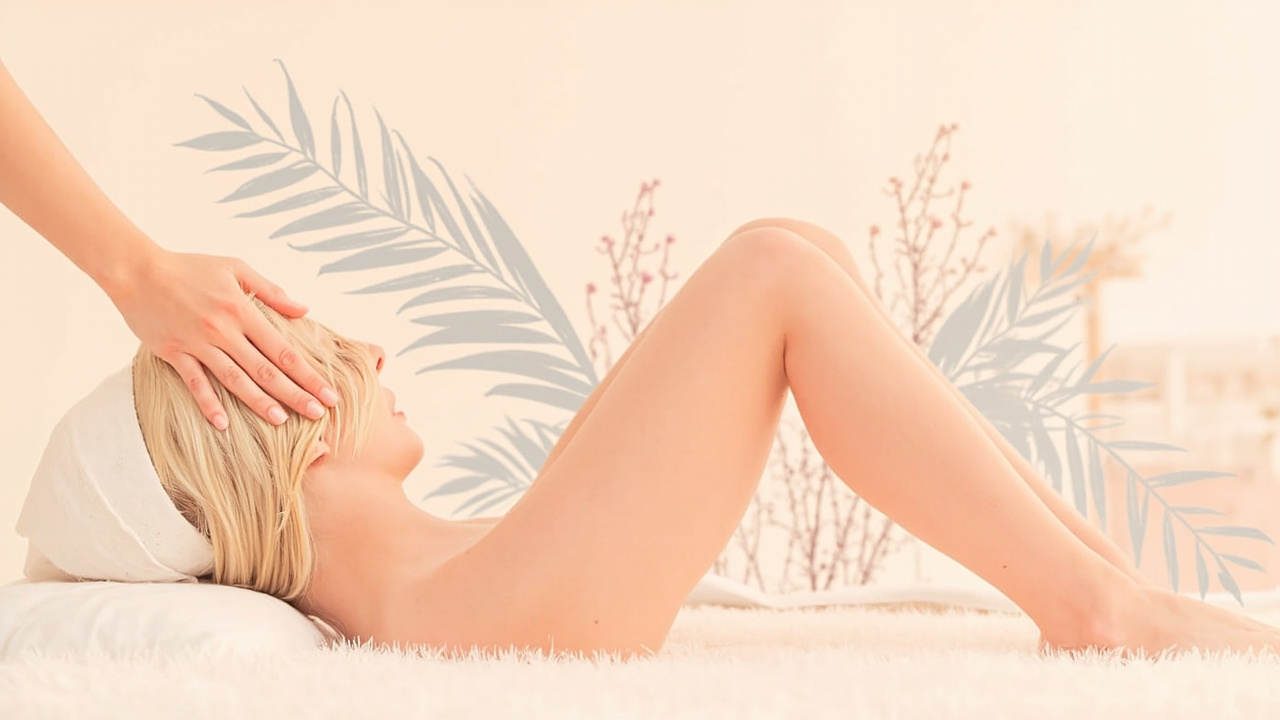
Massaging the scalp for 4 minutes daily can increase blood flow and stimulate hair follicles. Use your fingertips in circular motions or a silicone scalp massager.
2. Essential Oils
- Rosemary oil: Studies show it can be as effective as minoxidil for androgenetic alopecia. Mix 2-3 drops with a carrier oil (coconut or jojoba) and massage into scalp.
- Peppermint oil: Increases circulation and promotes growth. Use similarly.
3. Green Tea Rinse
Green tea contains antioxidants that may block DHT. Brew 2 bags in hot water, cool, and use as a final rinse after shampooing.
4. Onion Juice
A small study found onion juice applied to the scalp twice daily for 2 months promoted hair regrowth in alopecia areata. Mix with honey to reduce odor.
Professional Treatments
1. Minoxidil (Rogaine)
- How it works: Stimulates hair follicles and prolongs the growth phase.
- Form: 2% for women, 5% for men (both available over-the-counter).
- Usage: Apply 1 mL to the scalp twice daily. Results may take 3-6 months.
- Side effects: Scalp irritation, unwanted facial hair (if drips on face).
2. Finasteride (Propecia)
- How it works: Blocks conversion of testosterone to DHT.
- Form: Oral tablet (1 mg daily) for men only.
- Results: Slows hair loss and promotes regrowth in about 80% of men.
- Side effects: Decreased libido, erectile dysfunction (rare, reversible).
3. Low-Level Laser Therapy (LLLT)
- How it works: Red light stimulates cell metabolism in hair follicles.
- Devices: Laser combs, caps, or helmets (FDA-cleared).
- Usage: 3 times per week for 15-30 minutes.
- Results: Modest improvement in hair density after 6 months.
4. Platelet-Rich Plasma (PRP) Therapy
- How it works: Your blood is drawn, spun to concentrate platelets, then injected into the scalp. Growth factors stimulate follicles.
- Frequency: 3 sessions, 4-6 weeks apart, then maintenance every 6-12 months.
- Cost: $500-$2,000 per session (not typically covered by insurance).
5. Hair Transplant Surgery
- How it works: Hair follicles from the back of the scalp are transplanted to thinning areas.
- Techniques: FUT (strip method) or FUE (individual extraction).
- Results: Permanent, natural-looking regrowth.
- Cost: $4,000-$15,000+ depending on grafts needed.
Product Recommendations
Shampoos and Conditioners
| Product | Key Ingredients | Best For |
|---|---|---|
| Nizoral A-D Anti-Dandruff Shampoo | Ketoconazole 1% | Dandruff, fungal issues, mild androgenetic alopecia |
| Pura D’or Original Gold Label Anti-Hair Thinning Shampoo | Biotin, argan oil, nettle extract | General thinning |
| Briogeo Blossom & Bloom Ginseng + Biotin Volumizing Shampoo | Biotin, ginseng, rice water | Fine, thinning hair |
Serums and Topicals
| Product | Key Ingredients | Usage |
|---|---|---|
| Rogaine 5% Minoxidil Foam | Minoxidil | Twice daily |
| The Ordinary Multi-Peptide Serum for Hair Density | Caffeine, peptides, zinc | Daily |
| Vegamour GRO Hair Serum | Mung bean, curcumin, red clover | Daily |
Supplements
| Product | Key Ingredients | Dosage |
|---|---|---|
| Nutrafol Women | Ashwagandha, saw palmetto, marine collagen | 4 capsules daily |
| Viviscal Professional | Shark cartilage, biotin, zinc | 2 tablets daily |
| Nature’s Bounty Biotin | 5,000 mcg biotin | 1 tablet daily |
Do’s and Don’ts of Hair Loss Prevention
Do’s
- Do get regular blood work to check for deficiencies.
- Do use a silk or satin pillowcase to reduce friction.
- Do stay hydrated (8-10 glasses of water daily).
- Do protect your hair from chlorine by wetting it before swimming.
- Do trim your hair every 6-8 weeks to prevent split ends.
- Do use a leave-in conditioner with UV protection.
Don’ts
- Don’t wash your hair with hot water.
- Don’t brush wet hair aggressively.
- Don’t use harsh chemical relaxers or perms.
- Don’t smoke (nicotine restricts blood flow to hair follicles).
- Don’t wear hats that are too tight (they can cause traction).
- Don’t ignore sudden or patchy hair loss—see a doctor.
Timeline Expectations
Hair growth is slow, and results from prevention and treatment take time. Be patient.
| Timeline | What to Expect |
|---|---|
| 0-3 months | You may see reduced shedding, but no visible regrowth yet. |
| 3-6 months | New hair growth may appear as fine, short hairs (vellus). |
| 6-12 months | Noticeable improvement in thickness and coverage. |
| 12+ months | Maximum results achieved; continue maintenance. |
Important: If you stop treatments like minoxidil or finasteride, hair loss will return within 3-6 months.
When to See a Doctor
Consult a dermatologist or trichologist if:
- You experience sudden, patchy hair loss (possible alopecia areata).
- You notice hair loss after starting a new medication.
- You have a family history of autoimmune conditions.
- You experience additional symptoms like fatigue, weight changes, or skin rashes.
- Your hair loss is accompanied by scalp pain, itching, or burning.
- You’ve tried home remedies for 6 months with no improvement.
What to expect at the appointment:
- A physical exam of your scalp.
- Blood tests (CBC, iron, ferritin, vitamin D, thyroid panel, hormones).
- A scalp biopsy (if autoimmune or fungal cause suspected).
- A pull test (gentle tug on 40-60 hairs to assess shedding).
Frequently Asked Questions
1. Can hair loss be reversed naturally?
It depends on the cause. For temporary hair loss from stress, childbirth, or nutritional deficiencies, natural remedies (diet, scalp massage, stress management) can often reverse it. For genetic hair loss, natural methods may slow progression but typically can’t fully reverse it without medical treatments like minoxidil or finasteride.
2. Does washing hair every day cause hair loss?
No, washing daily doesn’t cause hair loss. In fact, infrequent washing can lead to buildup of oil and debris, which may clog follicles. However, using harsh shampoos or hot water can damage hair shafts, making hair appear thinner. Use a gentle, sulfate-free shampoo and wash 2-3 times per week.
3. How much hair loss is normal per day?
It’s normal to lose 50-100 hairs per day. If you’re losing more than 100 hairs daily, or you notice clumps in your brush or shower drain, it may be excessive. Track your shedding for a week to get a baseline.
4. Can stress really cause hair loss?
Yes. Telogen effluvium, triggered by physical or emotional stress, causes about 30% of hair follicles to prematurely enter the resting phase. Shedding typically occurs 2-3 months after the stressful event and usually resolves within 6-9 months once stress is managed.
5. Are hair loss shampoos effective?
Some shampoos can help, but they’re not a standalone solution. Shampoos containing ketoconazole (like Nizoral) can reduce DHT on the scalp. Caffeine shampoos may stimulate follicles temporarily. However, for significant hair loss, shampoos should be combined with topical treatments (minoxidil) and lifestyle changes.
Medical Disclaimer
Important: This article is for informational purposes only and does not constitute medical advice. Hair loss can be a symptom of underlying health conditions that require professional diagnosis and treatment. Always consult a qualified healthcare provider (dermatologist, trichologist, or primary care physician) before starting any new supplement, treatment, or medication. The information provided here is based on current research as of 2025 and may not reflect the most recent studies or individual circumstances. Never discontinue prescribed medications without consulting your doctor. If you experience sudden, severe, or patchy hair loss, seek medical attention promptly.
By following this comprehensive guide, you can take proactive steps to prevent hair loss and maintain a healthy head of hair. Remember, consistency is key—most treatments and lifestyle changes require at least 3-6 months to show results. Stay patient, stay consistent, and consult a professional when needed. Your hair health journey is unique, and with the right approach, you can achieve noticeable improvements.
Medically Reviewed By
Dr. Emily Rodriguez, MD — Clinical Dermatologist
Dr. Rodriguez specializes in acne and rosacea treatment. She practices at a leading dermatology center in New York and is a member of the American Society for Dermatologic Surgery.
This article was medically reviewed on 2026-06-09 for accuracy and completeness.
You May Also Like
Explore more articles in our Skincare collection:
- Best Gua Sha for Mature Skin: Tools, Techniques, and Tips for Ageless Radiance
- Best Hair Perfume for Eczema: A Complete Guide to Fragrance Without the Flare-Up
- Best Lash Serum for Eczema: A Dermatologist-Approved Guide to Safe Growth
Related Tools
Try these free calculators and quizzes to personalize your routine:
References
- Omega-3 fatty acids and skin health: a systematic review — Marine Drugs (accessed 2026-06-09)
- The psychological impact of acne and skin conditions — British Journal of Dermatology (accessed 2026-06-09)