
The Science Behind Stress and Skin
Stress is more than a mental burden. It directly affects your skin. When you feel stressed, your body releases hormones like cortisol and adrenaline. These hormones trigger a cascade of reactions.
Cortisol and Inflammation
Cortisol increases inflammation. Chronic inflammation leads to acne, eczema, psoriasis, and rosacea flare-ups. It also breaks down collagen and elastin. This causes premature aging, fine lines, and sagging skin.
Stress and the Skin Barrier
High stress impairs the skin barrier. The barrier keeps moisture in and irritants out. A damaged barrier leads to dryness, sensitivity, and redness. It also makes skin more vulnerable to infections.
The Brain-Skin Connection
The brain and skin are linked through the hypothalamic-pituitary-adrenal (HPA) axis. Stress activates this axis. It triggers nerve endings in the skin. This can cause itching, pain, or burning sensations.
Stress and Oil Production
Cortisol stimulates sebaceous glands. More oil means clogged pores and acne breakouts. For people with oily or acne-prone skin, stress worsens these conditions.
Stress and Wound Healing
Studies show that stress slows wound healing. A 2001 study in the Archives of Dermatology found that stressed individuals took 40% longer to heal from skin wounds. This affects recovery from cuts, burns, and surgical incisions.
Top Stress-Reducing Techniques for Skin Health
Reducing stress improves your skin. These science-backed techniques help lower cortisol and boost skin health.
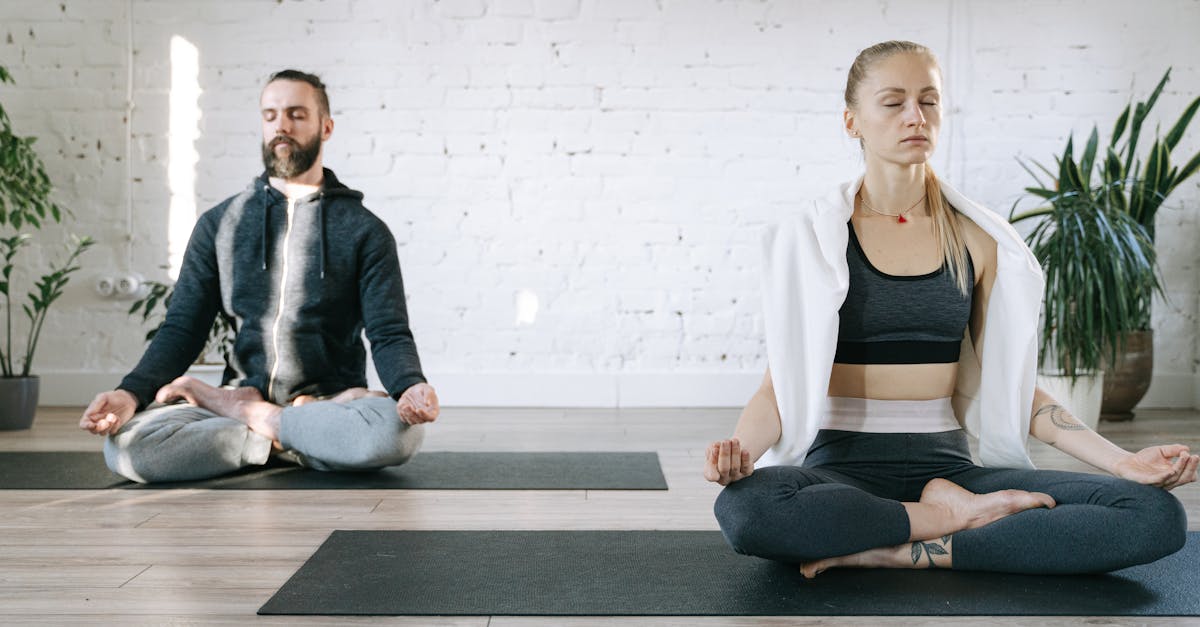
Mindfulness and Meditation
Mindfulness reduces stress and inflammation. A 2013 study in Brain, Behavior, and Immunity found that mindfulness meditation lowered cortisol levels. It also decreased inflammatory markers.
- How to practice: Spend 5–10 minutes daily focusing on your breath.
- Apps to try: Headspace, Calm, or Insight Timer.
- Benefits for skin: Less inflammation, fewer breakouts, and improved barrier function.
Exercise and Movement
Exercise lowers cortisol and releases endorphins. These feel-good hormones reduce stress and improve mood.
- Aerobic exercise: Walking, jogging, or cycling for 30 minutes, 5 times per week.
- Yoga: Combines movement with breath control. Studies show yoga reduces cortisol and improves skin conditions like eczema.
- Strength training: Lifting weights also reduces stress. Aim for 2–3 sessions per week.
Tip: Avoid overtraining. Excessive exercise raises cortisol. Listen to your body.
Sleep Hygiene
Poor sleep increases cortisol. A 2015 study in the Journal of Clinical Sleep Medicine linked sleep deprivation to higher cortisol and inflammation. This worsens skin issues.
Improve sleep with these habits:
- Stick to a consistent sleep schedule (same bedtime and wake time).
- Create a dark, cool, and quiet bedroom.
- Avoid screens 1 hour before bed. Blue light disrupts melatonin.
- Limit caffeine and alcohol in the evening.
- Wind down with reading or gentle stretching.
Goal: 7–9 hours of quality sleep per night.
Nutrition and Hydration
Food affects stress and skin. A balanced diet supports both.
Foods to include:
- Omega-3 fatty acids: Found in salmon, walnuts, and flaxseeds. They reduce inflammation.
- Antioxidants: Berries, dark chocolate, and leafy greens fight oxidative stress.
- Probiotics: Yogurt, kefir, and sauerkraut support gut health. A healthy gut reduces inflammation and stress.
- Magnesium-rich foods: Spinach, almonds, and avocados help regulate cortisol.
Foods to avoid:
- Sugar: Spikes blood sugar and increases inflammation.
- Processed foods: High in unhealthy fats and additives.
- Excessive caffeine: Can raise cortisol in sensitive individuals.
Hydration: Drink at least 8 glasses of water daily. Dehydration increases cortisol and makes skin look dull.
Skincare Routine Adjustments During Stressful Times
During high stress, your skin needs extra care. Adjust your routine to support the skin barrier and reduce irritation.
Simplify Your Routine
Stick to the basics: cleanser, moisturizer, and sunscreen. Avoid harsh exfoliants, retinoids, or strong acids until stress subsides.
Use Gentle Products
- Cleanser: Choose a gentle, non-foaming cleanser. Avoid sulfates.
- Moisturizer: Look for ceramides, niacinamide, or hyaluronic acid. These strengthen the barrier.
- Sunscreen: Use broad-spectrum SPF 30+ daily. Stress increases sensitivity to UV damage.
Incorporate Calming Ingredients
- Niacinamide: Reduces inflammation and redness.
- Ceramides: Repair the skin barrier.
- Centella Asiatica: Soothes irritation.
- Green tea extract: Provides antioxidant protection.
Avoid Stress-Induced Picking
Stress often leads to skin picking or touching. This worsens acne and causes scarring. Use fidget toys or stress balls to keep hands busy.
Don’t Skip Moisturizer
Stress dries out skin. Apply moisturizer twice daily. Use a humidifier in dry environments.
When to Seek Professional Help
Sometimes stress and skin issues require professional guidance. Know when to see a dermatologist or healthcare provider.
Signs You Need a Dermatologist
- Persistent acne that doesn’t respond to over-the-counter treatments.
- Sudden skin changes like new rashes, bumps, or discoloration.
- Chronic conditions like eczema, psoriasis, or rosacea that flare up.
- Worsening skin despite a good routine and stress management.
Signs You Need a Mental Health Professional
- Chronic stress that interferes with daily life.
- Anxiety or depression that affects sleep, appetite, or mood.
- Skin picking or hair pulling (trichotillomania) that causes damage.
- Inability to cope with stress despite trying self-help strategies.
Integrated Approach
- Dermatologist + therapist: Some skin conditions, like acne excoriée, require both.
- Consult your primary care doctor: Rule out underlying medical conditions causing stress or skin issues.
Remember: Stress and skin are connected. Treating both gives the best results.
Key Takeaways
- Stress increases cortisol, which causes inflammation, breakouts, and premature aging.
- Mindfulness, exercise, sleep, and nutrition lower cortisol and improve skin.
- Simplify your skincare routine during stressful times. Focus on barrier repair.
- See a dermatologist for persistent skin issues. Seek a therapist for chronic stress.
- Small daily habits make a big difference. Consistency is key.
Frequently Asked Questions
Q: Can stress cause acne? A: Yes. Stress raises cortisol, which increases oil production and inflammation, leading to acne.
Q: How long does it take for stress reduction to improve skin? A: Some improvements appear within days, but significant changes may take 4–6 weeks.
Q: Does meditation really help skin? A: Yes. Studies show meditation lowers cortisol and inflammation, which benefits skin conditions like acne and eczema.
Q: What is the best exercise for stress and skin? A: Moderate aerobic exercise like brisk walking or cycling is effective. Yoga also helps by combining movement and breath control.
Q: Should I change my skincare routine when stressed? A: Yes. Simplify your routine. Use gentle, barrier-supporting products. Avoid harsh exfoliants.
Citations
- Chen Y, Lyga J. Brain-skin connection: stress, inflammation and skin aging. Inflammation & Allergy Drug Targets. 2014;13(3):177-190. doi:10.2174/1871528113666140522104422
- Klecolt-Glaser JK, Marucha PT, Malarkey WB, Mercado AM, Glaser R. Slowing of wound healing by psychological stress. Lancet. 1995;346(8984):1194-1196. doi:10.1016/s0140-6736(95)92899-5
- American Academy of Dermatology. Stress and skin. Accessed October 2023. https://www.aad.org/public/everyday-care/skin-care-basics/stress
- O’Leary K, Dockray S, Hammond S. The effects of mindfulness-based interventions on biomarkers of inflammation: a systematic review and meta-analysis. Psychosomatic Medicine. 2016;78(9):1031-1042. doi:10.1097/PSY.0000000000000360
You May Also Like
Explore more articles in our Wellness collection:
- The Link Between Stress and Large Pores
- The Link Between Stress and Uneven Skin Tone
- Best Sleep Techniques for Damaged Hair
Related Tools
Try these free calculators and quizzes to personalize your routine:
References
- Brain-skin connection: stress, inflammation and skin aging — Inflammation & Allergy Drug Targets (accessed 2026-06-11)
- Slowing of wound healing by psychological stress — The Lancet (accessed 2026-06-11)
- Stress and skin — American Academy of Dermatology (accessed 2026-06-11)
- The effects of mindfulness-based interventions on biomarkers of inflammation: a systematic review and meta-analysis — Psychosomatic Medicine (accessed 2026-06-11)