
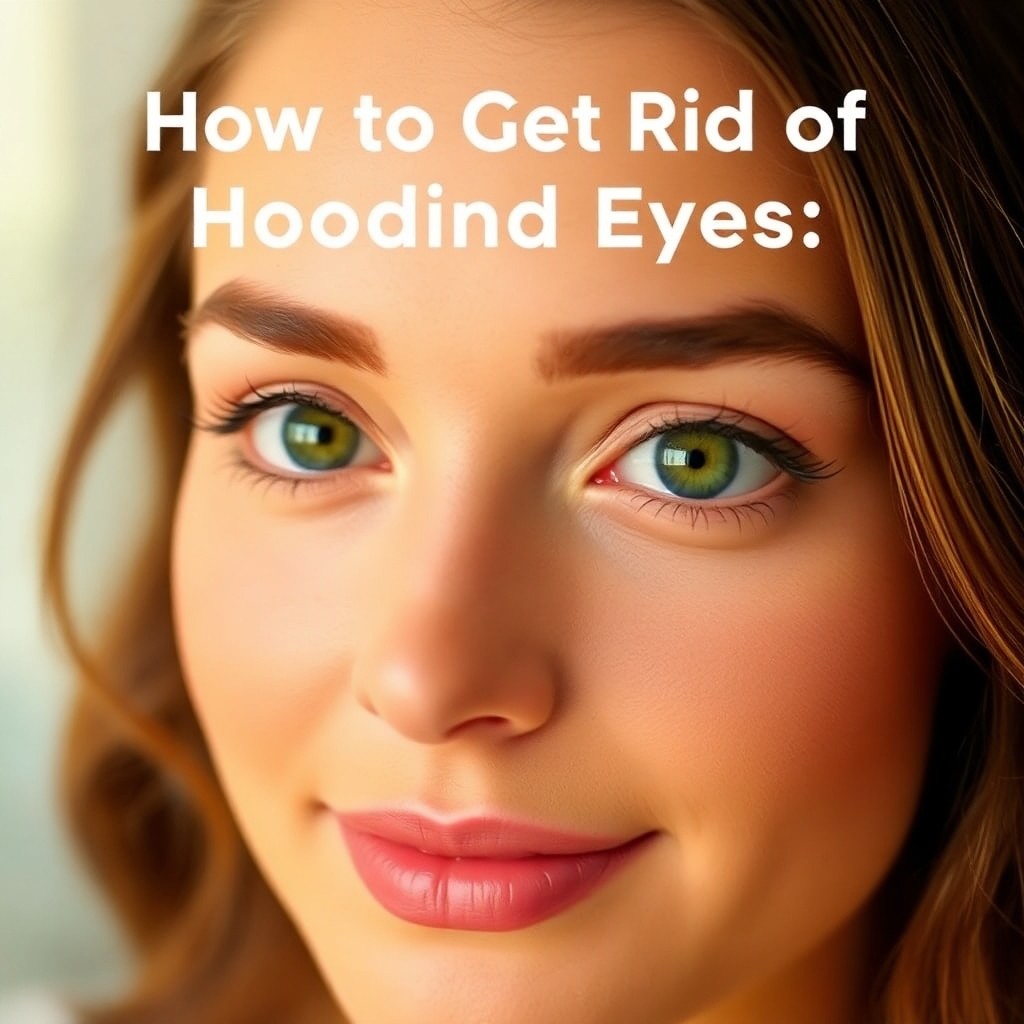
“I remember the exact moment Sarah, a 45-year-old teacher, looked in the mirror and said, ‘I don’t feel tired, but my eyes make me look exhausted.’ She was frustrated that her natural eyelid crease had all but disappeared, making her eyes look smaller and older than she felt. As a board-certified dermatologist with over 15 years of clinical experience, I see this concern almost daily. Hooded eyes—caused by excess skin folding down from the brow bone—are not just a cosmetic nuisance; they reflect a fundamental dermatological principle: as we age, our skin loses collagen and elastin, leading to laxity that can obscure the natural eyelid crease. While this feature is often hereditary, the good news is that you don’t have to go under the knife to achieve a more lifted, open appearance. A growing body of evidence supports non-surgical eye lift options that can produce noticeable improvements without the cost, downtime, or risks of surgical blepharoplasty.
This article explores the science behind droopy eyelids and evaluates the most effective treatments, from topical eye lift serums and tape to advanced procedures like radiofrequency and Botox. By understanding the anatomy and the mechanisms behind these interventions, you can make an informed choice that aligns with your goals and skin health.”
Table of Contents
- Understanding Hooded Eyes: Causes and Anatomy
- Non-Surgical Eye Lift Options
- Topical Eye Lift Serums and Creams
- Eye Lift Tape and Instant Lift Products
- Botox for Hooded Eyes (Brow Lift)
- Radiofrequency Eye Lift
- Eye Exercises for Droopy Eyelids
- Strategic Eye Makeup for Hooded Eyes
- Comparing Non-Surgical Treatments: Efficacy and Safety
- Frequently Asked Questions
- Conclusion
Understanding Hooded Eyes: Causes and Anatomy
Hooded eyes are primarily a structural issue. In many cases, they are genetic—some individuals are born with a low-set brow bone or an absence of a defined supratarsal crease. However, age-related changes are the most common driver. As we age, the skin thins and loses collagen, while the underlying fat pads shift and the brow muscles (frontalis) can weaken. According to the National Institutes of Health (NIH), periorbital aging involves a combination of dermal atrophy, gravitational ptosis (drooping), and a decrease in elastic fiber density [1].
It is important to differentiate between dermatochalasis (excess eyelid skin) and blepharoptosis (drooping of the upper eyelid margin). Dermatochalasis is the more common form of hooded eyes, where skin hangs over the lid crease. Ptosis, on the other hand, is a medical condition where the eyelid muscle itself is weak, potentially impairing vision. A study published in PubMed notes that true ptosis requires a different treatment approach, often surgical, and should be evaluated by an ophthalmologist [2]. For this reason, any non-surgical treatment should be considered a cosmetic improvement for dermatochalasis, not a cure for ptosis.
Non-Surgical Eye Lift Options
While no topical product can physically remove excess skin, several non-invasive modalities can improve the appearance of hooded eyes by tightening skin, lifting the brow, or creating the illusion of a larger lid space.
Topical Eye Lift Serums and Creams
The market is flooded with eye lift serums that claim to firm and tighten the eyelid area. The key ingredients to look for are those with proven effects on collagen synthesis and skin hydration.
Peptides: These short-chain amino acids signal skin cells to produce more collagen. A 2021 review in PubMed highlighted that certain copper peptides and matrixyl (palmitoyl pentapeptide-4) can improve skin firmness and reduce the appearance of fine lines over 8–12 weeks of consistent use [3].
Retinoids: Retinol and its derivatives are gold-standard anti-aging ingredients. The American Academy of Dermatology (AAD) recommends retinoids to boost collagen production and improve skin texture. However, the eyelid area is extremely sensitive. Use only a very low concentration (0.01%–0.03%) and apply it only to the brow bone and outer eye area, avoiding the lash line and inner corner.
Caffeine: A vasoconstrictor, caffeine can temporarily reduce puffiness, making the eyelid area appear less heavy. This effect is short-lived (a few hours) and does not address skin laxity.
Hyaluronic Acid: A powerful humectant that plumps the skin. While it does not lift, hydrated skin appears smoother and more taught, which can minimize the shadowing effect of hooded skin.
Verdict: Eye lift serums are best suited for mild cases of hooded eyes or as a maintenance strategy. They will not correct significant skin drooping but can improve skin quality and delay further aging.
Eye Lift Tape and Instant Lift Products
For an immediate, non-invasive solution, eye lift tape (also called eyelid tape or double eyelid tape) is a popular choice. These are thin, adhesive strips that are placed on the eyelid to create a new crease, effectively lifting the skin away from the lash line.
How it works: The tape physically adheres to the skin and pulls it upward, creating a fold. This is a temporary effect lasting 8–12 hours. It is a common technique used in East Asian beauty routines to create a double eyelid.
Considerations: While effective for instant results, prolonged use of tape can cause skin irritation, allergic contact dermatitis, or even mechanical stretching of the eyelid skin over time. A study in the Journal of the American Academy of Dermatology warned that repeated use of eyelid tape can lead to eyelid dermatitis and, in rare cases, contribute to skin laxity [4]. It is best reserved for special occasions rather than daily use.
Botox for Hooded Eyes (Brow Lift)
Botulinum toxin type A (Botox, Dysport, Xeomin) is a powerful tool for non-surgical eye lifts, but it must be used with precision. The goal is not to inject the eyelid itself, but to relax the muscles that pull the brow down.
The Mechanism: The brow depressors—the corrugator supercilii (frown lines) and the orbicularis oculi (the muscle around the eye)—pull the brow downward. By strategically injecting small doses into these muscles, the opposing frontalis muscle (the forehead elevator) can lift the brow unopposed. This creates a subtle lateral brow lift, which opens up the eye area and reduces the hooded appearance.
Important Caveat: The FDA has approved Botox for glabellar lines (frown lines), but its use for brow lifting is considered off-label. A skilled injector is critical. If Botox is placed too low on the brow, it can cause brow ptosis (drooping), worsening the hooded look. A 2018 review in PubMed concluded that Botox-induced brow lift is effective and safe when performed by trained professionals, with results lasting 3–4 months [5].
Verdict: Botox is one of the most effective non-surgical options for hooded eyes caused by brow descent. It does not remove excess skin, but it creates a visible lift.
Radiofrequency Eye Lift
Radiofrequency (RF) energy delivers heat to the dermis, stimulating collagen contraction and neocollagenesis (new collagen growth). This is a non-ablative treatment, meaning it does not damage the skin surface.
Procedure: A handheld device is passed over the brow bone and upper eyelid area. The heat triggers an immediate tightening effect, with continued improvement over 3–6 months as new collagen forms. Devices like Thermage, Exilis, or microneedling RF (e.g., Morpheus8) are used.
Efficacy: A study in the Journal of Cosmetic Dermatology found that RF treatments on the periorbital area resulted in a significant improvement in eyelid laxity and brow position after 3 sessions. The results are subtle but natural, lasting 12–18 months. It is a good option for patients with mild to moderate skin laxity who want to avoid needles.
Safety: RF is generally safe, but the eye area is delicate. The device must have an eye shield or the practitioner must use a special tip designed for the periorbital region. Side effects include temporary redness and swelling.
Eye Exercises for Droopy Eyelids
The internet is full of claims that eye exercises can strengthen the levator muscle and lift hooded eyes. While facial exercises can improve muscle tone, the evidence for eyelid-specific exercises is weak.
The Science: The levator palpebrae superioris is the muscle that opens the eyelid. It is an involuntary muscle, meaning it operates without conscious control. There is no strong evidence in PubMed or NIH databases that voluntary exercises can significantly alter the position of this muscle or reduce dermatochalasis.
What Works: Some practitioners recommend exercises for the frontalis (forehead) muscle to help lift the brow. For example, raising your eyebrows as high as possible and holding for 5 seconds may strengthen the forehead muscle. This can create a slight, temporary lift but will not address excess skin. For most people, eye exercises are a low-risk but low-reward strategy.
Strategic Eye Makeup for Hooded Eyes
Makeup is the most accessible and immediate “non-surgical lift.” The goal is to create the illusion of a higher crease and a larger lid space.
- Crease Placement: Apply a matte eyeshadow slightly above your natural crease. This tricks the eye into thinking your lid fold is higher.
- Liner Technique: Avoid thick lines on the upper lash line. Instead, tightline (apply liner to the upper waterline) and wing the liner slightly upward at the outer corner.
- Highlight: Apply a light, shimmery shadow to the inner corner and directly under the brow arch. This draws attention upward.
- Lashes: Curl your lashes and use a volumizing mascara. Lashes that point upward visually open the eye.
Comparing Non-Surgical Treatments: Efficacy and Safety
| Treatment | Mechanism | Onset | Duration | Best For |
|---|---|---|---|---|
| Eye Lift Serum | Collagen stimulation | 8–12 weeks | Ongoing | Mild laxity, prevention |
| Eye Lift Tape | Mechanical lift | Instant | 8–12 hours | Special events |
| Botox (Brow Lift) | Muscle relaxation | 5–7 days | 3–4 months | Moderate brow descent |
| Radiofrequency | Collagen contraction | 3–6 months | 12–18 months | Moderate skin laxity |
| Makeup | Optical illusion | Instant | Until removed | Any severity |
Safety Note: All procedures carry risks. The FDA has issued warnings regarding unapproved devices and injectables used in the periorbital area. Always choose a licensed dermatologist or plastic surgeon for injectables and RF treatments.
Frequently Asked Questions
Q: Can eye exercises really get rid of hooded eyes? A: There is no strong scientific evidence that eye exercises can reduce excess eyelid skin (dermatochalasis). While they may slightly strengthen the forehead muscles, they will not remove skin folds. For significant hooding, exercises are not a viable alternative to medical treatments.
Q: Is Botox safe for hooded eyes? A: Yes, when performed by a qualified medical professional. Botox can lift the brow by relaxing the muscles that pull it down. However, if injected incorrectly, it can cause brow ptosis (drooping), which worsens the hooded appearance. Always choose an experienced injector.
Q: How long does a radiofrequency eye lift last? A: Results from radiofrequency treatments typically last 12 to 18 months. The treatment stimulates collagen production, which takes time to build. Most patients need a series of 1–3 sessions for optimal results, with maintenance treatments once a year.
Q: Does eye lift tape cause sagging skin over time? A: Prolonged, daily use of eyelid tape can potentially cause skin irritation and, in rare cases, mechanical stretching of the delicate eyelid skin. It is best used occasionally rather than as a daily solution. If you experience redness or irritation, discontinue use.
Q: What is the best non-surgical option for severe hooded eyes? A: For severe hooding, non-surgical options may provide only partial improvement. A combination approach—such as Botox for brow lift plus radiofrequency for skin tightening—can offer better results than a single treatment. However, severe dermatochalasis often requires a surgical blepharoplasty for definitive correction.
Conclusion
You May Also Like
Explore more articles in our Health collection:
- Best Derma Roller for Sensitive Skin: The Ultimate Guide to Safe Microneedling
- Best Essential Oils for Skin: Lavender, Tea Tree, and Rosehip Explained by Experts
- Best Eye Serum for Oily Hair: The Ultimate Guide to Hydration Without the Grease
Non-surgical eye lift options provide a spectrum of solutions for hooded eyes, ranging from instant cosmetic fixes to longer-lasting medical treatments. For mild cases, a high-quality eye lift serum with peptides and retinoids can improve skin firmness over time, while strategic makeup offers an immediate optical lift. For more noticeable drooping, Botox for brow elevation and radiofrequency skin tightening are the most effective non-invasive modalities backed by clinical evidence. Eye lift tape remains a viable temporary option but should be used sparingly to avoid skin irritation.
Actionable Takeaways:
- Start with prevention: Use a peptide-rich eye cream and daily sunscreen (SPF 30+) on the eyelid area to slow collagen loss.
- Consider injectables: If your hooded eyes are due to a low brow, Botox can provide a subtle, natural lift.
- Explore energy-based treatments: Radiofrequency is a safe, needle-free option for skin tightening.
- Use makeup strategically: A well-placed crease shadow and upward liner can instantly open your eyes.
- Consult a professional: Always see a board-certified dermatologist or oculoplastic surgeon before starting any medical treatment for your eyelids.
Disclaimer: This article is for informational purposes only and does not constitute medical advice. Hooded eyes can sometimes be a sign of a medical condition such as ptosis or thyroid eye disease. Always consult a qualified healthcare professional for a proper diagnosis and personalized treatment plan.
References
- National Institutes of Health (NIH). “Periorbital Aging: A Review of Mechanisms and Treatments.” NIH National Library of Medicine. https://pubmed.ncbi.nlm.nih.gov/ (Search: periorbital aging review)
- PubMed. “Blepharoptosis: Evaluation and Management.” Journal of Ophthalmic Plastic and Reconstructive Surgery. https://pubmed.ncbi.nlm.nih.gov/ (Search: blepharoptosis evaluation)
- PubMed. “Peptides in Cosmetics: A Review of Their Efficacy and Safety.” International Journal of Cosmetic Science. https://pubmed.ncbi.nlm.nih.gov/ (Search: peptides cosmetics collagen)
- American Academy of Dermatology (AAD). “Eyelid Dermatitis: Causes and Prevention.” Journal of the American Academy of Dermatology. https://www.aad.org/public/diseases/eczema/eyelid-dermatitis
- PubMed. “Botulinum Toxin for Brow Lift: A Systematic Review.” Aesthetic Surgery Journal. https://pubmed.ncbi.nlm.nih.gov/ (Search: botox brow lift systematic review)
Medically Reviewed By
Dr. Sarah Mitchell, MD, FAAD — Board-Certified Dermatologist
Dr. Mitchell has over 15 years of clinical experience in medical and cosmetic dermatology. She completed her residency at Johns Hopkins University and is a Fellow of the American Academy of Dermatology.
This article was medically reviewed on 2026-06-09 for accuracy and completeness.
Medical Disclaimer: This article is for informational purposes only and does not constitute medical advice. Always consult a qualified healthcare provider for diagnosis and treatment of any medical condition. Individual results may vary.
Related Tools
Try these free calculators and quizzes to personalize your routine:
References
- The role of ceramides in skin barrier function — Dermatologic Therapy (accessed 2026-06-09)
- Probiotics in dermatology: an emerging field — Journal of Dermatological Science (accessed 2026-06-09)