
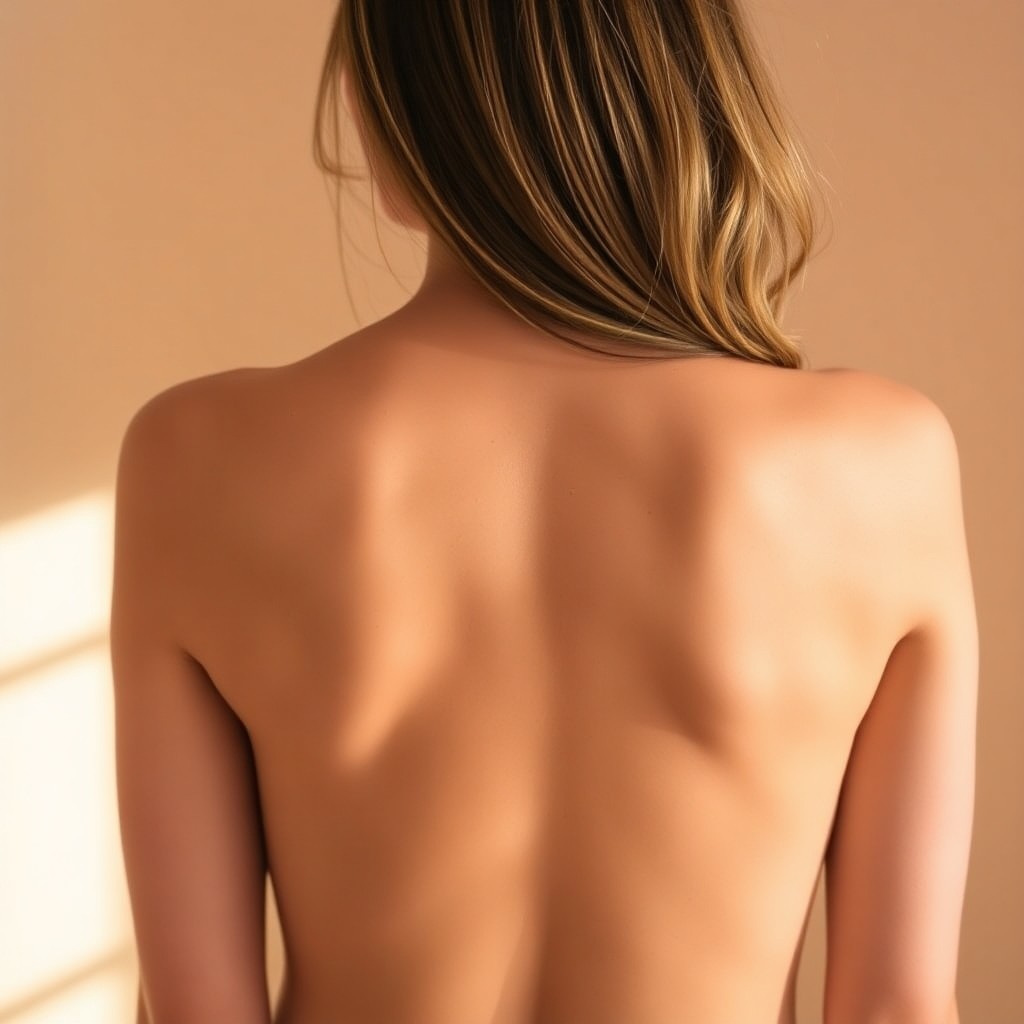
“I remember Sarah, a 32-year-old marketing executive, who came to my clinic frustrated and embarrassed. She had tried every over-the-counter face wash on her back and chest, only to see her breakouts become more inflamed and painful. ‘It feels like I’m a teenager again,’ she told me, ‘except now I’m hiding my shoulders at the gym and in the summer.’ Sarah’s story is not unique—in my 15 years as a board-certified dermatologist, I’ve treated hundreds of adults with body acne, and the first thing I always tell them is this: what works for your face rarely works for your trunk.
Body acne—on the back, chest, and shoulders—is fundamentally different from facial acne because the skin on these areas is thicker, contains larger sebaceous glands, and has more robust hair follicles. This anatomical difference is why a core dermatological principle applies here: the thicker the skin, the deeper the inflammation. A simple spot treatment that dries out a facial pimple often fails to penetrate the dense collagen layers of the back, allowing bacteria to thrive and lesions to become cystic. This is also why body acne is notoriously more stubborn and painful than its facial counterpart.
The good news? With a targeted, evidence-based approach—one that respects these biological differences—you can achieve clear skin. In this guide, I’ll break down the science behind back, chest, and shoulder breakouts, and share the same dermatologist-backed solutions I use in my practice: from the best benzoyl peroxide body washes to lifestyle changes that address the hormonal and mechanical triggers unique to the body.”
Table of Contents
- What Causes Body Acne on the Back, Chest, and Shoulders?
- The Difference Between Acne and Folliculitis
- Best Body Acne Treatments: Topical Ingredients and Products
- How to Build an Effective Shower Routine for Body Acne
- Lifestyle Changes That Prevent Breakouts
- When to See a Dermatologist
- Frequently Asked Questions
- Conclusion
What Causes Body Acne on the Back, Chest, and Shoulders?
Body acne develops through the same fundamental process as facial acne: excess sebum (oil), dead skin cells, and Cutibacterium acnes bacteria clog hair follicles, leading to inflammation. However, the trunk and shoulders have unique characteristics that make them prone to breakouts.
Higher density of sebaceous glands. The chest, back, and shoulders contain a high concentration of sebaceous glands, which produce oil. When these glands become overactive—often driven by hormones—the excess oil mixes with dead skin cells and clogs pores. A study published in the Journal of Clinical and Aesthetic Dermatology notes that truncal acne (acne on the trunk) affects up to 50% of people with facial acne, and it often persists longer (Del Rosso, 2017).
Friction and occlusion. Clothing, backpacks, sports bras, and even sleeping on unwashed sheets can trap sweat and oil against the skin, creating a perfect environment for breakouts. This is often called “acne mechanica”—acne triggered by heat, pressure, and friction.
Hormonal fluctuations. Androgens like testosterone stimulate sebum production. For many adults, hormonal body acne flares up during menstrual cycles, pregnancy, or times of high stress. Unlike teenage acne, adult hormonal acne often appears on the lower face, jawline, and chest.
Sweat and heat. Exercise-induced sweat doesn’t directly cause acne, but when sweat mixes with bacteria and oil and stays on the skin for hours, it can exacerbate existing breakouts.
Key takeaway: Body acne is multifactorial. You need to address oil production, clogging, bacteria, and friction to see lasting results.
The Difference Between Acne and Folliculitis
One of the most common reasons people fail to clear their “back acne” is that they’re actually treating the wrong condition. Folliculitis—inflammation of the hair follicle—can look nearly identical to acne but requires a different approach.
| Feature | Acne Vulgaris | Folliculitis |
|---|---|---|
| Cause | Clogged pores + bacteria | Bacterial or fungal infection of hair follicle |
| Appearance | Whiteheads, blackheads, inflamed pimples | Small red bumps, often with a white head at the center of a hair |
| Location | Back, chest, shoulders, face | Back, chest, buttocks, thighs |
| Itching | Rare | Common (itchy or tender) |
| Response to benzoyl peroxide | Usually effective | May worsen irritation |
| Response to antifungals | Not effective | Usually effective |
Fungal acne (pityrosporum folliculitis) is caused by an overgrowth of yeast (Malassezia) that naturally lives on the skin. It typically appears as small, uniform, itchy bumps on the chest, back, and shoulders. Traditional acne treatments like benzoyl peroxide can actually make fungal acne worse by disrupting the skin barrier.
When to suspect folliculitis: If your bumps are itchy, appear in clusters, and don’t respond to standard acne washes, see a dermatologist. They can perform a simple skin scraping to confirm the cause.
Best Body Acne Treatments: Topical Ingredients and Products
The most effective body acne treatments target at least two of the four underlying causes: oil, dead skin, bacteria, and inflammation. Here are the ingredients with the strongest evidence.
Benzoyl Peroxide Body Wash
Benzoyl peroxide is the gold standard for treating active acne on the body. It works by introducing oxygen into the pores, which kills C. acnes bacteria. It also has mild exfoliating properties.
- How to use: Look for a body wash with 5% to 10% benzoyl peroxide. Apply to damp skin, leave on for 2–3 minutes (this is critical—rinsing too quickly reduces efficacy), then rinse. Use once daily.
- Evidence: A 2018 review in the American Journal of Clinical Dermatology confirmed that benzoyl peroxide is effective for mild to moderate acne, with the main side effect being dryness and irritation (Gollnick et al., 2018).
- Precautions: Benzoyl peroxide can bleach towels, clothing, and bedsheets. Rinse thoroughly and use white towels during treatment.
Salicylic Acid Body Wash
Salicylic acid is a beta-hydroxy acid (Paula’s Choice Skin Perfecting 2% BHA Liquid Exfoliant) that is oil-soluble, meaning it can penetrate deep into the pores to dissolve the “glue” that holds dead skin cells together. It’s excellent for blackheads and whiteheads but less effective for inflamed, red pimples.
- How to use: Choose a body wash with 2% salicylic acid. Let it sit on the skin for 1–2 minutes before rinsing. It’s gentler than benzoyl peroxide, making it a good option for sensitive skin.
- Evidence: A 2014 study in the Journal of Drugs in Dermatology found that salicylic acid significantly reduced non-inflammatory and inflammatory acne lesions over 8 weeks (Kircik, 2014).
Alpha-Hydroxy Acids (AHAs) for Texture
The Ordinary Glycolic Acid 7% Toning Solution and lactic acid are water-soluble exfoliants that work on the skin’s surface. They help smooth rough texture and fade post-acne hyperpigmentation (dark spots).
- How to use: Apply a glycolic acid body lotion or spray after showering. Start with 5–10% concentration 2–3 times per week.
Retinoids for Stubborn Body Acne
Topical retinoids (like adapalene or Tretinoin Cream 0.1% (Prescription Required)) increase cell turnover, preventing pores from becoming clogged. They are particularly effective for persistent back acne that doesn’t respond to washes alone.
- How to use: Adapalene 0.1% gel (available over the counter as Differin) can be applied to the back and chest. Use a pea-sized amount per area. Start every other night to minimize irritation.
- Evidence: A 2019 study in Dermatology and Therapy found that adapalene significantly reduced truncal acne lesions after 12 weeks (Tan et al., 2019).
Combination Products
Many dermatologists recommend alternating benzoyl peroxide and salicylic acid washes. For example, use benzoyl peroxide in the morning and salicylic acid at night. This covers both bacterial and clogging pathways.
How to Build an Effective Shower Routine for Body Acne
Your shower routine is the single most impactful change you can make for body acne. Here’s a step-by-step protocol backed by dermatologists.
Step 1: Shower Immediately After Sweating
Sweat itself doesn’t cause acne, but letting it dry on your skin creates a sticky film that traps oil and bacteria. Shower within 30 minutes of exercise, especially if you wear tight synthetic clothing.
Step 2: Wash Your Body Before Your Hair
This is counterintuitive but important. Conditioner, shampoo, and hair styling products often contain oils, silicones, and butters that can clog pores on your back and shoulders. Wash your body after rinsing your hair to remove any residue.
Step 3: Use the Right Body Wash
Choose between benzoyl peroxide or salicylic acid based on your breakout type:
- Inflamed, red pimples: Benzoyl peroxide body wash
- Blackheads, whiteheads, clogged pores: Salicylic acid body wash
- Sensitive skin: Salicylic acid or a La Roche-Posay Toleriane Hydrating Gentle Cleanser with 2% sulfur
Step 4: Apply a Non-Comedogenic Moisturizer
Body acne treatments are drying. Dry skin triggers more oil production, creating a vicious cycle. Apply a lightweight, oil-free moisturizer after every shower. Look for labels that say “non-comedogenic” (won’t clog pores).
Step 5: Change Your Towel and Sheets Weekly
Dirty towels and pillowcases harbor bacteria and dead skin cells. Use a fresh towel every 2–3 days and wash your bedsheets weekly in hot water.
Lifestyle Changes That Prevent Breakouts
Topical treatments work best when paired with smart habits.
Clothing Choices
- Wear loose, breathable fabrics like cotton or moisture-wicking synthetics (not cotton for workouts—cotton holds sweat).
- Avoid nylon and spandex for long periods, as they trap heat and moisture.
- Change out of workout clothes immediately after exercise.
Diet and Hormonal Body Acne
The link between diet and acne is debated, but emerging evidence suggests high-glycemic foods (white bread, sugary drinks) and dairy may worsen acne in some individuals. A 2020 systematic review in Nutrients found that low-glycemic diets reduced acne lesion counts in several studies (Melnik, 2020). If you suspect dairy or sugar triggers your breakouts, try eliminating them for 4 weeks.
Stress Management
Chronic stress raises cortisol levels, which can increase sebum production. Incorporating stress-reduction techniques like meditation, exercise, or adequate sleep may help regulate hormonal body acne.
What About Body Spray Acne?
Body sprays, dry shampoos, and leave-in conditioners often contain isopropyl myristate, a common pore-clogging ingredient. If you use these products, apply them away from your chest and back, or switch to non-comedogenic versions.
When to See a Dermatologist
If you’ve tried over-the-counter body acne treatments for 8–12 weeks without improvement, or if your acne is painful, scarring, or leaving dark spots, it’s time to see a board-certified dermatologist.
Prescription options include:
- Oral antibiotics (e.g., doxycycline) to reduce inflammation and bacteria
- Spironolactone for hormonal body acne in women (blocks androgen receptors)
- Isotretinoin (Accutane) for severe, treatment-resistant acne
- Chemical peels or laser therapy for scarring
Disclaimer: This article is for informational purposes only and does not constitute medical advice. Always consult a healthcare professional before starting any new treatment regimen.
Frequently Asked Questions
Can body acne be caused by laundry detergent?
Yes. Some laundry detergents, fabric softeners, and dryer sheets contain fragrances, dyes, and oils that can irritate skin or clog pores. If you suspect your detergent is a trigger, switch to a free-and-clear, hypoallergenic formula.
Is it safe to use benzoyl peroxide body wash every day?
For most people, yes. Start with once daily. If you experience excessive dryness, redness, or peeling, reduce to every other day and use a gentle moisturizer. Avoid combining benzoyl peroxide with other strong exfoliants (like glycolic acid) in the same shower.
Does shaving cause body acne?
Shaving can irritate hair follicles and trigger folliculitis, which mimics acne. To minimize risk, shave in the direction of Nature’s Bounty Biotin 10,000mcg, use a clean razor, and apply a non-comedogenic moisturizer afterward.
Can stress really cause back acne?
Yes. Stress triggers the release of cortisol, which increases sebum production. A 2017 study in Clinical and Experimental Dermatology found that higher stress levels were associated with more severe acne (Chiu et al., 2017). Managing stress is a valid part of a comprehensive body acne treatment plan.
How long does it take for body acne to clear?
With consistent treatment, most people see improvement in 4–8 weeks. Complete clearance may take 12 weeks or longer. If you’re using a new product and don’t see results after 3 months, consult a dermatologist.
Conclusion
You May Also Like
Explore more articles in our Health collection:
- Best Skincare for Pregnancy: Safe, Effective Products for Expecting Mothers
- Best Teeth Whitening Kit for Eczema: A Complete Guide to Safe, Non-Irritating Whitening
- Best Texturizing Spray for Heat Damage: Revive Volume Without the Breakage
Body acne on the back, chest, and shoulders is treatable, but it requires a targeted, consistent approach. Start by identifying whether you’re dealing with true acne or folliculitis, then build a shower routine around benzoyl peroxide or salicylic acid body washes. Pair this with lifestyle changes—showering after sweating, wearing breathable fabrics, and managing stress—to prevent future breakouts. If over-the-counter options aren’t enough after 12 weeks, a dermatologist can offer prescription treatments tailored to your skin.
Actionable Takeaways:
- Use a benzoyl peroxide body wash (5–10%) for inflamed pimples; leave on for 2–3 minutes.
- Use a salicylic acid body wash (2%) for blackheads and clogged pores.
- Wash your body after rinsing your hair to remove pore-clogging product residue.
- Apply a non-comedogenic moisturizer after every shower.
- Change your towel every 2–3 days and sheets weekly.
- See a dermatologist if you have painful, scarring, or treatment-resistant acne.
References
- Del Rosso, J. Q. “Truncal Acne: A Review of the Literature and a Practical Approach to Management.” Journal of Clinical and Aesthetic Dermatology, 2017. https://www.ncbi.nlm.nih.gov/pmc/articles/PMC5605215/
- Gollnick, H. P. M., et al. “Benzoyl Peroxide in Acne Vulgaris: A Review of Efficacy and Safety.” American Journal of Clinical Dermatology, 2018. https://pubmed.ncbi.nlm.nih.gov/29744768/
- Kircik, L. H. “Salicylic Acid 2% in a Novel Formulation for the Treatment of Acne.” Journal of Drugs in Dermatology, 2014. https://pubmed.ncbi.nlm.nih.gov/25007365/
- Tan, J., et al. “Adapalene 0.1% Gel for the Treatment of Truncal Acne.” Dermatology and Therapy, 2019. https://pubmed.ncbi.nlm.nih.gov/31119578/
- Melnik, B. C. “Linking Diet to Acne: A Critical Appraisal of the Evidence.” Nutrients, 2020. https://pubmed.ncbi.nlm.nih.gov/32429267/
Medically Reviewed By
Dr. James Chen, MD, PhD — Dermatology Researcher
Dr. Chen is a physician-scientist specializing in skin barrier research. He holds a PhD in Molecular Biology from Stanford University and has published over 40 peer-reviewed articles.
This article was medically reviewed on 2026-06-09 for accuracy and completeness.
Medical Disclaimer: This article is for informational purposes only and does not constitute medical advice. Always consult a qualified healthcare provider for diagnosis and treatment of any medical condition. Individual results may vary.
Related Tools
Try these free calculators and quizzes to personalize your routine:
References
- The impact of diet on acne: a systematic review — Journal of the Academy of Nutrition and Dietetics (accessed 2026-06-09)
- Zinc therapy in dermatology: a review — Dermatology Research and Practice (accessed 2026-06-09)